
The vast and varied landscape of Texas is synonymous with sunshine, heat, and sprawling ranches. However, the Lone Star State experiences a distinct shift in seasons, and for many, especially those planning travel or seeking the perfect accommodation, understanding the onset of cooler weather is paramount. While Texas might not conjure images of blizzards and frozen tundras, its autumn and winter months offer a delightful respite from the sweltering summer, ushering in a period ideal for exploring its diverse attractions, enjoying local culture, and indulging in various activities.
The question of “When Will It Get Colder In Texas?” is more nuanced than a simple date. It depends on several factors, including geographic location within the state, prevailing weather patterns, and the specific year’s climatic trends. Generally, the transition from the intense heat of summer to more temperate conditions begins in early to mid-September. However, the truly “cold” or cooler weather, characterized by crisp air, comfortable temperatures for outdoor exploration, and the occasional need for a light jacket, typically arrives in earnest by October and extends through February. This period is often considered the prime time for experiencing Texas without the oppressive humidity and heat that can define the warmer months.

For those contemplating a visit, whether for a short getaway or a longer stay, understanding this seasonal shift is key to maximizing their experience. It impacts everything from the types of outdoor activities you can enjoy to the kind of accommodation that will best suit your needs. For instance, a summer stay at a lakeside resort might focus on water sports, while an autumn visit to a historic city like San Antonio could emphasize walking tours and exploring its rich history and architecture.
Embracing the Autumnal Charm: Texas in Fall
The arrival of autumn in Texas is a welcome relief from the summer’s scorching embrace. While the iconic yellowing of leaves may not be as dramatic as in some northern states, Texas offers its own unique brand of autumnal beauty. The air begins to carry a crispness, particularly in the mornings and evenings, making outdoor activities significantly more enjoyable. This is the season when exploring the landmarks and attractions scattered across the state truly comes into its own.
The Transformation of Texas Landscapes
As the intense summer sun begins to wane, Texas undergoes a subtle yet beautiful transformation. The vibrant greens of summer gradually give way to warmer hues, especially in the more forested regions like the Texas Hill Country. Areas around Austin and Fredericksburg become particularly picturesque, with rolling hills dotted with wineries and orchards offering a different kind of scenic beauty. The cooler temperatures make it an ideal time for hiking in places like Big Bend National Park or exploring the natural wonders of Palo Duro Canyon State Park, the “Grand Canyon of Texas.” The reduced heat allows visitors to comfortably spend more time outdoors, appreciating the geological formations and the diverse flora and fauna that inhabit these natural attractions.
Seasonal Activities and Cultural Experiences
Autumn in Texas is a vibrant tapestry of festivals, harvest celebrations, and an increased focus on outdoor activities. The state comes alive with numerous tourism events, catering to a wide range of interests. For food enthusiasts, the fall harvest brings a bounty of fresh produce, leading to culinary events and farmers’ markets brimming with local flavors. Think of the abundance of pecans, pumpkins, and other autumnal delights that find their way into traditional Texas cuisine.
San Antonio offers a particularly rich cultural experience during the fall. The River Walk, often bustling and humid in the summer, becomes a more pleasant destination for leisurely strolls, boat tours, and dining al fresco. The city’s historical sites, such as The Alamo and the San Antonio Missions National Historical Park, are best explored when the weather is mild, allowing visitors to fully absorb the history and architecture without the discomfort of extreme heat. Houston, another major hub, also sees a surge in outdoor events, from art walks to sporting competitions, all enhanced by the cooler weather.
For families, autumn presents a fantastic opportunity for outings. Pumpkin patches, corn mazes, and Halloween-themed events become popular attractions, offering wholesome fun for all ages. This is also a prime time for exploring the various landmarks and attractions that might be overwhelming in the summer heat. From the historic streets of Galveston to the scientific marvels at the Space Center Houston, the cooler months make these experiences more accessible and enjoyable.
The Winter Chill: When to Expect Cold Snaps
While Texas is not typically associated with harsh winters, the state does experience a definite chill, with temperatures dropping significantly, especially in the northern and western parts. The arrival of winter brings a different set of opportunities and considerations for travelers and residents alike. The question of “When Will It Get Colder In Texas?” also implies a period where warmer clothing becomes a necessity.
Frost and Freezes: Navigating Winter Weather
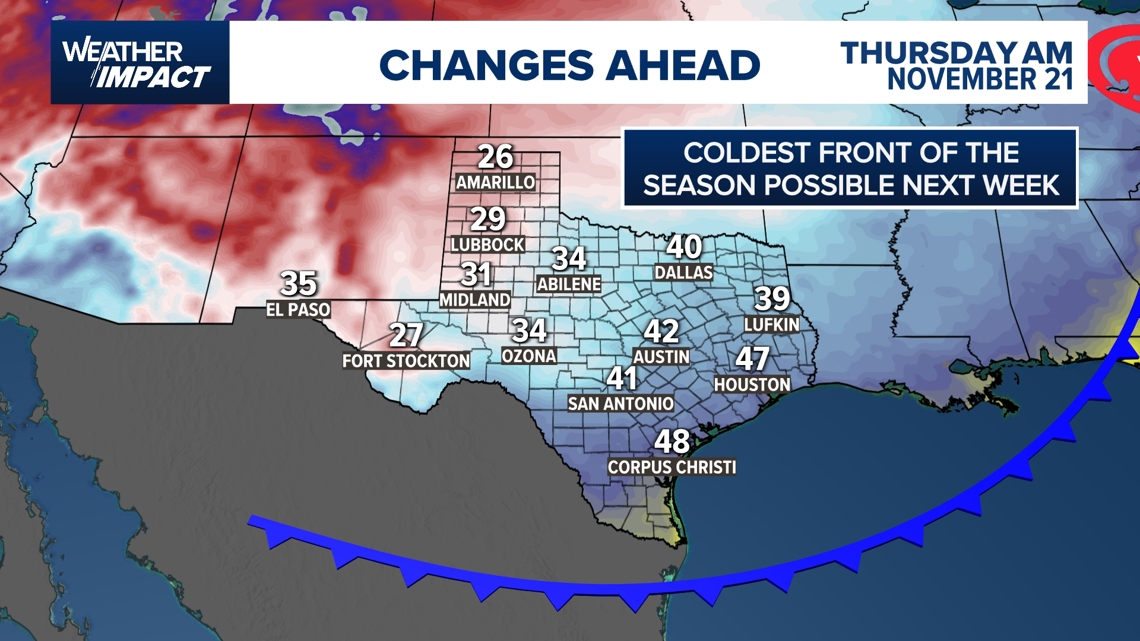
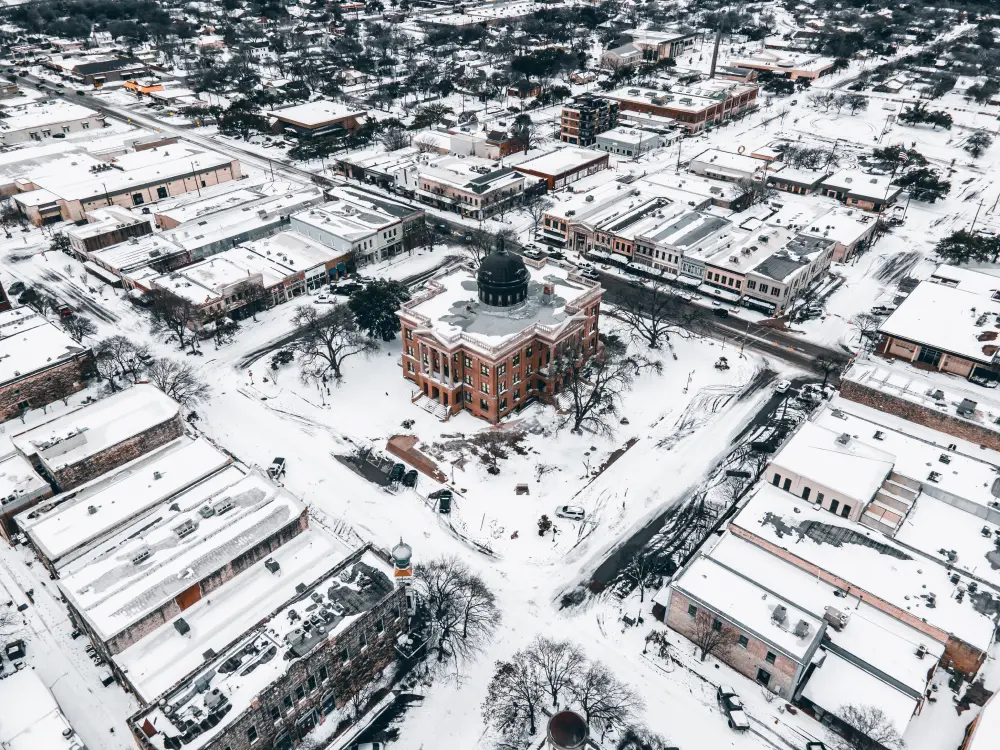
The first frost in Texas can occur as early as late October or November, particularly in the Panhandle and North Texas regions. However, widespread freezing temperatures, the kind that might necessitate precautions for plumbing or driveways, are more commonly experienced from December through February. While prolonged periods of extreme cold are rare, occasional cold snaps can bring temperatures down into the 20s and even teens Fahrenheit. Snowfall is infrequent and usually light, though areas like the Panhandle can sometimes receive more substantial amounts.
This colder weather means that outdoor activities shift from hiking and biking to more indoor-focused pursuits or appreciating the stark beauty of the landscape in a different light. For those seeking accommodation, the focus might move from properties with large outdoor pools to those offering cozy fireplaces and indoor amenities. This is also a time when luxury travel might involve stays at elegant hotels or resorts that offer fine dining and spa services.
Winter Travel and Accommodation Tips
When planning travel to Texas during the winter months, it’s crucial to be prepared for fluctuating temperatures. Packing layers is essential, as a warm, sunny day can quickly turn into a cool evening. For those considering booking accommodation, especially in areas prone to freezing temperatures, it’s wise to inquire about heating systems and any potential winter weather advisories.
Cities like Dallas and Fort Worth offer a wealth of indoor attractions, including world-class museums, theaters, and shopping centers, making them ideal winter destinations. The vibrant culinary scene in these cities provides ample opportunity to explore local culture through its diverse restaurants and cafes. For those interested in historical landmarks, winter can be a peaceful time to visit sites like the Sixth Floor Museum at Dealey Plaza in Dallas, with fewer crowds than during peak season.
Coastal areas like Galveston offer a different winter experience, with milder temperatures that can still be pleasant for walks along the beach, though swimming is generally not advisable. The historic architecture and the Moody Gardens complex provide ample opportunities for exploration. Even in the southern parts of Texas, where winters are generally milder, occasional cold fronts can still bring a noticeable chill, making a light jacket a necessary companion.
The Shoulder Seasons: Finding Balance in Spring and Fall
The periods between the extreme heat of summer and the occasional chill of winter – often referred to as the shoulder seasons – represent the sweet spot for many Texas explorers. These times offer a pleasant balance of temperatures, making them ideal for a wide range of activities and travel experiences.
Spring’s Awakening: A Gradual Warm-Up
Spring in Texas begins its gentle ascent from cooler temperatures in late February and March. The state gradually awakens from its winter slumber, with blooming wildflowers, particularly the iconic Texas bluebonnets, painting the countryside in vibrant colors from March through April. This period is a photographer’s dream and a nature lover’s paradise, offering unparalleled opportunities to explore nature and landmarks.
The weather during spring is typically mild and pleasant, with temperatures becoming increasingly warmer as the season progresses. This makes it perfect for exploring state parks, hiking in areas like Enchanted Rock State Natural Area, and enjoying outdoor dining. The tourism industry gears up for the influx of visitors eager to escape colder climates elsewhere. This is also a great time for exploring cities like Austin, known for its live music scene and vibrant outdoor festivals, or San Antonio for its historical charm and culinary delights.
Fall’s Embrace: The Return of Comfortable Coolness
As mentioned earlier, fall offers a similar window of opportunity for enjoyable travel and exploration. The transition from summer’s heat is usually smooth, with temperatures gradually descending into a comfortable range. This is the time when outdoor activities are at their peak. Whether it’s attending a football game, exploring a landmark like the Texas State Capitol in Austin, or simply enjoying a leisurely drive through the countryside, the fall months provide an inviting atmosphere.
For those seeking accommodation, both spring and fall offer a wider selection and potentially better rates than the peak summer season, especially in popular tourist destinations. Whether you’re looking for a luxurious resort in the Hill Country, a charming apartment in a historic district, or a family-friendly villa, these shoulder seasons provide an excellent opportunity to find the perfect fit for your lifestyle and budget.
Planning Your Texas Adventure
When planning your Texas adventure, understanding these seasonal nuances is key. If your primary interest is in outdoor activities and exploring the natural beauty of the state, the spring and fall months are your best bet. If you’re drawn to the history and cultural attractions of cities like San Antonio or Galveston, these shoulder seasons offer comfortable temperatures for extensive exploration. For those who don’t mind a bit of a chill and are looking for a different perspective on Texas – perhaps to witness the subtle winter landscapes or enjoy fewer crowds at indoor attractions – the winter months can also be rewarding. Ultimately, Texas offers a diverse range of experiences year-round, and knowing when the weather will get colder helps you tailor your visit to perfectly suit your lifestyle and travel aspirations. Whether you’re seeking adventure, relaxation, or cultural immersion, Texas is a destination that consistently delivers.
LifeOutOfTheBox is a participant in the Amazon Services LLC Associates Program, an affiliate advertising program designed to provide a means for sites to earn advertising fees by advertising and linking to Amazon.com. Amazon, the Amazon logo, AmazonSupply, and the AmazonSupply logo are trademarks of Amazon.com, Inc. or its affiliates. As an Amazon Associate we earn affiliate commissions from qualifying purchases.