
The mist rising off the bayou at dawn carries with it a sense of ancient mystery. In the heart of Louisiana, the landscape is a labyrinth of cypress knees, Spanish moss, and tea-colored waters. While this state is a year-round destination for those seeking vibrant music and world-class cuisine, there is a specific window of time that captures the imagination of the world: the alligator season. For the locals, it is a period of intense work and tradition; for the tourist, it is a peak time to witness the raw, unfiltered spirit of the Deep South.

Understanding when the season occurs and how it shapes the local culture is essential for any traveler planning a trip to the Pelican State. This season is not merely a date on a calendar; it is a cultural phenomenon that dictates the rhythm of life in Cajun Country and beyond.
Navigating the Calendar: When the Season Begins
To understand the timing of the alligator season, one must look to the regulations set by the Louisiana Department of Wildlife and Fisheries. Unlike many other wildlife seasons that may span several months, the wild alligator harvest is a brief and highly regulated event. It is designed to maintain the delicate balance of the ecosystem while honoring a practice that has existed for generations.
The East and West Zone Distinctions
The State of Louisiana is divided into two primary zones for the purpose of the wild alligator harvest: the East Zone and the West Zone. Typically, the season kicks off in the East Zone on the last Wednesday of August. The West Zone usually follows suit one week later, opening on the first Wednesday of September. Each zone remains open for a period of 60 calendar days, though most of the significant activity occurs within the first few weeks.
For tourists visiting New Orleans or Baton Rouge, the East Zone dates are the most relevant. However, those heading toward Lake Charles or Lafayette will find themselves in the heart of the West Zone. This staggered opening allows the Louisiana Department of Wildlife and Fisheries to manage the population effectively across different habitats, from the coastal marshes to the inland swamps.
The Impact of Biological Cycles
The timing of the season is no accident. It is strategically placed after the peak nesting period and before the onset of cooler autumn temperatures. Alligators are ectothermic, meaning they rely on external heat sources to regulate their body temperature. As the heat of the United States summer begins to wane, alligators become less active. By scheduling the season in late August and September, the state ensures that the animals are active enough for the harvest and that the environmental impact is minimized. For the traveler, this means that while the humidity may still be high, the sights and sounds of the swamp are at their most therapeutic and vibrant.
Immersive Tourism: Experiencing the Swamp During the Season
For many visitors, the draw of Louisiana during this time is the opportunity to see these prehistoric reptiles in their natural habitat. While the actual harvest is a commercial activity reserved for licensed residents and landholders, the “gator fever” that grips the state creates a unique atmosphere for tourism.
Swamp Tours in the Atchafalaya Basin
The Atchafalaya Basin is the largest wetland and swamp in the United States, and during alligator season, it is the epicenter of activity. Taking a guided boat tour through these waters provides a front-row seat to the wonders of the Mississippi River delta system. During the season, guides are often more than happy to share stories of legendary catches and the history of the trade.
In areas like Henderson, tour operators use flat-bottomed boats to navigate the shallow reaches of the swamp. Visitors can see alligators sunning themselves on logs or gliding silently through the duckweed. The increased human activity during the season often means that the alligators are more visible, as they are stirred by the movement of boats through the various bayous and canals.
Exploring the Honey Island Swamp
Located near Slidell, the Honey Island Swamp offers a different but equally captivating experience. It is often cited as one of the least altered river swamps in the country. During the September season, the foliage is a lush green, and the wildlife—including bald eagles, wild boars, and, of course, alligators—is in abundance. Tourism in this region often focuses on the ecological importance of the wetlands, providing an educational perspective on how the alligator season contributes to the overall conservation efforts of the Gulf of Mexico coastal regions.
Culinary Traditions and Local Culture
One cannot discuss the alligator season without mentioning the culinary delights that follow. In Louisiana, the alligator is not just a predator; it is a prized ingredient that finds its way into the finest kitchens and the humblest backyard boils.
From Bayou to Table in New Orleans
In the French Quarter of New Orleans, world-renowned chefs wait for the season to procure the freshest meat. Alligator is known for its mild flavor and firm texture, often described as a cross between chicken and pork with a hint of seafood.

Travelers should look for specialty dishes like alligator sausage po’boys or blackened alligator medallions. In many upscale establishments throughout the Garden District, you might find alligator soup, a rich and savory delicacy that is a staple of Creole cuisine. The season ensures that the supply is fresh, and the local pride in these dishes is palpable.
Festivals and Community Gatherings
The end of the harvest often leads into a series of local festivals. In towns like St. Martinville and Houma, communities gather to celebrate the bounty of the land. These events are a treasure trove for tourists looking for authentic cultural immersion. You can expect live Zydeco music, traditional dancing, and, naturally, an array of alligator-based foods.
The Cajun influence is strongest during these celebrations. You might hear the local dialect—a beautiful blend of French and English—and witness the “joie de vivre” (joy of living) that defines the region. For a tourist, there is no better way to understand the heart of Louisiana than to share a meal and a dance with the people who call the swamps home.
Nature and Conservation: Landmarks of the Wild
While the alligator season is a highlight, the environment that sustains these creatures is worth exploring in its own right. Several landmarks and protected areas offer a glimpse into the prehistoric world these animals inhabit.
Jean Lafitte National Historical Park and Preserve
Named after the famous pirate, the Jean Lafitte National Historical Park and Preserve near Marrero is a must-visit. The Barataria Preserve section of the park features boardwalks that wind through hardwood forests and marshes. During the alligator season, the park serves as a sanctuary where visitors can observe wildlife safely. It is a stark reminder that while the harvest is happening elsewhere, Louisiana is deeply committed to the preservation of its natural history.
The Wilderness of Bayou Teche
The Bayou Teche is a 125-mile-long waterway that was once the main highway of Cajun Country. Today, it is a National Wild and Scenic River. Traveling along its banks during the season allows tourists to see the intersection of industry and nature. Historic homes, old sugar mills, and towering oaks line the bayou, creating a picturesque backdrop for any wildlife viewing excursion. It offers a quieter, more reflective tourism experience compared to the bustling swamp tours closer to the major cities.
Essential Tips for the Seasonal Traveler
Visiting Louisiana during alligator season requires some preparation to ensure a safe and enjoyable trip. The environment is beautiful but can be unforgiving to those who are unprepared.
Safety and Wildlife Etiquette
It is vital to remember that alligators are wild animals. While they may appear lethargic while sunning, they can move with incredible speed. Tourists should always maintain a safe distance and never attempt to feed them. Feeding alligators is not only dangerous but also illegal in Louisiana, as it causes the animals to lose their natural fear of humans.
When booking a tour, ensure the operator is licensed and follows ethical wildlife practices. A good guide will prioritize the safety of the passengers and the well-being of the animals, providing insights without disturbing the natural habitat.
Packing for the Bayou
The United States south in late summer is notoriously hot and humid. Travelers should pack lightweight, breathable clothing. Long sleeves and pants are actually recommended for swamp excursions to protect against both the sun and the persistent mosquitoes. Insect repellent and sunscreen are non-negotiable essentials.
Furthermore, if you are planning to visit during the opening weeks of the season, be sure to book your accommodations in Lafayette or Morgan City well in advance. This is a busy time for the region, and the local hotels and bed-and-breakfasts fill up quickly with both workers and tourists.
A Season of Life and Legacy
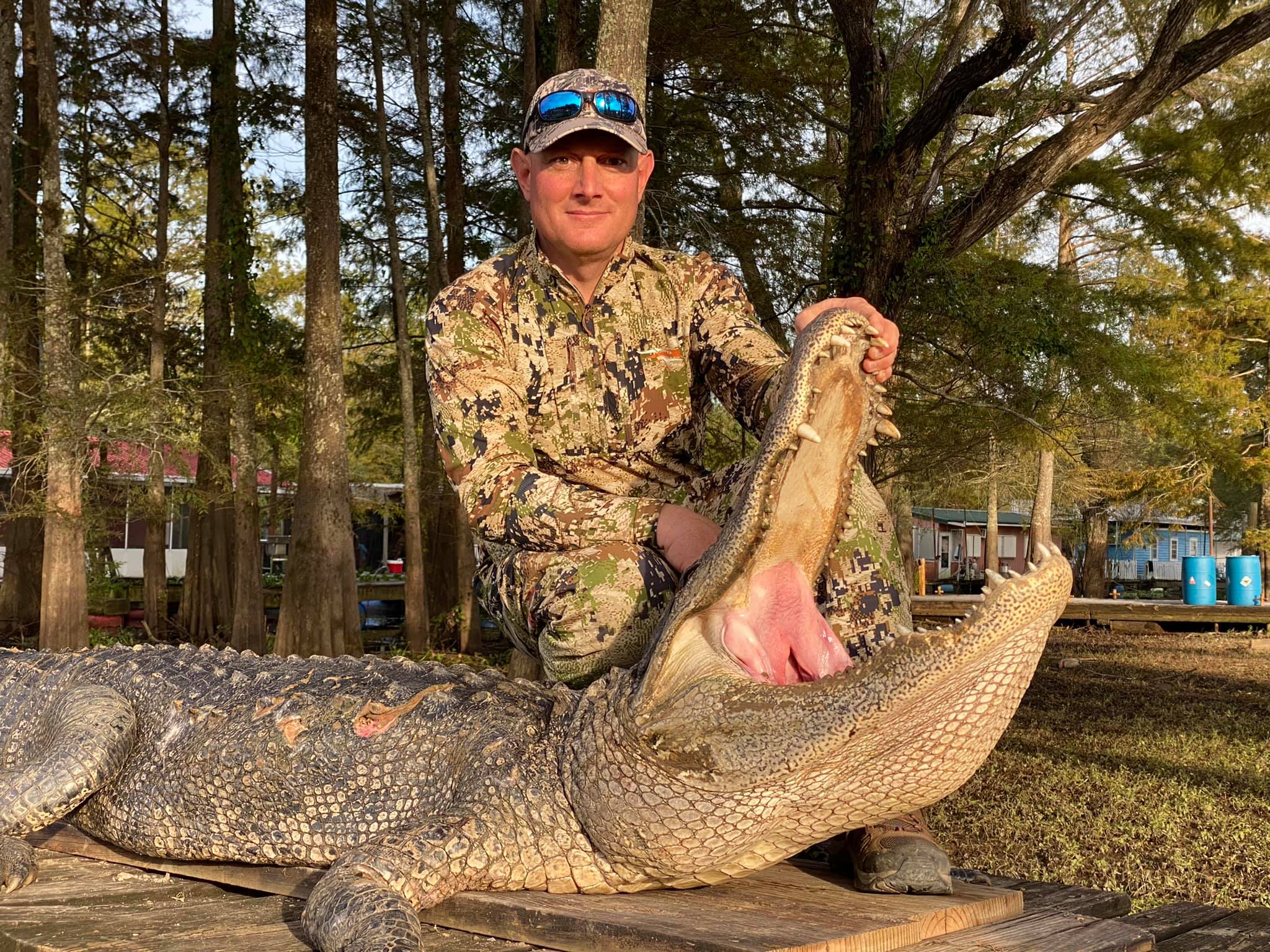
The alligator season in Louisiana is more than just a window of time for hunting; it is a celebration of the state’s complex relationship with nature. It is a period where the modern world pauses to acknowledge the ancient rhythms of the swamp. For the tourist, it offers a rare opportunity to witness a lifestyle that has remained largely unchanged for centuries.
From the culinary masterpieces in New Orleans to the wild expanses of the Atchafalaya Basin, the season provides a lens through which to view the true character of the state. It is a time of excitement, hard work, and community, set against one of the most beautiful and mysterious landscapes in the United States. Whether you are there to taste the food, see the wildlife, or simply soak in the atmosphere, the Louisiana alligator season is an experience that lingers in the memory long after the mist has cleared from the bayou.
LifeOutOfTheBox is a participant in the Amazon Services LLC Associates Program, an affiliate advertising program designed to provide a means for sites to earn advertising fees by advertising and linking to Amazon.com. Amazon, the Amazon logo, AmazonSupply, and the AmazonSupply logo are trademarks of Amazon.com, Inc. or its affiliates. As an Amazon Associate we earn affiliate commissions from qualifying purchases.