
When the devastating winds and torrential rains of Hurricane Harvey swept across the Texas coastline in August 2017, the impact was profound and far-reaching. This catastrophic storm, one of the most significant to make landfall in the United States in recent history, left an indelible mark on numerous communities, primarily along the southeastern part of the state. Understanding where Harvey made its most significant impact is crucial not only for historical perspective but also for appreciating the resilience of the affected regions and the ongoing recovery efforts.
The storm’s intensity and the sheer volume of rainfall it unleashed created a dual threat: destructive winds and widespread, historic flooding. While the initial landfall brought powerful gusts, it was the unprecedented deluge that truly defined the scope of Harvey’s devastation. This article delves into the specific areas in Texas that bore the brunt of Hurricane Harvey’s fury, exploring the geographical footprint of its impact and the cascading consequences that followed.
The Direct Path of Destruction: Coastal Landfall and Initial Impacts
Hurricane Harvey first made landfall on the Texas coast as a Category 4 hurricane on August 25, 2017. The storm’s initial point of contact set the stage for its subsequent destructive path.
Rockport and the Matagorda Peninsula: The Eye of the Storm
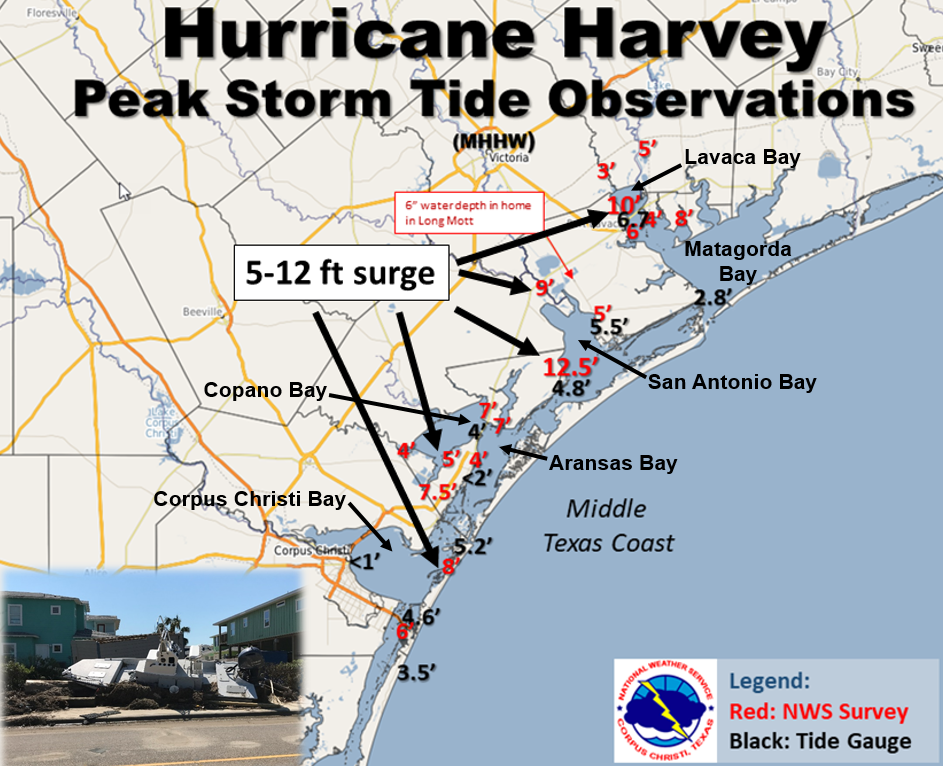
The town of Rockport, located in Aransas County, was one of the first communities to experience the direct and ferocious force of Hurricane Harvey at its peak intensity. As the eye of the storm passed directly over or very near this coastal enclave, residents endured catastrophic wind damage. Homes were ripped apart, infrastructure was severely compromised, and the very landscape was reshaped by the storm’s power. The Aransas National Wildlife Refuge, a critical habitat for various species, including the endangered Whooping Crane, also suffered significant damage to its delicate ecosystem.
Further up the coast, the Matagorda Peninsula also absorbed a substantial portion of Harvey’s initial onslaught. This stretch of coastline, characterized by its natural beauty and popular recreational areas, experienced severe storm surge and relentless winds. The delicate balance of its barrier island environment was disrupted, and communities along the peninsula faced widespread destruction.
Port Aransas and Corpus Christi: Gateway to the Gulf
Just west of Rockport, the popular tourist destination of Port Aransas was also hit hard. Known for its beaches, fishing charters, and vibrant local atmosphere, the town suffered immense damage to its hotels, vacation rentals, and local businesses. The infrastructure, including roads and utilities, was crippled, making immediate recovery a significant challenge.
The larger city of Corpus Christi, a major economic hub and a significant tourist destination on the Texas coast, was also directly in the storm’s path. While the eyewall’s most extreme winds may have tracked slightly north, Corpus Christi endured significant wind gusts, heavy rainfall, and a damaging storm surge. The city’s extensive coastline, including its popular beaches and waterfront attractions, faced the brunt of the storm’s power. Many businesses and residences along the coast sustained considerable damage, and the city’s infrastructure, including its airport and transportation networks, was temporarily paralyzed.
The Cascading Crisis: Unprecedented Rainfall and Inland Flooding
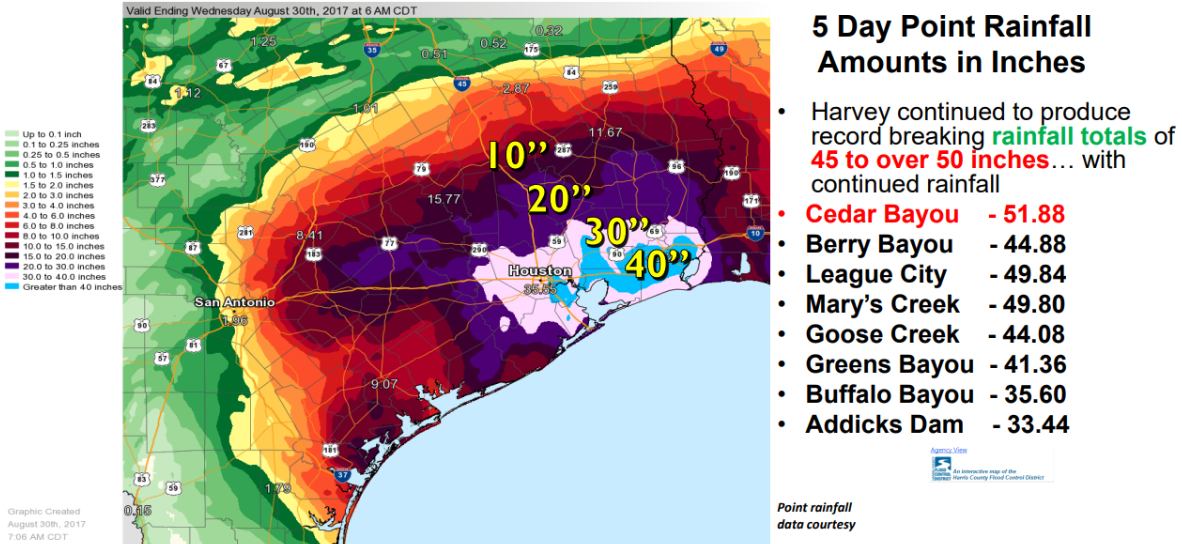
While the initial landfall of Hurricane Harvey caused immense destruction through wind and storm surge along the coast, its most devastating and widespread impact came from the incredible amount of rainfall it produced. As the storm stalled over southeastern Texas, it became a relentless rain-making machine, leading to historic flooding that inundated vast inland areas.
Houston Metropolitan Area: A City Submerged
The Houston Metropolitan Area, the fourth-largest city in the United States, became the epicenter of the catastrophic flooding caused by Hurricane Harvey. The sheer volume of rain – with some areas receiving over 50 inches – overwhelmed the city’s bayous, drainage systems, and retention ponds.
Houston: The Epicenter of Inland Flooding
The city of Houston itself experienced what many described as apocalyptic flooding. Neighborhoods across the sprawling metropolis were submerged, with water levels reaching unprecedented heights. The Buffalo Bayou, a primary waterway, overflowed its banks, inundating downtown Houston and surrounding areas. Residential areas, from the most affluent to the most vulnerable, were swamped. The George R. Brown Convention Center was famously transformed into a makeshift shelter, housing thousands of displaced residents. Many iconic landmarks and businesses in Houston faced water damage. The Museum District saw several institutions grappling with the aftermath, and the city’s extensive transportation network, including its major freeways like Interstate 10 and U.S. Route 59, became impassable rivers.
The scale of the displacement was staggering, with hundreds of thousands of homes flooded and tens of thousands of people requiring rescue from their inundated properties. The economic impact on Houston, a global center for the energy industry, was immense, with damage to refineries and petrochemical plants posing long-term environmental and economic challenges.
Sugar Land, Katy, and The Woodlands: Suburban Communities Under Siege

Beyond the core of Houston, numerous suburban communities also bore the brunt of Harvey’s relentless rainfall and subsequent flooding.
-
Sugar Land: Located southwest of Houston, Sugar Land experienced significant flooding as bayous and creeks overflowed. Many residential areas and businesses were inundated, disrupting daily life and causing substantial property damage.
-
Katy: To the west of Houston, the city of Katy was also severely affected. The Cinco Ranch community, known for its master-planned neighborhoods, faced widespread flooding, with homes and infrastructure submerged for extended periods. The Katy Independent School District experienced extensive damage to its campuses.
-
The Woodlands: North of Houston, this master-planned community also dealt with significant flooding. Water levels rose in local creeks and waterways, impacting residential areas and commercial centers.
The Brazos Valley and East Texas: Rivers Swell Beyond Capacity
The impact of Hurricane Harvey’s rainfall extended beyond the immediate Houston area, affecting regions further inland as rivers swelled to historic levels.
The Brazos River and Surrounding Areas
The Brazos River, one of the longest rivers in Texas, experienced record-breaking crests in several locations. Communities along its banks, including areas around Rosenberg, Richmond, and Sugar Land, faced severe inundation as the river overflowed its capacity. The sheer volume of water pushed into these communities, transforming streets into waterways and forcing mass evacuations. Agricultural lands along the Brazos River also suffered extensive damage, impacting the local economy.
Beaumont and Port Arthur: Repeated Flooding Challenges
Further east, cities like Beaumont and Port Arthur, which had already experienced some coastal impacts, were later hit by severe inland flooding as rivers like the Neches River rose. The Sabine River also contributed to the flooding in this region. These communities faced challenges from both storm surge and the overwhelming inland rainfall, compounding the disaster. The refineries and petrochemical facilities in this industrial corridor were also impacted, raising concerns about potential environmental hazards.
Long-Term Repercussions and Resilience
Hurricane Harvey was not just a singular event; its impact resonated for months and years afterward, highlighting the long-term challenges faced by the affected communities. The storm’s legacy is one of immense destruction but also of remarkable resilience and recovery.
Economic and Infrastructure Devastation
The economic toll of Hurricane Harvey was staggering. Billions of dollars in damage were incurred across Texas, impacting everything from individual homes and small businesses to major industrial facilities. The cost of rebuilding infrastructure – roads, bridges, power grids, and water systems – was immense. Many small businesses, particularly those along the coast and in low-lying areas, struggled to reopen, and some never did. The recovery process for these businesses and the broader economy was a long and arduous one.
Housing and Displacement
One of the most significant and visible impacts of Hurricane Harvey was the widespread displacement of residents. Hundreds of thousands of homes were damaged or destroyed, leaving families without shelter. The housing crisis created by the storm put immense pressure on temporary housing solutions and rental markets. Many residents were forced to relocate, either temporarily or permanently, disrupting their lives, careers, and children’s education. The long-term recovery efforts have been significantly focused on rebuilding housing stock and providing sustainable living solutions for those affected.
Environmental Concerns
The storm also raised significant environmental concerns. The inundation of industrial sites, particularly in the Houston and Port Arthur areas, led to the release of hazardous materials into floodwaters. Concerns about the long-term health impacts of exposure to these contaminants, as well as the damage to delicate coastal ecosystems and wetlands, persisted long after the initial floodwaters receded.
Community Resilience and Recovery Efforts
Despite the overwhelming devastation, the spirit of Texas communities shone through. Neighbors helped neighbors, volunteers from across the country descended to assist in rescue and recovery efforts, and numerous non-profit organizations worked tirelessly to provide aid. The rebuilding process, while challenging, has been a testament to the resilience of the people and the collaborative spirit of recovery. Local governments, state agencies, and federal partners worked together to address the immense needs, focusing on everything from immediate relief to long-term reconstruction and mitigation strategies to better prepare for future storms. The lessons learned from Hurricane Harvey continue to inform disaster preparedness and response efforts across the nation.
LifeOutOfTheBox is a participant in the Amazon Services LLC Associates Program, an affiliate advertising program designed to provide a means for sites to earn advertising fees by advertising and linking to Amazon.com. Amazon, the Amazon logo, AmazonSupply, and the AmazonSupply logo are trademarks of Amazon.com, Inc. or its affiliates. As an Amazon Associate we earn affiliate commissions from qualifying purchases.