
When planning a trip to the vast and breathtaking landscapes of Montana, one of the most practical considerations that often arises, especially for those considering extended stays or even relocation, is the state’s tax structure. Specifically, many prospective visitors and future residents ponder: “Does Montana have an income tax?” This is a crucial question for anyone budgeting their travel expenses or making financial plans for a longer stay in the “Big Sky Country.” Understanding Montana‘s tax policies can significantly impact your overall expenditure, influencing decisions from choosing the length of your visit to selecting your accommodation.
The allure of Montana is undeniable. From the rugged peaks of the Rocky Mountains to the sweeping plains and crystal-clear rivers, its natural beauty is a powerful draw for tourists and adventurers alike. Destinations like Glacier National Park and Yellowstone National Park (partially in Montana) attract millions annually, offering unparalleled opportunities for hiking, wildlife viewing, and simply immersing oneself in nature. Beyond the national parks, charming towns like Bozeman, Whitefish, and Missoula offer unique cultural experiences, local cuisine, and a gateway to further exploration. Whether you’re seeking a luxurious resort experience, a cozy cabin rental, or a budget-friendly apartment for a longer exploration, Montana caters to a diverse range of travel styles and accommodation needs.
However, as you delve into the logistics of your Montana adventure, the question of income tax invariably surfaces. This is particularly relevant for those who might be considering working remotely from Montana, engaging in short-term employment, or even making a significant life change to reside there. Understanding the tax implications can influence where you choose to stay, how long you plan to be in the state, and what kind of income you might be subject to taxation on. For instance, a business traveler might have different concerns than a family on a summer vacation.
Understanding Montana’s Tax Landscape
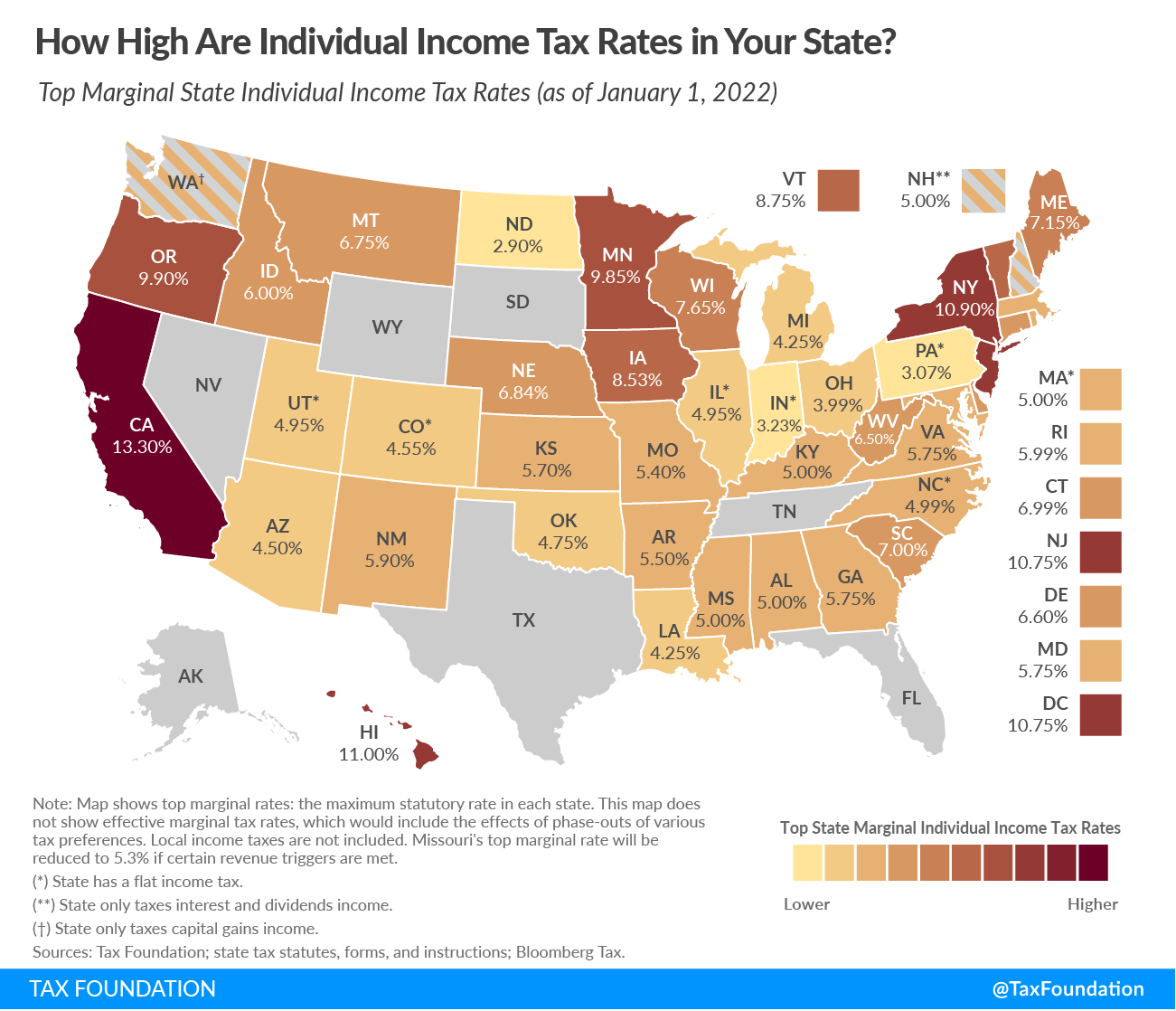
At its core, the answer to “Does Montana have an income tax?” is a resounding yes. Montana does indeed levy a state income tax on its residents and, in certain circumstances, on non-residents who earn income within the state. This is a vital piece of information for anyone planning a trip that involves earning income or for those contemplating a move.
The Nature of Montana’s Income Tax
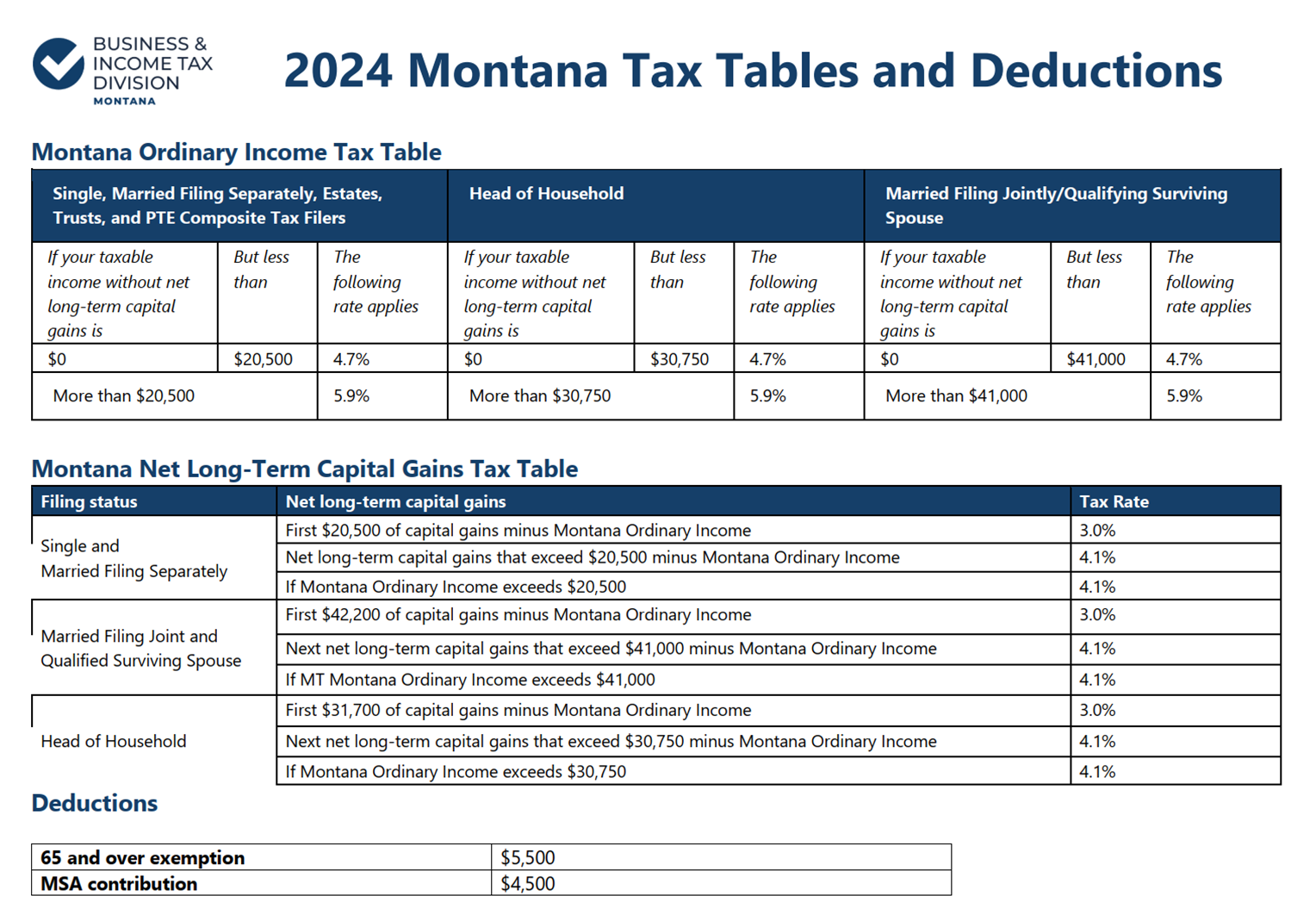
Montana operates with a progressive income tax system, meaning that the tax rate increases as your income rises. The state has established several income tax brackets, each with a corresponding tax rate. This progressive structure is designed to ensure that those with higher incomes contribute a larger proportion to state revenue. The tax rates themselves can change periodically based on legislative decisions and economic conditions, so it’s always advisable to check the most current rates when making financial plans.
For residents of Montana, their worldwide income is generally subject to state income tax. This includes wages, salaries, tips, interest, dividends, capital gains, and any other form of income. Non-residents, on the other hand, are typically only taxed on income earned from sources within Montana. This distinction is crucial for individuals who might be spending time in Montana but maintain their primary residence and income sources elsewhere. For example, a remote worker who temporarily relocates to Montana for several months to enjoy its lifestyle might need to understand how their remote earnings are treated.
Filing Requirements and Deductions
Like most states with an income tax, Montana requires individuals to file state income tax returns if their income meets certain thresholds. These thresholds are set by the state and are often tied to federal filing requirements. The Montana Department of Revenue oversees the administration of these taxes.
There are various deductions and credits available that can help reduce an individual’s taxable income or the overall tax liability. These can include deductions for dependents, medical expenses, charitable contributions, and certain business expenses. For residents considering a longer stay, understanding these potential deductions can be beneficial in planning their finances. It’s important to note that tax laws can be complex, and consulting with a tax professional is often recommended to ensure compliance and maximize any available benefits.
Impact on Travelers and Tourists
For the vast majority of tourists visiting Montana for leisure, the state’s income tax will have little to no direct impact on their trip expenses. Typical tourist activities – visiting attractions, staying in hotels, dining at local restaurants, and engaging in recreational activities like skiing or hiking – do not generate income that is subject to Montana‘s income tax.
Short-Term Stays and Leisure Travel
If you are visiting Montana for a vacation, whether it’s to explore the vast beauty of Yellowstone National Park, hike the trails near Big Sky, or enjoy the vibrant town of Red Lodge, you are unlikely to encounter any income tax obligations. Your expenses will primarily consist of travel costs, accommodation, food, and activity fees. These are subject to Montana‘s sales tax, not its income tax. The sales tax rate in Montana is famously zero percent, which is a significant draw for shoppers and a relief for travelers’ budgets. This absence of a sales tax is a major factor in Montana‘s popularity as a travel destination, allowing visitors to spend more on experiences and less on transactional taxes.
Implications for Extended Stays and Remote Work
The situation becomes more relevant for individuals planning extended stays or considering working remotely from Montana. If you spend a significant amount of time in the state and establish residency, you will likely be subject to Montana‘s income tax. Determining residency can depend on various factors, including where you primarily live, where you vote, where you have your driver’s license, and where you intend to make your permanent home.
For digital nomads or individuals working remotely who choose Montana as their temporary base, understanding the state’s tax laws is crucial. If you are considered a Montana resident for tax purposes, your remote earnings may be taxable by the state, even if your employer is based elsewhere. Conversely, if you are not considered a resident, you might still be taxed on income sourced within Montana, though remote earnings from an out-of-state employer generally wouldn’t fall into this category. It’s prudent to consult with tax authorities or a qualified tax advisor to clarify your specific situation and ensure you are compliant. This is especially true if you are considering a longer stay, perhaps renting an apartment or villa for several months in a scenic location like Whitefish or Kalispell.
Beyond Income Tax: Other Financial Considerations for Visitors
While the presence of an income tax is a key question for some, other financial aspects of visiting or living in Montana are also important to consider. These can significantly influence your budget and overall experience.
Sales Tax and Lodging Taxes
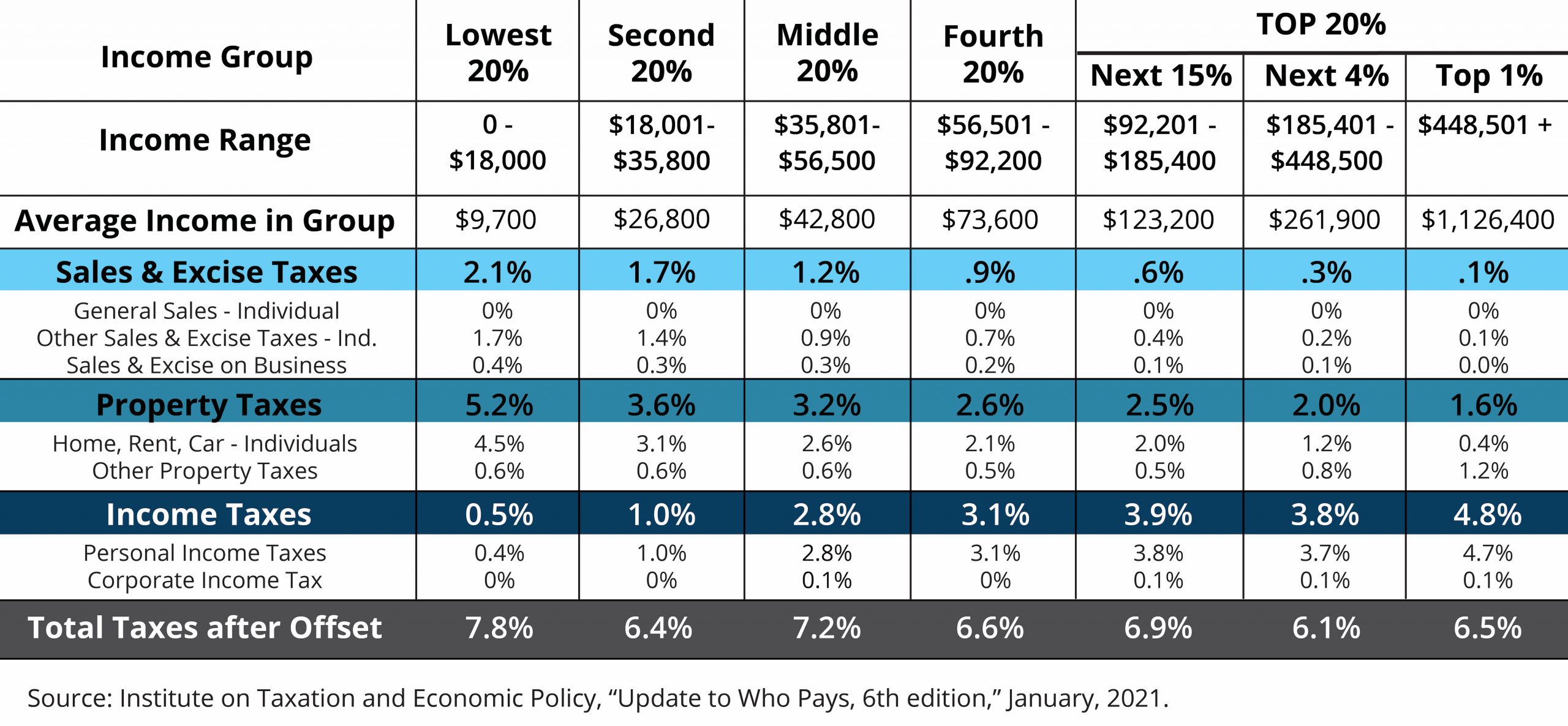
As mentioned earlier, Montana is one of the few states in the United States that does not impose a general state sales tax. This is a significant advantage for travelers, as it means the prices you see for goods and services are generally what you will pay, without an added percentage for sales tax. This makes shopping and dining out more predictable and often more affordable compared to states with higher sales tax rates.
However, it’s important to note that some local jurisdictions within Montana may impose resort taxes or lodging taxes on hotel rooms, vacation rentals, and other accommodations. These taxes are typically a small percentage and are levied to fund local tourism promotion or infrastructure. If you are booking a hotel, a suite at a resort like the Triple Creek Ranch, or an apartment for a longer stay, it’s wise to inquire about any applicable local lodging taxes. These taxes are a standard part of the hospitality industry in many tourist-dependent areas.
Property Taxes
For those considering purchasing property or engaging in long-term stays that might resemble ownership, Montana‘s property taxes are a relevant factor. Property taxes are levied at the local level (county and city) and are based on the assessed value of the property. The rates vary significantly depending on the location. While not directly an income tax, property taxes are a substantial cost of homeownership and can impact the affordability of long-term stays or relocation.
Cost of Living
The overall cost of living in Montana can vary widely depending on the specific city or region. While some rural areas might offer lower costs, popular tourist destinations and areas experiencing growth, such as Bozeman or near Big Sky Resort, can have a higher cost of living, particularly when it comes to housing. When planning your budget, consider the general cost of goods, services, and utilities in the areas you intend to visit or reside in.
In conclusion, the answer to “Does Montana have an income tax?” is affirmative. However, for the typical tourist enjoying Montana‘s unparalleled natural beauty and attractions, this tax is unlikely to be a direct concern. For those planning extended stays, remote work, or eventual residency, understanding Montana‘s progressive income tax system, filing requirements, and potential deductions is essential. Combined with the absence of a state sales tax but the potential for local lodging taxes, a clear picture of Montana‘s financial landscape emerges, allowing for informed planning of your Montana experience, whether it’s a brief escape to Flathead Lake or a more profound immersion into the Big Sky Country lifestyle.
LifeOutOfTheBox is a participant in the Amazon Services LLC Associates Program, an affiliate advertising program designed to provide a means for sites to earn advertising fees by advertising and linking to Amazon.com. Amazon, the Amazon logo, AmazonSupply, and the AmazonSupply logo are trademarks of Amazon.com, Inc. or its affiliates. As an Amazon Associate we earn affiliate commissions from qualifying purchases.