
When the vast horizons of the American West call to you, and the allure of wide-open spaces beckons, you might find yourself pondering the exact whereabouts of a charming Texan city. The question, “Where is Pampa, Texas located?” often arises for travelers planning a journey through the Lone Star State, or for those simply curious about its diverse geography. Pampa, a significant city in the Texas Panhandle, offers a unique blend of history, culture, and a distinct sense of place that resonates with visitors seeking an authentic slice of Texas life.
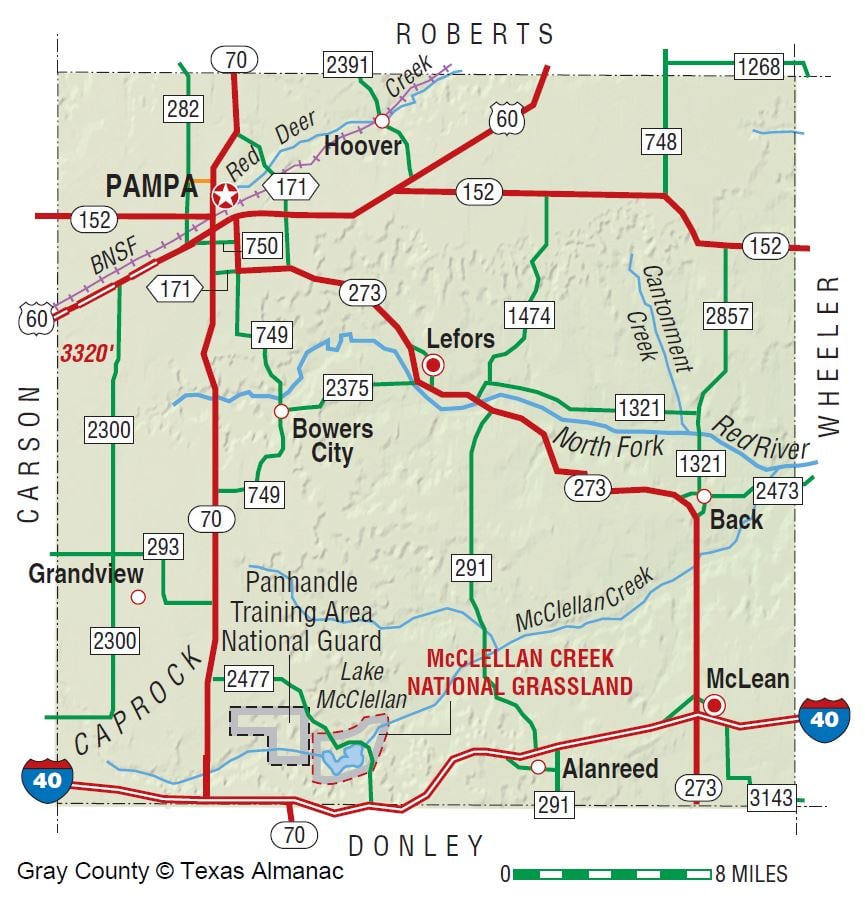
Nestled in the northern reaches of Texas, Pampa is the county seat of Gray County. Its geographical position is crucial to understanding its character and its importance within the region. The Texas Panhandle is an area known for its flat terrain, dramatic skies, and a history deeply intertwined with cattle ranching, oil, and agriculture. Pampa stands as a testament to the resilience and spirit of the people who have called this challenging yet beautiful landscape home.
Discovering Pampa’s Geographic Heart
To pinpoint Pampa’s location more precisely, let’s delve into its coordinates and its relationship with neighboring areas. Pampa is situated in the geographical center of Gray County, making it a vital hub for the surrounding communities. The city is intersected by U.S. Highway 60 and U.S. Highway 83, two major arteries that connect it to other significant cities and provide essential transportation routes.
Proximity to Major Hubs
Understanding Pampa’s proximity to larger metropolitan areas helps contextualize its accessibility. The closest major city is Amarillo, which lies approximately 60 miles to the southwest. Amarillo serves as a primary gateway to the Texas Panhandle, with a regional airport offering connections to major domestic hubs. This makes Pampa a feasible destination for those flying into Amarillo and then driving the relatively short distance to experience its charm.
Further afield, Oklahoma City, the capital of Oklahoma, is about a three-hour drive northeast. This connection offers another avenue for travelers coming from that region. To the south, cities like Lubbock in the South Plains region of Texas are several hours away, highlighting Pampa’s distinct northern Texas Panhandle identity.
The Landscape of the Panhandle
The landscape surrounding Pampa is characteristic of the high plains. Expect vast, sweeping plains, punctuated by occasional draws and rolling hills. The altitude is significant, contributing to the crisp, clean air and the dramatic sunsets that are a hallmark of this region. The natural environment here has shaped the economy and the way of life, fostering industries like cattle ranching and agriculture, which remain important to Pampa’s identity.
Pampa’s Role in the Texas Panhandle
Pampa is not merely a dot on the map; it plays a significant role in the socio-economic fabric of the Texas Panhandle. As the county seat, it houses the administrative and governmental functions for Gray County, serving as a center for commerce and services for the surrounding rural areas. The city’s economy has historically been driven by agriculture, ranching, and, notably, the oil and gas industry.
Economic Foundations
The oil and gas industry has been a cornerstone of Pampa’s economic development for decades. The discovery and extraction of oil in the Texas Panhandle transformed the region, and Pampa became a key center for these operations. While the fluctuations inherent in this industry have impacted the local economy over time, it remains a significant employer and contributor. Agriculture, particularly cattle ranching and wheat farming, also remains vital, reflecting the enduring connection to the land that defines the Texas Panhandle.
A Hub for Local Life
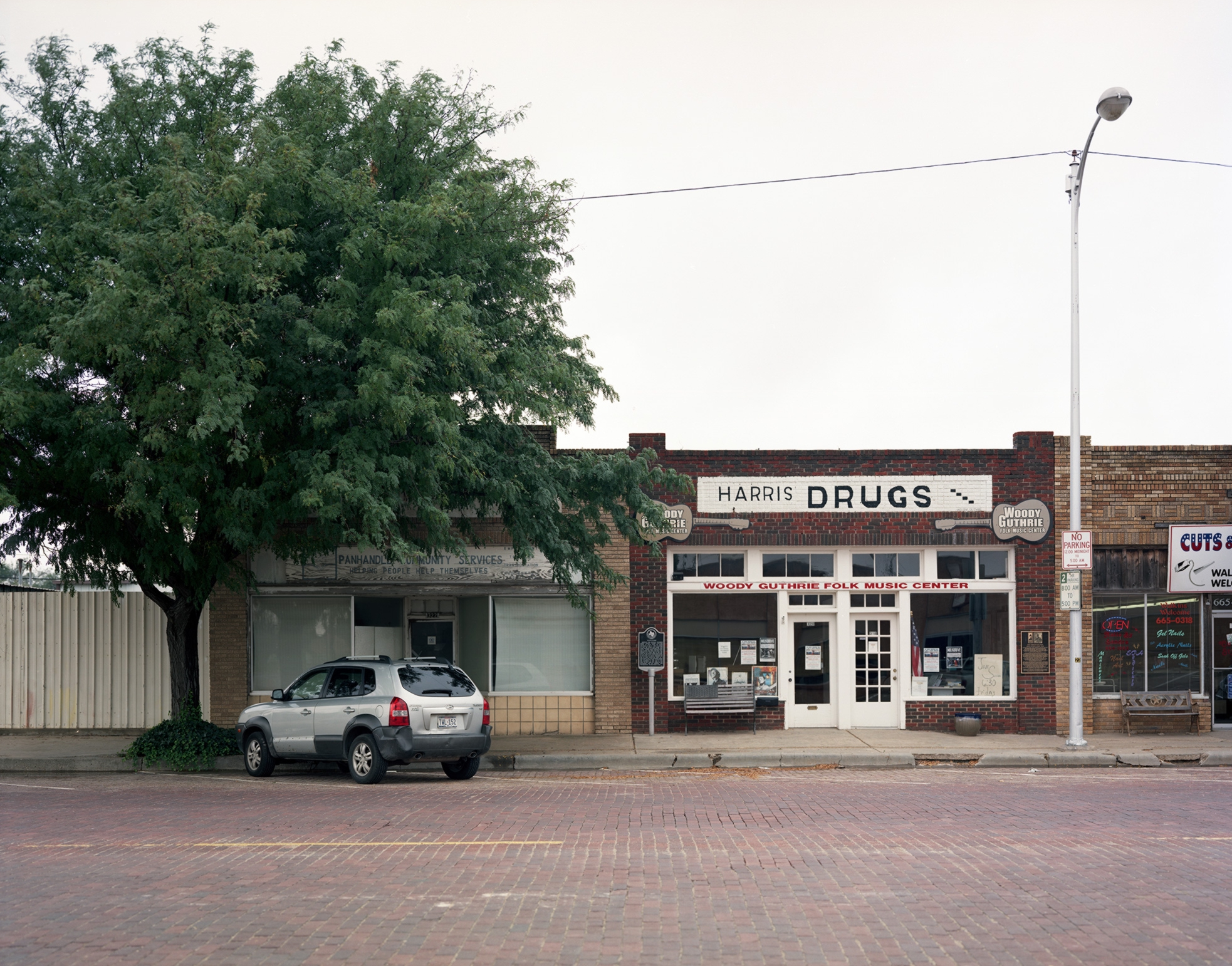
Beyond its economic significance, Pampa serves as a cultural and social hub for its residents and for those in the surrounding communities. The city offers amenities, educational institutions, and recreational opportunities that cater to a diverse population. Its local businesses, community events, and friendly atmosphere contribute to a strong sense of local pride.
Exploring Attractions and Landmarks Near Pampa
While Pampa itself offers a glimpse into Texas Panhandle life, its location also provides access to several notable attractions and landmarks that enhance any visit. These sites offer a deeper understanding of the region’s history, natural beauty, and cultural heritage.
The Importance of History and Heritage
The Texas Panhandle is rich with history, from its early days of Native American habitation to the era of the cattle drives and the oil boom. Pampa and its environs offer opportunities to connect with this past.
- Pampa Railroad Museum: Located in Pampa, this museum is dedicated to preserving the history of rail transportation in the region. For those interested in the development of the Texas Panhandle, the railroad was a critical factor in connecting this remote area to the rest of the country.
- White Deer Land Museum: Situated in Pampa, this museum offers a comprehensive look at the area’s history, including exhibits on ranching, the oil industry, and early pioneer life. It’s an excellent place to understand the challenges and triumphs of those who settled this land.
- Sanford Lake: Located a short drive from Pampa, this reservoir offers recreational opportunities such as boating, fishing, and camping. It’s a testament to how communities in arid regions like the Texas Panhandle have utilized water resources for both practical and recreational purposes.
Natural Wonders and Outdoor Experiences
The unique environment of the Texas Panhandle presents its own set of natural attractions.
- Palo Duro Canyon State Park: While not directly in Pampa, this iconic park is a must-visit for anyone exploring the Texas Panhandle. Located south of Amarillo, Palo Duro Canyon is the second-largest canyon in the United States, often referred to as the “Grand Canyon of Texas.” Its dramatic geological formations, hiking trails, and breathtaking vistas offer an unforgettable outdoor experience. Planning a trip to Pampa could easily incorporate a visit to this natural wonder.
- Caprock Canyon State Park: Further east of Pampa, this park is known for its rugged beauty, the Texas state bird (the Texas – official name, Texas cardinal), and the presence of Texas longhorns roaming freely. It provides a fantastic opportunity for hiking, wildlife viewing, and experiencing the raw, untamed beauty of the Texas Panhandle.
Planning Your Visit to Pampa, Texas
Understanding where Pampa, Texas, is located is the first step in planning an enriching travel experience. Whether you are drawn by the allure of the open range, the historical narratives of the West, or the economic dynamism of the oil and gas sector, Pampa offers a distinctive Texas experience.
Accommodation and Lifestyle
For those planning an extended stay or a comfortable visit, Pampa offers a range of accommodation options. While it may not boast the vast array of luxury resorts found in major metropolitan areas, you can find welcoming hotels, motels, and potentially longer-term rental apartments catering to various needs and budgets. The lifestyle in Pampa is rooted in the pragmatic and friendly spirit of the Texas Panhandle. It’s a place where community ties are strong, and the pace of life allows for an appreciation of the surrounding natural beauty and the simple pleasures.

Travel Tips for the Panhandle
When traveling to Pampa and the surrounding Texas Panhandle, it’s essential to be prepared for the climate. Summers can be hot, and winds are common throughout the year. Comfortable clothing, sun protection, and a reliable vehicle are advisable. Embracing the local culture, which often includes hearty Texas cuisine and a genuine warmth from the residents, will greatly enhance your visit.
In conclusion, Pampa, Texas, is strategically situated in the heart of the Texas Panhandle, serving as a vital community and a gateway to the unique landscapes and historical narratives of this captivating region. Its location, coupled with its rich heritage and the natural beauty of its surroundings, makes it a compelling destination for those seeking an authentic Texas adventure.
LifeOutOfTheBox is a participant in the Amazon Services LLC Associates Program, an affiliate advertising program designed to provide a means for sites to earn advertising fees by advertising and linking to Amazon.com. Amazon, the Amazon logo, AmazonSupply, and the AmazonSupply logo are trademarks of Amazon.com, Inc. or its affiliates. As an Amazon Associate we earn affiliate commissions from qualifying purchases.