
Understanding time zones is a foundational element of seamless travel, and for anyone planning a trip to or from California, grasping its specific temporal positioning is crucial. This vibrant state, known for its diverse landscapes, innovative industries, and iconic cities, operates on a distinct time schedule that impacts everything from flight planning to managing jet lag. Delving into California’s time difference provides invaluable insights for travelers, ensuring a smoother, more enjoyable, and better-coordinated experience.
Understanding California’s Time Zone
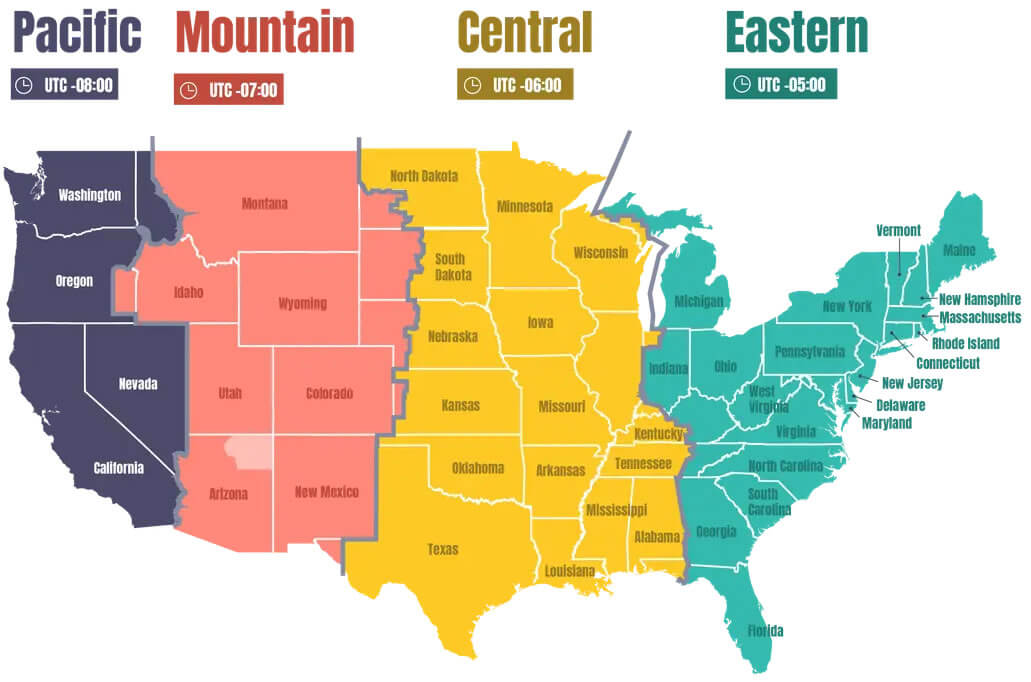
California exclusively observes the Pacific Time Zone, which shifts between Standard Time and Daylight Saving Time throughout the year. This consistent application across the entire state simplifies planning within its borders but necessitates careful consideration when interacting with other regions globally.
Pacific Standard Time (PST) and Pacific Daylight Time (PDT)
The Pacific Time Zone adheres to two primary designations:
- Pacific Standard Time (PST): This is the baseline time, observed during the fall and winter months. It is UTC-8, meaning it is eight hours behind Coordinated Universal Time.
- Pacific Daylight Time (PDT): During spring and summer, California shifts to PDT, moving clocks forward by one hour. This makes it UTC-7, or seven hours behind Coordinated Universal Time.
The transition from PST to PDT typically occurs on the second Sunday in March, when clocks “spring forward” at 2:00 AM local time. The return to PST happens on the first Sunday in November, when clocks “fall back” at 2:00 AM local time. This annual adjustment is vital for travelers to note, as it can affect arrival and departure times, as well as scheduled appointments or reservations made months in advance. For example, a flight arriving at 3:00 AM on the day daylight saving begins might effectively land an hour earlier or later than anticipated, depending on the exact timing of the clock change. Staying aware of these shifts is a hallmark of savvy travel planning.
Geographical Extent of California’s Time Zone
Every city and region within California operates on Pacific Time. This includes major metropolitan areas and popular tourist destinations such as:
- Los Angeles: Home to Hollywood and sprawling urban landscapes.
- San Francisco: Famous for the Golden Gate Bridge and its unique cultural tapestry.
- San Diego: Known for its beautiful beaches and vibrant Gaslamp Quarter.
- Sacramento: The state capital.
- Palm Springs: A desert oasis.
- National parks like Yosemite and Death Valley.
This uniformity simplifies internal travel within the state but highlights the need to account for time differences when traveling to California from other parts of the world, or when coordinating with individuals outside its borders.
Comparing California’s Time to Other Major Regions
The actual “time difference” for California is always relative to another specific location. Understanding these common differentials is key for anyone traveling for business or leisure.
East Coast of the United States
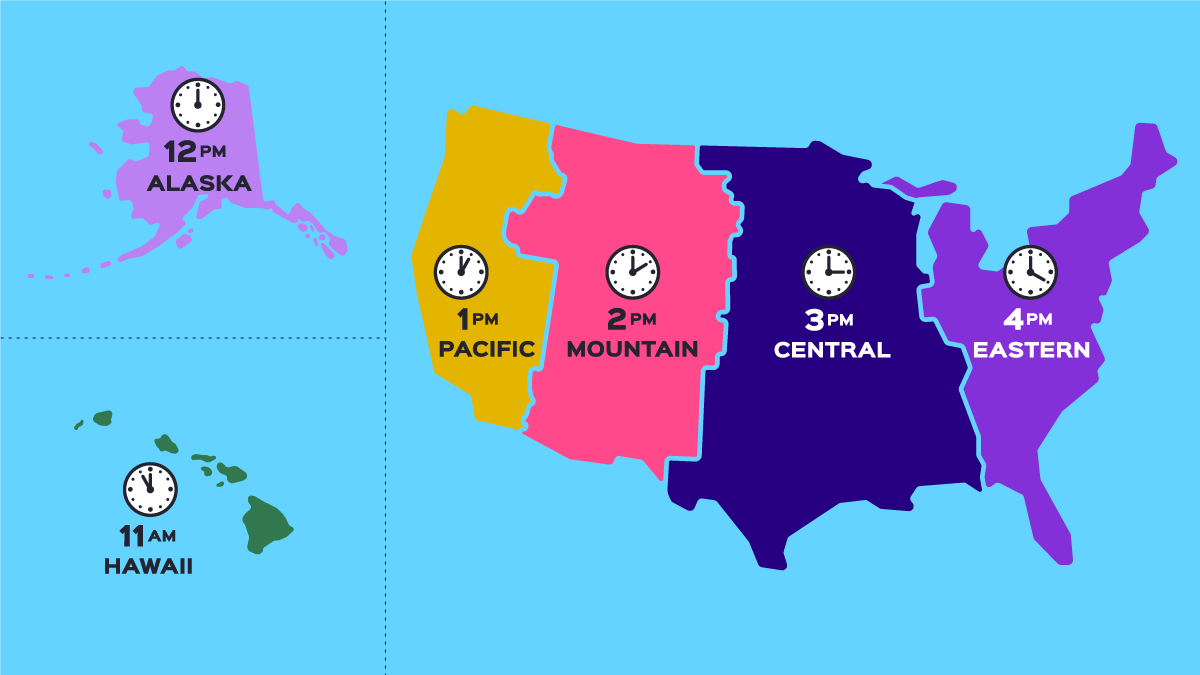
One of the most frequent comparisons is with the East Coast of the United States, which primarily observes the Eastern Time Zone (either EST or EDT).
- California is 3 hours behind the East Coast.
- For example, if it’s 12:00 PM (noon) in New York City (Eastern Time), it’s 9:00 AM in Los Angeles (Pacific Time).
This significant gap requires careful planning for business calls, family communications, and even watching live events. Travelers from the East Coast to California will “gain” three hours, potentially easing the initial adjustment, but face a more challenging return journey dealing with jet lag.
- For example, if it’s 12:00 PM (noon) in New York City (Eastern Time), it’s 9:00 AM in Los Angeles (Pacific Time).
Central and Mountain Time Zones
Moving westward across the United States, the time differences gradually decrease:
- Central Time Zone (CST/CDT): California is 2 hours behind Central Time. Cities like Chicago, Dallas, and New Orleans observe this zone.
- Mountain Time Zone (MST/MDT): California is 1 hour behind Mountain Time. This zone includes cities such as Denver, Phoenix, and Salt Lake City. (Arizona famously does not observe Daylight Saving Time, which can create temporary nuances with states that do).
These smaller differences generally mean less severe jet lag for domestic travelers but still require attention for coordinating schedules.
International Destinations
For international travelers, the time differences become much more pronounced, often spanning half a day or more:
- Europe (e.g., London, Paris, Rome): California is typically 8 or 9 hours behind major European cities. For instance, when it’s 12:00 PM (noon) in London (GMT/BST), it’s 4:00 AM or 5:00 AM in California (PDT). This significant gap means overnight flights are common, and jet lag can be considerable.
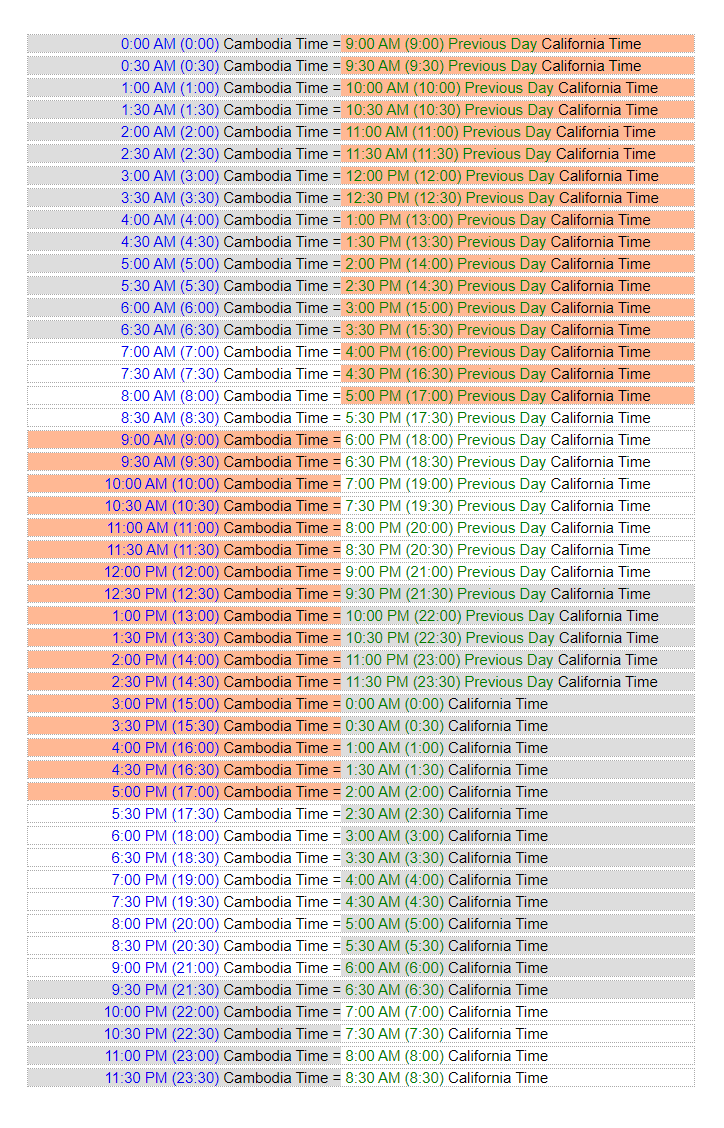
- Asia (e.g., Tokyo, Shanghai, Hong Kong): The time difference with Asia is even larger, often resulting in a full-day difference due to crossing the International Date Line. California is typically 15 to 17 hours behind many Asian cities. When it’s 12:00 PM (noon) on Tuesday in Tokyo (Japan Standard Time), it would be 8:00 PM or 9:00 PM on Monday in California. This means that travelers essentially “lose” a day when flying westward to Asia and “gain” a day when returning eastward.
- Australia and New Zealand: These countries represent some of the largest time differences. California can be 17 to 20 hours behind cities like Sydney or Auckland, again often involving a shift over the International Date Line.
These vast differences underscore the necessity of meticulous planning and preparation for international journeys to or from California.
Practical Implications for Travelers to California
Understanding California’s time zone isn’t merely an academic exercise; it has tangible effects on the practicalities of travel.
Navigating Jet Lag
Jet lag is perhaps the most immediate and noticeable impact of crossing multiple time zones.
- East-to-West Travel (e.g., from Europe to California): Travelers typically find it easier to adjust when traveling westward because the day is effectively lengthened. The body’s internal clock needs to delay, which is often less disruptive than trying to advance it.
- Tips: Try to stay awake until the local evening in California, even if you feel tired. Maximize exposure to natural light during the day to reset your circadian rhythm. Hydrate well and avoid excessive alcohol or caffeine.
- West-to-East Travel (e.g., from California to the East Coast or Europe): This direction is generally harder, as the day is shortened, requiring the body to advance its clock.
- Tips: Consider gradually shifting your sleep schedule a few days before departure. Try to sleep on the flight if possible. Once you arrive, try to embrace the local schedule immediately, even if it means feeling tired initially.
Planning Meetings and Communications
For business travelers or those needing to stay connected with friends and family, time differences can complicate communication.
- Strategies for Scheduling: When arranging calls or video conferences, always specify the time zone (e.g., “3 PM PST”). Using online world clock converters is invaluable for finding overlapping windows that are convenient for all parties. For significant time differences (e.g., with Asia or Europe), asynchronous communication (email, messaging apps) might be more practical.
- World Clock Apps: Tools like Google Calendar’s “World Clock” feature or dedicated apps on smartphones can display multiple time zones simultaneously, making coordination much simpler.
Arranging Flights and Ground Transportation
Arrival and departure times are always given in local time, but when crossing time zones, this can be misleading if not careful.
- Double-Checking Times: Always confirm your flight details, paying close attention to whether the times listed are for the departure city, arrival city, or a universal time. This is especially critical for connecting flights, where a short layover can become unmanageable if a time zone change isn’t factored in.
- Airport Transfers and Car Rentals: When booking ground transportation or picking up a rental car, consider your actual arrival time in California. An early morning arrival from the East Coast might mean you arrive feeling like it’s mid-morning, but local services might not be fully operational until later.
Maximizing Your California Trip by Understanding Time Zones
Beyond simply avoiding mishaps, a deep understanding of California’s time zone can actually enhance your travel experience.
Leveraging Early Mornings or Late Evenings
Travelers arriving from the east, particularly those crossing several time zones, often wake up very early by California time.
- Taking Advantage: Instead of fighting this, embrace it! An early start allows you to explore popular attractions like the Santa Monica Pier or Fisherman’s Wharf before the crowds descend. You can capture stunning sunrise photos, enjoy quiet walks, or simply savor a serene breakfast without the rush. Similarly, if your internal clock is still running on a later schedule, you might find yourself energized for late-night cultural events, dining, or stargazing opportunities.
- Pacing Yourself: While leveraging these shifts can be beneficial, it’s also important to pace yourself to avoid burnout. Gradually adjusting to local time is key for sustained enjoyment.
Communicating with Home
Setting clear expectations with family and friends about when you’ll be available to chat can prevent misunderstandings and unnecessary worry.
- Setting Expectations: Inform loved ones about the time difference so they know when it’s an appropriate time to call or text. For example, if you’re in California and they’re on the East Coast, their evening call might be your late afternoon.
- Asynchronous Communication: Utilize messaging apps for non-urgent updates, allowing people to respond at their convenience regardless of the time difference. This reduces stress for both the traveler and those at home.
In conclusion, the time difference between California and virtually any other location is a dynamic factor influenced by its adherence to the Pacific Time Zone and the global practice of Daylight Saving Time. For travelers, understanding these nuances is not just about knowing what time it is, but about making informed decisions that contribute to a smoother, more enjoyable, and truly immersive travel experience in the Golden State. Armed with this knowledge, your journey to California can be as stress-free and exciting as the destination itself.
LifeOutOfTheBox is a participant in the Amazon Services LLC Associates Program, an affiliate advertising program designed to provide a means for sites to earn advertising fees by advertising and linking to Amazon.com. Amazon, the Amazon logo, AmazonSupply, and the AmazonSupply logo are trademarks of Amazon.com, Inc. or its affiliates. As an Amazon Associate we earn affiliate commissions from qualifying purchases.