
When travelers look at room rates in major global hubs like New York City, London, or Tokyo, they are often met with staggering prices for even basic accommodations. However, Las Vegas presents a unique paradox. In this neon-soaked oasis in the middle of the Mojave Desert, it is entirely possible to book a room at a world-class resort for a fraction of what a budget motel would cost elsewhere. From the iconic towers of the Las Vegas Strip to the vintage charm of Fremont Street, the city’s hotel pricing strategy is a masterclass in behavioral economics and hospitality management.
The affordability of Nevada’s most famous city is not an accident; it is a calculated business model designed to maximize “per-patron” revenue rather than “per-room” revenue. Understanding why these hotels are so cheap requires a deep dive into the evolution of the mega-resort, the psychology of the “loss leader,” and the hidden costs that balance the books behind the scenes.
The Loss Leader Strategy: Rooms as a Gateway to Gaming
The most fundamental reason why hotels in Las Vegas are inexpensive is the “loss leader” strategy. In retail, a loss leader is a product sold at a price below its market cost to stimulate other sales of more profitable goods or services. In the context of a Las Vegas resort, the hotel room is the loss leader, and the casino floor is the profit engine.
The Casino Revenue Engine
For legendary properties like Caesars Palace or the MGM Grand, the objective is simply to get people through the front door. Once a guest is inside the building, the likelihood of them spending money on slot machines, blackjack tables, or sports betting increases exponentially. Historically, the gaming floor accounted for the vast majority of a resort’s revenue. By offering a room at Excalibur or Luxor for $40 a night, the operator is essentially subsidizing the guest’s stay in the hope that they will lose several hundred dollars in the casino.
The Psychology of the “Comp” Culture
The culture of “comps” (complimentary items) is deeply ingrained in the United States gambling industry. For decades, players were rewarded with free rooms, meals, and show tickets based on their level of play. While the modern era has become more data-driven, the underlying principle remains: the room is seen as a secondary commodity. Even if a guest isn’t a “high roller,” the tiered loyalty programs managed by MGM Resorts International and Caesars Entertainment ensure that rooms stay occupied, creating a vibrant, high-energy atmosphere that encourages spending across all demographics.
Ancillary Revenue: Where the Real Money is Made
While the initial room rate might look like a bargain, the modern Las Vegas business model has shifted. In recent years, non-gaming revenue—comprising dining, entertainment, and fees—has actually overtaken gaming revenue at many major resorts. This shift explains why a hotel can afford to offer a “cheap” room while still posting record-breaking profits.
The Rise of the Resort Fee
If you have ever booked a room at the Bellagio or The Venetian for $150, you likely noticed that the final bill was significantly higher. This is due to the mandatory “resort fee.” These fees, which can range from $30 to $50 per night plus tax, cover amenities like Wi-Fi, fitness center access, and local calls. By separating these costs from the base room rate, hotels can appear higher in search results on travel booking sites, maintaining the illusion of a bargain while securing a guaranteed revenue stream that isn’t subject to the same fluctuations as gambling.

High-Margin Amenities and Gastronomy
Las Vegas has evolved into a global culinary capital. Hotels now partner with celebrity chefs to open outposts of famous restaurants, such as Gordon Ramsay Hell’s Kitchen or Joël Robuchon. The margins on a $20 cocktail at The Chandelier bar inside The Cosmopolitan of Las Vegas or a $100 steak dinner are significantly higher than the margins on a hotel room. Additionally, world-class entertainment like Cirque du Soleil and residencies at Planet Hollywood Resort & Casino ensure that guests spend their “saved” room money within the resort’s ecosystem.
Supply, Demand, and the Economics of Scale
The sheer volume of rooms in Las Vegas is staggering. Unlike cities like San Francisco or Boston, where hotel inventory is limited, Las Vegas is home to some of the largest hotels in the world. This massive supply keeps prices competitive and allows for extreme price flexibility.
The Massive Room Inventory
The Las Vegas Strip alone boasts over 150,000 hotel rooms. When a single property like Wynn Las Vegas or Mandalay Bay has thousands of rooms to fill every single night, the pressure to maintain high occupancy rates is immense. An empty room is a total loss, as an absent guest cannot gamble, eat, or shop. Consequently, hotels will drop prices to “heads-in-beds” levels during slow periods to ensure the rest of the resort remains populated.
Dynamic Pricing and the Mid-Week Slump
Pricing in Las Vegas is incredibly volatile. A room at Paris Las Vegas might cost $60 on a Tuesday but jump to $400 on a Saturday night when a major fight or music festival is in town. By keeping mid-week prices low, the city attracts a steady stream of retirees, budget travelers, and “digital nomads” who provide a baseline of revenue. The weekends and major conventions, like CES or the SEMA Show, are when the hotels recoup their margins.
Competition and the Diversification of the Guest Experience
Las Vegas does not exist in a vacuum. It competes for tourist dollars with other gambling destinations like Atlantic City and Macau, as well as general vacation spots like Orlando or Cabo San Lucas. To maintain its status as the “Entertainment Capital of the World,” the city must remain accessible.
Market Segmentation
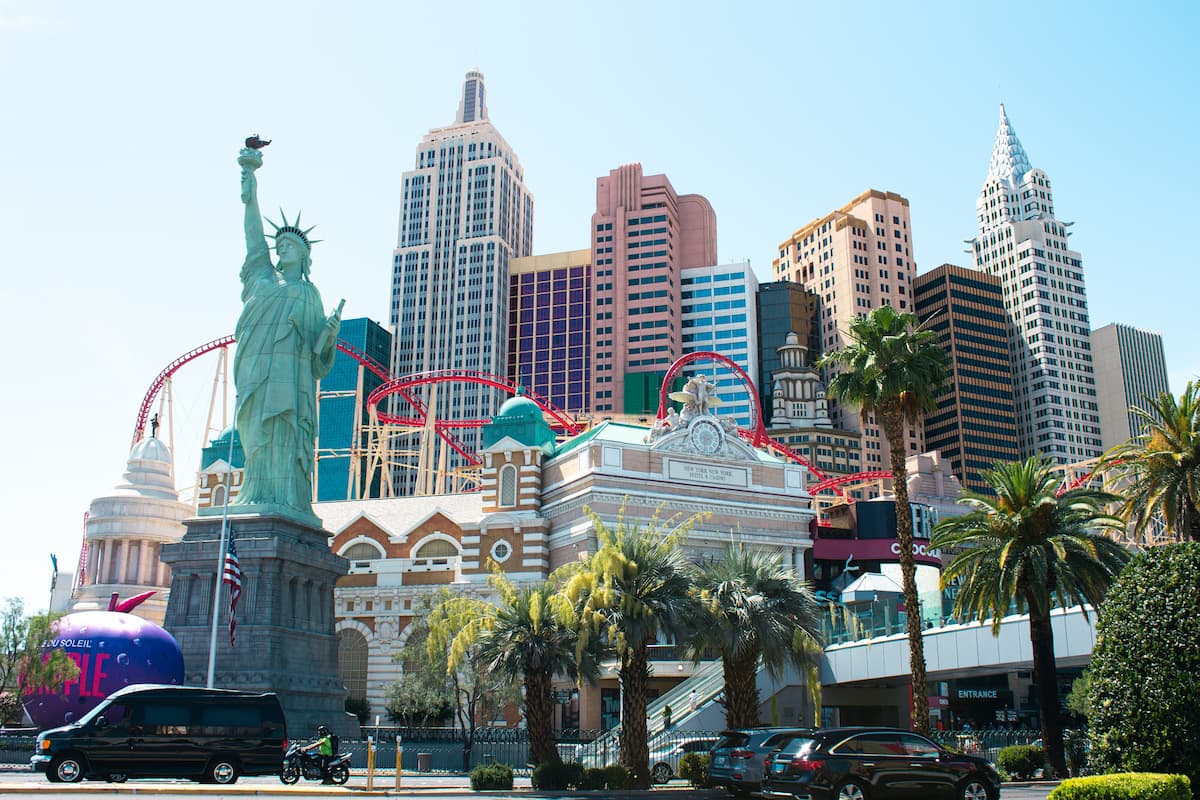
The hotel market in Las Vegas is expertly segmented. At the lower end, properties like Circus Circus and Flamingo Las Vegas cater to families and value-seekers. In the middle, you have the themed experiences of New York-New York Hotel & Casino. At the top tier, Encore at Wynn Las Vegas and Aria Resort & Casino offer luxury that rivals Dubai or Paris. Because there is so much internal competition, even the luxury resorts must keep their prices somewhat tethered to the reality of the Las Vegas market, preventing the astronomical rates seen in other metropolitan areas.

The Role of Infrastructure and Accessibility
Proximity to Harry Reid International Airport makes Las Vegas one of the easiest cities to visit. The ease of transport, combined with the concentration of hotels, creates a high-velocity tourism economy. The goal is a high volume of visitors with a high turnover rate. By keeping hotel prices low, Las Vegas ensures a constant influx of new “players” from across the United States and the world, sustaining a business model that has proven resilient even through economic downturns.
In conclusion, the reason Las Vegas hotels are so cheap is that the room itself is rarely the end goal for the hotelier. It is a lure—a beautifully designed, comfortable, and affordable invitation to experience the myriad of other ways the city can separate a guest from their money. Whether it is through the clinking of slot machines, the spectacle of a world-class show, or the mandatory resort fee, the “cheap” room is merely the first chapter in a very profitable story for the city’s massive hospitality industry.
LifeOutOfTheBox is a participant in the Amazon Services LLC Associates Program, an affiliate advertising program designed to provide a means for sites to earn advertising fees by advertising and linking to Amazon.com. Amazon, the Amazon logo, AmazonSupply, and the AmazonSupply logo are trademarks of Amazon.com, Inc. or its affiliates. As an Amazon Associate we earn affiliate commissions from qualifying purchases.