
Navigating the administrative landscape of a new state can often feel like a complex journey, and obtaining a driver’s license is frequently one of the first crucial steps for anyone looking to establish roots or a long-term presence. For those settling in the vast and vibrant state of Texas, understanding the process to secure a Texas driver’s license is paramount to ensuring independence, mobility, and full participation in daily life. This guide is crafted to demystify the requirements and procedures, offering an insightful, step-by-step walkthrough for new residents, international visitors, and young drivers alike, firmly rooted in the lifestyle considerations of living in the Lone Star State.
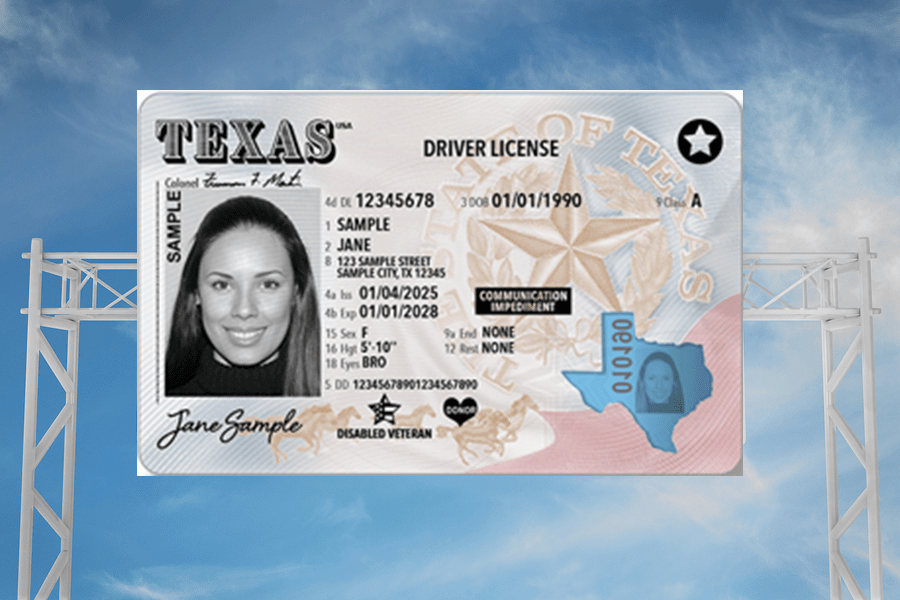
Understanding the Texas Driver’s License Requirement
The decision to apply for a Texas driver’s license is often driven by a change in residency or an extended stay that necessitates legal driving privileges. It’s more than just a piece of plastic; it’s a key document for identification, proof of address, and, most importantly, the legal authorization to operate a motor vehicle on Texas roads. For many, it represents a significant milestone in adopting a new lifestyle in this dynamic state.
Who Needs a Texas Driver’s License?
Generally, if you are a new resident of Texas and plan to reside here permanently, you are required to obtain a Texas driver’s license. The state provides a grace period, typically 90 days, for new residents to surrender their out-of-state license and apply for a Texas one. This timeframe is crucial for ensuring continuous legal driving privileges. Furthermore, individuals who do not possess a valid driver’s license from another U.S. state or territory, and who intend to drive, must apply for an original Texas driver’s license. This applies equally to individuals from other countries who meet the residency requirements and wish to drive legally within the state. From bustling urban centers like Houston and Dallas to the sprawling rural landscapes, a Texas driver’s license is an essential component of an integrated lifestyle.
Types of Driver’s Licenses
Texas offers various types of driver’s licenses, each tailored to specific driving needs and age groups. The most common is the Class C driver’s license, which permits the operation of standard passenger vehicles, light trucks, and vans. For those needing to operate motorcycles, a Class M license is required, often as an endorsement on a Class C license. Commercial Driver’s Licenses (CDLs) are necessary for individuals who drive commercial motor vehicles, such as large trucks and buses, and are categorized into Classes A, B, and C with various endorsements. Understanding which license category applies to your specific driving needs is the first step in a successful application process, ensuring that your lifestyle choices are adequately supported by the correct legal documentation.
The Application Process: Step-by-Step
Obtaining a Texas driver’s license involves a structured application process managed by the Texas Department of Public Safety (DPS). Being well-prepared and organized can significantly streamline this experience, turning a potentially daunting task into a manageable one. The process, while requiring attention to detail, is designed to ensure that all drivers on Texas roads are qualified and properly documented, contributing to the safety and order of public life.
Gathering Required Documents
Before even setting foot in a DPS office, the most critical step is to gather all necessary documentation. The DPS adheres to strict requirements to verify identity, residency, and legal presence in the United States. You will need:
- Proof of Identity: This typically includes a valid passport, U.S. birth certificate, or a permanent resident card. The DPS website provides a comprehensive list of acceptable primary and secondary identity documents.
- Proof of U.S. Citizenship or Lawful Presence: For non-citizens, this might involve an unexpired foreign passport with a visa, I-94 card, or other immigration documents.
- Proof of Texas Residency: Two different documents showing your name and current Texas residential address are required. Examples include utility bills, a current lease agreement, or a voter registration card.
- Social Security Number (SSN) or Affidavit: You must provide your Social Security Administration card or other acceptable proof of your Social Security Administration number. If you are not eligible for an Social Security Administration number, an affidavit affirming this may be required.
- Proof of Vehicle Registration and Insurance: If you plan to take a driving test, you’ll need proof of current Texas vehicle registration and liability insurance for the vehicle you’ll be using.
- Verification of Enrollment and Attendance (VOE): For applicants under 18, proof of school enrollment and attendance is required.
Carefully reviewing the DPS website for the most current list of acceptable documents is highly recommended, as requirements can sometimes change. Having all documents ready and organized prevents delays and ensures a smoother application experience.
Scheduling Your Appointment
While walk-ins are sometimes accommodated, the DPS strongly encourages applicants to schedule an appointment online. This significantly reduces wait times and allows you to plan your day effectively. The online scheduling system lets you select your preferred DPS office and an available time slot. Given the population centers of Austin, San Antonio, and El Paso, appointment availability can vary, so it’s advisable to book well in advance, especially during peak seasons. A scheduled appointment is a hallmark of efficient planning in a bustling lifestyle.
The Application at the DPS Office
On the day of your appointment, arrive early with all your prepared documents. You will fill out a driver’s license application form (DL-14A), which is also available online for completion in advance. During this stage, a DPS representative will review your documents, verify your identity, and ensure you meet all eligibility criteria. You will also have your photo taken for the license and provide fingerprints. This is also when you pay the application fee, which varies depending on the type and term of the license. This structured process is designed to be thorough, ensuring all legal requirements are met for the issuance of a secure Texas driver’s license.
What to Expect at the DPS Office
Beyond the initial paperwork, the application for a Texas driver’s license typically involves several assessments designed to ensure you possess the knowledge and skills necessary to drive safely. These include a written test, a vision exam, and potentially a driving test.
Written Test

The written test, often referred to as the knowledge test, assesses your understanding of Texas traffic laws and road signs. This multiple-choice exam is derived from the Texas Driver Handbook, which is freely available online and at DPS offices. Thorough study of this handbook is essential for success. Many online resources and practice tests are also available to help applicants prepare. Passing this test demonstrates your foundational knowledge of safe driving practices within the Texas legal framework.
Vision Exam
A mandatory vision exam is conducted to ensure your eyesight meets the minimum standards for safe driving. This simple test involves reading letters or numbers on an eye chart. If you wear glasses or contact lenses, be sure to bring them and wear them during the exam, as you will be tested with your corrective lenses. Should your vision not meet the required standards, you might be referred to an eye care professional for further evaluation or corrective measures.
Driving Test
If you are a new driver or transferring a license from a foreign country, you will likely need to take a driving test, also known as a road test. Applicants transferring a valid license from another U.S. state or territory are typically exempt from this test. For the driving test, you must provide a safe, insured, and registered vehicle. The test assesses your ability to safely operate a vehicle, follow traffic laws, and perform basic maneuvers such such as parallel parking, lane changes, and turns. An examiner will accompany you, providing instructions and evaluating your performance. This practical assessment is the final hurdle to proving your readiness for the responsibilities of driving in Texas.
Specific Scenarios and Considerations
The process for obtaining a Texas driver’s license can have slight variations depending on an individual’s specific circumstances, whether they are a new resident, an international driver, or a teen navigating graduated licensing rules.
New Residents Moving to Texas
For individuals moving to Texas from another U.S. state or territory, the process is generally streamlined. If you hold a valid, unexpired driver’s license from your previous state, you typically won’t need to take the written or driving tests. You will still need to complete the application, provide proof of identity, U.S. citizenship/lawful presence, Texas residency, and your Social Security Administration number, and surrender your out-of-state license. This straightforward transfer ensures a smooth transition for your driving privileges as you integrate into your new Texas lifestyle.
International Drivers
International drivers represent a more complex scenario. If you are a visitor with a valid driver’s license from your home country, you may drive in Texas for up to one year, provided your license is accompanied by an International Driving Permit (IDP) or a certified English translation. However, if you become a Texas resident (e.g., by securing employment, enrolling in a long-term educational program, or obtaining specific visas), you will be required to obtain a Texas driver’s license. This process for international applicants often includes both the written and driving tests, in addition to providing specific immigration documents as proof of lawful presence. It’s a critical step for international residents to fully engage in the independent lifestyle that driving in Texas affords.
Teen Drivers and Graduated Driver Licensing
Texas operates a Graduated Driver Licensing (GDL) program for drivers under the age of 18, designed to gradually introduce driving privileges and responsibilities. The program typically involves three stages:
- Learner License (Instruction Permit): Obtained at age 15, allowing the teen to drive only with a licensed adult (21 or older) in the passenger seat. Requires completion of a driver education course.
- Provisional License: After holding a learner license for at least six months, being 16 years old, and completing driver education and a driving test, teens can apply for a provisional license. This license comes with certain restrictions, such as limits on the number of passengers and nighttime driving.
- Full Driver’s License: Teens are eligible for a full, unrestricted Class C license once they turn 18, or upon completion of the provisional license restrictions, whichever comes later.
This structured approach helps young drivers develop essential skills and experience in a controlled environment, fostering responsible driving habits from an early age, which is crucial for a safe and independent lifestyle as they mature.
Maintaining Your Texas Driver’s License
Once you have successfully obtained your Texas driver’s license, understanding how to maintain its validity and accuracy is just as important as the initial application process. This ensures continued compliance with state laws and uninterrupted driving privileges.
Renewals
Texas driver’s licenses are typically valid for six years for individuals aged 18-84. The DPS sends renewal notices to the address on file, but it is ultimately the driver’s responsibility to renew their license before it expires. Renewals can often be completed online, by mail, or in person, depending on your eligibility and whether changes to your license are required. An updated photo and a vision exam may be necessary for in-person renewals. For those 85 and older, licenses are renewed every two years. Keeping your license current is a simple but vital aspect of a responsible driving lifestyle.

Changes of Address or Name
It is legally required to update your driver’s license with the DPS within 30 days of a change in your legal name or residential address. An address change can often be processed online or by mail, resulting in a new card being mailed to your updated address. For a name change, you will need to visit a DPS office in person, providing documentation such as a marriage certificate or court order to verify the change. These updates ensure that state records are accurate and that you receive important communications, like renewal notices, safeguarding your ability to drive legally in Texas.
Obtaining a Texas driver’s license is a fundamental step for anyone looking to truly experience and engage with the lifestyle opportunities this expansive state offers. By diligently following these steps and understanding the requirements, you can navigate the process efficiently and confidently, paving the way for countless journeys across the diverse landscapes of Texas.
LifeOutOfTheBox is a participant in the Amazon Services LLC Associates Program, an affiliate advertising program designed to provide a means for sites to earn advertising fees by advertising and linking to Amazon.com. Amazon, the Amazon logo, AmazonSupply, and the AmazonSupply logo are trademarks of Amazon.com, Inc. or its affiliates. As an Amazon Associate we earn affiliate commissions from qualifying purchases.