
Understanding healthcare access is a cornerstone of responsible lifestyle planning, particularly for those who call Florida home or are considering an extended stay in the Sunshine State. For many, Medicaid represents a vital safety net, offering comprehensive health coverage that can significantly impact financial stability and overall well-being. Knowing the income limits for Medicaid in Florida isn’t just about statistics; it’s about safeguarding your lifestyle, ensuring peace of mind, and securing access to essential medical care without overwhelming financial strain. This guide delves into the specifics of Florida’s Medicaid program, framing it within the broader context of maintaining a healthy, secure, and enjoyable lifestyle in one of America’s most popular states.
Understanding Medicaid’s Role in a Florida Lifestyle
Healthcare isn’t merely a commodity; it’s a fundamental aspect of life that directly influences one’s ability to pursue their desired lifestyle. In a state as dynamic and diverse as Florida, where lifestyles range from vibrant urban living in Miami to tranquil retirement communities in Naples, having reliable health coverage like Medicaid is indispensable.
Healthcare as a Core Lifestyle Pillar
Imagine planning your dream retirement in Sarasota, enjoying the beaches of St. Petersburg, or raising a family near Orlando‘s attractions. These lifestyle choices inherently come with the need for accessible healthcare. Unexpected illness or injury can disrupt even the most carefully planned life. Medicaid provides a crucial layer of protection, ensuring that medical needs don’t derail your financial plans or quality of life. For long-term residents, snowbirds, or individuals contemplating a move to Florida, understanding healthcare options is as critical as researching housing or local amenities. It enables individuals to live actively, engage with their communities, and enjoy all that Florida has to offer, from its natural parks to its bustling cities, knowing their health needs are covered.
Financial Security and Peace of Mind
One of the most significant lifestyle benefits of Medicaid is the financial security it offers. Medical bills, especially for chronic conditions or emergencies, can quickly accumulate, leading to severe financial distress. For individuals and families on a limited income, these costs can be catastrophic, forcing difficult choices between essential medical care and other necessities. Medicaid significantly reduces or eliminates out-of-pocket expenses for doctor visits, hospital stays, prescription medications, and other services. This financial relief allows individuals and families to allocate their resources to other aspects of their lifestyle, such as education, recreation, or saving for future goals. The peace of mind that comes with knowing you have healthcare coverage is invaluable, freeing you from constant worry about potential medical costs and allowing you to fully embrace and enjoy your chosen lifestyle in Florida.
Who Benefits Most?
While Medicaid aims to provide health coverage to low-income individuals and families, certain demographics in Florida particularly benefit from the program. These include:
- Low-income families: Parents and caretaker relatives who meet specific income requirements.
- Pregnant women: Essential for ensuring healthy pregnancies and births.
- Children and infants: Crucial for early development and preventative care.
- Seniors: Especially those needing long-term care services, which can be astronomically expensive.
- Individuals with disabilities: Providing access to necessary medical treatments and support services.
For these groups, Medicaid is not just health insurance; it’s a lifeline that enables them to maintain their health, dignity, and ability to participate actively in the Florida lifestyle.
Navigating Florida’s Medicaid Eligibility Requirements
Florida’s Medicaid program operates under specific federal and state guidelines, with eligibility primarily determined by income relative to the Federal Poverty Level (FPL). Unlike many states, Florida did not expand its Medicaid program under the Affordable Care Act, which means its eligibility criteria can be stricter for certain adult groups. Understanding these nuances is critical for accurate lifestyle planning.
General Income Guidelines
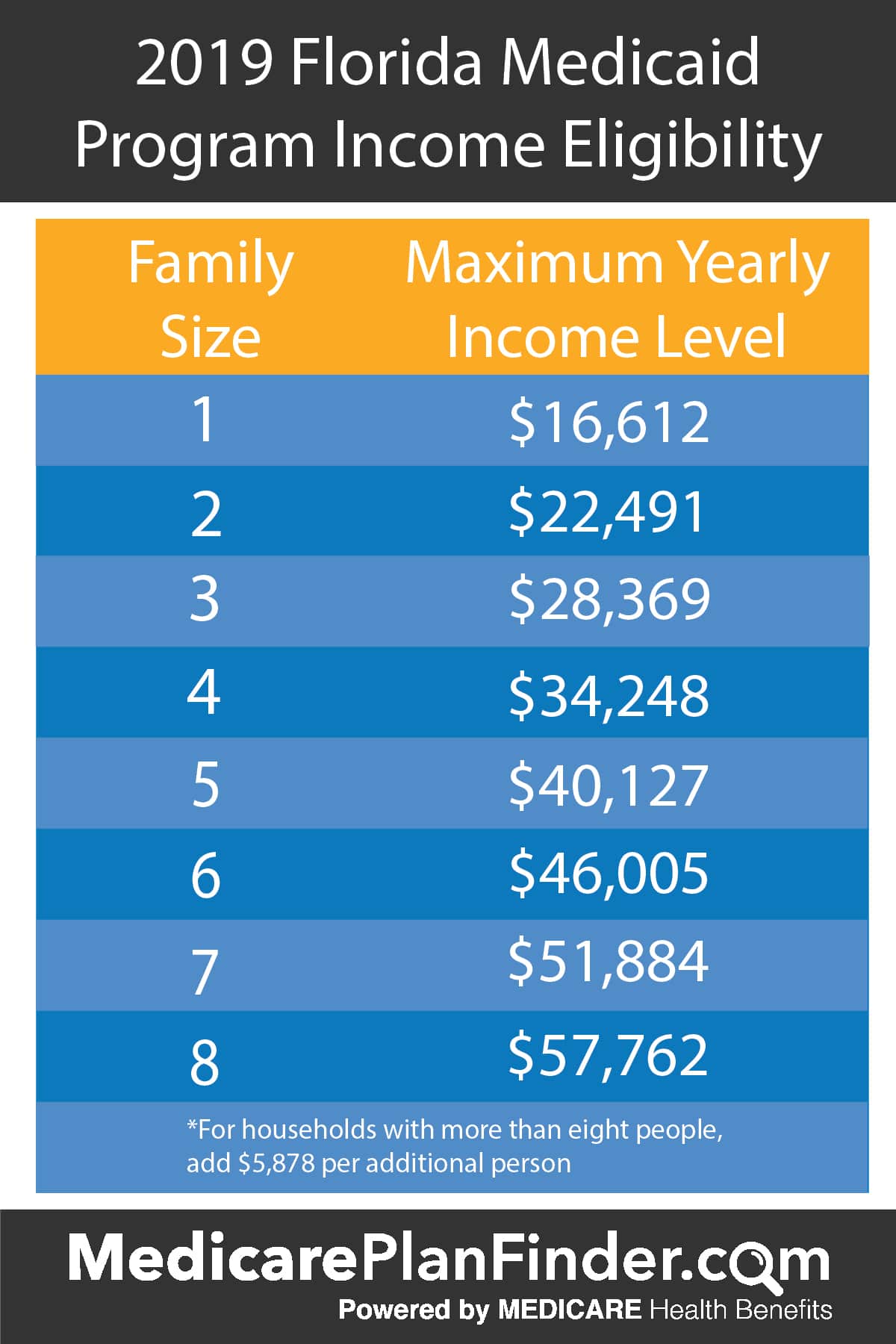
The income limits for Medicaid in Florida vary significantly based on the applicant’s category and household size. These limits are typically expressed as a percentage of the Federal Poverty Level. For instance, common categories and their approximate income thresholds (subject to change annually and based on federal guidelines) include:
- Pregnant Women: Often eligible up to 191% of the FPL. This ensures critical prenatal and postnatal care, supporting the health of both mother and child, a key component of family lifestyle planning.
- Infants (under 1 year old): Typically eligible up to 191% of the FPL.
- Children (ages 1-5): Often eligible up to 133% of the FPL.
- Children (ages 6-18): Generally eligible up to 133% of the FPL.
- Parents/Caretaker Relatives: Eligibility is typically much lower, often around 30-31% of the FPL. This is where Florida’s non-expansion of Medicaid is most evident, leaving a significant coverage gap for low-income adults without children or those whose income slightly exceeds this very low threshold.
- Elderly and Persons with Disabilities: Eligibility for these groups can be more complex, often involving different income limits (e.g., 88% or 100% of FPL) and programs like the Medically Needy Program, which allows individuals to “spend down” their income to qualify if their medical expenses are high.
It’s imperative to consult the most current FPL guidelines and Florida’s specific program details, as these figures are updated annually.
Asset Limits and Other Considerations
For some Medicaid categories, particularly those for the elderly and individuals with disabilities, asset limits also come into play. This means that not only your income but also the value of your countable assets (e.g., bank accounts, investments, certain properties) will be considered. For instance, the asset limit for an individual applying for long-term care Medicaid in Florida is typically around $2,000 (though there are exceptions for a primary residence, one vehicle, and certain other assets). For married couples, different rules apply regarding spousal impoverishment protections.
Beyond income and assets, applicants must also meet other non-financial criteria, including:
- Residency: Must be a resident of Florida.
- Citizenship/Immigration Status: Must be a U.S. citizen or a qualified non-citizen.
- Need for Medical Services: Must demonstrate a need for medical assistance.

Understanding these multifaceted criteria is essential for anyone integrating health planning into their broader lifestyle strategy in Florida.
The Role of Household Size
The number of individuals in your household is a critical factor in determining your Medicaid income limit. As your household size increases, the corresponding FPL percentage translates to a higher dollar amount, thus raising the income threshold for eligibility. For example, a single pregnant woman will have a different income limit than a pregnant woman with two other children. This sliding scale is designed to account for the increased financial needs of larger families, ensuring that the program remains accessible to those who need it most for their family’s lifestyle. When assessing eligibility, always consider your entire household and their respective income contributions.
Specific Programs and Their Lifestyle Implications
Florida Medicaid encompasses several distinct programs, each designed to serve specific populations with particular health and lifestyle needs. Recognizing these programs helps tailor your approach to healthcare planning.
Medicaid for Families and Children
This program is foundational for many low-income families in Florida. By covering healthcare costs for eligible parents, caretaker relatives, and their children, it enables families to maintain a healthier lifestyle. Parents can focus on their children’s upbringing, education, and shared experiences without the constant stress of potential medical debt. This support frees up financial resources that can be used for enhancing family life, whether it’s through educational materials, recreational activities, or even modest family trips within Florida to places like Busch Gardens or the Kennedy Space Center Visitor Complex. It directly contributes to the stability and well-being of the family unit, which is a core aspect of lifestyle.
Medicaid for Pregnant Women
A healthy pregnancy is paramount for a healthy start to a child’s life and the well-being of the entire family. Florida’s Medicaid for pregnant women ensures access to vital prenatal care, delivery services, and postpartum care. This support system is critical for new and expecting mothers, allowing them to prioritize their health and the health of their baby without the added burden of medical costs. For families planning their future in Florida, knowing that comprehensive maternal and infant care is accessible through Medicaid provides immense reassurance, contributing to a secure and hopeful family lifestyle.
Medicaid for Seniors and Persons with Disabilities
For Florida’s significant senior population and individuals living with disabilities, Medicaid offers crucial support beyond general medical care. Programs like Long-Term Care Medicaid (which covers nursing home care, assisted living facilities, and home- and community-based services) are essential for maintaining quality of life and independence. These services can be incredibly expensive, and without Medicaid, many would face financial ruin. For retirees choosing Florida for its favorable climate and lifestyle, understanding these specialized programs is vital for long-term planning and ensuring that necessary care is accessible as they age or if they face health challenges. It allows them to maintain their preferred lifestyle for as long as possible, whether it’s enjoying the cultural offerings of St. Augustine or the natural beauty of the Everglades.
Applying for Medicaid and Maximizing Your Florida Lifestyle
The journey to securing Medicaid coverage, while sometimes complex, is a crucial step towards safeguarding your health and financial stability in Florida. Proactive engagement in the application process and understanding alternatives are key components of a well-managed lifestyle.
The Application Process
Applying for Medicaid in Florida typically involves submitting an application through the Florida Department of Children and Families (DCF) or through the federal HealthCare.gov marketplace. The application will require detailed information about your household income, assets (if applicable to your category), household size, and other personal details. It’s advisable to gather all necessary documentation—such as proof of income, residency, citizenship, and identification—before starting the process to ensure a smooth application. Be prepared for potential follow-up questions or requests for additional information. Navigating this process successfully is a significant step toward securing your health and maintaining your desired lifestyle.
What to Do If You Don’t Qualify
If your income slightly exceeds Florida’s Medicaid limits, or if you don’t fit into one of the eligible categories, it doesn’t mean you’re left without options. There are several alternatives to ensure you still have access to affordable healthcare, which is vital for any lifestyle:
- Affordable Care Act (ACA) Marketplace: You may be eligible for subsidized health insurance plans through the federal marketplace. Depending on your income, you could qualify for significant premium tax credits and cost-sharing reductions, making private insurance much more affordable than full-price plans.
- Children’s Health Insurance Program (CHIP): For children whose families earn too much for Medicaid but cannot afford private insurance, Florida offers CHIP (known as Florida KidCare), providing low-cost health and dental coverage.
- Community Health Centers: Many areas in Florida have community health centers that offer services on a sliding fee scale based on income, ensuring basic healthcare is accessible regardless of insurance status.
- Medically Needy Program: For certain categories (like the elderly or disabled), Florida’s Medically Needy program might allow you to qualify for Medicaid if your medical expenses reduce your effective income below the eligibility threshold.
Exploring these avenues is essential for responsible lifestyle planning, ensuring continuous access to care even if direct Medicaid eligibility isn’t met.

Staying Informed for a Secure Lifestyle
Medicaid eligibility rules, income thresholds, and program specifics can change due to federal or state policy updates. Therefore, staying informed is paramount. Regularly checking the Florida Department of Children and Families website or consulting with a healthcare navigator or social worker can help you remain aware of any changes that might affect your eligibility or benefits. Proactive monitoring ensures that your healthcare planning remains aligned with your lifestyle goals, providing uninterrupted access to the services you need to live a full and healthy life in Florida.
Understanding the income limits for Medicaid in Florida is more than just a bureaucratic detail; it’s an integral component of responsible lifestyle planning. Whether you’re a long-time resident, a new family settling in, or a retiree enjoying your golden years, access to reliable and affordable healthcare directly impacts your financial security, peace of mind, and ability to embrace the vibrant Florida lifestyle. By navigating the eligibility requirements, understanding available programs, and staying informed, individuals and families can secure the health coverage they need, ensuring a stable, healthy, and fulfilling life in the Sunshine State.
LifeOutOfTheBox is a participant in the Amazon Services LLC Associates Program, an affiliate advertising program designed to provide a means for sites to earn advertising fees by advertising and linking to Amazon.com. Amazon, the Amazon logo, AmazonSupply, and the AmazonSupply logo are trademarks of Amazon.com, Inc. or its affiliates. As an Amazon Associate we earn affiliate commissions from qualifying purchases.