
The chilling scream of Leatherface and the unsettling aroma of, well, you know, have forever been etched into the annals of horror cinema. Tobe Hooper’s 1974 masterpiece, The Texas Chain Saw Massacre, is a film that transcended its genre, becoming a cultural touchstone and a benchmark for terror. But beyond the visceral fear it instilled, many fans, horror aficionados, and curious travelers often wonder: where was this iconic, nightmare-inducing film actually brought to life? Was it deep in the desolate heart of Texas, or did production venture further afield?
This article delves into the surprisingly tangible filming locations that served as the backdrop for one of cinema’s most infamous tales. We’ll explore the specific settings that contributed to the film’s raw, unvarnished authenticity, and for those inspired to embark on a cinematic pilgrimage, we’ll touch upon what these locations offer today. Whether you’re a devoted fan of horror, a budding filmmaker, or simply a traveler with a penchant for the macabre, understanding the real-world origins of The Texas Chain Saw Massacre adds another layer to its enduring legacy.

Unearthing the Roots: Production in the Lone Star State
Despite its titular proclamation, The Texas Chain Saw Massacre wasn’t filmed exclusively in one singular, remote Texas town that could claim sole ownership of Leatherface’s ghastly domain. Instead, the production meticulously scouted and utilized various locations across Texas, primarily focusing on the central and eastern parts of the state, to craft its deeply unsettling atmosphere. Director Tobe Hooper and his team were committed to a style of filmmaking that prioritized grit and realism, and they found that the rural landscapes and decaying structures of Texas provided the perfect canvas for their vision of dread.
The film’s oppressive heat, the dusty roads, and the isolated farmhouses were not mere set dressing; they were integral to the narrative’s oppressive and suffocating tone. The deliberate choice to film in Texas was a strategic one, aiming to imbue the movie with a sense of genuine, lived-in decay and desperation that could only be achieved by grounding it in its namesake state. This commitment to authenticity is a key reason why the film feels so disturbingly real, even decades after its release.
The Notorious Sawyer Family Home: A Central Hub of Terror
Perhaps the most iconic and instantly recognizable location from The Texas Chain Saw Massacre is the dilapidated farmhouse that served as the primary residence of the Sawyer family, including the infamous Leatherface. While the film itself offers glimpses of the house’s interior and exterior, its precise location has been the subject of much speculation and fascination among fans.
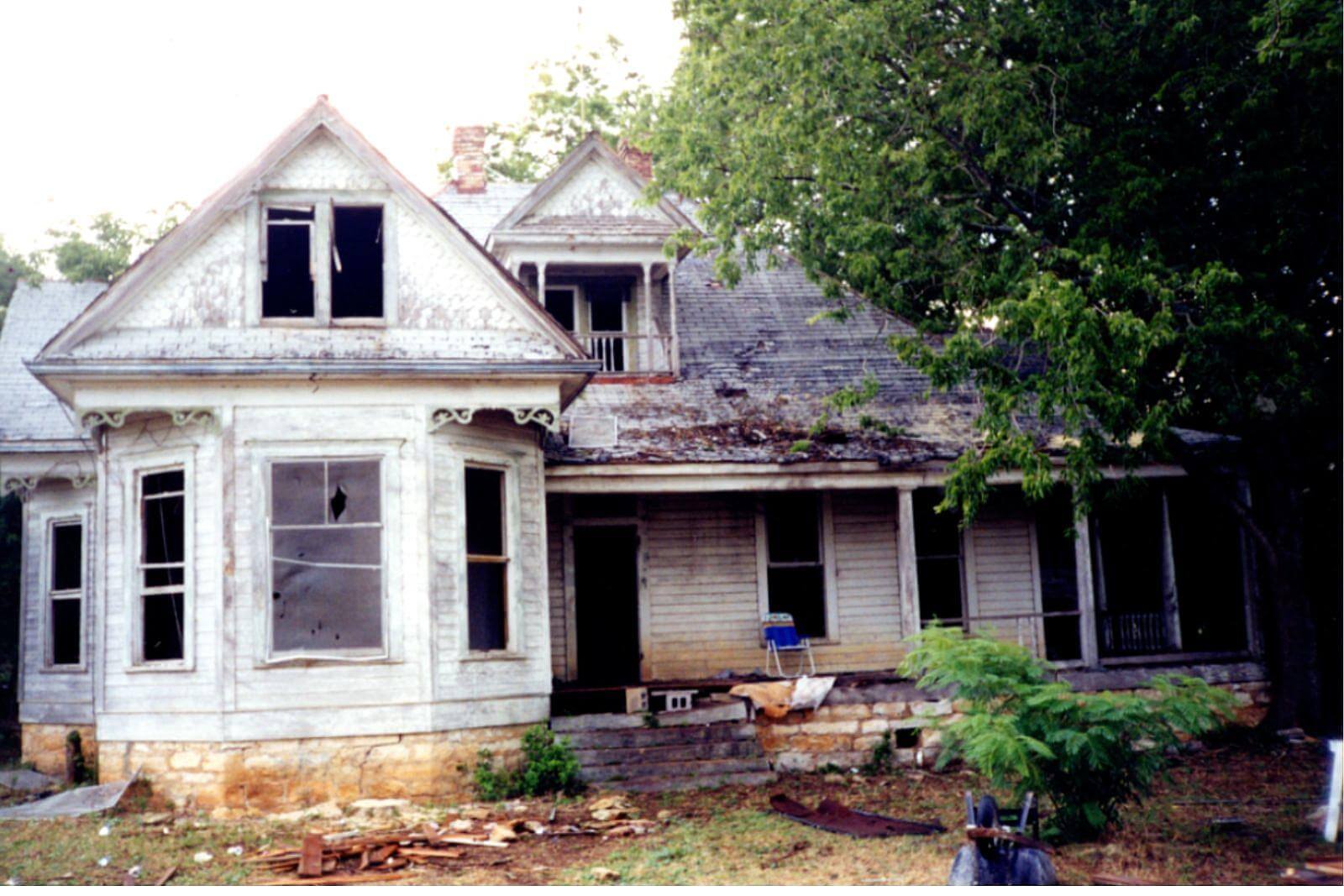
The original Sawyer house, as depicted in the 1974 film, was located near Round Rock, Texas, just outside of Austin. However, the structure you see in the movie is not the exact house that stands there today. The original farmhouse was extensively modified and moved for the film’s production. It was relocated from its original site to a location on County Road 196, where it was further altered to fit the filmmakers’ chilling aesthetic. Over the years, the house fell into disrepair and was eventually dismantled.
However, for fans eager to experience a piece of this horror history, the story doesn’t end with the dismantling of the original structure. In a remarkable feat of preservation and dedication, the recognizable exterior of the Sawyer house has been meticulously reconstructed and moved to a new location. It now stands as a unique attraction, offering a tangible connection to the film’s terrifying legacy. This new iteration allows fans to stand on the very ground where nightmares were born, albeit in a much more tourist-friendly setting.
A New Life for a Familiar Facade: The Farmhouse Today
The faithful reconstruction of the Sawyer house has become a destination in itself for horror enthusiasts. Located in Kingsland, Texas, this resurrected farmhouse has been transformed into a restaurant and event space. Visitors can dine within the very walls that once echoed with the screams of unsuspecting victims in the film. This offers a surreal yet captivating experience, allowing fans to immerse themselves in the atmosphere that defined the movie.
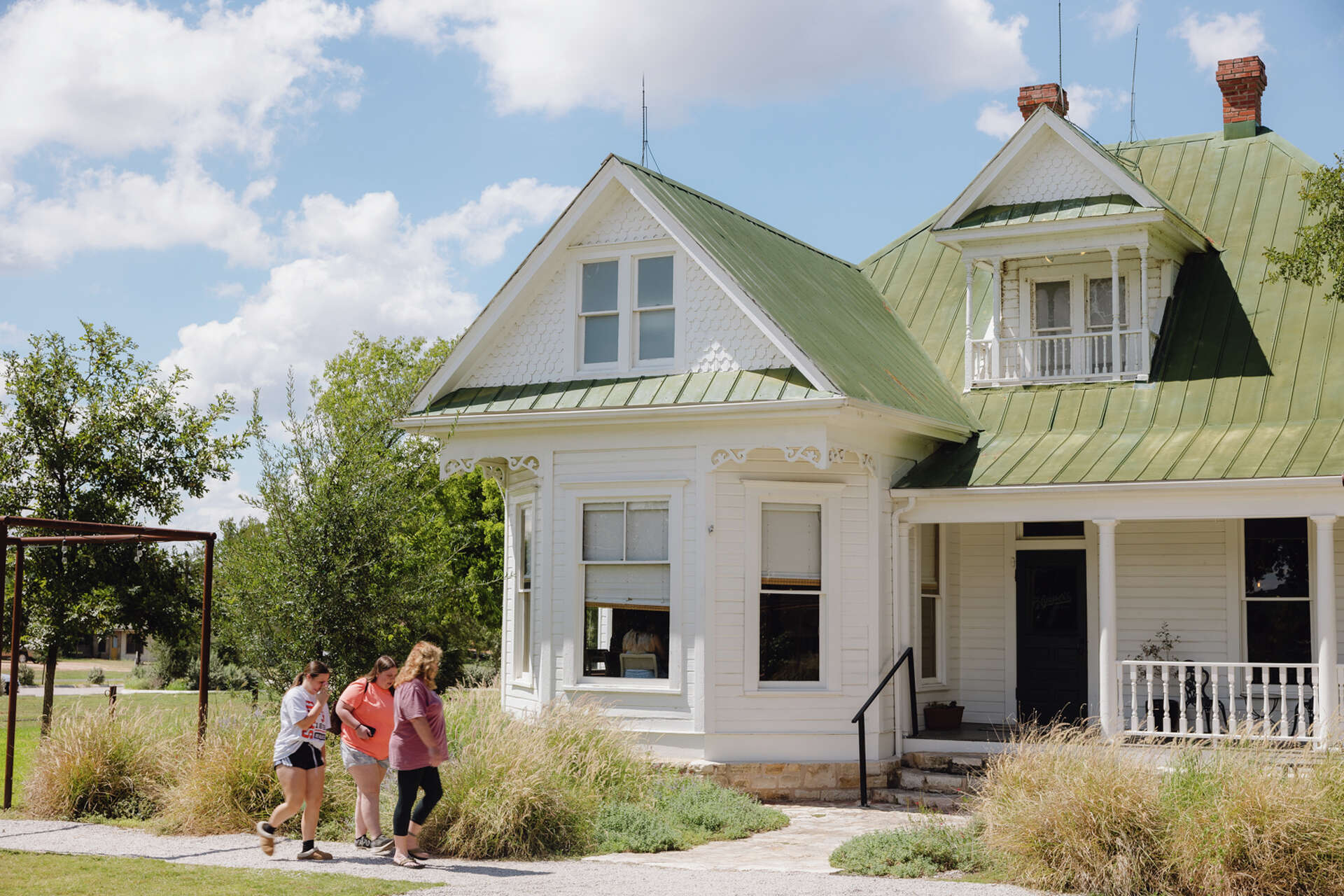
The establishment goes to great lengths to recreate the ambiance of the film, often featuring decor and themes that pay homage to The Texas Chain Saw Massacre. While the interior may not be an exact replica of the film’s set, the exterior undeniably captures the essence of the notorious dwelling. It’s a testament to the enduring power of the film that such a dedicated effort has been made to preserve and reimagine this iconic landmark.
For travelers and horror fans, visiting the Sawyer house in Kingsland, Texas, offers a unique opportunity to blend a culinary experience with a deep dive into cinematic history. It’s a chance to walk through a piece of film lore, to feel the chill of its association with terror, and to appreciate the artistry that went into creating such a memorable and disturbing setting. This attraction serves as a living monument to the film, proving that even the most terrifying tales can find a new narrative in the real world.
Beyond the House: Other Filming Locations and Contributions to Atmosphere
While the Sawyer house stands as the undisputed centerpiece of the film’s physical presence, other locations in Texas played crucial roles in shaping the oppressive and desolate atmosphere of The Texas Chain Saw Massacre. The filmmakers strategically chose areas that evoked a sense of isolation, decay, and the unforgiving nature of rural life.
The vast, dusty roads that the doomed travelers navigate, the seemingly endless stretches of arid landscape, and the sun-baked, weathered structures all contributed to the film’s visceral and uncomfortable realism. These elements were not accidental; they were carefully selected to enhance the feeling of vulnerability and entrapment that permeates the narrative. The stark, often bleak, beauty of the Texas countryside became an unwilling participant in the unfolding horror.
Georgia, specifically the area around La Grange, also contributed to the film’s distinctive look and feel. While the core narrative is rooted in Texas, some scenes were filmed in Georgia, leveraging its similar rural landscapes and architectural styles to maintain the illusion of a cohesive, desolate setting. This intermingling of locations, while subtle, demonstrates the filmmakers’ dedication to achieving a specific visual and emotional impact, using the nuances of different rural environments to amplify the sense of unease.
The film’s raw, documentary-style approach was further enhanced by its reliance on natural lighting and unvarnished settings. This meant that the actual environments became characters in themselves, their inherent qualities shaping the audience’s perception of the terror unfolding. The heat, the dust, the isolation – these are all tangible elements of the Texas and Georgia landscapes that translated directly into the film’s chilling effectiveness.
Exploring the Real Texas for Horror Fans
For those inspired by The Texas Chain Saw Massacre and the real-world locations that brought it to life, a cinematic pilgrimage to Texas can be a surprisingly rewarding travel experience. Beyond the reconstructed Sawyer house, the state offers a wealth of attractions that can appeal to fans of history, culture, and, of course, a good scare.
The general regions where the film was shot, characterized by their rural charm and historic small towns, offer a glimpse into a slower pace of life. Travelers can explore local diners that might evoke the era in which the film was made, visit local historical markers, and soak in the unique atmosphere of the Lone Star State. While not every corner of Texas will transport you directly into a horror movie scene, the enduring spirit of the land itself provides a connection to the film’s origins.
For those seeking a deeper dive into the state’s cinematic heritage, Austin, Texas, offers a vibrant hub of culture and entertainment. While not a direct filming location for the original The Texas Chain Saw Massacre, Austin is a cornerstone of the state’s film industry, boasting numerous independent cinemas, film festivals, and a general appreciation for diverse cinematic genres.
When planning a trip to explore these evocative locations, consider the types of accommodation available. From charming bed and breakfasts in historic towns to more modern hotels in larger cities like Austin, there are options to suit every traveler’s preference and budget. Immersing yourself in the local culture, trying regional cuisine – perhaps even some barbecue that might rival the culinary feats (or lack thereof) depicted in the film – can add significant depth to your journey.
Ultimately, exploring the filming locations of The Texas Chain Saw Massacre is about more than just visiting a movie set. It’s about understanding the context, the environment, and the artistic choices that combined to create a lasting legacy in horror cinema. It’s an invitation to experience a piece of film history firsthand, connecting with the tangible world that gave birth to one of cinema’s most enduring nightmares.
LifeOutOfTheBox is a participant in the Amazon Services LLC Associates Program, an affiliate advertising program designed to provide a means for sites to earn advertising fees by advertising and linking to Amazon.com. Amazon, the Amazon logo, AmazonSupply, and the AmazonSupply logo are trademarks of Amazon.com, Inc. or its affiliates. As an Amazon Associate we earn affiliate commissions from qualifying purchases.