
The allure of Hawaii—its pristine beaches, lush landscapes, and vibrant culture—beckons travelers from around the globe. Yet, for many contemplating a journey to this island paradise, a fundamental question often arises: “How far is Hawaii from the USA?” While geographically distinct, it’s crucial to remember that Hawaii is, in fact, the 50th state of the United States. This unique relationship creates a fascinating dynamic, where a domestic trip can feel like an international odyssey. Understanding the significant distances involved, the time commitment, and the logistical considerations is paramount for anyone planning to experience the magic of the Aloha State. This article delves into the geographical realities, travel logistics, and the deeper implications of bridging the vast Pacific Ocean to reach this iconic destination, offering insights for a seamless and rewarding journey.
The Geographical Realities: Bridging Continents and Islands
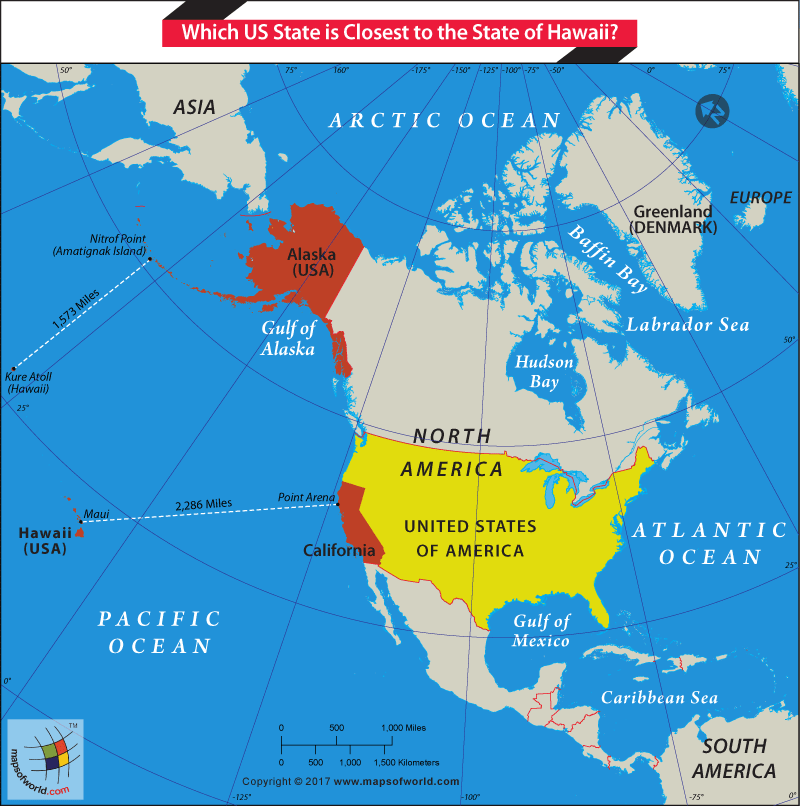
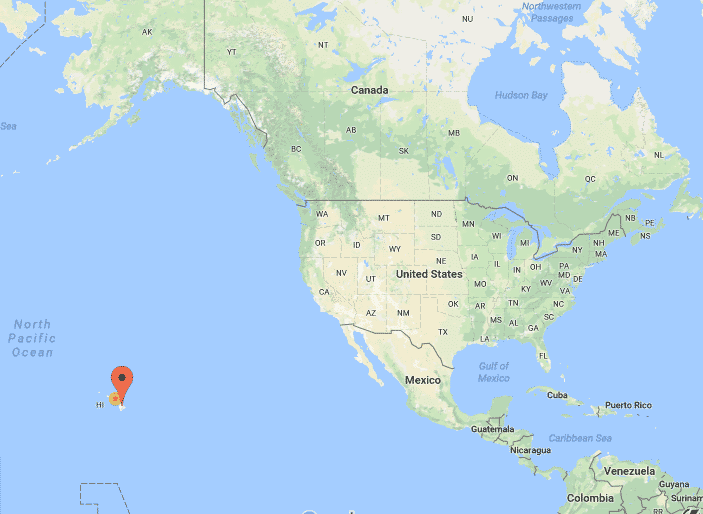
Hawaii’s geographical position is a defining characteristic of its identity and a key factor in any travel planning. Far removed from continental landmasses, this archipelago sits in the heart of the Pacific Ocean, thousands of miles from the nearest mainland. Its isolation has shaped not only its unique biodiversity but also the travel experience for visitors.
Defining “USA”: Mainland vs. States
When considering the distance to Hawaii, it’s important to clarify what “USA” refers to. The USA includes 50 states, and Hawaii is one of them. However, when people ask about the distance from the “USA,” they typically mean the contiguous 48 states, often referred to as the mainland USA, or even more specifically, the West Coast. This distinction highlights Hawaii’s unusual status: a domestic destination that requires crossing a vast ocean. This geographical separation, while making travel a longer endeavor, also contributes significantly to Hawaii’s distinct atmosphere and sense of escape. Travelers don’t just change states; they traverse an oceanic expanse that dramatically shifts their environment and cultural experience, making the journey an integral part of the adventure.
The Pacific Ocean Expanse: Quantifying the Distance
The sheer scale of the Pacific Ocean is truly impressive, and Hawaii lies almost centrally within its northern reaches. The distance from the USA mainland varies depending on the specific departure city on the West Coast. For example, the approximate distances to Honolulu, the capital city located on the island of O’ahu, are as follows:
- From Los Angeles, California: Approximately 2,550 miles (4,100 kilometers).
- From San Francisco, California: Approximately 2,400 miles (3,860 kilometers).
- From Seattle, Washington: Approximately 2,680 miles (4,310 kilometers).
- From Portland, Oregon: Approximately 2,600 miles (4,180 kilometers).
These distances underscore that a trip to Hawaii is a significant journey, comparable to or even exceeding cross-country travel within the continental USA. It’s not a short hop but a sustained flight over open water, demanding proper preparation and an understanding of what to expect during the long-haul journey. The vastness of the ocean also contributes to the feeling of remoteness and the profound sense of arrival when the islands finally appear on the horizon.
A Volcanic Archipelago: Hawaii’s Formation and Isolation
Hawaii is not just a collection of islands; it’s a chain of volcanic islands, formed over millions of years as the Pacific Plate moved over a stationary hotspot in the Earth’s mantle. This geological origin story is central to understanding its isolation. Unlike continental islands formed by rising sea levels or tectonic separation from larger landmasses, Hawaii literally rose from the ocean floor in the middle of the Pacific basin. This deep-oceanic formation ensured that the islands were initially devoid of most terrestrial life, which then had to travel incredible distances across the ocean—by wind, water, or wing—to colonize the new land. This process, known as colonization by dispersal, led to the evolution of unique endemic species found nowhere else on Earth. For travelers, this isolation is a double-edged sword: it means a longer journey, but it also promises an unparalleled destination, a true “world away” where distinct ecosystems and a vibrant culture have flourished, untouched by direct continental influences. The journey is not merely about traversing miles; it’s about bridging geological and biological chasms that have made Hawaii truly unique.
The Journey Across the Pacific: Travel Logistics and Time Zones
Embarking on a journey to Hawaii involves more than just booking a ticket; it requires an understanding of the travel logistics, particularly concerning flight durations and the significant time zone differences. These practical considerations are vital for planning an enjoyable and comfortable trip, minimizing potential travel fatigue, and ensuring a smooth transition into island time.
Flight Durations: From West Coast Hubs
For most travelers from the continental USA, the journey to Hawaii begins with a flight from a major West Coast hub. These routes are the most direct and generally offer the shortest flight times. A typical non-stop flight from cities like Los Angeles, San Francisco, or Seattle to Honolulu (O’ahu) usually ranges from 5.5 to 6 hours. Flights to other islands such as Maui (Kahului Airport), Kaua’i (Lihue Airport), or the Big Island (Kona or Hilo) can sometimes be slightly longer or involve a connection through Honolulu.
Factors that can influence flight duration include:
- Headwinds/Tailwinds: Strong Pacific Ocean winds can either shorten or lengthen flight times. Flights traveling westbound (to Hawaii) generally take longer due to prevailing headwinds, while eastbound flights (back to the mainland) are often shorter.
- Aircraft Type: Modern, fuel-efficient aircraft can sometimes maintain slightly faster cruising speeds.
- Specific Route: Minor variations in flight paths can also affect total time.
Despite these variables, passengers can expect to spend a substantial portion of their day airborne. Preparing for a long flight with entertainment, comfortable attire, and hydration is crucial for a pleasant experience.
East Coast Departures: Longer Hauls and Connections
For travelers originating from the East Coast or central USA, the journey to Hawaii becomes a multi-leg expedition. There are very few, if any, direct flights from East Coast cities such as New York or Florida to Hawaii. The vast majority of these journeys involve at least one layover, typically at a major West Coast hub like Los Angeles, San Francisco, or Seattle.
The total travel time from the East Coast can easily stretch to 11-15 hours or more, including layover times. For example:
- A flight from New York to Los Angeles is approximately 5-6 hours.
- Adding the 5.5-6 hour flight from Los Angeles to Honolulu, plus a layover, means a full day of travel.
Similarly, travelers from the Midwest (e.g., Chicago) or the South (e.g., Texas) will face comparable long hauls and typically require a West Coast connection. It’s advisable for travelers from these regions to consider overnight stays on the West Coast to break up the journey, especially if traveling with children or for those prone to jet lag. This extended travel time further emphasizes the sense of anticipation and the significant investment of time and energy involved in reaching Hawaii, making the destination feel even more special upon arrival.
Navigating Time Zones: The Hawaii Standard Time (HST) Difference
One of the most significant logistical considerations when traveling to Hawaii from the continental USA is the time zone difference. Hawaii observes Hawaii Standard Time (HST) year-round and does not observe Daylight Saving Time. This creates a substantial time difference, particularly during certain months:
-
During Daylight Saving Time (roughly March to November):
- Hawaii is 2 hours behind Pacific Daylight Time (PDT).
- Hawaii is 3 hours behind Mountain Daylight Time (MDT).
- Hawaii is 4 hours behind Central Daylight Time (CDT).
- Hawaii is 5 hours behind Eastern Daylight Time (EDT).
-
During Standard Time (roughly November to March):
- Hawaii is 3 hours behind Pacific Standard Time (PST).
- Hawaii is 4 hours behind Mountain Standard Time (MST).
- Hawaii is 5 hours behind Central Standard Time (CST).
- Hawaii is 6 hours behind Eastern Standard Time (EST).
This considerable time difference means that travelers arriving from the East Coast will effectively “gain” 5 or 6 hours, which can lead to significant jet lag. While seemingly beneficial to “gain” time, the body’s internal clock can struggle to adjust, leading to fatigue, disrupted sleep patterns, and difficulty adjusting to meal times. It’s recommended to start adjusting sleep schedules a few days before departure, stay hydrated during the flight, and expose oneself to natural light upon arrival to help recalibrate the body’s circadian rhythm. A strategic plan for managing jet lag can make a substantial difference in enjoying the initial days of a Hawaiian vacation.
More Than Just Miles: The Cultural and Experiential Distance
While the quantifiable miles and flight hours are important, the journey to Hawaii transcends mere physical distance. It’s a voyage to a profoundly different cultural and natural landscape that feels a world away from the continental USA. This experiential distance is what truly defines a Hawaiian vacation, offering a transformative escape that justifies the lengthy travel time.
A World Away: Distinct Culture and Landscape
Upon arrival in Hawaii, travelers are immediately enveloped in an atmosphere that is distinctly different from the mainland. The geographical isolation that necessitates a long flight has also allowed a unique culture to flourish, deeply rooted in Polynesian traditions mixed with influences from Asian immigrants and Western settlers. The “Aloha Spirit” is not just a greeting; it’s a way of life, emphasizing hospitality, respect, and a deep connection to the land and sea. This ethos permeates everything from local interactions to the rhythm of daily life, creating a relaxing and welcoming environment.
Beyond the cultural shift, the landscape itself is a dramatic departure. From the volcanic peaks of Maui and the Big Island to the verdant cliffs of Kaua’i and the iconic beaches of O’ahu, Hawaii’s natural beauty is unparalleled. Diverse ecosystems—tropical rainforests, active volcanoes, coral reefs, and arid deserts—exist in close proximity, offering a sensory richness rarely found elsewhere. The journey across the Pacific Ocean brings travelers to a place where the air smells different, the sounds are unique, and the pace of life invites deep relaxation and appreciation for nature’s grandeur. This feeling of stepping into another world is a primary reason why the distance is not a deterrent for millions of visitors each year.
The Reward of Remoteness: Why the Journey is Worth It
Despite the significant travel time and the challenge of jet lag, the journey to Hawaii is overwhelmingly considered worth the effort. The remoteness of the islands is precisely what preserves their unique charm and allure. It acts as a natural filter, ensuring that those who make the journey are truly seeking an immersive experience, ready to disconnect from the everyday and embrace the tranquility and adventure that await. The moment one steps off the plane, the warm, fragrant air, the sounds of ukuleles, and the vibrant floral scents immediately convey that a special destination has been reached.
The sense of accomplishment in having traversed thousands of miles across the Pacific to arrive in such a distinct paradise adds to the profound satisfaction of the trip. The stunning natural beauty—from surfing legendary waves to hiking through ancient lava fields, snorkeling in crystal-clear waters, or simply relaxing on a black sand beach—offers experiences that are truly once-in-a-lifetime. Moreover, the welcoming spirit of the Hawaiian people and the opportunity to engage with a rich, living culture provide a depth of experience that goes far beyond typical resort vacations. The journey to Hawaii isn’t just about reaching a destination; it’s about embarking on an adventure that culminates in a truly unforgettable escape, proving that sometimes, the best places are indeed the farthest away.
Planning Your Hawaiian Escape: Practical Considerations
The journey to Hawaii is a significant undertaking, but with careful planning, it can be a seamless and incredibly rewarding experience. Beyond understanding the distance and travel times, several practical considerations will enhance your trip from the moment you start planning until you arrive back home.
Choosing Your Island: O’ahu, Maui, Kaua’i, Big Island and More
Hawaii is an archipelago composed of eight main islands, each offering a distinct personality and unique attractions. Deciding which island (or islands) to visit is one of the first and most exciting steps in planning your trip, deeply influencing the type of experience you’ll have.
- O’ahu: Home to Honolulu and the iconic Waikiki Beach, O’ahu is the most populated and developed island. It offers a vibrant mix of city life, historical sites like Pearl Harbor, world-class dining, and renowned surfing beaches on the North Shore. It’s ideal for first-time visitors seeking a balance of culture, adventure, and modern amenities.
- Maui: Known as the “Valley Isle,” Maui is celebrated for its stunning beaches, the scenic Road to Hana, and the majestic Haleakalā volcano, perfect for sunrise views. It’s a popular choice for those seeking luxury resorts, romantic getaways, and diverse outdoor activities like snorkeling, whale watching, and hiking.
- Kaua’i: The “Garden Isle” is characterized by its lush, green landscapes, dramatic cliffs of the Na Pali Coast, and numerous waterfalls. Kaua’i appeals to nature lovers, hikers, and those looking for a more serene, less developed Hawaiian experience.
- Big Island (Hawai’i Island): The largest island, the Big Island offers an incredible diversity of ecosystems, including active volcanoes at Hawaii Volcanoes National Park, black sand beaches, and snow-capped peaks. It’s perfect for adventurers, geologists, and those wanting to explore vast, dynamic landscapes.
- Lana’i and Moloka’i: For a truly secluded experience, Lana’i offers luxury resorts and rugged adventures, while Moloka’i remains deeply traditional and untouched by mass tourism, offering a glimpse into old Hawaii. The smaller, privately owned islands of Ni’ihau and Kaho’olawe are not typically accessible to general tourists.
Consider your travel style, interests, and budget when selecting your island destination. Many travelers choose to combine two islands for a more comprehensive experience, keeping in mind that inter-island travel will add to your overall journey time.
Best Time to Travel: Weather and Crowds
Hawaii enjoys a tropical climate year-round, making it a desirable destination at any time. However, there are nuances in weather patterns and crowd levels that can influence the best time for your visit:
- Peak Season (Mid-December to March; June to August): These periods coincide with winter holidays, spring break, and summer vacations, making them the busiest and most expensive times to visit. The weather is generally pleasant, with slightly cooler temperatures in winter and warmer, drier conditions in summer. Whale watching season runs from December to May.
- Shoulder Seasons (April-May; September-November): These are often considered the best times to visit. The weather is still excellent, with fewer crowds, lower prices for flights and accommodations, and a more relaxed atmosphere. September and October can be a bit warmer and more humid, but tropical storms are rare.
- Rainy Season (November to March): While it’s called the “rainy season,” Hawaii’s rain showers are typically short and localized, especially on the windward (eastern) sides of the islands. The leeward (western) sides, where most resorts are located, tend to remain drier. This period can offer lush landscapes and dramatic rainbows.
When deciding, consider what activities you prioritize. If surfing big waves on the North Shore of O’ahu is key, winter is best. For quieter beaches and better deals, aim for the shoulder seasons. Always check specific island forecasts closer to your travel date, as microclimates mean weather can vary significantly across an island.
Essential Packing for Island Life
Given the long journey and the distinct Hawaiian environment, smart packing is essential. Focus on comfort, versatility, and preparedness for a variety of activities:
- Clothing: Lightweight, breathable fabrics are key. Pack swimsuits, rash guards for sun protection, shorts, t-shirts, sundresses, and a light jacket or sweater for cooler evenings or higher elevations (like Haleakalā or Mauna Kea). A waterproof rain jacket can be useful, especially if you plan to explore rainforests or waterfalls.
- Footwear: Comfortable walking shoes or hiking sandals are a must for exploring. Flip-flops or sandals for the beach and resort wear are also essential.
- Sun Protection: The Hawaiian sun is intense. Pack high-SPF, reef-safe sunscreen, a wide-brimmed hat, sunglasses, and a reusable water bottle to stay hydrated.
- Snorkeling Gear: While rentals are available, bringing your own mask and snorkel can save money and ensure a good fit.
- Electronics: Don’t forget chargers, a portable power bank for long days out, and a waterproof phone case for beach activities.
- Documents: Keep your ID, flight details, accommodation bookings, and any rental car information easily accessible.
- Medications: Bring any prescription medications and a basic first-aid kit.
Remember that you’ll be carrying your luggage a long distance, so pack efficiently. Many airlines charge for checked bags, so consider a carry-on-only strategy if possible. Adhering to these packing tips will ensure you arrive prepared to fully immerse yourself in the Hawaiian experience, making the long journey well worth every mile.

Conclusion
The question “How far is Hawaii from USA?” reveals more than just a measurement of miles. It highlights Hawaii’s unique status as a geographically remote but federally connected part of the United States. From the West Coast, you’re looking at a journey of approximately 2,400 to 2,700 miles, translating to a substantial 5.5 to 6-hour flight over the vast Pacific Ocean. For those traveling from the East Coast or central USA, the trip typically involves connections and extends to a full day of travel, compounded by a significant time difference that demands careful adjustment.
Yet, this considerable distance is precisely what contributes to Hawaii’s unparalleled allure. The long flight serves as a natural transition, preparing you for an arrival in a destination that truly feels a world away. Here, the distinct Polynesian and Asian-influenced culture, breathtaking volcanic landscapes, and the pervasive Aloha Spirit offer an escape unlike any other domestic destination. The investment of time and effort in traversing the Pacific is richly rewarded by the immersive beauty, tranquility, and adventure that define the Hawaiian islands. Planning meticulously, from understanding flight logistics and time zones to selecting the ideal island for your desires and packing appropriately, will ensure that your journey to this remote paradise is as smooth and enjoyable as the destination itself. Ultimately, the miles fade into insignificance when weighed against the unforgettable experiences and profound sense of renewal that await you in Hawaii.
LifeOutOfTheBox is a participant in the Amazon Services LLC Associates Program, an affiliate advertising program designed to provide a means for sites to earn advertising fees by advertising and linking to Amazon.com. Amazon, the Amazon logo, AmazonSupply, and the AmazonSupply logo are trademarks of Amazon.com, Inc. or its affiliates. As an Amazon Associate we earn affiliate commissions from qualifying purchases.