
Observing flags at half-staff across Texas is a somber and significant visual cue. It’s a practice steeped in tradition and respect, universally recognized as a mark of mourning. When the Stars and Stripes, or the Lone Star Flag, are flown at half-mast, it signifies that a period of solemn remembrance is underway, honoring individuals of great stature or marking tragic events that have profoundly impacted the state or the nation. For residents and visitors alike, understanding the reasons behind this practice deepens their connection to the community and the shared human experience of loss and remembrance.
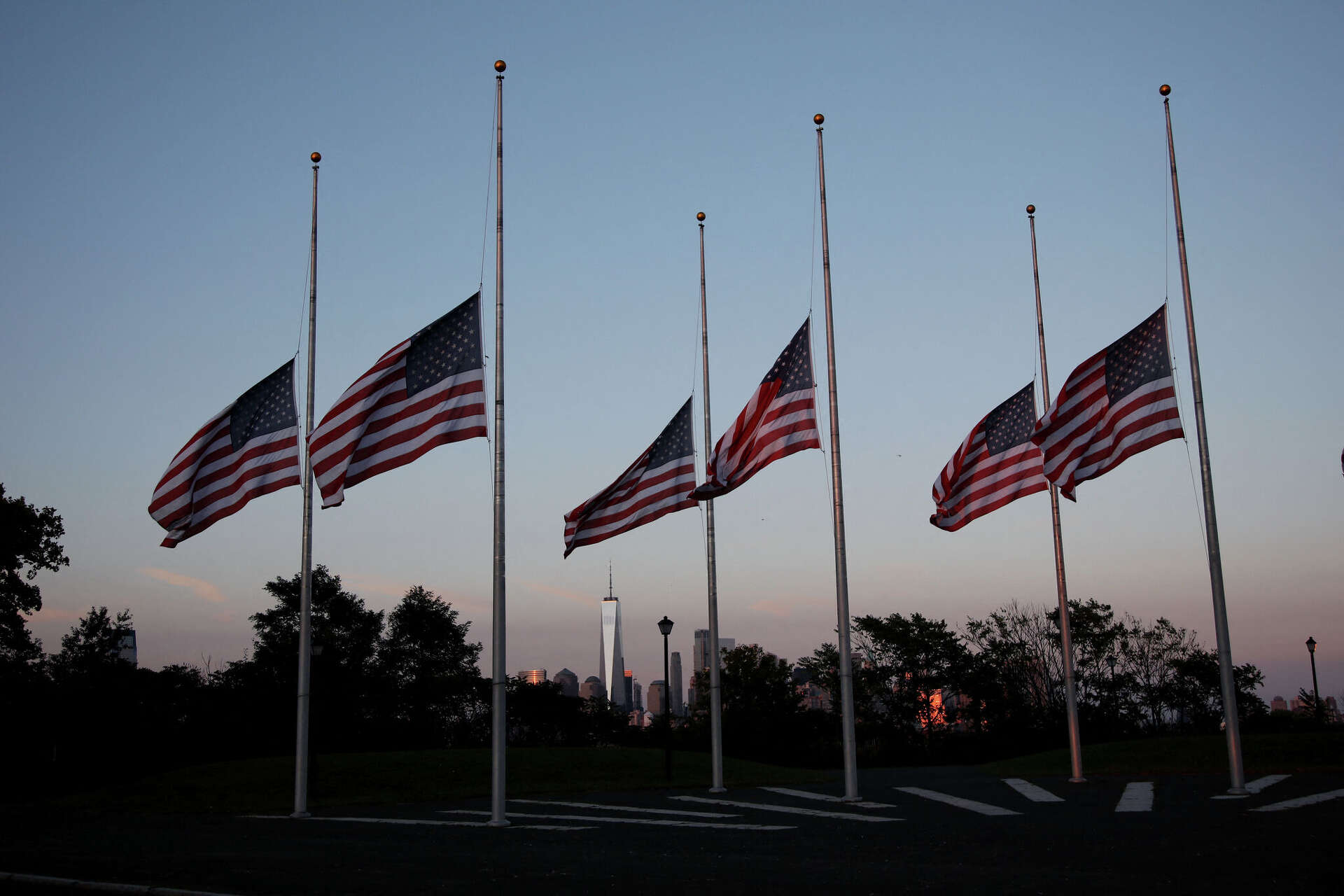
The decision to lower the flag is not taken lightly. It is governed by specific protocols and traditions, typically initiated by the President of the United States for national flags, or by the Governor of Texas for state flags. These directives are usually issued in response to the death of a significant public figure, a national tragedy, or in observance of memorial days.
Understanding the Protocol: When and Why Flags Are Lowered
The practice of flying flags at half-staff is a deeply ingrained custom that dates back centuries. Its origins are somewhat debated, but it is widely understood as a gesture of respect and deference to a departed soul or a community in grief. In the context of the United States, the U.S. Flag Code provides guidance on when and how the national flag should be displayed at half-staff. Similarly, Texas has its own traditions and proclamations that dictate the lowering of the Lone Star Flag.
National Directives and Presidential Authority
The President of the United States holds the ultimate authority to order the U.S. flag to be flown at half-staff nationwide. This typically occurs upon the death of:
- The President or Former President of the United States: This is the highest honor, signifying national mourning for a former leader of the free world.
- The Vice President, Chief Justice, or Speaker of the House of Representatives: These positions are critical to the functioning of the federal government, and their passing warrants a period of national reflection.
- A current or former Associate Justice of the Supreme Court, a current or former Cabinet member, a former Vice President, the Speaker Emeritus of the House of Representatives, or a very distinguished Senator or Representative: These individuals have made significant contributions to public life and are recognized for their service.
- A Governor of a state, territory, or possession of the United States: When a state leader dies, it impacts their entire state, and a national acknowledgment of their passing is appropriate.
Beyond the death of specific officials, presidential proclamations can also order the flag to be flown at half-staff in remembrance of a national tragedy, such as a significant terrorist attack or a mass casualty event. These directives are usually for a specific period, often from the time of death until interment.
State-Level Proclamations and Gubernatorial Authority
In Texas, the Governor has the authority to issue proclamations ordering the U.S. flag and the Texas flag to be flown at half-staff. These proclamations are often issued in conjunction with federal directives, but they can also be specific to events or individuals significant to the state. This includes:
- The death of a current or former Texas Governor, Lieutenant Governor, or other high-ranking state official: Honoring leaders who have served the people of Texas.
- The death of a Texas resident who has made extraordinary contributions to the state or the nation: This can encompass military heroes, prominent business leaders, influential artists, or public servants who have left an indelible mark.
- In observance of significant memorial days: Such as Memorial Day or Patriot Day, when the nation collectively remembers those who have made the ultimate sacrifice or were victims of acts of terror.
- In response to a significant tragedy or disaster impacting Texas: Such as a major natural disaster or a mass shooting event, where lowering the flags serves as a symbol of shared sorrow and solidarity.
These state-level directives ensure that Texas can appropriately honor its own and respond to events that resonate deeply within its borders. Visitors to cities like Austin, Dallas, or Houston might observe the flags at half-staff and, by understanding these protocols, gain insight into the current sentiment and any recent significant events.
The Significance of Half-Staff: A Symbol of Respect and Mourning

Flying a flag at half-staff is a visual language understood worldwide. It’s a silent but powerful declaration that the community is in a state of solemnity, acknowledging a loss or a moment of profound national or state reflection. The act itself carries a deep symbolic weight, conveying respect for the departed, solidarity with those grieving, and a shared sense of national or state identity.
Honoring the Departed: A Public Acknowledgment of Worth
When a flag is lowered, it is a public acknowledgment of the individual’s importance and the impact of their life. For a president, a governor, or a distinguished public servant, this is a formal recognition of their service and the void their passing leaves. It is a way for the nation or state to collectively pause and reflect on the contributions made.
For visitors exploring landmarks such as the Alamo or the Texas State Capitol, observing flags at half-staff can add a layer of understanding to their travel experience. It signifies that the state is currently engaged in a collective act of remembrance, perhaps honoring a fallen hero or a victim of a tragic event. This can lead to a deeper appreciation for the values and the community spirit of Texas.
Expressing Collective Grief and Solidarity
Beyond honoring individuals, flags at half-staff are also a powerful symbol of collective grief and solidarity during times of tragedy. Following events like the Uvalde school shooting or other acts of violence, the lowering of flags across Texas serves as a visible manifestation of shared sorrow. It’s a way for the state to say, “We are hurting together.”
This practice can also be observed in tourist destinations. For instance, if a significant event occurs, visitors staying at resorts like the La Cantera Resort & Spa or exploring areas around San Antonio might notice the flags at half-staff. This visual cue reinforces that a somber mood has fallen over the region, fostering a sense of shared experience among all present. It is a reminder that even in places known for leisure and entertainment, the human connection and the capacity for empathy remain paramount.
Navigating Texas During Observances: Travel and Tourism Considerations
For travelers and tourists in Texas, understanding why flags are at half-staff can enhance their experience and provide important context. While the practice itself is solemn, it doesn’t necessarily mean that travel plans need to be significantly altered, but it does encourage a more mindful approach to visiting.
Awareness and Respect for Local Sentiment
When flags are at half-staff, it’s a signal that the local community is in mourning or remembrance. Travelers are encouraged to be mindful of this sentiment. While major attractions like theme parks in Arlington or museums in Fort Worth will likely remain open, there might be a subdued atmosphere. Local businesses and residents may be more introspective.
It is always appropriate to exercise a heightened sense of respect. This might mean being more considerate in public spaces, avoiding excessively boisterous behavior, and being sensitive to any memorial events that might be taking place. For those booking accommodation, whether it’s a luxury suite at the Hotel ZaZa or a budget-friendly apartment, understanding the context of local observances can lead to a more empathetic and enriching travel experience.

Continued Exploration and Experiencing Texas Culture
Despite periods of mourning, Texas continues to be a vibrant destination with much to offer. The cultural richness, culinary delights, and historical landmarks remain accessible. When flags are at half-staff, it’s an opportunity to engage with Texas on a deeper level.
Visiting historical sites such as San Jacinto Monument or exploring the cultural districts of cities like El Paso can offer profound insights. It allows travelers to connect with the state’s history, its people, and its resilience. While the mood might be more reflective, the spirit of Texas – its pride, its history, and its enduring spirit – is always present. For those planning long-term stays or seeking unique local experiences, being aware of and respecting these observances can lead to a more meaningful connection with the Lone Star State. The reasons behind the lowered flags are a testament to the values that shape Texas, and understanding them enriches any visit.
LifeOutOfTheBox is a participant in the Amazon Services LLC Associates Program, an affiliate advertising program designed to provide a means for sites to earn advertising fees by advertising and linking to Amazon.com. Amazon, the Amazon logo, AmazonSupply, and the AmazonSupply logo are trademarks of Amazon.com, Inc. or its affiliates. As an Amazon Associate we earn affiliate commissions from qualifying purchases.