
San Antonio, Texas, a city steeped in history and vibrant with a unique cultural tapestry, beckons travelers with its captivating blend of Spanish colonial heritage and modern Texan charm. As you plan your adventure to this dynamic destination, understanding its origins is key to appreciating the depth of its character. So, when exactly was San Antonio, Texas founded? The answer leads us back to a pivotal moment in early colonial Texas, a time when Spanish missionaries established a significant presence, laying the groundwork for the bustling metropolis we know today.
The establishment of San Antonio, Texas as a permanent settlement is officially recognized as May 1, 1718. On this day, Father Antonio de Olivares, along with a contingent of soldiers, founded Mission San Antonio de Valero, which would later become famously known as the Alamo. This act marked the beginning of a Spanish presence in the region, driven by a desire to extend the Spanish empire and convert indigenous populations to Catholicism. While the mission was the genesis, the surrounding civilian settlement, known as a presidio (a military fort) and a villa (a civilian town), grew around it, solidifying San Antonio, Texas as a key outpost in New Spain.
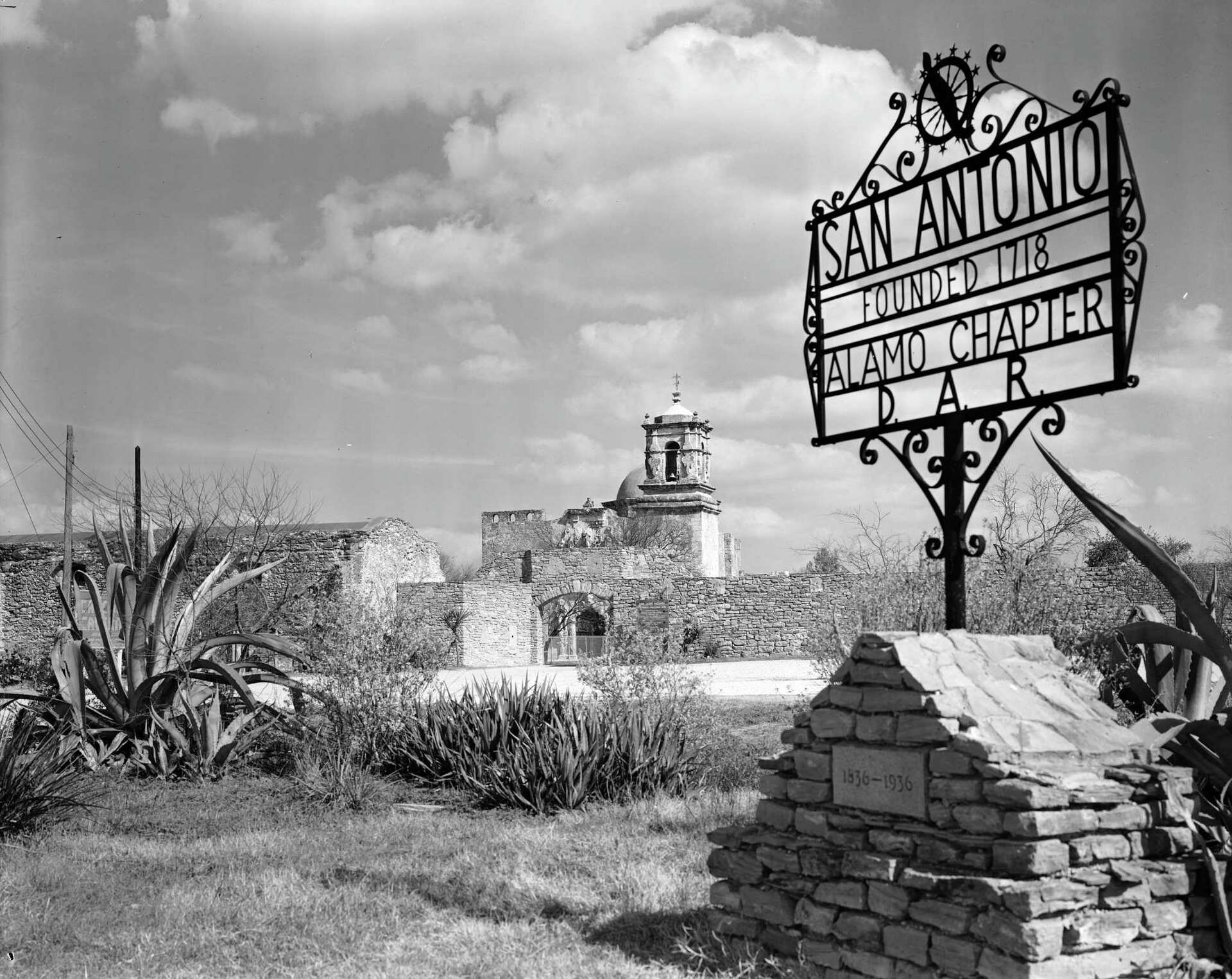
The Genesis: Mission San Antonio de Valero and the Colonial Era
The founding of San Antonio, Texas is intrinsically linked to the Spanish mission system, a crucial element of their colonization efforts in the Americas. The establishment of Mission San Antonio de Valero in 1718 was not an isolated event but part of a broader strategy to secure Spanish claims in Texas against encroaching French interests from Louisiana. The site was chosen for its strategic location along the San Antonio River, offering access to water and fertile land, essential for sustaining a mission community and its agricultural endeavors.
The Role of Missions in Colonial Texas
Missions served a multifaceted purpose for the Spanish Crown. Primarily, they were intended to serve as centers for evangelization, aiming to convert the indigenous Lipan Apache and Coahuiltecan peoples to Christianity and integrate them into Spanish society. Beyond religious objectives, these missions acted as outposts of Spanish culture and governance, asserting territorial control and fostering economic development through agriculture and ranching. The missionaries, often Franciscan friars, also played a significant role in educating the native populations, teaching them trades, and introducing European farming techniques.
The establishment of Mission San Antonio de Valero was a pivotal moment. It wasn’t just a religious institution; it was the nucleus around which a community would eventually form. The presence of a military garrison, the Presidio San Antonio de Béxar, established shortly after the mission, further underscored the strategic importance of the area. This fort provided protection for the mission and its inhabitants and served as a base for further Spanish exploration and settlement. The civilian settlement that developed around these institutions, the Villa de San Fernando de Béxar, slowly began to grow, attracting Spanish colonists and eventually becoming the administrative and social heart of the region.
The early years were not without their challenges. Relations with indigenous tribes were complex, marked by periods of cooperation and conflict. The harsh realities of frontier life, coupled with the vast distances separating San Antonio, Texas from other Spanish settlements, meant that growth was often slow and arduous. However, the resilience of the settlers and the strategic importance of the location ensured that the settlement persisted. Over the decades, it evolved from a humble mission and presidio into a thriving town, a vital hub in the Spanish colonial administration of Texas.
From Spanish Outpost to Texan Crossroads: A Shifting Landscape
The story of San Antonio, Texas doesn’t end with its Spanish founding. The city’s history is a narrative of transformation, witnessing significant shifts in political power and cultural influences. From its Spanish origins, it transitioned through Mexican rule and ultimately became a cornerstone of the Republic of Texas and later a major American city. Each era left its indelible mark on the city’s architecture, its customs, and its very identity.
The Mexican Period and the Road to Revolution
Following Mexico’s independence from Spain in 1821, San Antonio, Texas became part of the Mexican state of Coahuila y Tejas. This period saw an influx of Anglo-American settlers, encouraged by Mexican land grants, which fundamentally altered the demographic and cultural landscape. Tensions, however, began to brew between the settlers and the Mexican government over issues of governance, slavery, and cultural differences.
The most iconic event that cemented San Antonio, Texas in the annals of history occurred in 1836 during the Texas Revolution. The Battle of the Alamo, a legendary siege and battle fought at the former mission, became a powerful symbol of Texan resistance. Although the defenders were ultimately defeated, their bravery inspired a unified Texan force that went on to achieve independence from Mexico at the Battle of San Jacinto. This pivotal moment solidified San Antonio, Texas as a city with a profound connection to the birth of the Lone Star State.
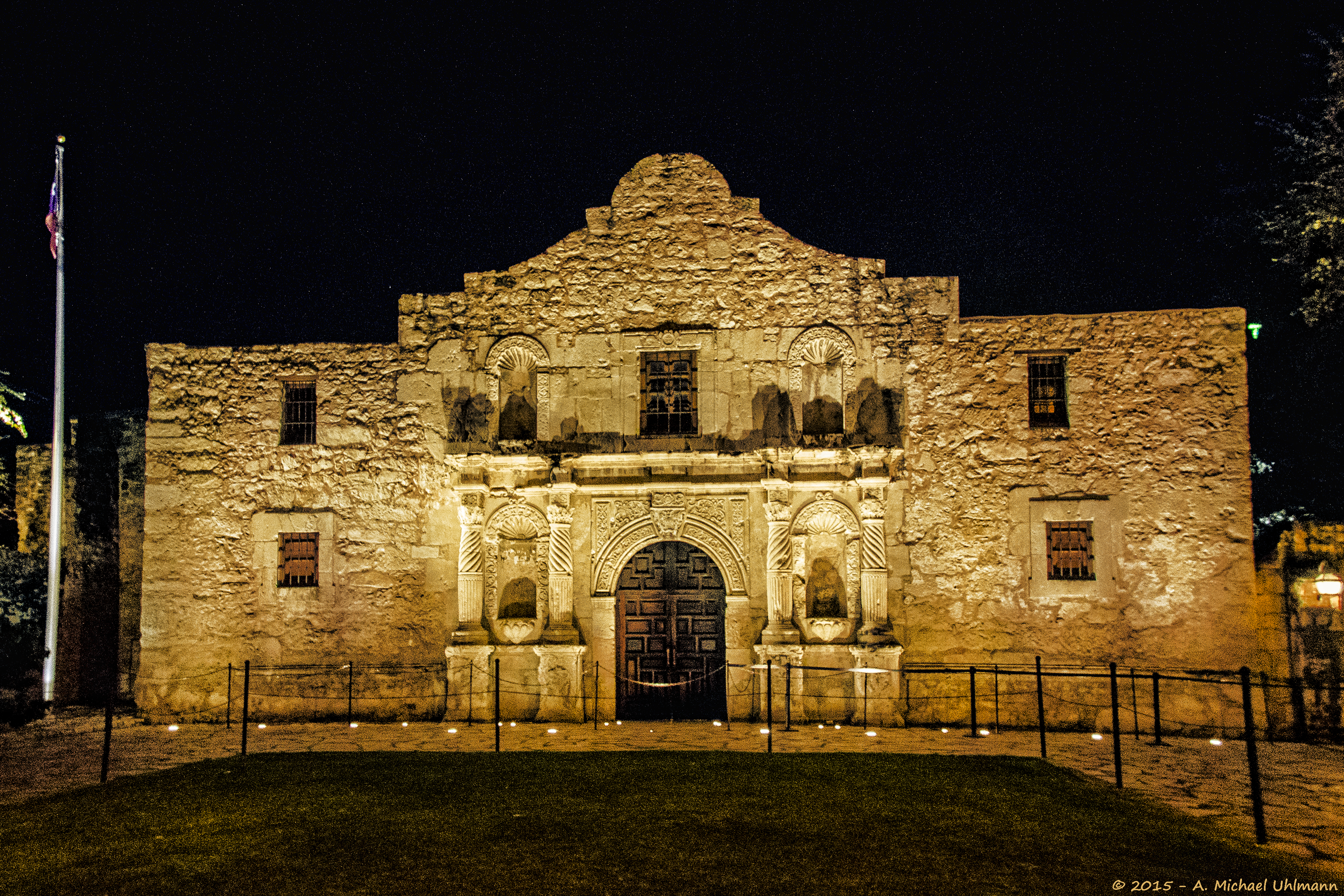
Becoming a Crossroads of Culture and Commerce
After achieving statehood as part of the United States in 1845, San Antonio, Texas continued to evolve. It became a major military post and a vital center for trade, attracting diverse populations, including Germans, Irish, and other European immigrants, who added further layers to its rich cultural mosaic. The city’s strategic location and its access to resources made it a natural hub for commerce and travel, a role it continues to play today.
The enduring legacy of its founding is visible in the city’s stunning architecture, from the preserved Spanish colonial missions to the charming European-influenced buildings in its historic districts. The cultural fusion is palpable in its vibrant culinary scene, its lively festivals, and the warm, welcoming spirit of its people. Understanding the 1718 founding of Mission San Antonio de Valero is not just about a date; it’s about recognizing the deep historical roots that have shaped San Antonio, Texas into the captivating and historically significant destination it is today.
Experiencing San Antonio’s Rich History and Culture Today
The founding of San Antonio, Texas in 1718 laid the foundation for a city that is now a premier travel destination, offering a wealth of attractions that celebrate its unique past and vibrant present. Visitors can immerse themselves in the city’s history, from exploring its iconic landmarks to indulging in its world-renowned culinary scene and experiencing its lively local culture. Whether you are seeking a luxurious resort getaway or a budget-friendly family adventure, San Antonio, Texas provides an unforgettable travel experience.
Must-Visit Landmarks and Attractions
The most significant testament to San Antonio, Texas’s founding is the Alamo, the site of the pivotal 1836 battle. This historic mission, once Mission San Antonio de Valero, stands as a powerful symbol of courage and sacrifice. Beyond the Alamo, visitors can explore the other four Spanish missions that, along with the Alamo, form the San Antonio Missions National Historical Park, a UNESCO World Heritage Site. These include Mission Concepción, Mission San Jose, Mission San Juan, and Mission Espada, each offering a glimpse into the daily lives of the missionaries and indigenous peoples.
The River Walk, a network of scenic walkways meandering along the banks of the San Antonio River, is another iconic attraction. Lined with charming restaurants, boutiques, and hotels, it’s a perfect place for a leisurely stroll, a romantic dinner cruise, or simply to soak in the vibrant atmosphere. Boat tours provide a unique perspective on the city’s history and architecture, while the numerous restaurants offer a diverse culinary journey.
For a taste of the city’s more recent history and its enduring connection to Texan identity, a visit to the Tower of the Americas is a must. This observation tower offers panoramic views of the city, providing a stunning perspective on its sprawling landscape and its rich historical tapestry. The Market Square, the largest Mexican market in the United States, is a vibrant hub of activity, offering a delightful array of authentic Mexican cuisine, handcrafted goods, and lively entertainment.

Accommodation and Lifestyle Experiences
San Antonio, Texas offers a wide range of accommodation options to suit every traveler’s needs and budget. From luxurious resorts and boutique hotels to comfortable apartments and villas, visitors can find the perfect place to stay.
For those seeking a lavish experience, hotels like the Éilan Hotel, Ascend Hotel Collection or the Hotel Emma at Pearl offer unparalleled luxury, exceptional amenities, and world-class service. If you’re looking for family-friendly options, numerous resorts provide swimming pools, recreational activities, and spacious suites. For budget-conscious travelers, a variety of well-appointed motels and guesthouses offer comfortable stays without breaking the bank. Long-term accommodation options are also available for those wishing to extend their stay and truly experience the lifestyle of San Antonio, Texas.
The city’s lifestyle is deeply influenced by its multicultural heritage. Food lovers will rejoice in the diverse culinary landscape, from authentic Tex-Mex and traditional Mexican dishes to innovative fine dining establishments. The city is renowned for its vibrant food scene, offering a true gastronomic adventure. Moreover, San Antonio, Texas hosts numerous festivals and events throughout the year, celebrating everything from its colonial past to its modern artistic expressions. Attending events like the Fiesta San Antonio offers an immersive experience into the heart of the city’s culture and traditions.
In conclusion, the founding of San Antonio, Texas on May 1, 1718, marks the genesis of a city with a profound historical significance and a vibrant, evolving culture. From its humble beginnings as a Spanish mission outpost, it has grown into a dynamic metropolis that proudly embraces its past while looking towards the future. The echoes of its founding are present in its architecture, its traditions, and the enduring spirit of its people, making San Antonio, Texas a truly captivating destination for travelers seeking history, culture, and unforgettable experiences.
LifeOutOfTheBox is a participant in the Amazon Services LLC Associates Program, an affiliate advertising program designed to provide a means for sites to earn advertising fees by advertising and linking to Amazon.com. Amazon, the Amazon logo, AmazonSupply, and the AmazonSupply logo are trademarks of Amazon.com, Inc. or its affiliates. As an Amazon Associate we earn affiliate commissions from qualifying purchases.