
The question “Is Alaska the biggest state?” seems straightforward, yet its answer unveils a truth so monumental it redefines our understanding of scale within the United States. Not only is Alaska the largest state, but its sheer magnitude is difficult to grasp without diving into comparisons and exploring the vast landscapes it encompasses. This isn’t just a geographical fact; it’s a profound invitation to consider a destination where travel becomes an epic journey, accommodation ranges from remote wilderness lodges to luxurious urban hotels, and tourism offers unparalleled adventures, cultural immersion, and breathtaking natural landmarks.
From the moment you begin to contemplate a trip to Alaska, its size becomes a central character in your planning. It dictates everything from the time required for exploration to the modes of transportation and the types of experiences available. For those seeking unique travel experiences, from budget-friendly family trips to opulent luxury travel, Alaska’s colossal dimensions mean there’s an entire world waiting to be discovered.
The Unrivaled Scale of the Last Frontier
Without a doubt, Alaska is the biggest state in the United States. Its land area alone is astounding, and when you factor in its extensive coastlines and territorial waters, it truly stands in a league of its own. This immense size isn’t just a number; it’s the foundation for the diverse ecosystems, unique cultures, and incredible adventures that define this remarkable destination.
How Big is “Biggest”? A Comparative Look
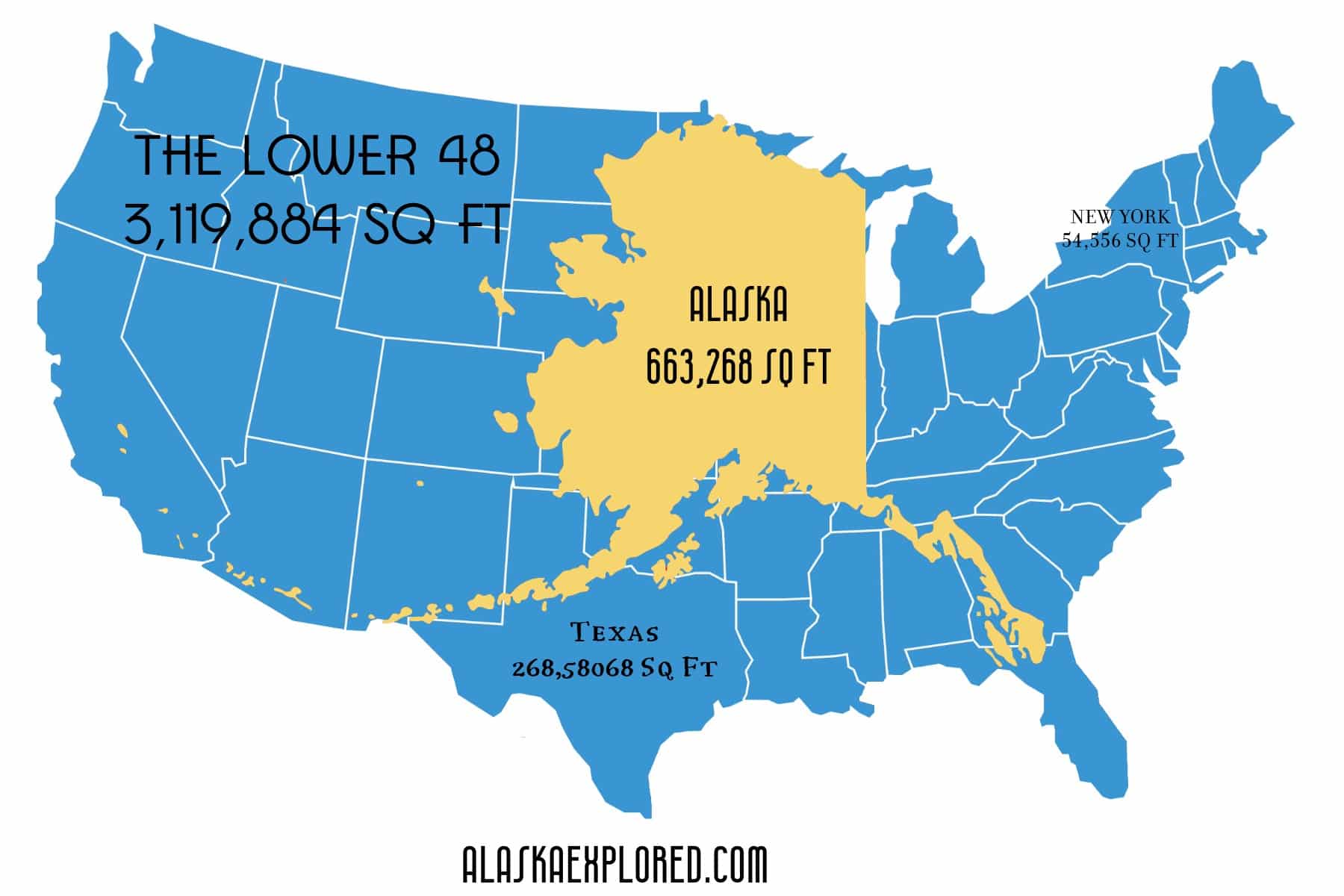
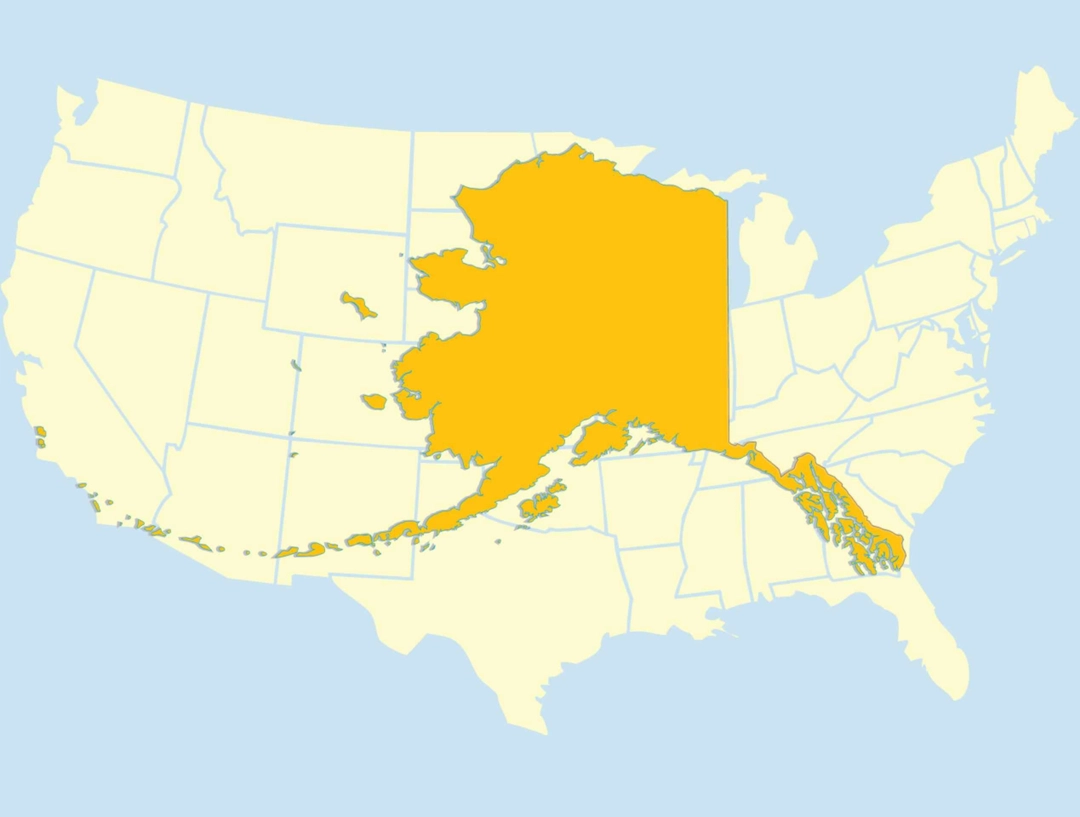
To truly appreciate the scale of Alaska, comparisons are essential. Imagine combining the next two largest states, Texas and California, and you still wouldn’t match Alaska’s landmass. In fact, Alaska is more than twice the size of Texas and accounts for roughly one-fifth of the entire land area of the United States.
Let’s put this into a global context. Alaska is larger than many sovereign nations. It’s bigger than Germany, France, and Spain combined. It’s roughly the size of Japan, and its total area is equivalent to about 21 of the smallest U.S. states, including Rhode Island, Delaware, and Connecticut. Its coastline, stretching over 34,000 miles (including islands), is longer than all the coastlines of the other 49 states combined.
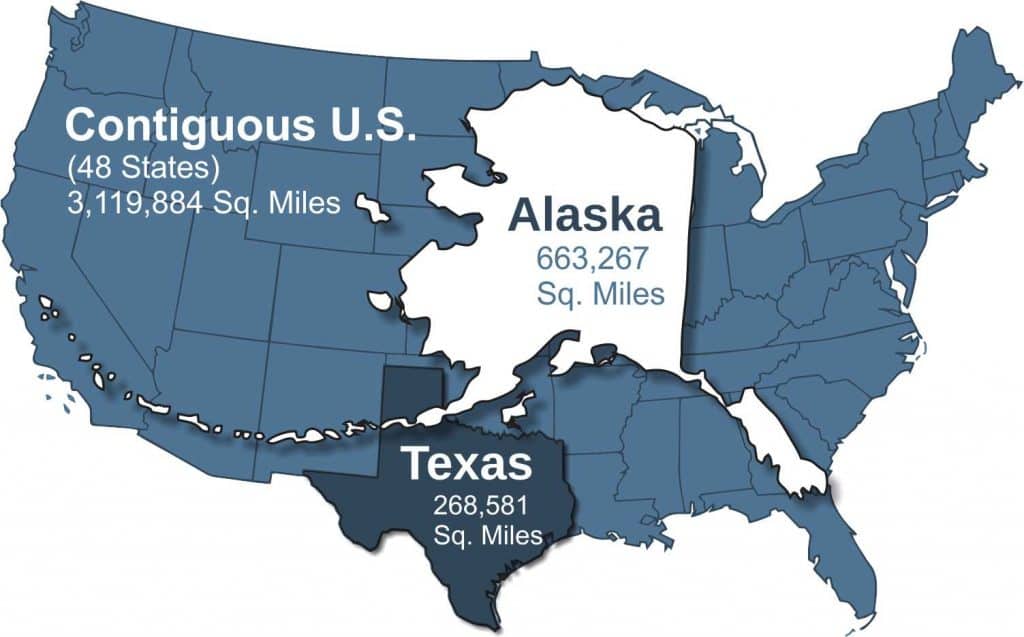
This unparalleled size means that distances between major cities and attractions can be vast, often requiring flights or multi-day journeys. For travelers, this translates into an opportunity for extended exploration, where each region offers a distinctly different experience. Understanding this geographical reality is the first step in planning any successful Alaska trip, whether you’re interested in remote wilderness accommodations or luxurious city hotels.
Geographical Diversity Across Vast Expanses
Alaska’s colossal size enables an incredible array of geographical features and climates. From temperate rainforests in the southeast to glacial fjords, towering mountain ranges, sprawling tundra, and even parts of the Arctic Circle, the state is a microcosm of diverse natural beauty.
The state is home to 17 of the 20 highest peaks in the United States, including Mount Denali (formerly Mount McKinley), the tallest mountain in North America. These majestic peaks are part of ranges like the Alaska Range, the Brooks Range, and the Chugach Mountains, carving dramatic landscapes that beckon adventurers.
Its watery borders are equally impressive, touching three different seas: the Arctic Ocean to the north, the Pacific Ocean to the south, and the Bering Sea to the west. This maritime influence contributes to its rich marine life and extensive network of fjords and islands, creating an ideal environment for unique coastal travel experiences, such as glacier cruises and fishing excursions. The ecosystems vary dramatically from one region to another, supporting an incredible diversity of wildlife, making Alaska a prime destination for wildlife viewing and nature photography.
Experiencing Alaska: A Traveler’s Dream Destination
Given its monumental size and diverse geography, Alaska offers an unparalleled array of tourism and travel experiences. Whether you’re an avid hiker, a wildlife enthusiast, a cruise lover, or someone simply seeking breathtaking scenery and unique cultural encounters, Alaska delivers. Each region presents its own distinct charm and set of attractions, promising an unforgettable adventure for every type of traveler.
Iconic National Parks and Wildlife Encounters
Alaska is often synonymous with wilderness, and its numerous national parks and preserves are testament to its commitment to preserving its natural grandeur. These protected areas are prime destinations for wildlife viewing, hiking, and experiencing the raw beauty of the Last Frontier.
The crown jewel is arguably Denali National Park and Preserve, home to Mount Denali. Covering over 6 million acres, the park is larger than the entire state of Massachusetts. Visitors can embark on bus tours deep into the park, offering incredible opportunities to spot grizzly bears, moose, caribou, wolves, and Dall sheep in their natural habitats. Accommodations within or near Denali range from rustic cabins and campgrounds to luxurious wilderness lodges, providing varying levels of comfort for adventurers.
Further south, Glacier Bay National Park and Preserve is a UNESCO World Heritage Site renowned for its stunning tidewater glaciers, towering fjords, and abundant marine life. Most visitors experience Glacier Bay via cruise ship, marveling as colossal icebergs calve into the sea. Another spectacular coastal park is Kenai Fjords National Park, accessible from Seward. Here, boat tours take visitors past calving glaciers, rocky islands, and provide chances to see whales, puffins, and sea lions. Many prefer hotels or lodges in Seward as a base for these excursions.
Beyond the national parks, Alaska offers countless opportunities for wildlife encounters. Kodiak Island is famous for its Kodiak brown bears, while the Alaska Wildlife Conservation Center near Anchorage provides an up-close look at various Alaskan animals, from bison to musk oxen. These experiences are fundamental to the Alaska travel experience, offering memories that last a lifetime.
Coastal Wonders: Cruising the Inside Passage
One of the most popular ways to experience a significant portion of Alaska is by cruising the Inside Passage. This intricate network of waterways winds through islands, fjords, and coastal towns in Southeast Alaska, offering a serene and picturesque journey through lush rainforests and past glimmering glaciers.
Cruises typically depart from Seattle, Vancouver, or Whittier and stop at charming port towns such as Juneau (the state capital, uniquely accessible only by air or sea), Ketchikan, Skagway, and Sitka. In Juneau, visitors can explore the magnificent Mendenhall Glacier and whale watch. Ketchikan, known as the “Salmon Capital of the World,” boasts a rich Tlingit culture and impressive totem poles. Skagway offers a step back in time to the Klondike Gold Rush era with its historic White Pass and Yukon Route Railroad.
These cruise experiences blend luxurious ship amenities with opportunities for shore excursions that delve into local culture, history, and natural beauty. For many, it’s the ideal way to see multiple Alaskan destinations without the hassle of constantly changing accommodations or navigating vast distances.
Urban Adventures and Cultural Immersion
While Alaska’s wilderness is a primary draw, its cities offer vibrant cultural experiences, comfortable hotels, and a chance to learn about the state’s unique history and contemporary lifestyle.
Anchorage, the largest city, serves as a major hub for flights into Alaska and a gateway to many adventures. It offers a range of hotels, from the iconic Hotel Captain Cook to modern boutique options. Visitors can explore the Anchorage Museum to learn about Alaskan art, history, and indigenous cultures, or hike and bike the extensive trail systems, like the Tony Knowles Coastal Trail, offering stunning views of Cook Inlet and the Chugach Mountains.
Fairbanks, in the interior, is known as the “Golden Heart City” and is the best place to witness the magical Northern Lights (Aurora Borealis) during the darker months. It’s also a great base for exploring the Arctic Circle and learning about gold rush history at destinations like Gold Dredge 8. For a taste of the quintessential Alaskan lifestyle, small towns like Talkeetna offer charming Main Streets, access to flightseeing tours of Mount Denali, and a glimpse into local life.
The Iditarod Trail Sled Dog Race embodies the spirit of Alaska, with the ceremonial start in Anchorage and the finish in Nome, drawing global attention to this unique Alaskan tradition. Experiencing these events, or simply enjoying local cuisine like fresh seafood and reindeer sausage, offers deep cultural immersion.
Planning Your Alaskan Journey: Logistics and Lifestyle
The vastness of Alaska necessitates careful planning, particularly when it comes to transportation and accommodation. Understanding the seasonal variations and the unique lifestyle of the state will significantly enhance your travel experience, whether you’re embarking on a luxurious escape or a budget-conscious adventure.
Navigating the Vastness: Transportation Options
Given its immense size, getting around Alaska requires strategic planning. Unlike smaller states, driving across Alaska from end to end is often not feasible or practical due to lack of roads and immense distances.
- Flights: Air travel is often the quickest and most efficient way to cover long distances between major cities like Anchorage, Fairbanks, and Juneau. Bush planes and floatplanes are essential for reaching remote lodges, fishing camps, and wilderness areas, offering breathtaking scenic flights as part of the journey.
- Rail: The Alaska Railroad offers scenic train journeys between Seward, Anchorage, Talkeetna, and Fairbanks. Routes like the Denali Star and Coastal Classic provide comfortable travel with large viewing windows, perfect for sightseeing and wildlife spotting. This is a popular option for those seeking a more relaxed pace and stunning vistas without the need for driving.
- Cruises and Ferries: As mentioned, cruises are popular for exploring the Inside Passage. Additionally, the Alaska Marine Highway System (ferries) provides vital transportation for locals and tourists, connecting coastal communities and allowing travelers to bring their vehicles. This is a fantastic option for a unique, multi-day coastal journey.
- Rental Cars: Rental cars are suitable for exploring specific regions, such as the areas around Anchorage, the Kenai Peninsula (including Seward and Homer), or driving the scenic route between Anchorage and Fairbanks. However, keep in mind that many roads are unpaved, and some remote areas, like much of Denali National Park, restrict private vehicle access. Driving the infamous Dalton Highway to the Arctic Circle is an adventure reserved for robust vehicles and experienced drivers.
Accommodation Choices for Every Traveler
Alaska’s diverse landscapes and traveler demographics mean a wide array of accommodation options, catering to every preference and budget.
- Luxury Resorts and Hotels: For those seeking comfort and upscale amenities, cities like Anchorage and Girdwood offer top-tier hotels and resorts. The Alyeska Resort in Girdwood provides ski-in/ski-out access in winter and panoramic mountain views year-round, complete with fine dining and spa services. Many high-end wilderness lodges offer all-inclusive packages that combine luxurious stays with guided outdoor activities.
- Boutique Hotels and Inns: Charming boutique hotels and bed-and-breakfasts can be found in smaller towns like Talkeetna, Homer (overlooking Kachemak Bay), and Sitka, offering personalized service and a cozy atmosphere.
- Wilderness Lodges and Cabins: For immersive nature experiences, wilderness lodges, often accessible only by plane or boat, provide unparalleled access to remote areas. These range from rustic, off-grid cabins to more comfortable, full-service lodges offering guided excursions. Booking these well in advance is crucial, especially during peak season.
- Vacation Rentals and Apartments: For families or longer stays, vacation rentals like apartments and homes are available in many cities and towns, offering more space and the flexibility of self-catering. This option can be particularly appealing for budget travel or those seeking a more local experience.
- Campgrounds and RV Parks: Alaska is a haven for campers and RV enthusiasts. State parks, national parks, and private campgrounds offer sites ranging from primitive to full-hookup, providing an affordable way to stay close to nature. Chugach State Park, near Anchorage, offers accessible camping with stunning mountain views.
When considering accommodation in Alaska, it’s important to read reviews, compare options, and book early, especially for popular destinations during the peak summer months.
Seasonal Travel and Unique Alaskan Lifestyles
The Alaskan lifestyle is deeply intertwined with its seasons, each offering a distinct travel experience.
- Summer (June – August): This is peak tourism season, characterized by long daylight hours (the “Midnight Sun”), mild temperatures, and full access to all attractions. It’s ideal for wildlife viewing, hiking, fishing, and cruising. However, it’s also the busiest and most expensive time to visit, requiring advance booking for accommodations and tours.
- Shoulder Seasons (May & September): These months offer a balance of fewer crowds, lower prices, and often pleasant weather. May sees spring blossoms and thawing landscapes, while September brings stunning fall foliage and good opportunities for Northern Lights viewing as the nights grow longer.
- Winter (October – April): Alaska transforms into a winter wonderland, offering unique activities like dog sledding, cross-country skiing, ice fishing, and, most famously, aurora borealis viewing, especially in Fairbanks. Many hotels and resorts, like Alyeska Resort, cater to winter sports enthusiasts. While some remote areas become inaccessible, cities like Anchorage and Fairbanks remain vibrant with winter festivals and activities, providing a glimpse into the resilient and resourceful Alaskan way of life.
The sheer size of Alaska isn’t just a geographical descriptor; it’s a promise of unparalleled adventure, diverse environments, and a truly unforgettable travel destination. From its towering peaks and majestic glaciers to its vibrant cities and rich indigenous cultures, Alaska invites travelers to explore, discover, and immerse themselves in the grandest state in the United States. So, yes, Alaska is indeed the biggest state, and it’s a destination that fully lives up to its colossal reputation.
LifeOutOfTheBox is a participant in the Amazon Services LLC Associates Program, an affiliate advertising program designed to provide a means for sites to earn advertising fees by advertising and linking to Amazon.com. Amazon, the Amazon logo, AmazonSupply, and the AmazonSupply logo are trademarks of Amazon.com, Inc. or its affiliates. As an Amazon Associate we earn affiliate commissions from qualifying purchases.