
When planning a trip, selecting the right airline can significantly impact your overall travel experience, influencing everything from your budget and comfort to the efficiency of your journey. In the United States, two prominent carriers often come up in discussions about value, service, and reach: Southwest Airlines and Alaska Airlines. Both have carved out distinct niches in the competitive aviation landscape, appealing to different types of travelers with their unique operational models, service philosophies, and network strengths. Deciding which one is “better” ultimately depends on your individual priorities, whether you’re a family seeking budget-friendly flexibility, a business traveler prioritizing efficiency, or an adventurer looking to explore diverse destinations.
This comprehensive comparison will delve into the critical aspects that differentiate these two carriers, examining their route networks, in-flight experiences, loyalty programs, pricing structures, and overall value propositions. By dissecting these elements, we aim to provide clarity for your next booking, helping you determine which airline aligns best with your travel style and preferences, enhancing your overall journey from departure to arrival and even your choice of accommodation at your destination.
A Comprehensive Look at Two Distinct U.S. Carriers
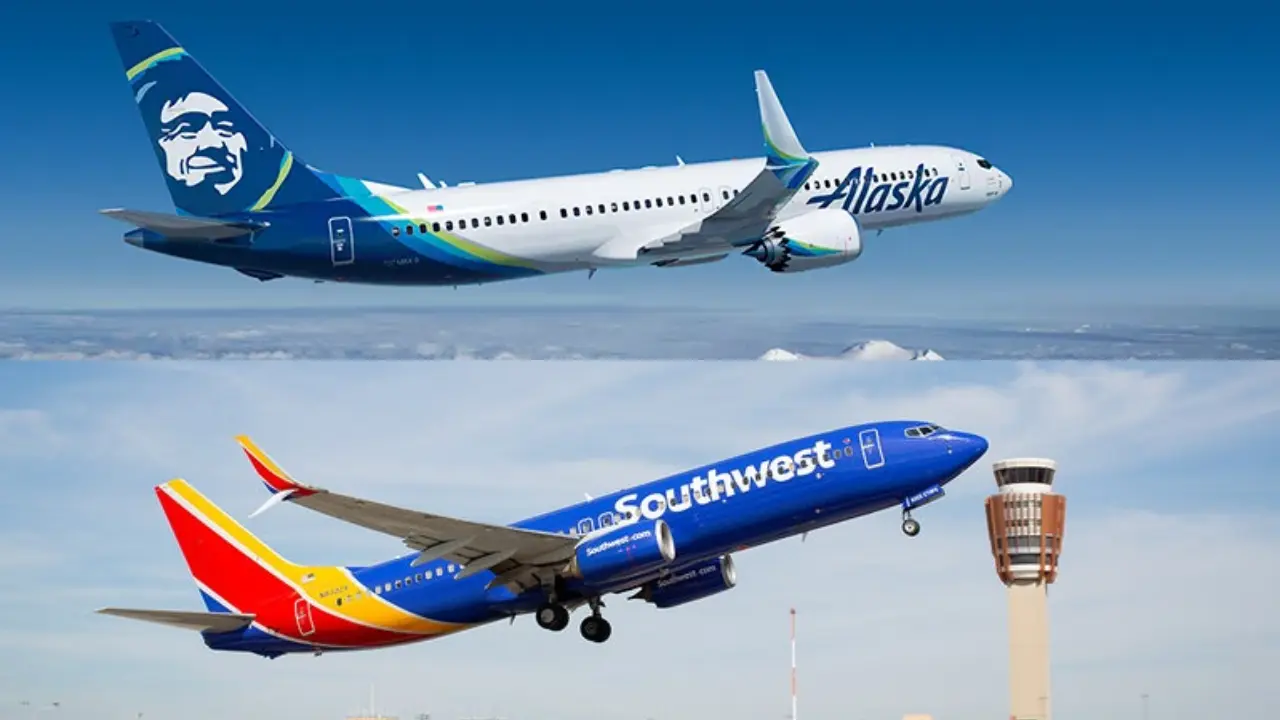
At a glance, Southwest Airlines and Alaska Airlines represent different philosophies in the airline industry. Southwest, often lauded as the pioneer of the low-cost carrier model, built its reputation on simplicity, transparency, and a fun-loving corporate culture. It revolutionized domestic air travel by doing away with assigned seating, offering two free checked bags, and maintaining a straightforward fare structure without pesky change fees. This approach has endeared it to a vast segment of travelers, particularly families and budget-conscious individuals who appreciate its no-frills yet reliable service. For many, Southwest embodies a relaxed lifestyle of travel, prioritizing ease and value over luxury.
Alaska Airlines, on the other hand, while also known for excellent customer service, operates with a more traditional hub-and-spoke model and offers a more tiered cabin experience. It has a strong legacy rooted in serving its namesake state and the U.S. West Coast, gradually expanding its footprint across the nation. Alaska provides a more conventional airline experience with assigned seating, multiple cabin classes including First Class, and a robust loyalty program integrated with a global alliance. Its focus is on offering a quality experience with options for premium travel, appealing to a demographic that might seek more comfort or extensive network connections through partners. For those whose travel often involves connections or a desire for a more refined in-flight experience, Alaska presents a compelling choice, blending regional strength with national reach and global aspirations.

Route Networks and Destination Appeal
The breadth and depth of an airline’s route network are often primary considerations for travelers. Both Southwest and Alaska have extensive networks, but their operational strategies and geographic focuses differ significantly, impacting the convenience and options available to passengers. Understanding these differences is key to choosing an airline that can get you where you want to go efficiently, whether you’re exploring landmarks or relaxing at a resort.
Southwest’s Point-to-Point Network and Domestic Dominance
Southwest Airlines operates a highly effective point-to-point network rather than a traditional hub-and-spoke system, meaning flights often go directly between cities without necessarily routing through a major hub. This can lead to more direct flights and potentially shorter travel times for specific city pairs. Southwest primarily dominates the domestic U.S. market, serving over 100 destinations across the country. They are particularly strong in high-traffic leisure markets and often utilize secondary airports, which can sometimes offer easier access and quicker transit times compared to larger, more congested international hubs. For instance, in Chicago, they operate out of Chicago Midway rather than O’Hare, and in Dallas, they fly from Dallas Love Field instead of DFW.
Key bases and strongholds for Southwest include major metropolitan areas and popular vacation spots such as Denver, Baltimore, Houston Hobby, Phoenix, Orlando, and Las Vegas. Their extensive domestic reach makes them an excellent choice for intra-U.S. travel, whether for family visits, budget travel vacations, or business stays. While primarily domestic, Southwest has also expanded its network to include select international destinations, primarily leisure-focused routes to Mexico, the Caribbean, and Central America. This offers a seamless experience for those looking for quick getaways to popular resort areas without the complexities often associated with larger international carriers. Their frequent flights and extensive options make them a go-to for many American travelers seeking convenience and consistency.
Alaska’s West Coast Stronghold and Growing National Presence
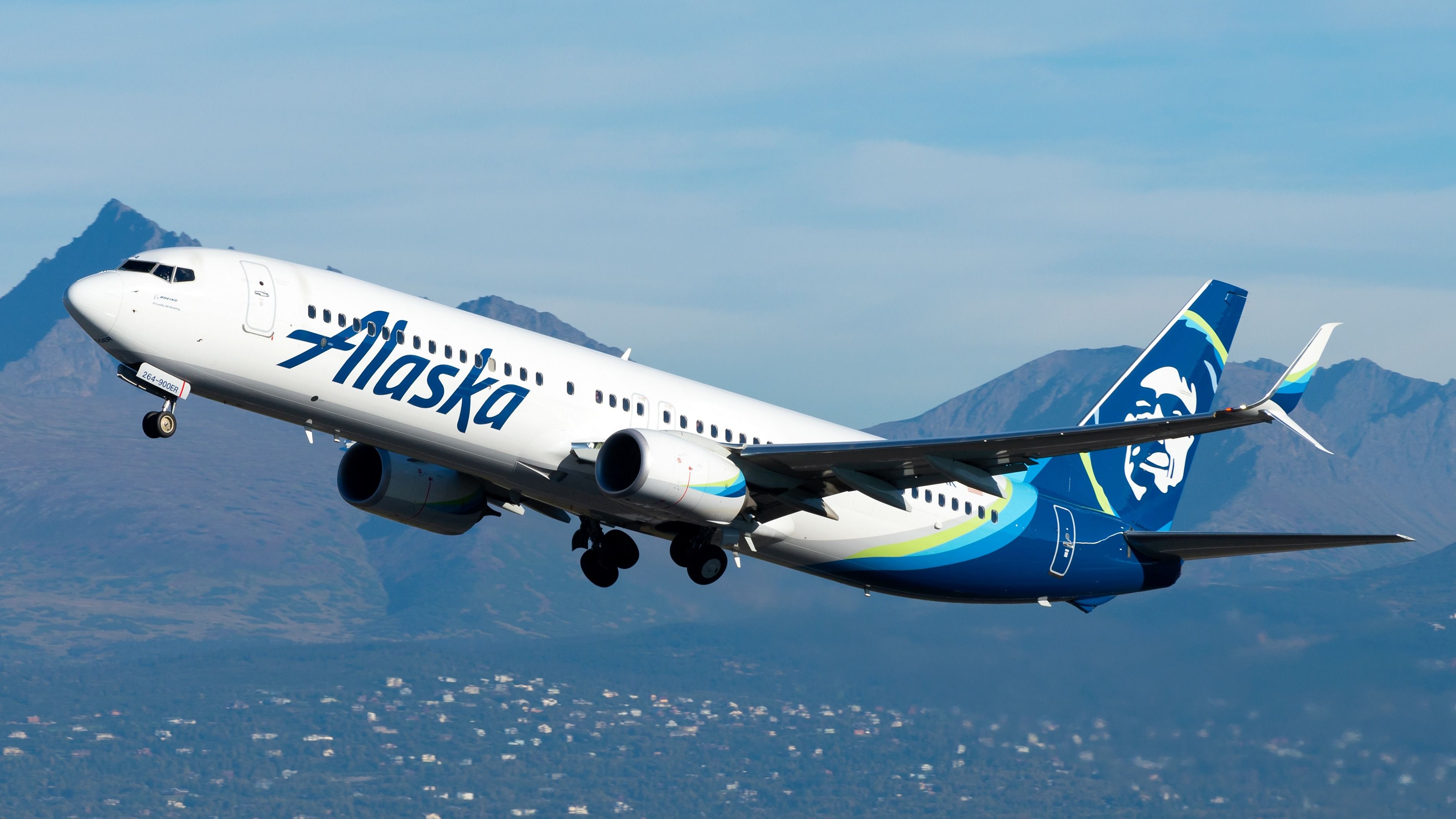
Alaska Airlines has a storied history and an incredibly strong presence on the U.S. West Coast, where it maintains its primary hubs. Cities like Seattle, Portland, San Francisco, and Los Angeles serve as critical gateways for the airline, facilitating travel across the Pacific Northwest, California, and beyond. For anyone traveling within or to these regions, Alaska often provides the most extensive flight options, competitive pricing, and unparalleled local knowledge, an essential aspect for those seeking authentic tourism experiences.
In recent years, Alaska has strategically expanded its network to increase its national presence, adding routes to the East Coast and Midwest to connect its West Coast strongholds with major business and leisure markets across the country. This expansion makes them a more viable option for cross-country travel. Furthermore, a significant advantage for Alaska Airlines is its membership in the Oneworld Alliance. This alliance grants passengers access to a vast global network through partner airlines like American Airlines, British Airways, Cathay Pacific, and Qantas. This means that travelers flying Alaska Airlines can seamlessly connect to international destinations worldwide, earn and redeem miles across the alliance, and enjoy reciprocal elite benefits. This global connectivity is a significant draw for international travelers, those on luxury travel journeys, or individuals whose business takes them beyond North America, offering a level of reach that Southwest Airlines’ more limited international direct routes cannot match.
In-Flight Experience and Amenities
The experience from the moment you step onto the plane until you disembark can vary greatly between airlines. Factors such as seating, entertainment, and complimentary services play a crucial role in passenger comfort and satisfaction, whether you’re on a short hop or a longer transcontinental flight.
Southwest’s Open Seating and Complimentary Bags
The in-flight experience on Southwest Airlines is synonymous with its unique open seating policy. Unlike most airlines where seats are assigned, Southwest allows passengers to choose any available seat once on board, based on their boarding group. This system can be a point of contention for some, but many appreciate the flexibility, especially family trips where finding seats together is a priority if boarding early. The cabin is configured with all economy seats, meaning there’s no dedicated First Class or Premium Economy section. However, seat pitch and width are generally considered comfortable for an economy product.
One of Southwest’s most compelling amenities, and a significant differentiator, is its generous baggage policy: every passenger is allowed two free checked bags. In an era where most airlines charge for even one checked bag, this policy represents substantial savings, particularly for families, travelers with sports equipment, or those on longer trips. This can dramatically reduce the overall cost of a trip, making Southwest an incredibly attractive option for budget-conscious travelers and those who prefer not to travel light. In terms of entertainment, Southwest offers in-flight Wi-Fi for purchase, along with a selection of free movies, TV shows, and live TV channels accessible on personal devices. They also provide complimentary non-alcoholic beverages and a small snack on most flights, aligning with their focus on simple, inclusive service without hidden costs.
Alaska’s Varied Cabin Classes and Entertainment Options
Alaska Airlines provides a more traditional tiered cabin experience designed to cater to a broader range of traveler preferences and budgets. Passengers can choose from three main cabin classes: First Class, Premium Class, and Economy (Main Cabin). First Class offers spacious recliner seats, dedicated service, complimentary meals, and alcoholic beverages, providing a premium experience ideal for luxury travel or long-haul domestic flights. Premium Class offers extra legroom, early boarding, and complimentary alcoholic beverages, striking a balance between comfort and cost. The Main Cabin, while standard economy, often features comfortable seating and standard amenities. All seats are assigned, which is preferred by many travelers who value certainty in their seating arrangements.
Regarding baggage, Alaska Airlines follows the industry standard of charging for checked bags, though elite members of their loyalty program and certain credit card holders may receive complimentary checked bags. For in-flight entertainment, Alaska offers a robust system with free streaming entertainment to personal devices, featuring a wide selection of movies and TV shows. Many aircraft are equipped with power outlets at every seat, a crucial amenity for business travelers or anyone needing to keep devices charged. They also offer Wi-Fi for purchase. Unlike Southwest, Alaska provides a selection of food and alcoholic beverages for purchase in the Main Cabin, in addition to complimentary non-alcoholic drinks, allowing passengers to customize their in-flight dining experience. This multi-tiered approach allows Alaska to appeal to a wider audience, from those seeking basic transportation to those desiring an elevated travel experience, even offering more options for hotels or suites to complete the journey.
Loyalty Programs and Customer Service
A robust loyalty program can transform how travelers choose an airline, offering rewards, perks, and a sense of recognition. Both Southwest and Alaska boast highly regarded programs, but their structures and benefits cater to different priorities. Customer service, too, plays a vital role in overall satisfaction and repeat business, shaping the perception of the entire travel journey.
Southwest’s Rapid Rewards: Simplicity and Value
Southwest Airlines’ loyalty program, Rapid Rewards, is celebrated for its straightforwardness and exceptional value, particularly for domestic travelers. Points are earned based on the fare paid and the type of fare (Wanna Get Away, Anytime, Business Select), making it easy to understand how many points you’ll earn. A standout feature of Rapid Rewards is that points are tied to the cash value of the fare and there are no blackout dates, meaning if a seat is available for purchase, it’s available for redemption with points. This flexibility is a huge draw for travelers who want to use their points when they choose, without restrictions.
However, the crown jewel of Rapid Rewards is undoubtedly the Companion Pass. This highly coveted benefit allows a designated companion to fly with the member for free, only paying taxes and fees, on both paid and award flights for an entire calendar year (plus the remainder of the year it was earned). For couples, families, or frequent travelers, the Companion Pass can represent thousands of dollars in savings, making it one of the most valuable airline perks in the industry. Southwest Airlines also consistently ranks highly for its customer service. Their famously friendly staff, coupled with a flexible change policy (no change fees, only pay the fare difference), contributes to a perception of an airline that prioritizes passenger satisfaction and reduces travel stress. This strong emphasis on customer care enhances the overall travel experience, contributing to a loyal customer base for both leisure and business stays.
Alaska’s Mileage Plan: Earning Power and Alliance Benefits
Alaska Airlines’ loyalty program, Mileage Plan, is often lauded by points and miles enthusiasts for its high-value redemption opportunities and its flexible approach to earning. Unlike some programs that have shifted to revenue-based earning for award miles, Mileage Plan still largely awards miles based on the distance flown, often at generous rates, particularly for elite members. This can be highly beneficial for frequent flyers on longer routes. Elite status tiers within Mileage Plan offer valuable perks such as complimentary upgrades to First Class or Premium Class, free checked bags, priority boarding, and lounge access, significantly enhancing the travel experience for loyal customers.
A major strength of Mileage Plan lies in its extensive network of airline partners. As a member of the Oneworld Alliance, Alaska Airlines allows members to earn and redeem miles on a wide array of global carriers, including American Airlines, British Airways, Cathay Pacific, and Qantas, among others. This flexibility offers incredible opportunities for international travel and maximizing point value, especially for those venturing to far-flung destinations or seeking unique experiences. Alaska also maintains a strong reputation for customer service, often being recognized for its friendly flight attendants and attentive ground staff. While its network reach might be smaller than some mega-carriers, its commitment to service ensures a positive experience, and its alliance partnerships provide robust recovery options even in challenging situations, adding a layer of security for those considering long-term stay options or complex itineraries.
Pricing, Flexibility, and Overall Value
When it comes to the bottom line, pricing and the flexibility offered by an airline are paramount. The “best” airline often comes down to which one provides the most value for a traveler’s specific needs, balancing upfront costs with potential hidden fees, baggage allowances, and the ability to adapt to changing plans.
Southwest’s Transparent Pricing and No Change Fees
Southwest Airlines has built its brand on transparent pricing and a commitment to customer-friendly policies that eliminate many of the frustrations common in air travel. Their fare structure is simple, generally offering three fare types: Wanna Get Away (their most restrictive but cheapest option), Anytime (more flexible and refundable), and Business Select (premium benefits, fully refundable). A cornerstone of their value proposition is the absence of change fees. If your plans change, you only pay the difference in fare, or receive a credit for future travel if the new fare is cheaper. This flexibility is a significant benefit for all travelers, from those on a tight budget travel plan to business stays where schedules often shift.
Furthermore, the inclusion of two free checked bags with every fare is a major cost-saver that directly impacts the overall value. For families, individuals with significant luggage, or those traveling with sports equipment, this can represent a saving of $60-$120 or more per round trip compared to other airlines that charge for bags. When comparing ticket prices, it’s crucial to factor in these additional costs when looking at other carriers. For many, Southwest’s comprehensive pricing, which includes bags and flexibility, often makes them the most competitive choice, especially for domestic travel or family trips where minimizing stress and unexpected costs is a high priority. This straightforward approach removes much of the complexity and financial anxiety associated with booking flights, aligning perfectly with a hassle-free lifestyle of travel.
Alaska’s Competitive Fares with Tiered Options
Alaska Airlines offers a competitive fare structure that includes various options to suit different preferences and budgets. Their primary fare classes are Saver (their basic economy equivalent, with restrictions like no seat selection and last to board), Main (standard economy with assigned seating and more flexibility), and First Class (premium experience). While Saver fares are typically the cheapest, they come with limitations, and passengers should carefully review the terms before booking. Main fares generally offer more flexibility, including the ability to change flights with a fare difference, and are often waived for elite status members or certain credit card holders, providing a good balance of cost and convenience.
Unlike Southwest, Alaska Airlines charges for checked bags for most passengers, unless they have elite status, an eligible co-branded credit card, or are flying in First Class. These baggage fees can add up, so it’s essential to consider them when comparing the total cost of a ticket. Despite these additional fees, Alaska Airlines often offers very competitive base fares, especially on its West Coast routes, and through its Oneworld Alliance partnerships, it can provide excellent value for international itineraries. For travelers seeking a more comfortable experience, the ability to upgrade to Premium Class or First Class offers significant added value, particularly for longer flights or those on important business stays. The value proposition with Alaska Airlines often comes down to how well a traveler can leverage their loyalty program benefits, credit card perks, or whether the flight path perfectly matches their desired destinations and attractions. For those looking at accommodation comparison or booking luxury hotels, Alaska’s offerings might feel more aligned with a premium overall travel package.
Conclusion: Who Wins for Your Travel Style?
Ultimately, the question of whether Southwest Airlines or Alaska Airlines is “better” doesn’t have a universal answer. Both are reputable carriers with strong customer loyalty, but they excel in different areas and cater to distinct traveler profiles.
Choose Southwest if:
- You prioritize budget-friendly travel and appreciate transparent pricing with no hidden fees.
- You travel with checked bags (especially two or more) and want to avoid baggage fees.
- You value flexibility with flight changes and appreciate the absence of change fees.
- You prefer a simple, consistent in-flight experience without the need for multiple cabin classes.
- You primarily fly domestically within the U.S. or to popular leisure destinations in Mexico and the Caribbean.
- You’re attracted to the incredible value of the Rapid Rewards Companion Pass.
- You appreciate a friendly, often light-hearted approach to customer service.
Choose Alaska Airlines if:
- You frequently travel to or from the West Coast and value a strong regional network.
- You desire global connectivity through the Oneworld Alliance for international travel and seamless connections.
- You prefer a more traditional airline experience with assigned seating and the option for First Class or Premium Class comfort.
- You can leverage their Mileage Plan program’s elite benefits or high-value redemptions, especially on partner airlines.
- You prefer a robust in-flight entertainment system with streaming options and power outlets.
- You are a business traveler or someone who values a more refined experience with diverse service options, from various suites to more diverse accommodation options.
For a family trip to Orlando with lots of luggage, Southwest Airlines might be the clear winner. However, for a business stay from Seattle to London, leveraging Alaska Airlines’s Oneworld Alliance connections through British Airways would likely be superior. Evaluate your specific travel needs, budget, desired level of comfort, and loyalty program preferences. By doing so, you can make an informed decision that will lead to a more enjoyable and efficient journey, aligning with your ideal lifestyle and ensuring you get the most out of your travel experiences.
LifeOutOfTheBox is a participant in the Amazon Services LLC Associates Program, an affiliate advertising program designed to provide a means for sites to earn advertising fees by advertising and linking to Amazon.com. Amazon, the Amazon logo, AmazonSupply, and the AmazonSupply logo are trademarks of Amazon.com, Inc. or its affiliates. As an Amazon Associate we earn affiliate commissions from qualifying purchases.