
California, a land of sun-kissed beaches, towering redwoods, and vibrant metropolises, operates primarily under a single time zone, a detail of paramount importance for anyone planning a visit, conducting business, or simply curious about the rhythm of life in the Golden State. For travelers from afar, understanding this temporal distinction is not merely a matter of setting a watch; it’s a foundational piece of knowledge that influences everything from flight arrivals and hotel bookings to dinner reservations and the timing of iconic landmark visits.
As a premier destination for tourism and travel, California’s time zone directly impacts the planning and enjoyment of your experience. Whether you’re dreaming of a luxury travel escape to a Beverly Hills resort, a family trip to Disneyland Park, or an adventurous outdoor excursion to Yosemite National Park, knowing the local time ensures a seamless journey. This article delves into the specifics of California’s time zone, its practical implications for visitors, and how understanding it can enhance every aspect of your California adventure, from selecting the perfect accommodation to immersing yourself in the local lifestyle.
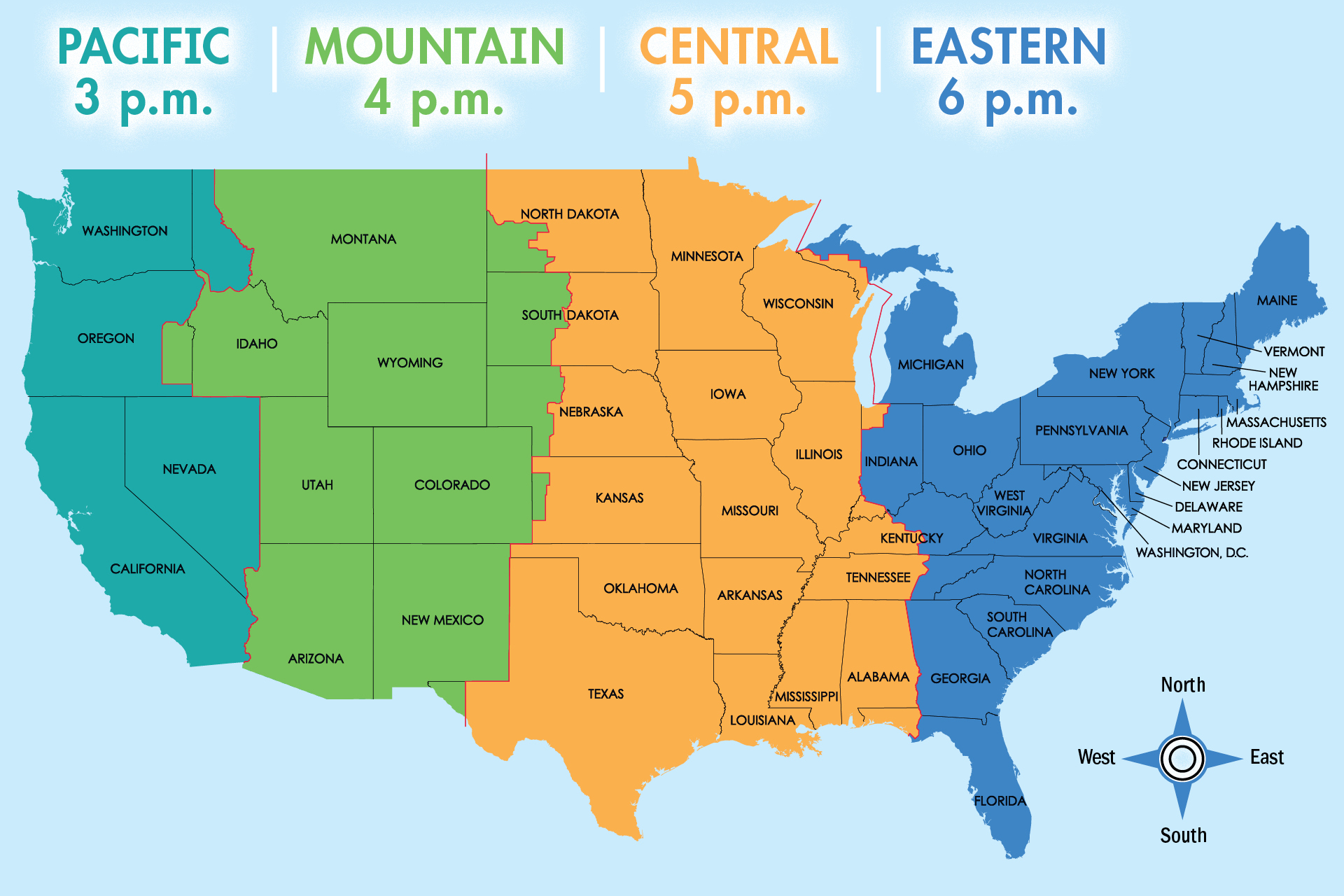
Understanding California’s Time Zone: Pacific Time Explained
At its core, California adheres to the Pacific Time Zone, which encompasses a vast geographical area across the western United States, parts of Canada, and Mexico. However, this isn’t a static designation throughout the year, as the observance of Daylight Saving Time introduces a crucial seasonal shift.
Pacific Standard Time (PST) vs. Pacific Daylight Time (PDT)
The year in California is typically divided into two time observance periods:
- Pacific Standard Time (PST): This is the base time zone, observed during the autumn and winter months. It is 8 hours behind Coordinated Universal Time (UTC-8). From the first Sunday in November until the second Sunday in March, clocks in California are set to PST. During this period, a traveler arriving from New York City (Eastern Standard Time) would experience a three-hour time difference, while someone from London (GMT/UTC) would be eight hours ahead of California.
- Pacific Daylight Time (PDT): During spring and summer, California observes Daylight Saving Time, and the time zone shifts to Pacific Daylight Time (PDT). This means clocks are advanced by one hour, making PDT 7 hours behind Coordinated Universal Time (UTC-7). This change typically occurs on the second Sunday in March and reverts to PST on the first Sunday in November. The primary purpose of Daylight Saving Time is to make better use of daylight, providing more light in the evenings during warmer months, which is particularly beneficial for tourism and outdoor activities.
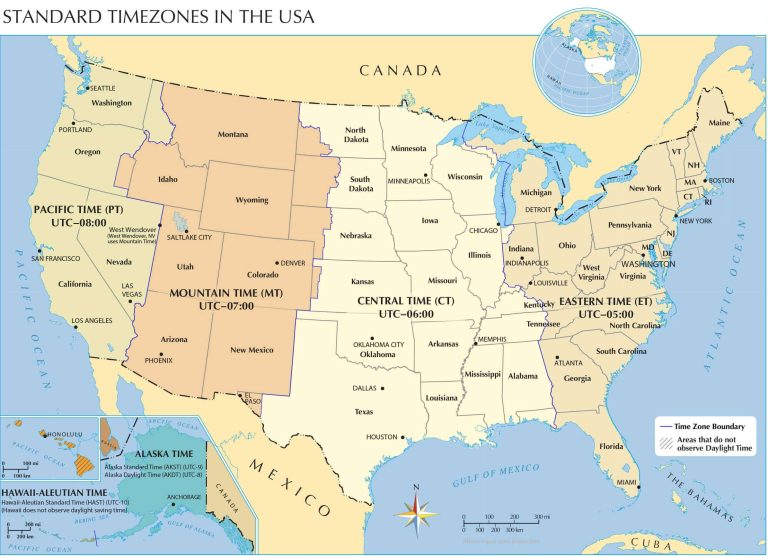
Understanding this seasonal switch is critical for flight schedules, booking tours, and even coordinating video calls for business stays. Always confirm whether you’re dealing with PST or PDT when making plans, especially around the transition dates.
The Geographical Scope of the Pacific Time Zone
The Pacific Time Zone isn’t exclusive to California. It also covers all or parts of several other United States states, including Oregon, Washington, and Nevada. A portion of northern Idaho also observes Pacific Time. Internationally, the Canadian province of British Columbia and a significant part of Baja California in Mexico align with this time zone. This uniformity across a broader region simplifies cross-state or border travel within the Pacific Time Zone, eliminating additional time adjustments. However, travelers venturing east into the Mountain Time Zone, Central Time Zone, or Eastern Time Zone will need to make the necessary adjustments to avoid missing connections or appointments.
The Impact on Travel and Tourism in California
For anyone planning to visit or relocate to California, the time zone plays a significant role in logistical planning and personal well-being. From managing jet lag to synchronizing with local attractions, awareness of the time difference is paramount for a smooth and enjoyable experience.
Planning Your Itinerary: Timing is Everything
When crafting your California itinerary, always factor in the local time. For example, if you’re flying into Los Angeles International Airport (LAX) from the Eastern Time Zone, remember that a 3 PM arrival in California will feel like 6 PM to your internal clock. This can affect your energy levels for initial activities and your ability to check into your hotel or apartment without feeling rushed.
Booking specific attractions or experiences also demands careful attention to time. A sunset cruise departing from San Francisco at 5 PM local time might feel like a much earlier start for those adjusting from a significant time difference. Similarly, securing dinner reservations in popular areas like Napa Valley or San Diego requires aligning with the restaurant’s local operating hours. Always double-check event start times, attraction opening hours, and transportation schedules against your originating time zone to prevent confusion and missed opportunities. Many travel guides and online booking platforms will display times in the local format, but a quick mental conversion can save headaches.
Jet Lag Management for Visitors
Jet lag is an unavoidable reality for many long-haul travelers. Arriving in California from the Eastern Time Zone, Europe, or Asia means your body’s internal clock will be out of sync with the local rhythm. Symptoms like fatigue, irritability, and difficulty sleeping are common. However, several strategies can help minimize its effects:
- Gradual Adjustment: If possible, try to adjust your sleep schedule by an hour or two each day in the days leading up to your trip.
- Hydration: Drink plenty of water during your flight and upon arrival.
- Sunlight Exposure: Seek natural light during California’s daytime hours to help reset your circadian rhythm.
- Strategic Napping: Keep naps short and early in the day to avoid disrupting nighttime sleep.
- Comfortable Accommodation: Choosing an accommodation that prioritizes comfort can be a game-changer. Hotels with soundproof suites, blackout curtains, and plush bedding can significantly aid in getting restful sleep, helping you recover faster. Many luxury resorts even offer spa services and wellness programs designed to combat jet lag and enhance overall well-being.
Business and Conference Travel Considerations
For those visiting California for business stays or conferences, time zone differences are especially critical. Scheduling meetings, attending virtual calls with colleagues in different time zones, and adhering to deadlines require meticulous planning. A meeting scheduled for 9 AM PST/PDT might be 12 PM EST, 5 PM GMT, or even late evening/early morning in Asia. Businesses often employ online scheduling tools that automatically convert times, but a personal understanding of the difference prevents miscommunications. When booking business hotels, look for amenities like 24-hour business centers, high-speed internet, and in-room coffee makers, which can be invaluable when working across time zones.
California’s Diverse Attractions and Time Considerations
California’s appeal lies in its incredible diversity, from bustling urban centers to serene natural wonders. The local time plays a subtle yet significant role in how you experience these varied destinations.
Coastal Wonders and Urban Adventures
Whether you’re strolling along the Santa Monica Pier in Los Angeles, marveling at the Golden Gate Bridge in San Francisco, or experiencing the magic of Disneyland Park in Anaheim, these iconic landmarks operate on strict local time schedules. Theme parks, museums, and historical sites have specific opening and closing hours that must be respected. Planning your visit to popular attractions during off-peak times within the local day (e.g., early morning right after opening or later in the afternoon before closing) can help you avoid crowds and maximize your experience. For instance, an early start in Los Angeles might allow you to enjoy a quieter Hollywood Walk of Fame before the throngs arrive, especially advantageous if you’re still running on “east coast time” and naturally wake up earlier.
Natural Landmarks and Outdoor Experiences
California’s natural beauty is best enjoyed with ample daylight. From the majestic granite cliffs of Yosemite National Park to the serene waters of Lake Tahoe and the ancient trees of Redwood National Park, outdoor adventures are a cornerstone of the California lifestyle. The shift to Pacific Daylight Time in spring and summer extends daylight into the evenings, providing more hours for hiking, kayaking, surfing, or simply taking in the breathtaking vistas. When planning treks or visits to remote areas, always consider sunset times to ensure you can safely return to your accommodation or camping site. Guided tours of natural landmarks will always adhere to local time, so confirm your meeting points and departure times well in advance.
Culinary Journeys and Local Culture
California’s reputation for diverse and innovative food is well-deserved. From farm-to-table restaurants in San Francisco to acclaimed wine tasting experiences in Napa Valley and vibrant food tours in Los Angeles, culinary exploration is a key part of the tourism experience. Restaurant operating hours, reservation slots, and event timings for cooking classes or food festivals are all strictly based on Pacific Time. Booking popular dining spots often requires advance reservations, and arriving on time according to the local clock is expected. Embracing the local meal schedule can also help with jet lag adjustment, as eating at local meal times helps regulate your body’s rhythm.
Optimizing Your California Stay: Beyond the Clock
Understanding California’s time zone is the first step; optimizing your experience means integrating this knowledge into all aspects of your trip, from choosing where to stay to how you embrace the local lifestyle.
Choosing the Right Accommodation
Your choice of accommodation can significantly impact how well you adapt to the new time zone and how smoothly your trip unfolds. California offers an unparalleled range of options, catering to every preference and budget travel style:
- Luxury Resorts: In destinations like Palm Springs, Santa Barbara, or Beverly Hills, luxury resorts offer expansive suites, world-class spas, and attentive service, providing an ideal environment for relaxation and recovery from travel fatigue.
- Boutique Hotels: Found in vibrant neighborhoods in San Francisco or Los Angeles, these offer unique character and personalized experiences, often with a strong emphasis on local culture and design.
- Apartments and Villas: For longer stays or family trips, renting a fully equipped apartment or villa can provide the comforts of home, including a kitchen for self-catering, which can be beneficial for those adjusting to new meal times.
When comparing hotels, consider reviews regarding quietness, bed comfort, and blackout capabilities, all of which contribute to better sleep and quicker time zone adjustment. Many accommodations also offer flexible check-in/check-out options, which can be a lifesaver when dealing with early arrivals or late departures due to time differences.

Mastering Booking and Logistics
Precision in booking is paramount. When reserving flights, car rentals, tours, or hotel rooms, always verify the local time. Online platforms usually display times in the local destination’s time zone, but a quick confirmation ensures no costly mistakes. Confirm all itineraries via email or app notifications and double-check them against your personal travel schedule. Consider travel insurance for greater flexibility, especially if unforeseen delays might impact your tightly scheduled plans. Using a reliable travel guide or working with a travel agent can provide an extra layer of reassurance for complex itineraries.
Embracing the California Lifestyle
Ultimately, a trip to California is about more than just the clock; it’s about embracing a vibrant lifestyle. Whether it’s catching the early morning waves in Malibu, enjoying a leisurely brunch in San Diego, exploring the majestic coastal highway of Big Sur in the afternoon, or savoring late-night dining in Los Angeles, the Golden State encourages an active yet relaxed pace. Be flexible, listen to your body, and allow yourself to adapt. The time zone is a framework, but the true essence of California is in its boundless opportunities for experiences and discoveries, all enjoyed on its own beautiful time.
In conclusion, California operates on the Pacific Time Zone, alternating between Pacific Standard Time (PST) and Pacific Daylight Time (PDT) with the observance of Daylight Saving Time. This singular fact weaves through every aspect of planning and experiencing a trip to this magnificent state. By understanding and proactively addressing the implications of the time zone, visitors can ensure their travel, tourism, and accommodation choices align seamlessly with the local rhythm, leading to a richer, more enjoyable, and truly unforgettable California adventure.
LifeOutOfTheBox is a participant in the Amazon Services LLC Associates Program, an affiliate advertising program designed to provide a means for sites to earn advertising fees by advertising and linking to Amazon.com. Amazon, the Amazon logo, AmazonSupply, and the AmazonSupply logo are trademarks of Amazon.com, Inc. or its affiliates. As an Amazon Associate we earn affiliate commissions from qualifying purchases.