
For any traveler planning a journey to the heart of the Southern United States, understanding local time is a fundamental aspect of preparation. Alabama, a state rich in history, natural beauty, and vibrant culture, operates entirely within a single time zone, simplifying logistics for visitors. The state observes the Central Time Zone, which means it follows Central Standard Time (CST) during the winter months and transitions to Central Daylight Time (CDT) during the warmer seasons. This consistent approach across all 67 counties, from the bustling cities of Birmingham and Huntsville to the serene shores of the Gulf Coast, ensures clarity for residents and tourists alike.
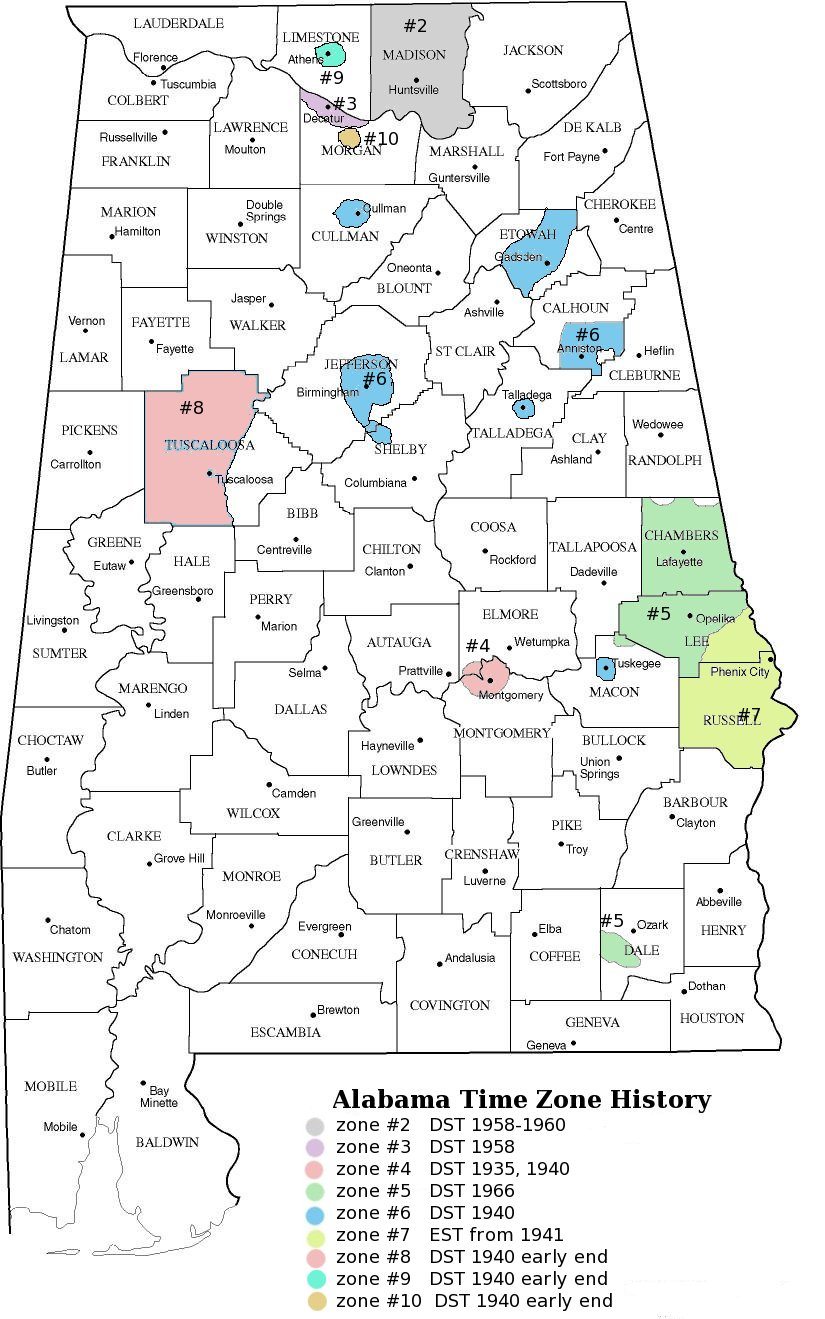
The Central Time Zone is typically six hours behind Coordinated Universal Time (UTC-6) during CST and five hours behind (UTC-5) during CDT. This positioning places Alabama in sync with much of the Midwest and other southern states, making cross-state travel and communication relatively straightforward. For travelers arriving from time zones further east or west, a slight adjustment will be necessary, but the state’s unified approach eliminates any confusion about local time within its borders. Understanding this crucial detail is the first step in seamlessly integrating into the local rhythm and maximizing every moment of an Alabama adventure.
Understanding Alabama’s Geographic Placement and Time Zone
Alabama’s location in the contiguous United States dictates its time zone. Situated broadly between 84 and 88 degrees west longitude, the state falls squarely within the geographical boundaries historically designated for the Central Time Zone. This designation is not arbitrary but rather a standardized system designed to rationalize timekeeping across vast geographical expanses, initially driven by the needs of railroad scheduling and later adopted for broader societal convenience.
Central Standard Time (CST) and Central Daylight Time (CDT) Defined
Throughout the year, Alabama experiences two distinct phases of time: Central Standard Time (CST) and Central Daylight Time (CDT).
- Central Standard Time (CST): This is the official time observed during the autumn and winter months. It is defined as UTC-6, meaning it is six hours behind Coordinated Universal Time. During this period, the days are shorter, and the sun sets earlier, making the later morning hours feel more natural for daily activities.
- Central Daylight Time (CDT): This phase begins in the spring and extends through the summer. It is defined as UTC-5, effectively “springing forward” one hour from CST. The primary purpose of Daylight Saving Time is to make better use of daylight, shifting an hour of daylight from the morning to the evening. This means longer daylight hours in the afternoon and evening, which is particularly beneficial for outdoor activities, tourism, and energy conservation during the warmer months.
For travelers, being aware of this transition is key. A visit in March or November might coincide with the switch, necessitating an adjustment to internal clocks and travel plans. All digital devices typically update automatically, but analog clocks or personal schedules may require manual adjustment.
The Longitudinal Divide: Why Time Zones Matter
The concept of time zones emerged from the necessity to standardize time across regions, overcoming the practical challenges posed by local solar time. Before standardized time zones, each town would set its clocks based on the sun’s highest point, leading to confusing discrepancies between neighboring communities. The advent of rapid transportation, particularly railroads, made this system untenable, as scheduling became a nightmare.
Longitudinal lines, running from the North Pole to the South Pole, define the basis of time zones. Each time zone ideally spans 15 degrees of longitude, corresponding to one hour’s difference in solar time (360 degrees / 24 hours = 15 degrees/hour). While political and geographical considerations often lead to irregular boundaries, Alabama’s placement firmly within the central part of the United States places it squarely in the Central Time Zone. This strategic positioning ensures a cohesive experience across the state, from its northern borders near Tennessee to its southern coastline with the Gulf of Mexico.
Navigating Time for Travelers: Planning Your Alabama Trip
For visitors to Alabama, understanding the Central Time Zone is more than just a trivial fact; it’s a practical tool for optimizing their travel experience. From booking flights and accommodations to scheduling tours and dining reservations, time plays a critical role in the seamless execution of any itinerary.
Arrival and Departure: Syncing Your Schedule
The most immediate impact of time zones for travelers is during arrival and departure. If flying into one of Alabama’s major airports, such as Birmingham-Shuttlesworth International Airport or Mobile Regional Airport, from a different time zone, calculating the time difference is essential. For instance, travelers from the Eastern Time Zone will gain an hour upon arrival in Alabama, while those from the Mountain Time Zone will lose an hour. This adjustment is crucial for connecting flights, hotel check-ins, and avoiding confusion upon landing.
It’s advisable to set all personal devices to Alabama local time as soon as possible, ideally before arrival. This helps mitigate jet lag and ensures that all subsequent plans are based on the correct local schedule. Double-checking reservation times against the local time upon confirmation can prevent missed appointments or early departures.
Coordinating Activities and Tours
Alabama offers a diverse array of attractions, from historical sites like the Civil Rights Memorial in Montgomery to the natural wonders of Cheaha State Park. Many of these require advance booking or have specific operating hours. When planning excursions, always confirm the times are listed in local Alabama time.
For group tours, especially those that involve picking up participants from different locations or that span multiple days, precise time coordination is paramount. Imagine missing a deep-sea fishing charter off the Gulf Coast because of a simple miscalculation of an hour! Engaging with tour operators and ensuring clear communication about pick-up and activity start times, explicitly confirming them in CDT or CST, eliminates potential misunderstandings. Furthermore, knowing the time allows travelers to plan daylight hours effectively, especially during CDT when evenings are longer and perfect for enjoying outdoor dining or sunset views.
Business and Communication Across Time Zones
For business travelers or those needing to communicate with contacts outside the state, Alabama’s time zone influences scheduling virtual meetings, conference calls, and important deadlines. If a business operates nationally, understanding that Alabama is an hour behind the Eastern Time Zone and two hours ahead of the Pacific Time Zone is critical for effective communication.
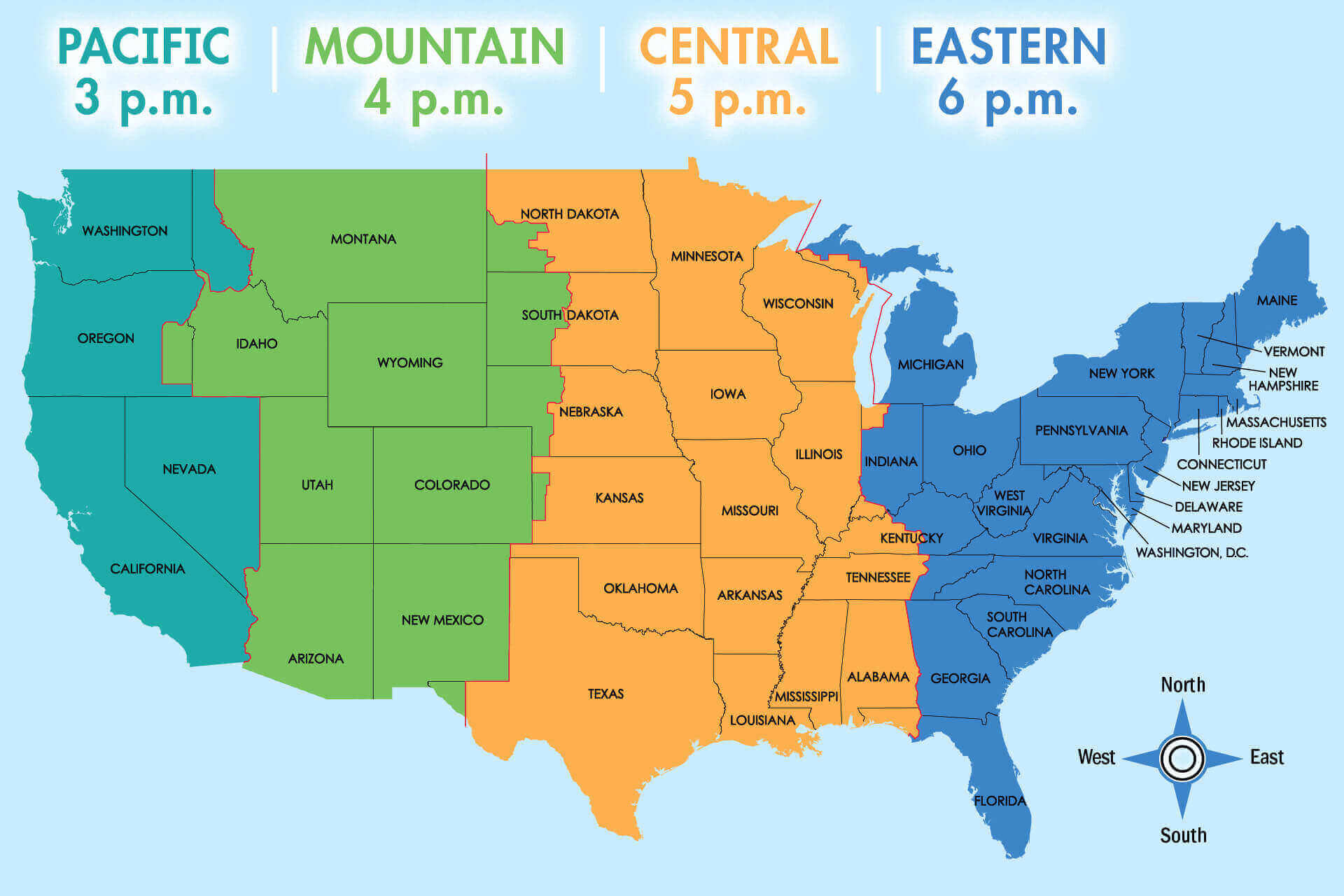
Even for personal calls to friends and family in other parts of the world, knowing the time difference prevents inconvenient late-night or early-morning disturbances. Online tools and smartphone features can automatically display multiple time zones, simplifying the process and ensuring smooth cross-zone communication without constant manual calculations.
Daylight Saving Time in Alabama: What to Expect
Daylight Saving Time (DST) is a cyclical event that impacts timekeeping across much of the United States, including Alabama. While its future is often debated, for now, travelers and residents alike must adjust to its annual changes.
The Annual Shift: Spring Forward, Fall Back
The practice of DST involves advancing clocks by one hour in the spring (“spring forward”) and reverting them by one hour in the fall (“fall back”). In Alabama, this means:
- Spring Forward: Typically occurs on the second Sunday in March. At 2:00 AM CST, clocks are moved forward to 3:00 AM CDT. This results in the loss of one hour of sleep but ushers in longer daylight evenings.
- Fall Back: Typically occurs on the first Sunday in November. At 2:00 AM CDT, clocks are moved back to 1:00 AM CST. This means gaining an hour of sleep and marks the return to standard time.
These transitions, while familiar to many, can still catch travelers off guard. It is especially important to be aware of these dates if your travel plans coincide with them, as they can affect flight schedules, public transport, and the opening hours of attractions.
Impact on Daily Life and Travel Itineraries
The shift to Central Daylight Time generally extends the usable daylight hours into the evening. For tourists, this can be a significant advantage, allowing more time for outdoor activities such as exploring Dismals Canyon, enjoying the beaches of Orange Beach, or visiting historical landmarks without feeling rushed by an early sunset. Outdoor dining, evening strolls, and attending events become more pleasant with ample natural light.
Conversely, the return to Central Standard Time in the fall means earlier sunsets. While this might shorten the perceived evening, it often aligns better with cooler weather activities and provides brighter mornings for early starts. Knowing when these changes occur allows travelers to plan their days accordingly, whether it’s an early morning hike in Monte Sano State Park or an afternoon exploring museums in Mobile.
Staying Informed About DST Changes
Most modern smartphones, computers, and smart devices automatically adjust for Daylight Saving Time. However, it’s always prudent for travelers to verify their device settings and cross-reference with reliable sources, especially if relying on analog clocks or printed schedules. Airlines and transportation services typically adjust their schedules to reflect DST, but confirming departure and arrival times in the local time zone of each leg of a journey is a best practice. Official state websites and local news outlets are excellent resources for confirming the exact dates of DST transitions, ensuring visitors are always in sync with local Alabama time.
Regional Time Zone Considerations: Bordering States and Beyond
While Alabama itself is uniformly in the Central Time Zone, its proximity to states observing different time zones introduces a layer of complexity for those planning multi-state trips or interacting with neighboring regions.
Neighboring States and Their Time Zones
Alabama shares borders with four other states, three of which operate entirely or partially in the Eastern Time Zone:
- Mississippi: To Alabama’s west, Mississippi also observes the Central Time Zone. This makes travel between these two states seamless in terms of time.
- Tennessee: To the north, Tennessee is split between the Central Time Zone (western and middle parts) and the Eastern Time Zone (eastern part). Travelers from Huntsville or Florence venturing into eastern Tennessee will need to adjust their clocks forward by an hour.
- Georgia: To the east, Georgia observes the Eastern Time Zone exclusively. Crossing the border from Alabama into Georgia means “losing” an hour, as the time will be one hour ahead.
- Florida: To the south, Florida is predominantly in the Eastern Time Zone, but its Panhandle region, bordering Alabama and Mississippi, operates in the Central Time Zone. This unique situation means that some parts of Florida are in sync with Alabama, while others are an hour ahead. Specifically, cities like Pensacola and Destin in the western Florida Panhandle are in the Central Time Zone.
Seamless Travel Across State Lines
When planning a road trip that includes Alabama and its neighbors, particularly Georgia or the eastern parts of Tennessee and Florida, time zone changes must be factored into the itinerary. A simple one-hour shift can impact arrival times, reservations, and even the availability of services. For example, if you plan to depart Dothan, Alabama at 9:00 AM CST/CDT for a meeting in Atlanta, Georgia, that 2.5-hour drive will actually mean you arrive at 12:30 PM EST/EDT, having “lost” an hour at the state line.
GPS navigation systems and smartphones usually adjust automatically, but it is always wise to be aware of the exact moment a time zone boundary is crossed. Road signs sometimes indicate these changes, but relying on them solely can be risky. Confirming appointments in the local time of each destination is the most reliable strategy for a smooth multi-state journey.
Broader Implications for East-West Travel
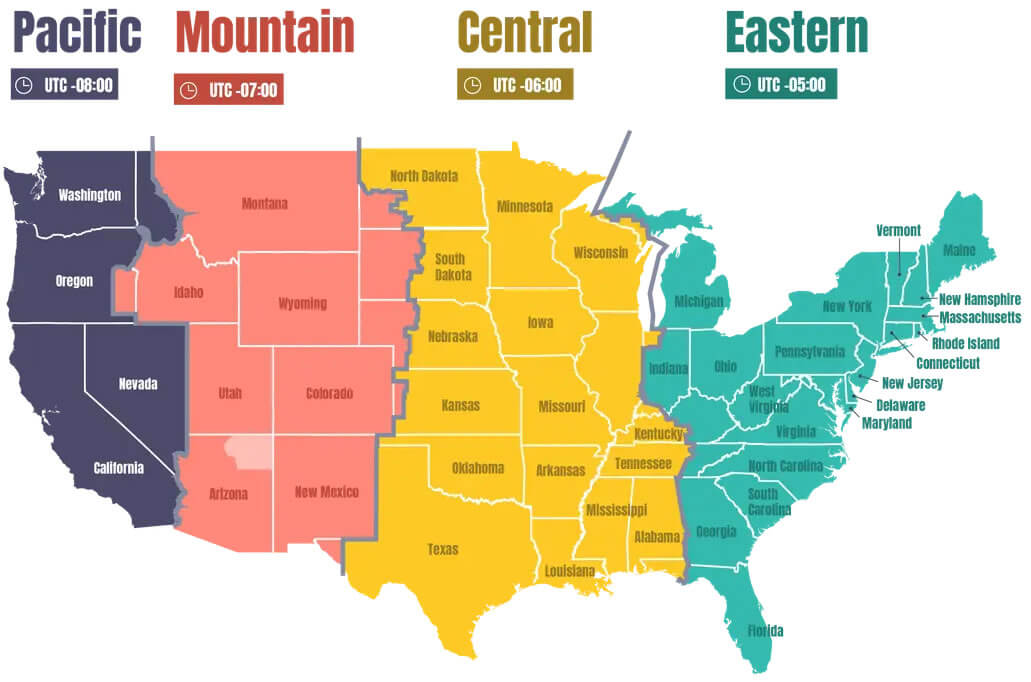
Beyond its immediate neighbors, Alabama’s position in the Central Time Zone places it centrally within the continental United States’s time framework. This makes it a convenient hub for communication and travel between the East Coast and the West Coast. When connecting with colleagues or family in the Eastern Time Zone, Alabama is one hour behind. For the Mountain Time Zone, it’s an hour ahead, and for the Pacific Time Zone, it’s a full two hours ahead. This understanding helps in scheduling calls, online meetings, or simply knowing when to expect updates from different parts of the country. For example, a 9:00 AM meeting in San Francisco (Pacific Time Zone) would be an 11:00 AM meeting in Montgomery, Alabama. This broad perspective on time zones underscores their importance in facilitating national connectivity and efficient travel planning.
In conclusion, while the question “What Time Zone Is Alabama?” has a straightforward answer – the Central Time Zone – its implications for travelers are far-reaching. From managing daily itineraries to navigating state borders and connecting across the nation, a clear understanding of Alabama’s timekeeping system is an indispensable tool for a stress-free and enjoyable travel experience.
LifeOutOfTheBox is a participant in the Amazon Services LLC Associates Program, an affiliate advertising program designed to provide a means for sites to earn advertising fees by advertising and linking to Amazon.com. Amazon, the Amazon logo, AmazonSupply, and the AmazonSupply logo are trademarks of Amazon.com, Inc. or its affiliates. As an Amazon Associate we earn affiliate commissions from qualifying purchases.