
The allure of Alaska—the Last Frontier, a land of unparalleled wilderness, majestic glaciers, and abundant wildlife—beckons adventurers from around the globe. For those residing in California, the question often arises: is it truly possible to drive to this remote northern state? The short answer is an emphatic yes. Driving from the sunny shores of California to the rugged landscapes of Alaska is not just a possibility; it’s an epic road trip, a journey that transforms from a mere drive into a profound expedition through some of North America’s most breathtaking scenery. This monumental drive, primarily via the legendary Alaska Highway, offers a unique opportunity to connect with the vastness of the continent, experience diverse cultures, and witness natural beauty on an extraordinary scale. It’s a challenge, an adventure, and an unforgettable travel experience that demands meticulous planning, preparation, and a spirit of exploration.
The Definitive Answer: Yes, But It’s an Epic Journey
Embarking on a drive from California to Alaska is a rite of passage for many road-tripping enthusiasts. While the destination is alluring, the journey itself is the true reward, unfolding over thousands of miles and typically requiring 7 to 14 days of dedicated driving, not including stops for sightseeing and relaxation. This isn’t just about covering distance; it’s about immersing oneself in the evolving landscapes, from the temperate forests of the Pacific Northwest to the subarctic wilderness of the Yukon Territory. The route largely traverses through Canada, making international border crossings and adherence to Canadian regulations critical components of the trip. Travelers must be prepared for a wide range of conditions, from bustling cities to stretches of remote wilderness where services are sparse. Understanding the nature of this journey—its demands, its rewards, and its unique challenges—is the first step in turning this ambitious dream into a tangible reality.
Understanding the Alaska Highway
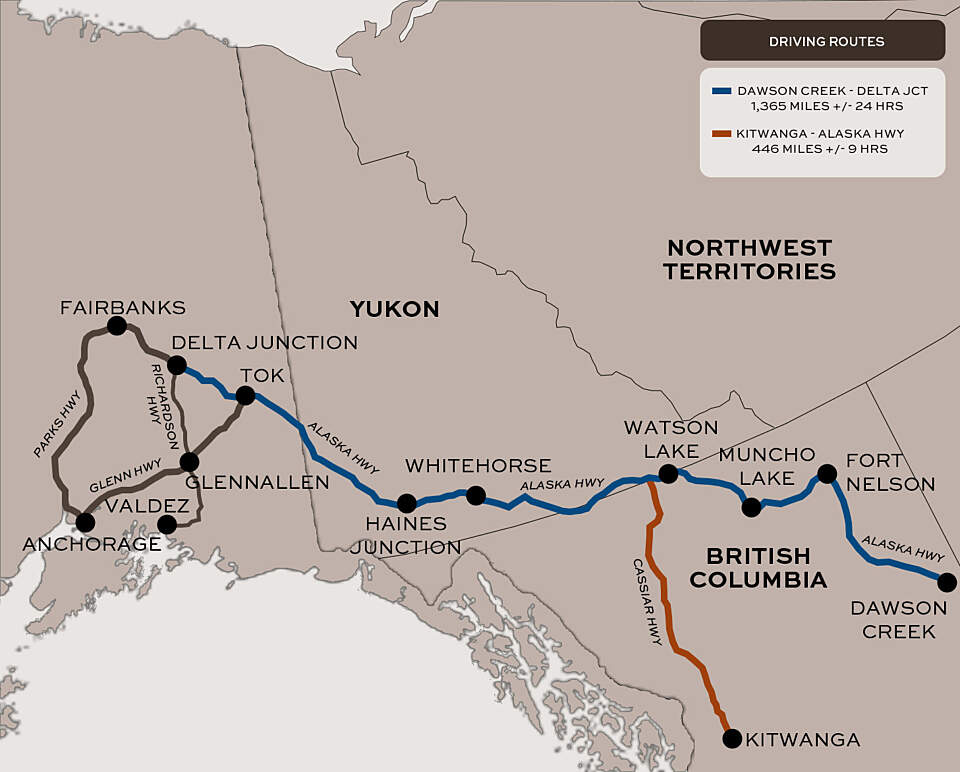
The cornerstone of any overland journey to Alaska is the historic Alaska Highway, also known as the Alcan. Built during World War II, this monumental engineering feat stretches approximately 1,387 miles (2,232 kilometers) from Dawson Creek, British Columbia, to Delta Junction, Alaska. For those coming from California, the journey to Dawson Creek itself is a significant drive, typically involving routes through Oregon, Washington, and then into British Columbia or Alberta, Canada. While famously rugged in its early days, the Alaska Highway is now predominantly paved and well-maintained, though gravel sections, construction, and frost heaves are still common, especially in more remote areas. It’s a road that carves through national parks, alongside pristine lakes, and through forests teeming with wildlife, demanding attention and respect from every driver. The highway is dotted with small towns offering fuel, food, and lodging, but planning ahead for longer stretches between services is essential.
Key Considerations for Your Trip
Driving to Alaska from California is more than just turning the key and driving north. It requires careful consideration of several critical factors. Firstly, timing is crucial. The most popular and advisable time to undertake this journey is during the late spring, summer, or early fall (May through September), when the weather is generally milder, daylight hours are long, and all services along the route are fully operational. Winter travel, while possible, presents significant challenges with extreme cold, heavy snow, ice, and reduced services. Secondly, vehicle readiness cannot be overstated. The distances are vast, and services can be infrequent, making a well-maintained vehicle paramount. Finally, documentation and border crossing requirements for Canada and the USA must be meticulously handled, ensuring all travelers have valid passports and any necessary visas or permits.
Planning Your Alaskan Adventure: Routes and Logistics
Successful travel to Alaska begins long before you hit the road. Strategic planning of your route, understanding border protocols, and preparing for the logistics of a multi-thousand-mile journey are foundational. The primary route will undoubtedly involve the famed Alaska Highway, but the path to its starting point offers several appealing variations. Regardless of the exact path chosen, travelers should map out daily driving distances, potential overnight stops, and points of interest to maximize enjoyment and minimize stress. Utilizing reliable mapping tools, physical maps, and up-to-date guidebooks can provide invaluable insights into road conditions, service availability, and attractions.
The Iconic Alaska Highway Route (The Alcan)
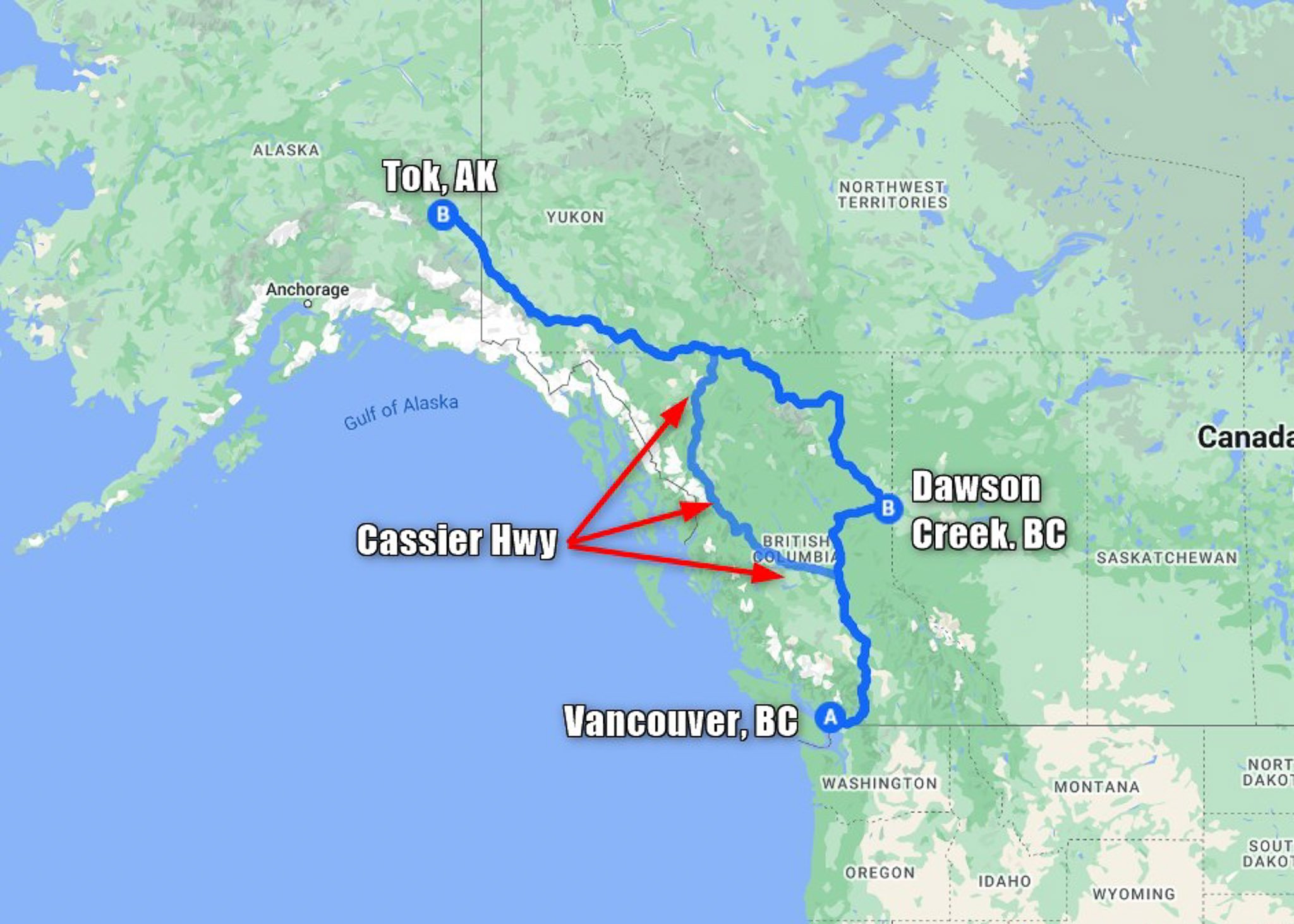
From California, the most common approach to the Alaska Highway involves driving north through the USA’s Pacific Northwest states of Oregon and Washington. Many choose to cross into Canada near Seattle or Vancouver, then head northeast through British Columbia to reach the official start of the Alaska Highway in Dawson Creek. From Dawson Creek, the journey truly begins, winding through stunning landscapes past towns like Fort St. John and Fort Nelson. Entering the Yukon Territory, you’ll encounter the iconic Sign Post Forest in Watson Lake, the natural wonders of Liard River Hot Springs, and the tranquil beauty of Muncho Lake. The route continues through the territorial capital of Whitehorse and Haines Junction, before crossing back into the USA at the Port of Alcan and proceeding to Tok and eventually Fairbanks, Alaska. This path is well-trodden and offers a mix of natural beauty and necessary services.
Alternative Routes and Scenic Byways
While the main Alaska Highway is standard, adventurous travelers have options to incorporate other scenic byways. One popular variation involves driving through Alberta, potentially including a detour through the Canadian Rockies to experience Banff National Park and Jasper National Park via the Icefields Parkway before heading north to join the Alaska Highway at Dawson Creek or Fort St. John. Alternatively, the Stewart-Cassiar Highway (Highway 37) in British Columbia offers a more rugged, less-traveled, but incredibly scenic alternative to the western portion of the Alaska Highway, eventually linking back up near Watson Lake. This route provides closer views of glaciers and wildlife but typically has fewer services. Upon reaching Alaska, the journey often extends beyond Fairbanks to include Anchorage, the Kenai Peninsula, or even Denali National Park and Preserve.
Essential Border Crossing Information (Canada & USA)
Crossing international borders requires careful attention to detail. For USA citizens, a valid passport is mandatory for entry into Canada and re-entry into the USA. Non-USA citizens will need to check specific visa requirements for both countries. All travelers must be prepared to declare goods, including firearms, alcohol, and tobacco, and adhere to strict regulations regarding prohibited items. Certain food items, especially fresh produce, meat, and dairy, may be restricted. Pets also require specific documentation, including proof of rabies vaccination. Border agents have the final say on entry, so politeness, honesty, and preparedness are key. Delays at the border are possible, especially during peak travel seasons, so factor this into your schedule. Check the official government websites for both Canada Border Services Agency and US Customs and Border Protection for the most current regulations.
Preparing Your Vehicle and Yourself
The success and safety of your Alaskan road trip hinge significantly on how well you prepare your vehicle and yourself for the challenges of long-distance driving through diverse terrain and potentially remote areas. Unlike a typical interstate journey, the route to Alaska demands a robust vehicle, a comprehensive packing list, and a strong emphasis on safety and emergency preparedness. Neglecting these aspects can lead to costly delays, discomfort, or even dangerous situations, particularly where cell service is limited and roadside assistance is far away.
Vehicle Maintenance Checklist
Before setting out from California, a thorough inspection and servicing of your vehicle are non-negotiable. This isn’t merely about an oil change; it’s a comprehensive check-up. Ensure your tires are in excellent condition, including a full-sized spare, and consider carrying an air compressor and tire repair kit. Check all fluid levels (oil, coolant, brake fluid, power steering fluid, windshield washer fluid) and top them off or change them as needed. Inspect belts, hoses, brakes, and lights. A fully functional heating and air conditioning system is crucial. Consider carrying extra fuel, especially if you plan to venture off the main highway where gas stations can be few and far between. Basic tools, jumper cables, and a tow strap are also highly recommended. If you have an older vehicle, it’s wise to carry common spare parts like fuses, extra bulbs, and even a serpentine belt.

Packing Essentials for the Long Haul
Beyond your personal belongings, several items are essential for a comfortable and safe Alaskan drive. Navigation aids are paramount; while GPS is useful, offline maps or physical maps and guidebooks are critical for areas without cell service. Pack a first-aid kit with any necessary prescription medications, over-the-counter remedies, and basic wound care supplies. Bring plenty of water and non-perishable food items, enough to last a few days in case of unexpected delays. Emergency supplies should include blankets, a flashlight with extra batteries, a shovel, matches or a lighter, and a portable power bank for charging electronics. Insect repellent is a must, particularly during the summer months. Finally, binoculars are excellent for wildlife viewing, and a good camera will capture the stunning scenery.
Safety and Emergency Preparedness
While the Alaska Highway is generally safe, preparedness is key. Inform friends or family of your itinerary and expected check-in times. Consider renting or purchasing a satellite phone or a personal locator beacon (PLB) for emergencies in areas without cell service. Be aware of wildlife, especially moose, deer, and bears, which can suddenly appear on the road; drive defensively, particularly at dawn and dusk. Carry bear spray and know how to use it if you plan on hiking in remote areas. Understand the symptoms of hypothermia and dehydration, and dress in layers to adapt to rapidly changing weather conditions. Familiarize yourself with basic roadside repair procedures, as help might be hours away in some remote stretches. Adhering to speed limits and avoiding fatigued driving are also critical for preventing accidents.
What to See Along the Way: Highlights of the Alcan
The drive from California to Alaska is replete with opportunities for exploration and discovery. The journey itself is a destination, with numerous points of interest, natural wonders, and cultural sites scattered along the route, particularly once you embark on the Alaska Highway. Incorporating these highlights into your itinerary not only breaks up the long stretches of driving but also enriches the entire travel experience, offering glimpses into the diverse ecosystems and histories of Canada and Alaska.
British Columbia’s Natural Wonders
After crossing into British Columbia from the USA, you’ll travel through varied landscapes before reaching Dawson Creek, the official start of the Alaska Highway. The drive through British Columbia along the Alcan is characterized by vast forests, rolling hills, and stunning mountain backdrops. Stops like Fort St. John offer a chance to resupply and learn about the region’s history. Further north, the famous Liard River Hot Springs Provincial Park provides a truly unique opportunity to soak in natural thermal waters amidst a boreal forest, often with moose sightings. Close by, the tranquil beauty of Muncho Lake Provincial Park, with its jade-colored waters, is a perfect spot for photography and a peaceful break. The sheer scale of the landscape here truly begins to set the tone for the wilder lands ahead.
The Yukon Territory’s Wilderness
Upon entering the Yukon Territory, the landscape transforms into a true wilderness, characterized by expansive taiga forests, towering mountains, and pristine lakes. A mandatory stop is the Sign Post Forest in Watson Lake, where visitors have been adding signs from their hometowns for decades, creating a quirky and memorable landmark. The capital city, Whitehorse, offers a vibrant hub with cultural attractions, restaurants, and historical sites like the SS Klondike National Historic Site. Further west, near Haines Junction, lies Kluane National Park and Preserve, a UNESCO World Heritage site home to Canada’s highest peak, Mount Logan, and immense icefields. This area offers unparalleled opportunities for hiking, wildlife viewing (including grizzly bears, Dall sheep, and caribou), and experiencing the raw power of the subarctic environment.
Gateway to Alaska: Fairbanks and Beyond
After re-entering the USA at the Port of Alcan, you’ll drive through Tok, often considered the “Gateway to Alaska,” before reaching Fairbanks. Fairbanks is Alaska’s second-largest city and a central hub for interior Alaska, known for its gold rush history, the University of Alaska Museum of the North, and its prime location for viewing the Northern Lights (Aurora Borealis) in the darker months. From Fairbanks, many travelers continue their Alaskan exploration. Southward lies Denali National Park and Preserve, home to North America’s tallest peak, Mount Denali, and offering world-class wildlife viewing. Further south still is Anchorage, Alaska’s largest city, and the stunning Kenai Peninsula, famous for its glaciers, fishing, and coastal beauty in towns like Seward and Homer. The choices for adventure once in Alaska are virtually limitless.
Life on the Road: Tips for a Memorable Drive
Driving to Alaska is more than just navigating from point A to point B; it’s about embracing the journey, adapting to the rhythm of the road, and appreciating the unique challenges and rewards that come with such an undertaking. Thoughtful planning, a flexible mindset, and an open heart for discovery are your best companions for transforming this long drive into a truly memorable adventure. From managing resources to interacting with the environment, every aspect contributes to the rich tapestry of your Alaskan road trip.
Fueling Up and Accommodations
Throughout the Alaska Highway and its feeder routes, fuel stations and accommodations are available, but they are not as frequent as on major interstates in the contiguous USA. It is prudent to fill your tank whenever you see a gas station, especially if your gauge is below half. Some stretches, particularly in the Yukon and northern British Columbia, can have long gaps between services, sometimes over 100 miles. Regarding lodging, options range from charming small-town motels and lodges to numerous campgrounds. During peak summer months, popular spots can book up quickly, so consider making reservations in advance, especially for specific dates or popular towns. Many travelers opt for a mix of camping and hotel stays, enjoying the wilderness while also allowing for comfortable rest. Be prepared for potentially higher prices for both fuel and lodging in more remote areas compared to urban centers.
Wildlife Encounters and Road Etiquette
One of the most thrilling aspects of driving to Alaska is the abundant opportunity for wildlife viewing. You might encounter moose, caribou, black bears, grizzly bears, Dall sheep, and various bird species. While exciting, these encounters also demand respect and caution. Always observe wildlife from a safe distance and never approach or feed animals. Be especially vigilant when driving, particularly at dawn and dusk, as animals are more active and harder to see. Hitting a large animal can cause significant damage to your vehicle and pose a serious risk to occupants. Road etiquette on the Alaska Highway also includes allowing larger vehicles, like RVs and trucks, to pass safely, and signaling clearly. Be aware of dust from gravel sections and give ample space to vehicles ahead. Be courteous to fellow travelers; a friendly wave or quick chat can often lead to helpful tips or shared stories.
Embracing the Journey
Ultimately, driving from California to Alaska is about embracing the journey itself. It’s an opportunity to disconnect from the frantic pace of modern life and reconnect with nature and oneself. The vast distances, the changing landscapes, and the occasional challenges are all part of the adventure. Allow for flexibility in your schedule, as you never know what hidden gem or unexpected experience might tempt you to linger a little longer. Talk to locals, visit small museums, try regional cuisine, and take countless photos. This isn’t just a drive; it’s a testament to the spirit of exploration, a journey through the heart of North America that promises unparalleled scenic beauty, rich cultural experiences, and memories that will last a lifetime. So, pack your bags, tune up your vehicle, and get ready for the adventure of a lifetime.
LifeOutOfTheBox is a participant in the Amazon Services LLC Associates Program, an affiliate advertising program designed to provide a means for sites to earn advertising fees by advertising and linking to Amazon.com. Amazon, the Amazon logo, AmazonSupply, and the AmazonSupply logo are trademarks of Amazon.com, Inc. or its affiliates. As an Amazon Associate we earn affiliate commissions from qualifying purchases.