
Alaska, often dubbed “The Last Frontier,” is a land of unparalleled natural grandeur, defined by its towering mountain ranges, pristine wilderness, and an astonishing abundance of ice. Among its most iconic and breathtaking features are its glaciers – colossal rivers of ice that sculpt the landscape, dictate ecosystems, and profoundly influence the global climate. The sheer scale of glacial activity in Alaska is unmatched by any other state in the United States, and indeed, few places on Earth can rival its icy dominion. For many, the question isn’t just about experiencing these majestic formations, but understanding the true extent of their presence: precisely how many glaciers are in Alaska?
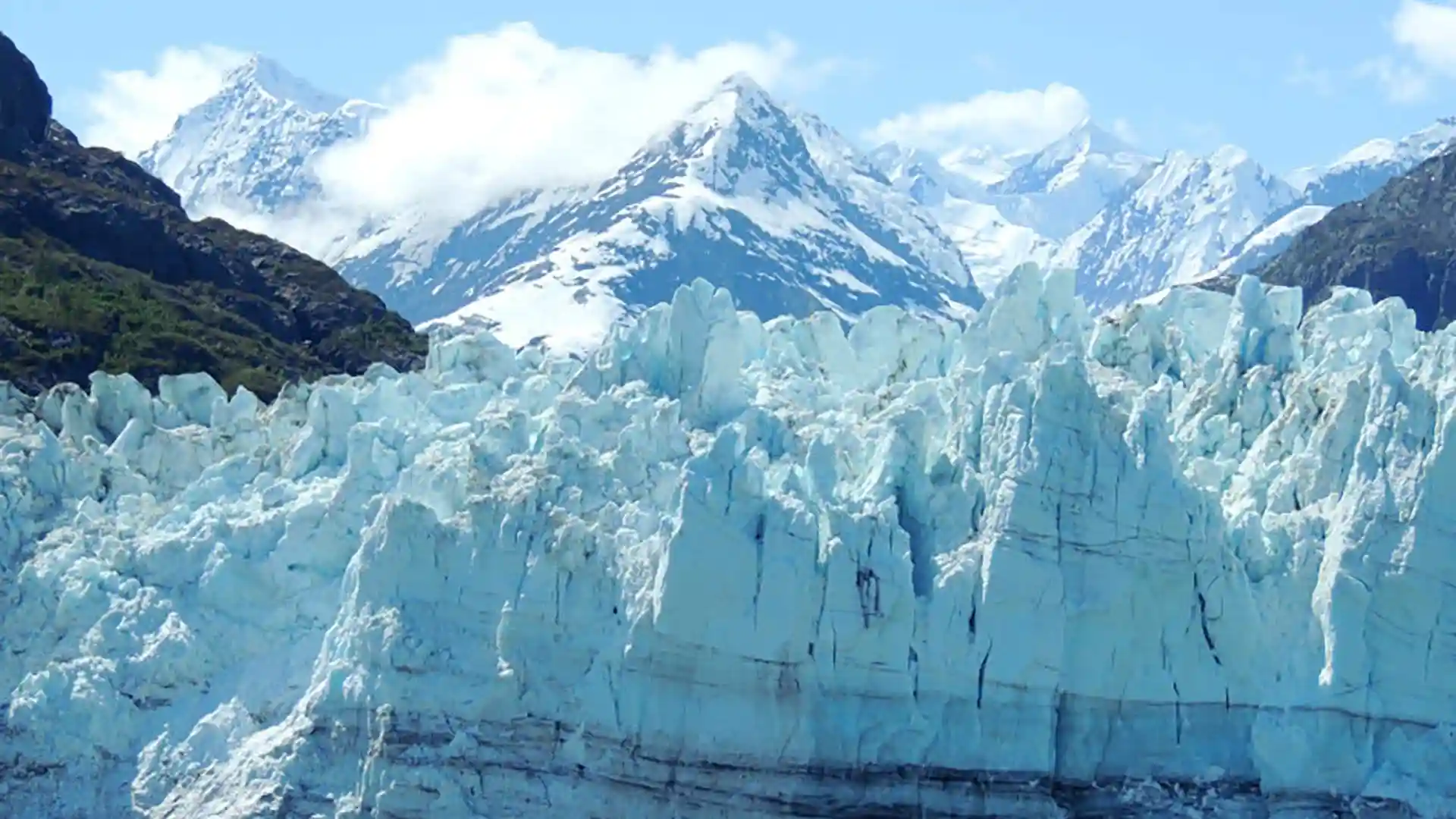
The answer is both simple and staggeringly complex, a number that defies easy enumeration due to the dynamic nature of ice and the sheer vastness of the Alaskan wilderness. While an exact, universally agreed-upon figure remains elusive, glaciologists and researchers estimate that Alaska is home to somewhere between 25,000 and 100,000 glaciers. This incredible range highlights the challenges of defining and counting these massive ice bodies, but one truth is undeniable: Alaska is a realm dominated by ice, a living testament to the powerful forces of geological time and climatic shifts.
The Glacial Tapestry of Alaska: Defining and Counting the Ice
The vast discrepancy in estimates for Alaska’s glaciers stems from the fundamental difficulty in defining what constitutes an individual glacier, especially in regions of extensive ice cover. The difference between a discrete valley glacier and a lobe extending from a sprawling icefield can blur, leading to varying methodologies in inventory.
Defining “Glacier” in the Alaskan Context
For scientific purposes, a glacier is generally defined as a persistent body of dense ice that is constantly moving under its own weight; it forms where the accumulation of snow exceeds its ablation (melting and sublimation) over many years. This definition is critical in Alaska, where ice exists in various forms, from massive icefields covering thousands of square miles to small cirque glaciers tucked away in mountain hollows.
In regions like the Juneau Icefield or the Harding Icefield, a single vast sheet of ice gives rise to numerous outlet glaciers that flow down into valleys. Should these outlets be counted as individual glaciers, or are they merely extensions of the larger icefield? Different scientific inventories often adopt different criteria, contributing to the wide range in published figures. Some inventories might count every distinct ice flow, no matter how small, while others focus on larger, more significant bodies.
The Sheer Scale: An Estimation Challenge
The most comprehensive efforts to catalog Alaska’s glaciers come from agencies like the U.S. Geological Survey (USGS) and the National Park Service. These efforts rely on satellite imagery, aerial photography, and ground-based observations, often utilizing sophisticated Geographic Information Systems (GIS) to map and measure ice bodies. However, the sheer remoteness and ruggedness of much of Alaska, combined with frequent cloud cover, make precise mapping a continuous and challenging endeavor.
The upper bound of 100,000 often includes all persistent ice patches, no matter their size, while the lower bound of 25,000 typically refers to more substantial, independently flowing glacial bodies. What is universally accepted, however, is that Alaska contains over half of the estimated 100,000 square miles of glacial ice in the United States, excluding Greenland and the Antarctic ice sheets. This makes Alaska a powerhouse of glacial activity, a frozen frontier that continues to captivate and challenge scientists.
Geological Formation and Types of Alaskan Glaciers
Alaska’s glaciers are products of its unique geography and climate, characterized by abundant snowfall, high elevations, and cold temperatures. They are primarily found in mountain ranges that intercept moisture-laden air currents from the Pacific Ocean. As snow accumulates year after year, it compacts under its own weight, transforming into firn and eventually dense glacial ice.
The state hosts a remarkable diversity of glacier types:
- Valley Glaciers: The most common type, these flow down valleys like slow-moving rivers of ice, often fed by cirque glaciers or icefields. Examples include the Mendenhall Glacier near Juneau and many in Glacier Bay National Park.
- Tidewater Glaciers: These are valley glaciers that terminate directly into the sea, often producing spectacular calving events where massive chunks of ice break off and fall into the ocean. Famous tidewater glaciers include Hubbard Glacier, Columbia Glacier, and those in Prince William Sound.
- Piedmont Glaciers: These occur when a valley glacier flows out of a mountain valley and spreads out onto a broad lowland, forming a lobe-shaped feature. The Malaspina Glacier, located in Wrangell-St. Elias National Park and Preserve, is the largest piedmont glacier in North America.
- Icefields: Expansive areas of interconnected glaciers and snow that cover mountainous regions, often feeding numerous valley glaciers. The Harding Icefield on the Kenai Peninsula and the Juneau Icefield in Southeast Alaska are prime examples.
- Cirque Glaciers: Small, bowl-shaped glaciers that occupy amphitheater-like depressions on mountainsides.
Major Glacial Regions and Iconic Ice Formations
Alaska’s glacial assets are not uniformly distributed but concentrated in several key regions, each offering unique perspectives on these icy landmarks.
The Chugach Mountains and Prince William Sound
The Chugach Mountains, stretching along the coast from Anchorage to Yakutat, host one of the most concentrated areas of glaciers in Alaska. This range receives enormous amounts of snowfall, feeding hundreds of glaciers, many of which are tidewater glaciers that spill into the waters of Prince William Sound. Valdez and Whittier are gateways to this spectacular marine wilderness, where visitors can witness the Columbia Glacier, one of the fastest-retreating glaciers in North America, and numerous other calving glaciers from a boat or kayak. The dynamic interplay of ice, sea, and mountains here creates an ever-changing landscape of profound beauty.
The Kenai Peninsula and the Harding Icefield
The Kenai Peninsula is another major glacial stronghold, dominated by the colossal Harding Icefield. This immense dome of ice, covering nearly 700 square miles, is a remnant of the last ice age and feeds at least 38 major valley glaciers. Among them is the famous Exit Glacier, the only glacier accessible by road in Kenai Fjords National Park, allowing visitors to walk right up to its face. The Harding Icefield itself is an extraordinary natural landmark, a high-altitude wilderness of snow and ice offering breathtaking views for those who venture above the treeline.
Glacier Bay National Park and Preserve
Perhaps the most famous glacial landmark in Alaska is Glacier Bay National Park and Preserve, a UNESCO World Heritage Site renowned for its tidewater glaciers. Within the park’s boundaries, over 1,000 glaciers are counted, with several actively calving into the bay, creating a symphony of thunderous roars and shimmering icebergs. The Johns Hopkins Glacier and the Margerie Glacier are among the most celebrated, drawing countless visitors by cruise ship or smaller vessel to witness their dramatic displays. Glacier Bay offers a vivid illustration of glacial retreat and advance, with some areas revealing land that was completely covered by ice just a few centuries ago.
Southeast Alaska’s Coastal Giants
Beyond Glacier Bay, the entire panhandle of Southeast Alaska is dotted with glaciers, largely fed by the immense Juneau Icefield. This icefield spans approximately 1,500 square miles across the Coast Mountains of Alaska and British Columbia, giving rise to nearly 40 major glaciers, including the accessible Mendenhall Glacier near Juneau, a popular destination for visitors and a crucial site for glaciological research. Further north, the Hubbard Glacier, near Yakutat, is one of the most active and largest tidewater glaciers in North America, famous for its rapid advances and spectacular calving.
The Dynamic Nature of Alaskan Glaciers
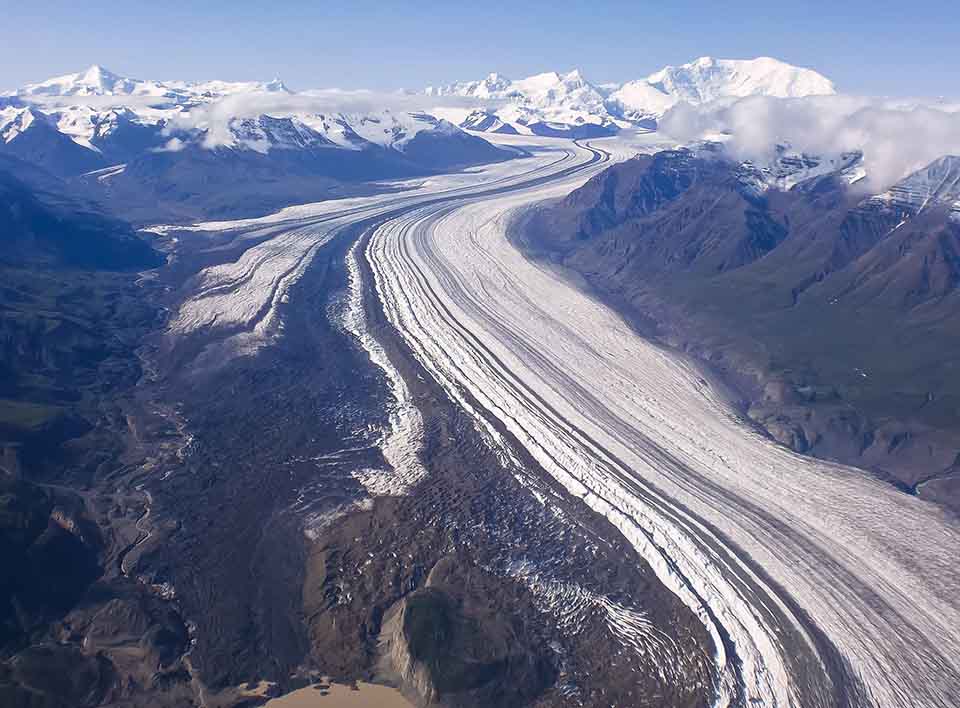
Glaciers are not static features but dynamic entities, constantly evolving under the influence of precipitation, temperature, and topography. In Alaska, this dynamism is particularly pronounced, with glaciers exhibiting behaviors ranging from rapid retreats to surging advances.
Retreat, Advance, and Calving
The majority of Alaska’s glaciers are currently in a state of retreat, shrinking in size and thinning as global temperatures rise. This retreat is evident in many places, revealing newly exposed landscapes and dramatically altering coastal ecosystems. However, some glaciers, like the Hubbard Glacier, occasionally experience “surges,” periods of rapid flow and advance that can temporarily defy the general trend of retreat. These surges are complex phenomena, often linked to internal glacial dynamics and hydrological processes.
Calving, the process by which ice breaks off from a glacier’s front, is a fundamental aspect of tidewater and lake-terminating glaciers. It’s a spectacular natural event, creating icebergs of all sizes, from small “growlers” to massive bergs that can dwarf ships. This process is not merely a visual spectacle; it is a significant mechanism of mass loss for many Alaskan glaciers and a key contributor to sea-level rise.
The Impact of Climate Change
The vast number of glaciers in Alaska makes the region a critical barometer for understanding climate change. Studies consistently show that Alaskan glaciers are losing mass at an accelerating rate. The cumulative meltwater from these glaciers contributes significantly to global sea-level rise. Beyond sea-level impact, glacial retreat in Alaska has profound local consequences, altering freshwater runoff, impacting salmon habitats, affecting local weather patterns, and even triggering seismic activity as the immense weight of the ice is removed from the Earth’s crust.
The visible changes in iconic landmarks like Mendenhall Glacier, which has retreated significantly in recent decades, serve as powerful reminders of these broader global trends. Scientific monitoring of these glaciers is therefore not just an academic exercise but a crucial effort to understand and predict future environmental changes.
Glacial Lakes and Proglacial Environments
As glaciers retreat, they often leave behind depressions that fill with meltwater, forming proglacial lakes. These lakes are dynamic environments, often turbid with glacial flour (finely ground rock particles) and surrounded by newly exposed land that undergoes rapid ecological succession. Lakes like Mendenhall Lake are integral parts of the glacial landscape, providing unique habitats and contributing to the region’s hydrological system. The formation of these lakes also presents geological hazards, such as outburst floods, which can occur when natural ice or moraine dams fail.
The Ecological and Cultural Significance
Beyond their geological grandeur, Alaska’s glaciers are keystones of the region’s ecological and cultural fabric, influencing everything from biodiversity to indigenous traditions.
Biodiversity Hotspots
The varied environments created by glaciers support a rich tapestry of life. Glacial meltwater provides cold, oxygenated water for anadromous fish like salmon, which are vital to Alaska’s ecosystems and economy. The nutrient-rich waters near tidewater glaciers support vibrant marine life, including krill, plankton, and ultimately, larger predators like whales, seals, and sea lions. The land exposed by retreating glaciers undergoes primary succession, slowly becoming vegetated and providing habitat for terrestrial wildlife, from bears to various bird species. The presence of such diverse habitats, directly or indirectly linked to glacial processes, underscores the profound ecological significance of these ice bodies.
Indigenous Cultures and Glacial Lore
For Alaska’s indigenous peoples, glaciers are not just natural features but living entities deeply embedded in their oral traditions, spiritual beliefs, and subsistence practices. Stories and legends often describe the origins and movements of glaciers, reflecting a profound understanding of their dynamic nature. The Tlingit, Haida, and Tsimshian peoples of Southeast Alaska, for example, have ancestral connections to landscapes shaped by ice, with place names and traditional knowledge systems reflecting centuries of interaction with these monumental forces. The ongoing changes to glaciers impact traditional hunting, fishing, and foraging areas, challenging long-standing cultural practices and ways of life.
Economic Importance: Tourism and Resources
While the direct focus here is on glaciers as landmarks, it’s impossible to overlook their indirect economic impact, particularly through tourism. Glaciers are primary attractions, drawing millions of visitors to Alaska each year, contributing significantly to local economies in communities like Juneau, Seward, and Valdez. Beyond tourism, glacial meltwater contributes to hydroelectric power generation and supplies vital freshwater resources. However, the long-term changes to glaciers also present challenges for these economic sectors, necessitating adaptation and careful resource management.
Preserving Alaska’s Icy Giants
Given their immense ecological, cultural, and scientific value, the preservation and understanding of Alaska’s glaciers are paramount. Efforts are underway to monitor their changes, mitigate impacts, and ensure future generations can marvel at these natural wonders.
Monitoring and Research Efforts
Organizations like the USGS, the National Park Service, and university research teams continuously monitor key glaciers across Alaska. This involves measuring mass balance (the difference between accumulation and melt), tracking flow rates, observing calving fronts, and analyzing satellite imagery. Data collected from these monitoring efforts are crucial for understanding the health of individual glaciers and making projections about their future, as well as their contribution to global sea-level rise. These efforts contribute to a comprehensive scientific understanding of cryospheric processes.
Conservation Initiatives
While stopping glacial retreat entirely might be beyond immediate human capability, conservation efforts focus on protecting the surrounding ecosystems that depend on glaciers, reducing human impacts in glacial areas, and advocating for policies that address climate change. National parks and preserves, such as Glacier Bay National Park, Kenai Fjords National Park, and Wrangell-St. Elias National Park, play a crucial role in safeguarding these unique environments and allowing for controlled public access and scientific study. Education and awareness campaigns also aim to inform the public about the importance of glaciers and the threats they face.

The Future of Alaskan Glaciers
The future of Alaska’s glaciers is inextricably linked to global climate trends. Scientific consensus indicates that continued warming will lead to further mass loss for the vast majority of these ice bodies. While some larger icefields may persist for centuries, many smaller glaciers are projected to disappear within decades. This ongoing transformation will continue to reshape Alaska’s landscapes, impact its ecosystems, and influence global environmental systems. The challenge lies in adapting to these changes and mitigating their broader effects.
In conclusion, while the precise number of glaciers in Alaska remains a moving target, their collective presence is nothing short of awe-inspiring. Ranging from tens of thousands to potentially a hundred thousand individual ice bodies, these natural landmarks are fundamental to Alaska’s identity. They are powerful, dynamic, and fragile testaments to the forces of nature, demanding our continued study, respect, and protection as invaluable components of our planet’s natural heritage.
LifeOutOfTheBox is a participant in the Amazon Services LLC Associates Program, an affiliate advertising program designed to provide a means for sites to earn advertising fees by advertising and linking to Amazon.com. Amazon, the Amazon logo, AmazonSupply, and the AmazonSupply logo are trademarks of Amazon.com, Inc. or its affiliates. As an Amazon Associate we earn affiliate commissions from qualifying purchases.