
Nevada, often lauded as the “Silver State” for its rich mining history and more recently for its vibrant business landscape, presents a compelling environment for entrepreneurs looking to establish their ventures. Among the most popular business structures, the Limited Liability Company (LLC) offers a flexible and advantageous framework for business owners. This guide will walk you through the essential steps and considerations for creating an LLC in Nevada, ensuring a smooth and compliant formation process.
Understanding the Advantages of a Nevada LLC
Before diving into the procedural aspects, it’s crucial to understand why a Nevada LLC is a favored choice for many businesses, especially those with a focus on the hospitality and entertainment sectors that thrive in states like Nevada.

Asset Protection and Personal Liability Shield
One of the primary draws of forming an LLC is the robust protection it offers to its owners, known as members. An LLC creates a legal separation between the business’s assets and the personal assets of its members. This means that if the business incurs debt or faces a lawsuit, the personal assets of the members—such as their homes, cars, and personal savings—are generally shielded from business creditors or legal judgments. This distinction is paramount for any business owner, particularly in industries where liability can be a significant concern, such as those operating large resorts or extensive tourist attractions.
Pass-Through Taxation
Nevada LLCs benefit from pass-through taxation, a feature that often simplifies the tax obligations for business owners. Unlike traditional C-corporations, where profits are taxed at the corporate level and then again when distributed to shareholders as dividends, LLC profits and losses are “passed through” directly to the members’ personal income. This avoids double taxation, potentially leading to a lower overall tax burden. Members report their share of the LLC’s profits or losses on their individual tax returns.
Flexibility in Management and Operations
LLCs offer considerable flexibility in how they are managed and operated. Members can choose to manage the LLC themselves (member-managed) or appoint designated managers (manager-managed). This adaptability allows businesses to tailor their operational structure to their specific needs. Furthermore, Nevada law is generally business-friendly, with regulations designed to encourage economic development. This is particularly relevant for the thriving tourism and hospitality industries that draw visitors to iconic locations like the Las Vegas Strip.
Privacy and Anonymity
Nevada offers a degree of privacy for LLC owners that is attractive to many entrepreneurs. While the state requires certain information to be filed, it generally does not make member names publicly accessible on the Articles of Organization. This can be a significant advantage for individuals or businesses seeking to maintain a lower public profile.
Essential Steps to Form Your Nevada LLC
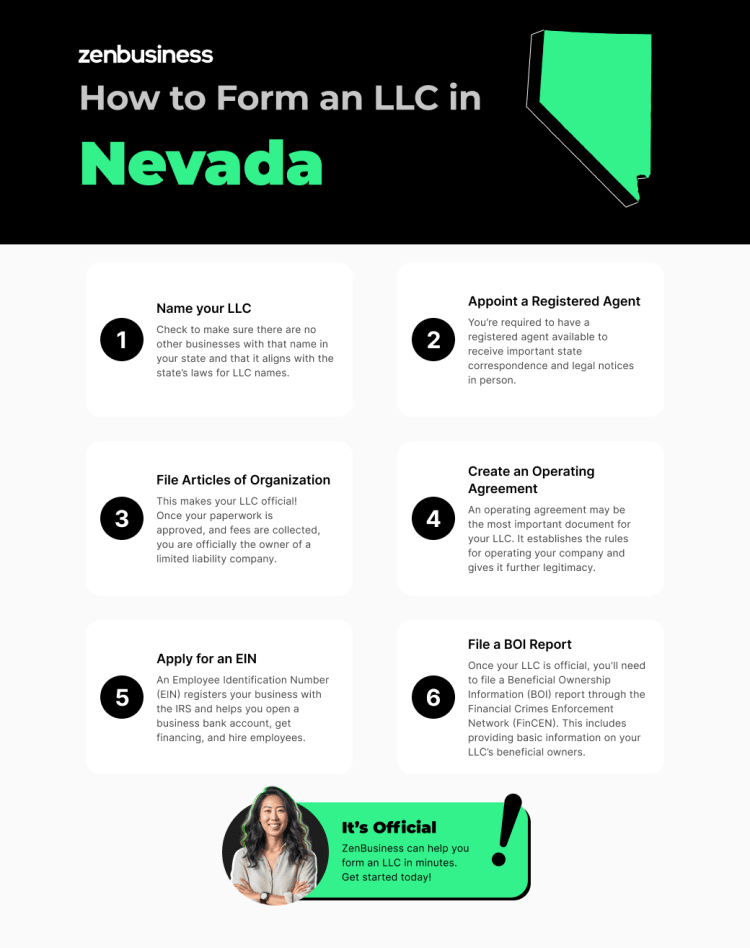
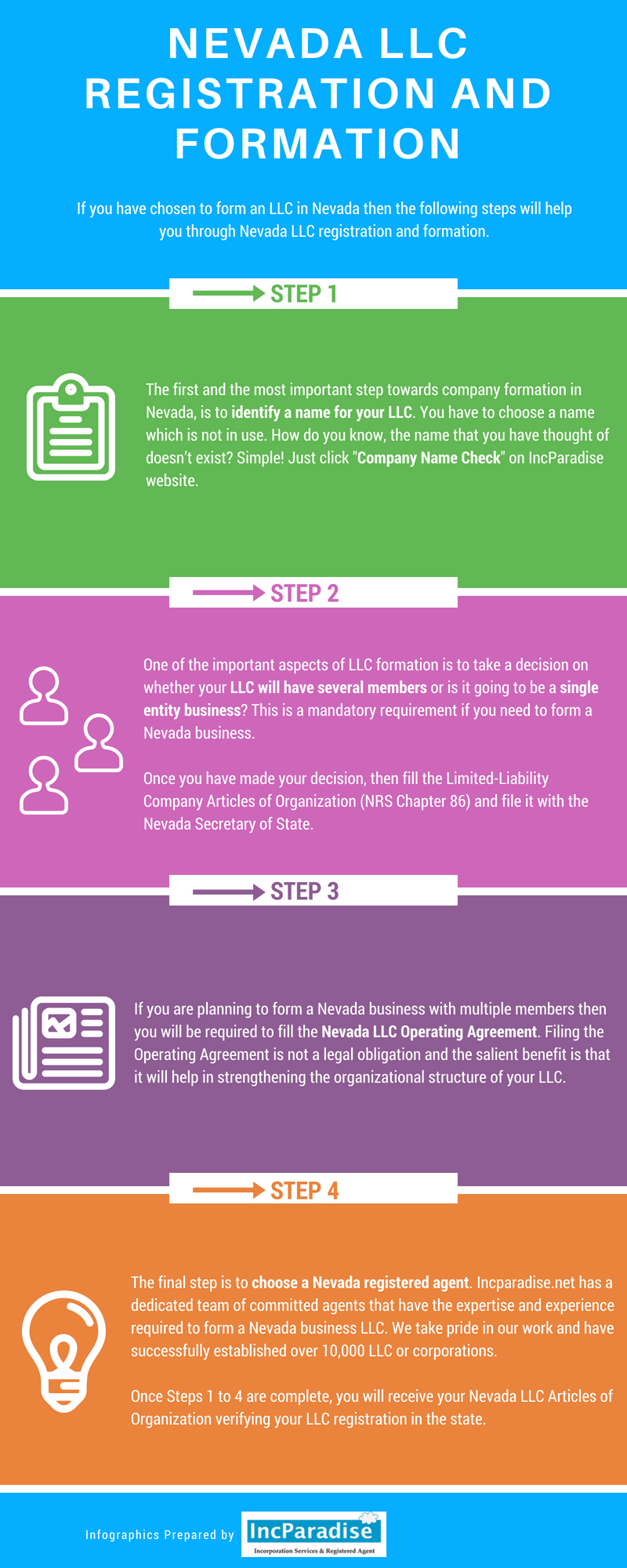
Creating an LLC in Nevada involves a series of distinct steps. It’s advisable to approach each step with diligence and precision to ensure your formation is legally sound.
Step 1: Choose a Unique Business Name
Your business name is the first identifier of your brand. In Nevada, your LLC’s name must be unique and distinguishable from existing business names registered with the Secretary of State. It must also include a designator indicating that it is a limited liability company, such as “Limited Liability Company,” “LLC,” or “L.L.C.”
Name Availability Search
Before committing to a name, it is essential to conduct a thorough name availability search. You can do this on the Nevada Secretary of State’s website. This search will confirm whether your desired name is already in use. It’s also wise to check for trademark conflicts and domain name availability to ensure a comprehensive brand presence.
Reservation of Name
If your desired name is available but you are not yet ready to file your formation documents, you can reserve the name for a period by filing a “Name Reservation Request” with the Secretary of State. This provides a buffer to finalize your business plan and prepare your filings.
Step 2: Appoint a Registered Agent
A registered agent is a vital component of any LLC formation. In Nevada, this individual or entity is responsible for receiving official legal documents and state correspondence on behalf of your LLC. The registered agent must have a physical street address in Nevada (a P.O. Box is not sufficient) and be available during normal business hours to accept service of process.
Requirements for a Registered Agent
The registered agent can be an individual resident of Nevada or a business entity authorized to do business in the state. Many entrepreneurs opt to use a professional registered agent service, which can provide greater reliability and confidentiality. This is especially important for businesses that may not have a physical presence in Nevada or whose owners are not residents.
The Role of the Registered Agent
The registered agent acts as a critical communication link between your LLC and the state government. Failure to maintain a registered agent can lead to administrative dissolution of your LLC, meaning your business could lose its legal status.
Step 3: File Articles of Organization
The formal creation of your Nevada LLC is accomplished by filing Articles of Organization with the Nevada Secretary of State. This document is the foundational legal filing that officially establishes your entity.
Key Information Required
The Articles of Organization typically require the following information:
- Name of the LLC: The legally registered name of your limited liability company.
- Name and Address of the Registered Agent: The designated registered agent’s information.
- Management Structure: Whether the LLC will be managed by its members or by appointed managers.
- Principal Office Address: The primary business address of your LLC.
- Mailing Address (if different): If the mailing address differs from the principal office.
- Signature: The signature of the organizer.
Filing Fees
There is a filing fee associated with submitting the Articles of Organization. It’s important to check the current fee schedule on the Nevada Secretary of State’s website, as these fees can be subject to change.
Ongoing Compliance and Operational Considerations
Forming your LLC is just the first step. Maintaining compliance with Nevada state laws and ensuring proper operation are crucial for the longevity and success of your business. This is particularly true for businesses operating in highly regulated sectors like casinos and entertainment venues found on the Las Vegas Strip.
Operating Agreement
While Nevada law does not mandate a written operating agreement for LLCs, it is highly recommended. An operating agreement is an internal document that outlines the ownership structure, operating procedures, member responsibilities, profit and loss distribution, and other critical aspects of the LLC’s management.
Benefits of an Operating Agreement
A well-drafted operating agreement can prevent future disputes among members and provide a clear framework for decision-making. It can also detail procedures for admitting new members, handling member departures, and dissolving the company. For businesses with multiple members or those seeking investment, this document is indispensable.
Annual List of Businesses and Annual Business Registration Fee
Nevada requires all registered businesses, including LLCs, to file an annual list of businesses and pay an annual business registration fee. This filing is made with the Nevada Secretary of State.
Filing Deadline and Fees
The annual list and fee are typically due by the end of the fiscal year in which your LLC was formed, and then annually thereafter. The exact due date can vary, so it’s essential to track this deadline to avoid penalties. The fee is a fixed amount and is subject to change by legislative action. This fee is a key part of Nevada’s business-friendly tax structure, which often appeals to businesses looking to establish a presence in destinations like Reno or Henderson.
Business Licenses and Permits
Depending on your specific business activities and location, you may need to obtain various federal, state, and local business licenses and permits. This is especially true for businesses in regulated industries. For example, a hotel or resort might require specific gaming licenses, liquor licenses, and health permits.
Researching Requirements
It is the responsibility of the LLC owner to research and secure all necessary licenses and permits. This might involve consulting with local city or county government offices, as well as state agencies. For instance, a business planning to offer tours of Lake Tahoe would need to investigate relevant recreational permits.
Maintaining Your LLC’s Good Standing
To maintain your LLC’s “good standing” with the state of Nevada, you must consistently file your annual list and pay the associated fees, and ensure your registered agent information remains current. Failure to do so can result in administrative dissolution, requiring you to go through a reinstatement process, which can be costly and time-consuming.
Nevada LLCs and the Tourism Industry
Nevada’s economy is heavily influenced by its thriving tourism and entertainment sectors. Forming an LLC can provide a solid legal foundation for businesses operating within these dynamic industries.
Supporting Hospitality Businesses
From boutique hotels in Downtown Las Vegas to sprawling resorts along the Las Vegas Strip, the hospitality industry in Nevada is a major employer and economic driver. An LLC structure offers the liability protection needed to manage the risks associated with running such establishments, from guest safety to contractual obligations with vendors.
Facilitating Entertainment Ventures
The entertainment scene in Nevada is world-renowned, encompassing everything from casinos and live performances to unique attractions and culinary experiences. Entrepreneurs looking to launch or expand businesses in this sector can leverage the benefits of an LLC to manage investments, partnerships, and intellectual property effectively. The flexibility of an LLC also allows for various ownership structures, which can be beneficial when dealing with multiple stakeholders in a large entertainment project.
Navigating the Regulatory Landscape
Nevada has specific regulations for businesses involved in gaming, alcohol sales, and other aspects of the tourism industry. While the state is generally business-friendly, understanding and complying with these regulations is paramount. Forming an LLC provides a clear legal entity through which these businesses can operate and interact with regulatory bodies. For example, a company offering guided tours of historic mining towns might need special permits, all managed under the umbrella of their LLC.
Conclusion
Creating an LLC in Nevada is a strategic decision that can provide significant benefits for entrepreneurs, particularly those looking to capitalize on the state’s robust business environment, especially in the tourism and hospitality sectors. By understanding the advantages, diligently following the formation steps, and committing to ongoing compliance, you can establish a strong and protected legal foundation for your business’s success. Whether you are launching a new venture or expanding an existing one, the process of forming an LLC in Nevada is an investment in your company’s future.
LifeOutOfTheBox is a participant in the Amazon Services LLC Associates Program, an affiliate advertising program designed to provide a means for sites to earn advertising fees by advertising and linking to Amazon.com. Amazon, the Amazon logo, AmazonSupply, and the AmazonSupply logo are trademarks of Amazon.com, Inc. or its affiliates. As an Amazon Associate we earn affiliate commissions from qualifying purchases.