
Navigating the world of business in the Lone Star State can be an exhilarating journey, much like planning a trip to discover the vast landscapes and vibrant cities of Texas. Whether you’re a budding entrepreneur setting up shop in Austin, a seasoned restaurateur opening a new establishment in Houston, or a freelancer expanding your services across Dallas, understanding and acquiring a Tax ID Number is a crucial step. Often referred to as an Employer Identification Number (EIN), this unique nine-digit number is issued by the Internal Revenue Service (IRS) and serves as your business’s identity for tax purposes. Think of it as your business’s passport for interacting with the federal government.

This guide aims to demystify the process of obtaining a Tax ID Number in Texas, ensuring you’re well-equipped to handle your business’s financial and legal obligations smoothly. While the core process is federal, understanding how it applies within the Texas business environment is key. We’ll explore why you might need one, the different types of Tax ID Numbers available, and the straightforward steps to apply for yours. This knowledge will empower you to focus on the exciting aspects of your business, from curating unique travel experiences to managing luxury accommodations, knowing your administrative foundations are solid.
Understanding Your Need for a Tax ID Number
The question of “Do I need a Tax ID Number?” is a common one for businesses operating in Texas. The short answer is: it depends on your business structure and activities. For many, it’s a non-negotiable requirement, while for others, it might offer significant advantages.
When a Tax ID Number is Essential
Several scenarios necessitate obtaining an EIN:
- Operating as a Corporation or Partnership: If your business is structured as a corporation (S-corp or C-corp) or a partnership, an EIN is mandatory. This is because these business structures are separate legal entities from their owners and must report their income and expenses independently.
- Having Employees: If you plan to hire employees in Texas or anywhere else, you will need an EIN. This number is used for reporting federal taxes withheld from employee wages and for filing employment tax returns. Imagine managing the operations of a bustling resort like the Four Seasons Resort and Club Dallas at Las Colinas; having employees means you’ll definitely need an EIN.
- Operating a Keogh Plan: If your business involves a Keogh retirement plan, an EIN is required.
- Changing Business Structure: If you transition your business from a sole proprietorship or partnership to a corporation or LLC, you will need a new EIN.
- Filing Certain Tax Returns: Specific tax filings, such as those for excise taxes or alcohol, tobacco, and firearms, require an EIN.
- Opening a Business Bank Account: While not strictly mandated by the IRS for all business types, most banks will require an EIN to open a business checking or savings account. This is crucial for separating personal and business finances, a vital practice for any entrepreneur, whether they’re managing a chain of boutique hotels or a small tour operation in San Antonio.
When a Tax ID Number is Beneficial (Even If Not Required)
Even if your business structure doesn’t legally mandate an EIN, obtaining one can offer several practical benefits:
- Establishing Business Credibility: An EIN lends an air of professionalism and legitimacy to your business. It signals to clients, vendors, and financial institutions that you are operating a formal business entity.
- Protecting Your Social Security Number: If you are a sole proprietor or independent contractor, using your Social Security Number (SSN) for business purposes can expose your personal financial information. An EIN acts as a distinct identifier for your business, shielding your SSN from widespread use.
- Simplifying Business Operations: For businesses that might evolve or expand, having an EIN from the outset can streamline future processes, such as applying for business loans or credit, or even partnering with other businesses. If you’re planning a grand opening for a new attraction in Galveston, having an EIN ready can simplify vendor relationships.
Applying for Your Tax ID Number (EIN) in Texas
The process of obtaining an EIN is administered by the Internal Revenue Service (IRS), and fortunately, it’s a relatively straightforward procedure. Texas businesses follow the same federal application guidelines as businesses in other states. The most common and recommended method is applying online.
The Online Application Process
Applying for an EIN online is the fastest and most convenient way to get your number. Here’s a step-by-step breakdown:

- Visit the Official IRS Website: Navigate to the IRS’s dedicated EIN application page. It is crucial to use the official IRS website to avoid fraudulent sites that may charge fees or steal your information. The direct URL is usually found by searching “Apply for an EIN online IRS.”
- Eligibility Check: The system will guide you through a series of questions to determine your eligibility for an EIN. This usually involves confirming you have a legitimate business purpose and the authority to apply.
- Provide Business Information: You will need to provide accurate and complete information about your business, including:
- Legal Business Name: This should match your official business registration documents.
- Doing Business As (DBA) Name (if applicable): If your business operates under a name different from its legal name.
- Business Address: The physical location of your business. If you operate primarily online or remotely from Texas, you can often use a home office address or a registered agent’s address.
- Mailing Address (if different from business address).
- Responsible Party Information: This is the individual who ultimately owns or controls the business entity. This person must be an individual (not an entity) and have an SSN, Individual Taxpayer Identification Number (ITIN), or an existing EIN.
- Type of Business Entity: Select from options like Sole Proprietorship, Partnership, Corporation, LLC, etc.
- Reason for Applying: Choose the most appropriate reason from the provided list.
- Number of Employees: If applicable.
- First Date of Payroll: If you have employees.
- Review and Submit: Carefully review all the information you have entered for accuracy. Once you are confident, submit the application.
- Receive Your EIN: Upon successful submission and validation of your information, you will be issued your EIN immediately. You can print a confirmation letter directly from the website. It’s highly recommended to save this confirmation letter for your records.
Important Considerations for Online Application:
- Primary Business Location: The IRS will ask for the state where your business is located. For businesses applying from Texas, you will select Texas.
- SSN/ITIN/EIN of Responsible Party: The responsible party must have one of these to complete the application.
- Hours of Operation: The online application is typically available 24/7, but there might be scheduled maintenance.
Alternative Application Methods
While online is preferred, the IRS offers other methods for applying:
- By Fax: You can download Form SS-4, Application for Employer Identification Number, fill it out, and fax it to the IRS. The processing time via fax is longer than online.
- By Mail: Similar to faxing, you can mail the completed Form SS-4 to the IRS. This is the slowest method, often taking several weeks for processing.
- By Phone (International Applicants Only): If you are an international applicant with no U.S. address or phone number, you can apply by phone. However, for businesses based in Texas, this is generally not the applicable method.
Beyond the EIN: Essential Business Practices in Texas
Obtaining your Tax ID Number is a significant milestone, but it’s just one piece of the puzzle for a thriving business in Texas. Understanding your broader tax obligations and business environment is crucial for long-term success, whether you’re managing a luxury villa rental or a small boutique in Fort Worth.
State Tax Obligations in Texas
While the EIN is a federal identifier, Texas has its own state-specific tax requirements. Texas is one of the few states that does not have a state income tax for individuals or corporations. This can be a significant advantage for businesses operating within the state. However, Texas does impose other taxes that you may need to be aware of:
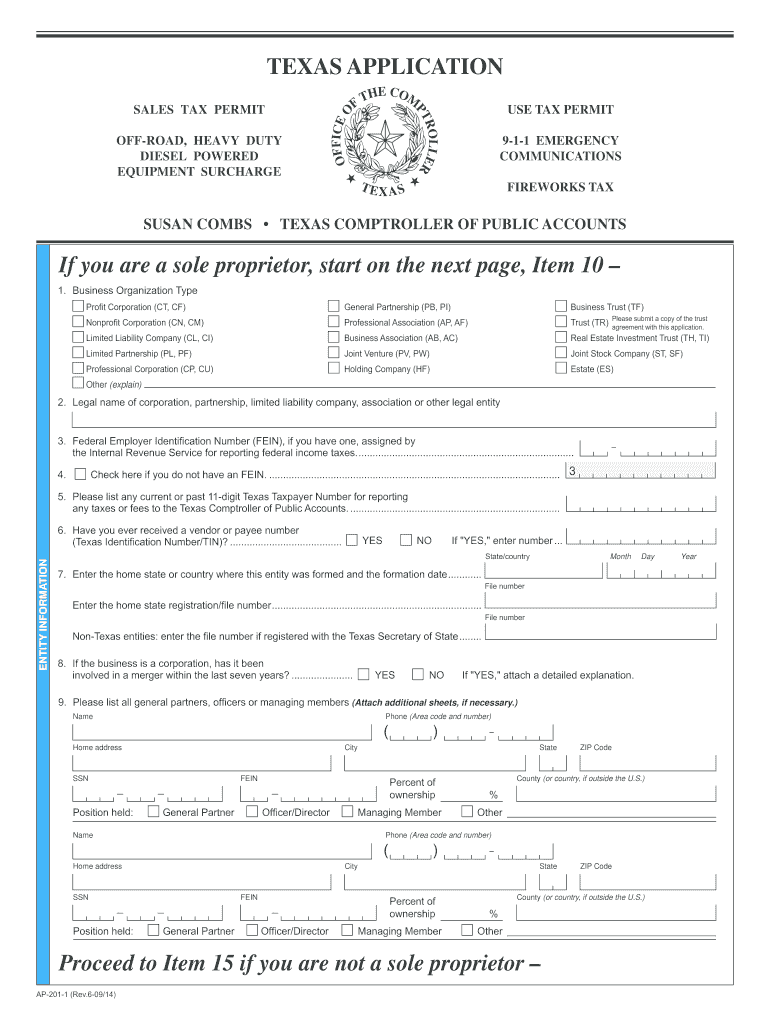
- Sales and Use Tax: If your business sells tangible personal property or taxable services in Texas, you will likely need to register with the Texas Comptroller of Public Accounts to collect and remit sales tax. This applies to a wide range of businesses, from retail stores to those offering specific services. Even if your business is primarily online, if you have a physical presence in Texas (e.g., inventory, employees), you may have sales tax obligations.
- Franchise Tax: This is a tax on limited liability companies, corporations, and partnerships that do business in Texas. The tax is based on the entity’s total revenue and is often referred to as an “earned surplus” tax. Many small businesses may be exempt from paying the franchise tax if their revenue falls below a certain threshold.
- Other Taxes: Depending on your industry, you may be subject to other specific taxes, such as excise taxes on certain goods, unemployment taxes, or property taxes.
It is always advisable to consult with a qualified tax professional or the Texas Comptroller of Public Accounts website for the most up-to-date information regarding Texas state tax laws relevant to your specific business.
Leveraging Your EIN for Business Growth
Once you have your EIN, you can begin to fully leverage it to establish and grow your business. This includes:
- Opening Business Bank Accounts: As mentioned earlier, this is critical for financial management. A dedicated business account simplifies bookkeeping, tax preparation, and provides a clear audit trail.
- Applying for Business Credit and Loans: Lenders and credit card companies will often require your EIN to assess your business’s creditworthiness.
- Hiring Employees: With an EIN, you can legally hire employees, run payroll, and comply with all federal and state employment tax regulations.
- Establishing Vendor Relationships: Many suppliers and vendors may require your EIN for account setup and payment processing.
- Filing Business Tax Returns: You will use your EIN when filing your annual federal tax returns, such as Form 1120 for corporations or Form 1065 for partnerships.
The process of obtaining a Tax ID Number, or EIN, is a fundamental step for any business looking to operate formally and responsibly in Texas. By understanding the requirements, following the simple application process, and staying informed about Texas-specific tax laws, you can ensure your business is set up for success. This allows you to dedicate your energy to creating unforgettable travel experiences, managing impeccable accommodations, or developing innovative services that make Texas a truly dynamic place to do business.
LifeOutOfTheBox is a participant in the Amazon Services LLC Associates Program, an affiliate advertising program designed to provide a means for sites to earn advertising fees by advertising and linking to Amazon.com. Amazon, the Amazon logo, AmazonSupply, and the AmazonSupply logo are trademarks of Amazon.com, Inc. or its affiliates. As an Amazon Associate we earn affiliate commissions from qualifying purchases.