
In the intricate world of air travel, safety is not merely a priority; it is the absolute foundation upon which the entire industry is built. For travelers considering flying with Alaska Air, a carrier renowned for its extensive network across North America and its distinctive presence on the West Coast, the question of “Is Alaska Air safe?” is not just valid but essential. Understanding an airline’s commitment to safety involves delving into a multi-layered framework of regulatory oversight, meticulous maintenance, rigorous pilot training, and a culture of continuous improvement. This article aims to provide a comprehensive and insightful look into the safety profile of Alaska Air, helping passengers make informed and confident travel decisions.

Understanding Airline Safety Protocols
The safety of any airline, including Alaska Air, is underpinned by a robust global and national framework of regulations and best practices. It’s a system designed to be proactive, identifying potential risks before they escalate, and reactive, thoroughly investigating any incidents to prevent future occurrences. This intricate web of protocols ensures that every aspect of flight operations, from the design of an aircraft to the final landing, meets the highest safety standards.
The Role of Regulatory Bodies
At the pinnacle of aviation safety oversight in the United States stands the Federal Aviation Administration (FAA). The FAA is responsible for regulating all aspects of civil aviation in the U.S., including the certification of aircraft, pilots, and airlines, as well as establishing and enforcing operational procedures. Airlines like Alaska Air operate under strict FAA mandates, which cover everything from flight crew duty limits to aircraft airworthiness directives. The FAA conducts regular, unannounced inspections and audits to ensure compliance, with severe penalties for any deviations. Beyond the FAA, international standards set by organizations like the International Civil Aviation Organization (ICAO) provide a global baseline for safety, ensuring consistency across borders. In the event of an incident, the National Transportation Safety Board (NTSB) takes the lead in independent investigations, meticulously analyzing every detail to determine the cause and issue safety recommendations. This multi-agency approach creates a comprehensive safety net that continuously evaluates and enhances aviation safety.
Comprehensive Maintenance Programs
An aircraft is a complex machine, and its continued airworthiness is paramount to safety. Airlines invest heavily in comprehensive maintenance programs that adhere to strict schedules and procedures mandated by both aircraft manufacturers (such as Boeing and Airbus) and regulatory bodies. For Alaska Air, this means a state-of-the-art maintenance operation employing highly skilled technicians who conduct routine checks, preventative maintenance, and extensive overhauls. Components are inspected, repaired, or replaced at prescribed intervals, long before they might fail. These programs are not just about fixing issues but are proactive strategies designed to predict and prevent potential problems. Every maintenance action is meticulously documented and verified, creating an unbreakable chain of accountability. Furthermore, airlines maintain inventories of spare parts, ensuring that any necessary repairs can be completed swiftly and effectively, minimizing downtime and maintaining the highest safety standards.
Pilot Training and Certification Excellence
The human element is arguably the most critical aspect of aviation safety. Pilots undergo an unparalleled level of training, certification, and recurrent evaluation. To become a commercial airline pilot, candidates must accumulate thousands of flight hours, pass rigorous written and practical exams, and demonstrate exceptional skill and judgment. For Alaska Air pilots, this journey continues throughout their careers. They receive recurrent training in flight simulators that replicate every conceivable scenario, from engine failures to adverse weather conditions. This training ensures that pilots are not only proficient in routine operations but are also expertly prepared to handle emergencies with calm and precision. Captains and first officers work as a cohesive team, continuously monitoring aircraft systems, weather conditions, and air traffic. Their adherence to standardized operating procedures (SOPs) is a cornerstone of safe flight, ensuring consistency and predictability in all operations. The ongoing investment in pilot training and development by airlines like Alaska Air underscores their understanding that well-trained flight crews are the ultimate safeguard in the skies.
Alaska Air’s Commitment to Safety
Alaska Air has cultivated a strong reputation within the aviation industry, not just for its customer service and operational efficiency but critically, for its steadfast commitment to safety. This commitment is woven into the fabric of the company’s culture, influencing every decision and operation.
A Legacy of Operational Integrity
Since its inception, Alaska Air has operated with a deep-seated understanding that safety is non-negotiable. Its history is marked by a focus on robust operational integrity, particularly given its routes often traversing challenging terrains and weather conditions in Alaska and other Pacific Northwest regions. This has necessitated an even higher degree of vigilance and meticulous planning. The airline’s operational headquarters in Seattle coordinates a vast network, emphasizing stringent adherence to protocols whether flying to remote Alaskan villages or bustling metropolitan hubs like Los Angeles or San Francisco. This long-standing tradition of prioritizing safe operations, combined with continuous internal audits and a proactive approach to risk management, has allowed Alaska Air to maintain an exemplary safety record over decades.
Fleet Modernization and Technology Integration
A key component of an airline’s safety profile is the age and modernity of its fleet. Alaska Air has consistently invested in fleet modernization, primarily operating modern Boeing 737 aircraft, with recent additions of the Airbus A320 family through its acquisition of Virgin America. Newer aircraft incorporate the latest advancements in avionics, navigation, and safety systems, enhancing both operational efficiency and safety margins. These include advanced weather radar, sophisticated navigation tools, and robust structural designs. Regular updates to software and hardware ensure that the fleet remains at the cutting edge of aviation technology. This commitment to a modern fleet not only contributes to fuel efficiency and passenger comfort but, most importantly, provides pilots with advanced tools and highly reliable aircraft, further bolstering the airline’s safety posture. The airline also maintains detailed records of every aircraft’s service history, ensuring complete transparency and traceability of all maintenance actions.
Proactive Safety Management Systems
Modern aviation safety goes beyond mere compliance; it embraces proactive Safety Management Systems (SMS). Alaska Air implements a comprehensive SMS that continually identifies hazards, assesses risks, and implements mitigation strategies. This system encourages all employees, from ground crew in Portland to flight attendants flying to Anchorage, to report potential safety concerns without fear of reprisal. Such a “just culture” fosters open communication and allows for the early detection and resolution of issues that might otherwise go unnoticed. Data from operations, maintenance, and flight records are continuously analyzed to identify trends and areas for improvement. This proactive, data-driven approach means that safety is not just an outcome but an ongoing process of improvement and adaptation, anticipating potential challenges before they manifest as incidents.
Industry Reputation and Performance Metrics
When evaluating an airline’s safety, it’s also important to consider its standing within the broader aviation industry and how its performance metrics stack up against peers. Independent evaluations and public data offer valuable insights.
Safety Ratings and Audits
Several independent organizations assess airline safety worldwide. For instance, the International Air Transport Association (IATA) conducts its Operational Safety Audit (IOSA), a globally recognized and accepted evaluation system designed to assess the operational management and control systems of an airline. While specific public ratings can vary between different assessment bodies, Alaska Air has consistently maintained favorable safety ratings from reputable organizations. These audits delve into every operational facet, from flight operations and dispatch to maintenance and security. A consistent track record of passing such rigorous audits is a strong indicator of an airline’s adherence to global best practices and its robust safety culture.
Incident Reporting and Transparency
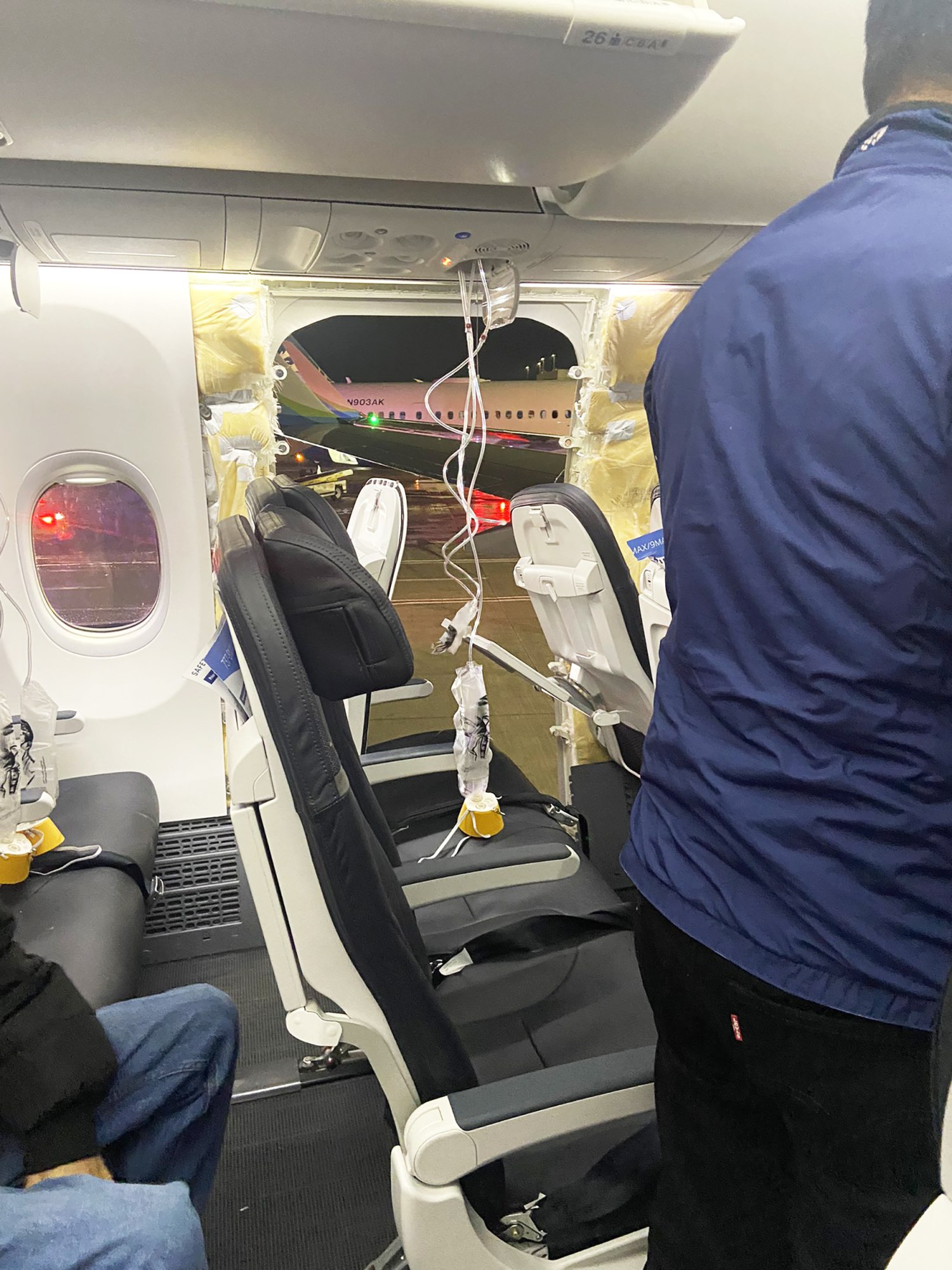
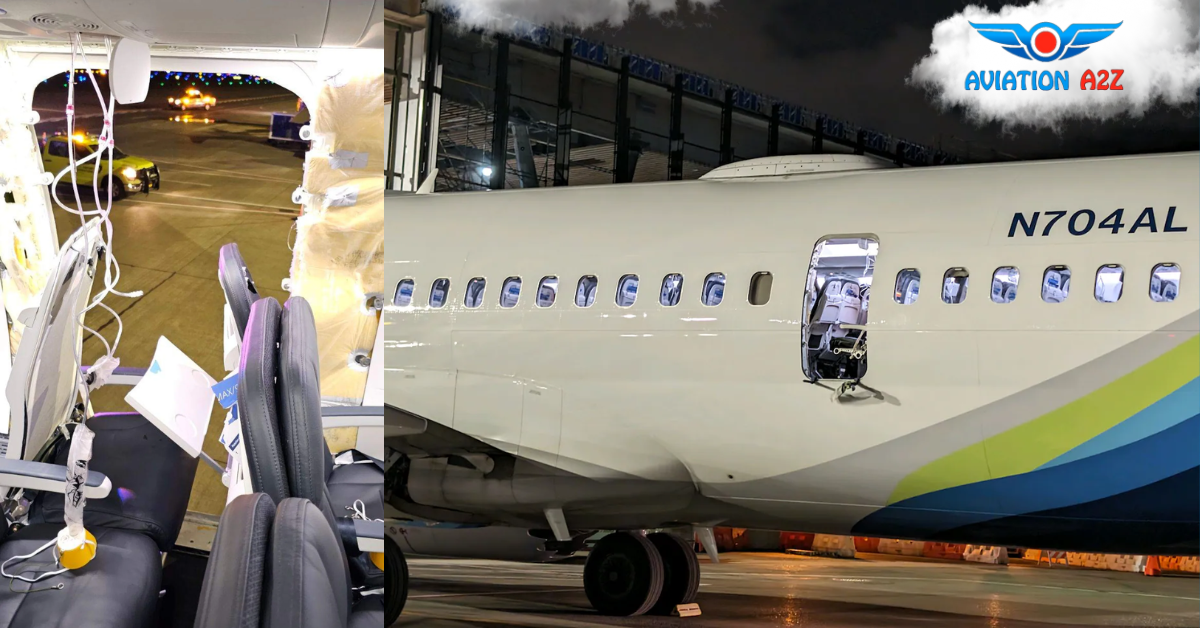
No airline can claim an entirely incident-free history, as aviation involves complex operations. However, the true measure of an airline’s commitment to safety lies in its response to incidents and its transparency in reporting. Alaska Air adheres strictly to FAA and NTSB reporting requirements, ensuring that all incidents, no matter how minor, are thoroughly investigated. The findings from these investigations are used to update procedures, enhance training, and implement corrective actions, creating a continuous loop of learning and improvement. This commitment to transparency and a culture of learning from every event, rather than concealing them, is a hallmark of a truly safety-conscious organization. Passengers can often access public records of incidents through NTSB databases, providing further layers of accountability and insight.
Passenger Trust and Confidence
Ultimately, passenger trust is earned through consistent safe operations. Alaska Air’s long-standing presence and generally positive public perception regarding safety are testaments to its operational integrity. Travelers often choose airlines based on their perceived reliability and safety record, and Alaska Air has cultivated a strong reputation in this regard. While individual experiences can vary, the aggregate perception, supported by industry ratings and regulatory oversight, suggests that Alaska Air instills a high level of confidence among its customer base, contributing to its standing as a reliable choice for air travel.
Factors Contributing to a Safe Flight Experience
While much of airline safety is handled behind the scenes, there are several visible and invisible layers that contribute directly to your safe flight experience every time you step on board.
Cabin Crew Training and Emergency Preparedness
The highly visible cabin crew, often associated with passenger service, plays a critical role in safety. Every flight attendant undergoes extensive training in first aid, CPR, emergency evacuations, and handling various in-flight medical or security situations. They are the frontline responders in an emergency, expertly guiding passengers to safety and administering critical care. Their recurrent training ensures they are always prepared for any contingency, providing an essential layer of safety beyond the cockpit. From demonstrating safety features before takeoff to managing an emergency landing, their professionalism and preparedness are paramount.
Air Traffic Control and Ground Operations
A safe flight extends far beyond the aircraft itself. The entire ecosystem of air traffic control (ATC) and ground operations plays a crucial, interconnected role. ATC manages the flow of aircraft in the sky and on the ground, preventing collisions and guiding planes through complex airspace. Highly skilled air traffic controllers, working in coordination with pilots, ensure precise navigation and separation. Similarly, ground crews at airports like Vancouver International Airport or Mexico City International Airport are responsible for safe baggage handling, aircraft marshaling, fueling, and pushback procedures. Their meticulous adherence to safety protocols is essential to prevent accidents on the tarmac and ensure a smooth transition from gate to runway.
Adapting to Evolving Aviation Challenges
The aviation landscape is dynamic, constantly presenting new challenges, from cybersecurity threats to global health crises. Airlines, including Alaska Air, must continuously adapt their safety protocols to address these evolving threats. This involves investing in advanced security measures, implementing robust health and hygiene protocols, and developing contingency plans for unforeseen events. The industry’s ability to learn from past events and proactively prepare for future ones is a testament to its commitment to maintaining the highest possible safety standards, regardless of the external environment.
Making Informed Travel Decisions
For any traveler, understanding an airline’s safety profile is a key part of making informed travel choices. While the statistics overwhelmingly show that air travel is one of the safest modes of transportation, a discerning approach is always beneficial.
Researching Your Airline
Before booking, a quick review of an airline’s general reputation and safety ratings from independent bodies can provide peace of mind. Organizations like AirlineRatings.com often provide comprehensive safety assessments, taking into account factors like accident history, fleet age, and compliance with international safety standards. While Alaska Air consistently ranks well in such assessments, understanding the basis of these ratings can further empower your decision-making. Look for airlines that have a transparent approach to safety and a consistent track record of operational excellence.
Understanding Your Role as a Passenger
As a passenger, you also play a small but significant role in ensuring your own safety and that of others. Paying attention to the safety briefing, familiarizing yourself with emergency exits, and following cabin crew instructions are simple yet crucial actions. In the rare event of an emergency, your awareness and cooperation can be vital. Choosing to fly with reputable airlines like Alaska Air, which demonstrate a clear and unwavering commitment to safety through their operations, maintenance, and training, means you are placing yourself in capable hands, allowing you to enjoy your journey with confidence.
In conclusion, the question “Is Alaska Air safe?” can be confidently answered in the affirmative. The airline’s rigorous adherence to FAA regulations, its advanced maintenance programs, continuous pilot training, modern fleet, and proactive safety management systems collectively contribute to a robust safety profile. Coupled with its strong industry reputation and transparent approach, Alaska Air demonstrates a deep and ongoing commitment to ensuring the safety and well-being of its passengers on every flight.
LifeOutOfTheBox is a participant in the Amazon Services LLC Associates Program, an affiliate advertising program designed to provide a means for sites to earn advertising fees by advertising and linking to Amazon.com. Amazon, the Amazon logo, AmazonSupply, and the AmazonSupply logo are trademarks of Amazon.com, Inc. or its affiliates. As an Amazon Associate we earn affiliate commissions from qualifying purchases.