
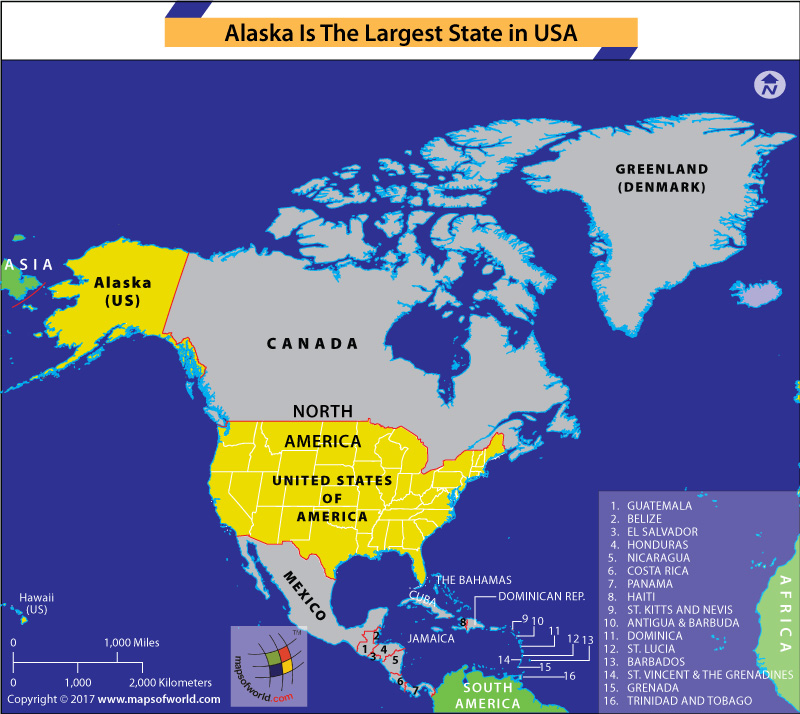
Indeed, Alaska stands unequivocally as the largest US state, not only by a narrow margin but by an overwhelming expanse that dwarfs all others. Its sheer scale is a defining characteristic, transforming the entire state into a grand collection of natural landmarks. From its towering mountain ranges to its labyrinthine coastlines, and its vast untamed wildernesses, Alaska’s size isn’t merely a statistic; it’s the fundamental attribute that shapes its geography, history, and unique identity as a global marvel. Understanding this immense scale is crucial to appreciating the natural wonders and historical narratives that define the Last Frontier.
The Undeniable Scale of the Last Frontier
To truly grasp the magnitude of Alaska, one must move beyond simple numbers and envision its colossal presence. It is a land of extremes, where distances are measured not in miles but often in hours of flight time, and where the human imprint remains remarkably faint across vast stretches. This immensity has sculpted some of the world’s most breathtaking and unspoiled natural landmarks.
A Geographic Colossus
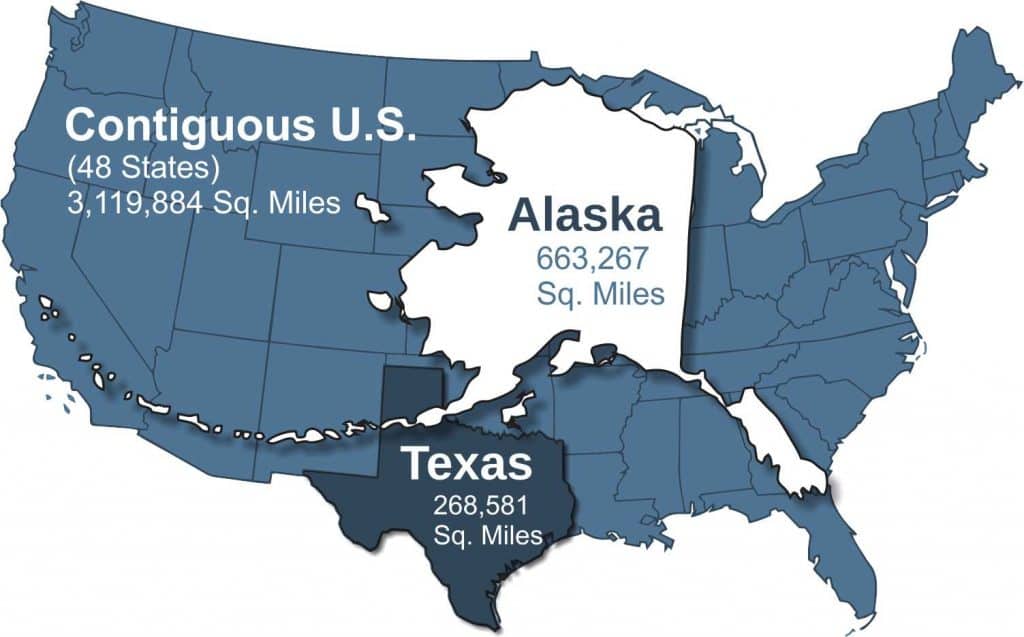
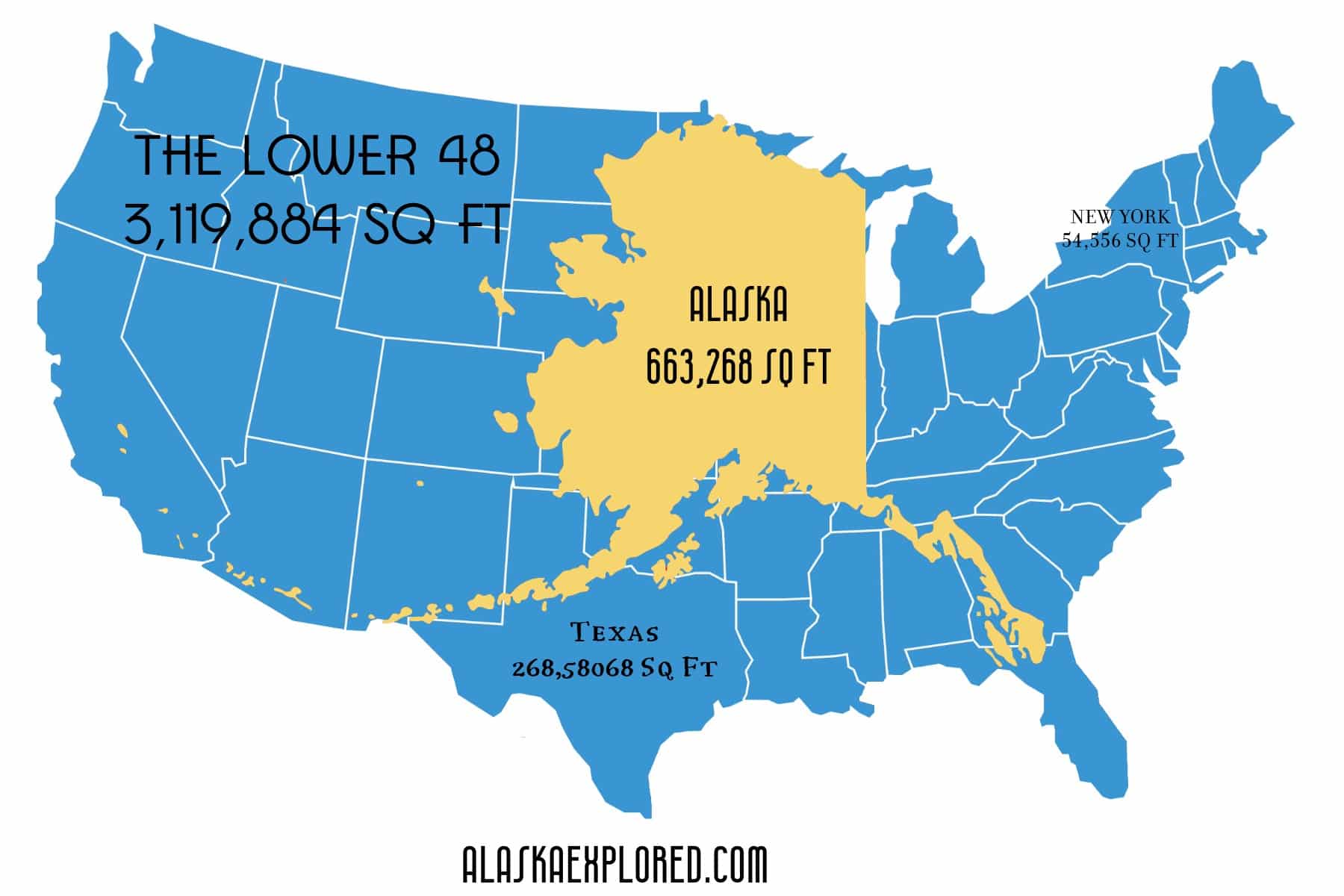
Alaska’s land area spans approximately 570,374 square miles (1,477,392 square kilometers). When its extensive territorial waters are included, its total area expands even further. To put this into perspective, Alaska is more than twice the size of Texas, the second-largest state, and larger than the next three largest states (Texas, California, and Montana) combined. One could fit seventeen states the size of New York within Alaska’s borders, or nearly 400 states the size of Rhode Island. This vastness means that Alaska covers about one-fifth of the entire landmass of the United States. Its northernmost point reaches into the Arctic Circle, while its southwestern reaches extend into the Pacific, making it both the westernmost and easternmost state in the United States due to the Aleutian Islands crossing the 180th meridian. This geographic position alone makes it a landmark of global significance.
Beyond Land Area: Coastlines and Islands
The sheer land area is only one dimension of Alaska’s monumental scale. Its coastline is equally staggering, stretching over 33,904 miles (54,563 kilometers) when factoring in all islands, inlets, and fjords. This is more than the coastlines of all other US states combined. Such an extensive interface between land and sea has created a myriad of unique natural landmarks: thousands of islands, from the remote and volcanic Aleutian Islands forming a vast arc across the North Pacific to the lush, temperate rainforest islands of the Alexander Archipelago in Southeast Alaska. These coastal features are not just geographic details; they are dynamic ecosystems and breathtaking scenic landmarks, teeming with marine life and dramatic geological formations, carved by millennia of glacial activity and tectonic forces.
Natural Landmarks Defined by Immensity
Alaska’s colossal size has allowed for the preservation and prominence of some of the most spectacular natural landmarks on Earth. These features are not merely large; their scale contributes to their pristine nature and profound impact.
Towering Peaks and Vast Mountain Ranges
Central to Alaska’s landmark status are its formidable mountain ranges. The crown jewel is Denali, formerly known as Mount McKinley, which rises to an astonishing 20,310 feet (6,190 meters) above sea level, making it the highest peak in North America. Denali is not just tall; its base-to-peak rise is greater than Mount Everest, creating an awe-inspiring landmark visible from hundreds of miles away on clear days. The Alaska Range, home to Denali, stretches for over 600 miles, a formidable barrier of ice and rock. Further north, the Brooks Range spans about 700 miles across the northern reaches of the state, defining the boundary of the Arctic Slope. These immense mountain systems are not isolated peaks but vast wildernesses, characterized by extreme elevations, deep valleys, and expansive glacial systems, each a landmark in its own right, shaped by powerful geological forces.
Glaciers, Fjords, and Icefields
The sheer scale of Alaska also means it hosts an unparalleled collection of glaciers and icefields. Approximately 5% of Alaska’s land area is covered by glaciers, a stunning testament to its cold climate and mountainous terrain. Iconic landmarks include the colossal Malaspina Glacier, an enormous piedmont glacier that covers an area larger than Rhode Island, and the tidewater Hubbard Glacier, one of the most active and massive glaciers in North America, regularly calving icebergs into Disenchantment Bay. The intricate network of fjords, particularly prominent in Prince William Sound and Southeast Alaska, are monumental natural landmarks carved by these retreating glaciers. These deep, narrow inlets, often flanked by steep, forested cliffs and cascading waterfalls, offer dramatic vistas where ice meets ocean, representing a landscape formed by millennia of natural processes.
Untamed Wilderness: National Parks and Preserves
Alaska’s vastness is perhaps best exemplified by its extensive network of protected areas, which preserve entire ecosystems as monumental natural landmarks. Wrangell-St Elias National Park and Preserve, at 13.2 million acres (5.3 million hectares), is the largest national park in the United States and is larger than Switzerland. It boasts nine of the sixteen highest peaks in the United States and a dynamic landscape of volcanoes, glaciers, and rivers. Similarly, Gates of the Arctic National Park and Preserve covers 8.4 million acres of pristine wilderness north of the Arctic Circle, entirely without roads or trails, representing an untouched polar landmark. Katmai National Park and Preserve is another significant landmark, famous for its Valley of Ten Thousand Smokes, a landscape transformed by a massive volcanic eruption, and its abundant brown bears. These parks are not merely designated areas; they are vast, living monuments to nature’s power and resilience, preserving landscapes and biodiversity on a scale unmatched elsewhere in the United States.
Historical Significance of Its Size
The immense size of Alaska has profoundly shaped its historical trajectory, making it a critical geopolitical landmark and a repository of unique human endeavors.
The Alaska Purchase and Territorial Expansion
The acquisition of Alaska from Russia in 1867 for $7.2 million, famously dubbed “Seward’s Folly” by critics, was a pivotal moment in United States history. The Alaska Purchase dramatically expanded the nation’s territory by nearly 20%, adding a vast, resource-rich, and strategically located landmass. At the time, few truly understood the value of such an enormous, remote territory. This historical transaction itself is a landmark event, marking a significant phase of American expansion and vision. The very notion of acquiring such a massive, unknown land highlights the American ambition of the era and the long-term strategic thinking that saw beyond the immediate criticism.
Resource Riches and Strategic Importance
The sheer size of Alaska meant it was a treasure trove of resources, though their discovery often came much later. The late 19th and early 20th centuries saw the Klondike Gold Rush and other smaller rushes that drew thousands to its interior and coastal regions, forever altering its demographic and economic landscape. Later, the discovery of vast oil reserves in places like Prudhoe Bay transformed Alaska into a critical energy producer for the United States. The Trans-Alaska Pipeline System, an engineering marvel built to traverse this immense and challenging landscape, is a modern landmark representing human ingenuity in overcoming vast distances and extreme conditions. Furthermore, Alaska’s strategic location, positioned between North America and Asia and within striking distance of Russia, made it a critical military outpost during World War II and the Cold War. Its vast, empty spaces provided ideal locations for military bases and early warning systems, underscoring how its size contributed to its geopolitical landmark status.
Navigating the Immensity: Challenges and Uniqueness
Alaska’s immense scale presents both unique challenges and unparalleled opportunities, shaping its cultural landscape and preserving its natural grandeur.
Infrastructure and Accessibility
The vastness of Alaska has profoundly impacted its infrastructure. Unlike the contiguous United States, Alaska has a limited road network, with many communities accessible only by air or sea. Cities like Juneau, the state capital, are not connected to the continental road system. This reliance on bush planes, ferries, and barges for transportation and supply underscores the challenges of navigating such an enormous and often rugged land. The few major highways, like the Alaska Highway, are themselves legendary landmarks, testaments to human perseverance in connecting disparate regions across vast, wild landscapes. This limited accessibility has, ironically, helped preserve many of its natural landmarks, keeping vast areas pristine and untouched by mass development.
Low Population Density and Pristine Nature
Despite its enormous size, Alaska remains sparsely populated, with a population density of just over one person per square mile. This low density is a direct consequence of its immense land area and challenging environment. The positive outcome is the preservation of vast tracts of pristine wilderness, allowing Alaska to stand as one of the last great wild places on Earth. Its natural landmarks—its mountains, forests, tundras, and coastlines—exist on a scale that permits entire ecosystems to thrive untouched, providing critical habitat for an incredible array of wildlife, including grizzly bears, moose, caribou, and bald eagles. The quiet solitude and raw beauty of these expansive natural landmarks are a rarity in an increasingly developed world.
Geographic Extremes
Alaska’s immense size also means it encompasses an extraordinary range of geographic extremes. It contains some of the highest peaks in North America, but also vast coastal plains and extensive river deltas. Its climate ranges from subarctic and arctic in the interior and northern regions to temperate rainforests in the southeast. Active volcanoes dot the Aleutian Arc, a fiery string of islands that are geological landmarks in their own right. The state experiences phenomena like the midnight sun in summer and the aurora borealis in winter, natural spectacles whose prominence is amplified by the vast, unpolluted skies over its expansive wilderness. These diverse geographic features, all contained within a single state, highlight the profound impact of its overall size.
In conclusion, the answer to “Is Alaska The Largest Us State?” is a resounding yes, a fact that transcends mere trivia. This unparalleled scale is the bedrock upon which Alaska’s identity as a collection of some of the world’s most magnificent and pristine landmarks is built. From its towering peaks and majestic glaciers to its boundless wilderness and strategic historical significance, Alaska’s size is not just a statistic; it is the very essence of its grandeur, defining its geography, shaping its history, and ensuring its enduring legacy as an extraordinary natural and geopolitical landmark.
LifeOutOfTheBox is a participant in the Amazon Services LLC Associates Program, an affiliate advertising program designed to provide a means for sites to earn advertising fees by advertising and linking to Amazon.com. Amazon, the Amazon logo, AmazonSupply, and the AmazonSupply logo are trademarks of Amazon.com, Inc. or its affiliates. As an Amazon Associate we earn affiliate commissions from qualifying purchases.