
Florida, the Sunshine State, is renowned for its vibrant landscapes, captivating coastlines, and, perhaps most spectacularly, its stunning sunsets. Understanding precisely “What Time Is Dusk In Florida?” is not merely a matter of curiosity; it is a critical piece of information for tourists planning everything from beachside dinners and wildlife excursions to photography sessions and romantic strolls. Dusk in Florida is a magical transition, painting the sky with an array of colors that herald the arrival of evening, inviting visitors to experience the state’s unique ambiance as day turns to night. This guide delves into the specifics of Florida’s twilight hours, offering insights and tips to enhance your travel experiences.
Understanding Florida’s Unique Sunset & Dusk Phenomenon
The concept of “dusk” often evokes images of a colorful sky just after the sun dips below the horizon. Scientifically, however, dusk is a broader period, encompassing several stages of twilight. For tourists in Florida, recognizing these distinctions can profoundly impact their evening plans, from optimizing visibility for activities to capturing that perfect photograph.
The Science Behind Dusk in the Sunshine State
Dusk is not an instantaneous event but a gradual transition characterized by three distinct phases of twilight, each defined by the sun’s angular distance below the horizon:
- Civil Twilight: This is the period immediately following sunset when the sun is between 0 and 6 degrees below the horizon. It’s often what most people consider “dusk.” During civil twilight, there is still enough natural light for outdoor activities without artificial illumination. The sky is often awash with the most intense and vivid colors – the “golden hour” for photographers often extends into the early part of civil twilight. This is prime time for beach walks, outdoor dining, and enjoying a final swim before dark.
- Nautical Twilight: As the sun descends further, between 6 and 12 degrees below the horizon, nautical twilight begins. During this phase, the horizon is no longer clearly visible, making navigation at sea (hence “nautical”) challenging without instruments. For land-based tourists, this is when stars and planets become more apparent, and the sky takes on deeper blues and purples. Artificial lights become necessary for most outdoor activities.
- Astronomical Twilight: The darkest phase of twilight occurs when the sun is between 12 and 18 degrees below the horizon. At this point, the sky is almost completely dark, and it is virtually impossible to distinguish the sun’s glow. This is the ideal time for stargazing, away from city lights, as even the faintest celestial objects become visible. After astronomical twilight, true night begins.
In Florida, these phases play out with remarkable beauty, particularly over the Gulf of Mexico or the Atlantic Ocean, where an unobstructed horizon offers a dramatic canvas. The state’s relatively flat terrain also contributes to expansive sky views, making sunset and subsequent dusk an anticipated daily event.
Why Florida’s Dusk is a Must-Experience
Florida’s unique geographical position and climatic conditions converge to create some of the most spectacular dusk experiences in the world. The warm, humid air often contributes to richer, more saturated colors in the sky by scattering sunlight more effectively. This creates a visual spectacle that is more than just a backdrop; it’s an experience in itself, integral to the tourism appeal of the state.
- Photographic Opportunities: The “golden hour” leading into civil twilight and the subsequent “blue hour” of early nautical twilight offer unparalleled opportunities for photographers. The soft, warm light enhances landscapes, portraits, and architectural details, transforming ordinary scenes into extraordinary visual memories.
- Wildlife Viewing: Many of Florida’s iconic animals, from alligators and various bird species to deer and even elusive Florida panthers, become more active during the cooler, dimmer hours of dusk. Wildlife tours and nature walks often schedule their outings to coincide with these prime viewing times.
- Romantic Ambiance: There’s an undeniable romance to a Florida dusk. Whether it’s a quiet stroll along South Beach, a candlelit dinner overlooking the ocean in Naples, or a sunset cruise in the Florida Keys, the fading light and dramatic sky create an intimate and memorable atmosphere for couples.
For tourists, planning activities around these precise moments can elevate a good vacation into an unforgettable journey.
Geographical Variations and Seasonal Shifts Across Florida
While the general concept of dusk remains constant, the exact timing across Florida can vary significantly based on your specific location within the state and the time of year. Understanding these variations is crucial for precise planning, ensuring you don’t miss a single moment of the evening spectacle.
North Florida vs. South Florida: A Sunset Comparison
Florida is a long, narrow peninsula, stretching over 400 miles from its northern border to Key West. This considerable north-south distance, coupled with its east-west width, means that dusk times are not uniform across the state.
- Latitude’s Influence: Generally, areas further south will experience slightly later sunsets and, consequently, later dusk times than areas in North Florida. For example, a sunset in Key West can occur several minutes later than in Jacksonville on the same day. This is due to the earth’s tilt and curvature relative to the sun.
- Longitude’s Influence: While Florida observes a single time zone (Eastern Time), its longitude span still impacts local sun times. Western coastal cities like Tampa and Sarasota will typically experience sunsets and dusks later than eastern coastal cities such as Miami or Fort Lauderdale, even if they are at similar latitudes. This is because the sun appears to move from east to west across the sky.
- Specific City Examples:
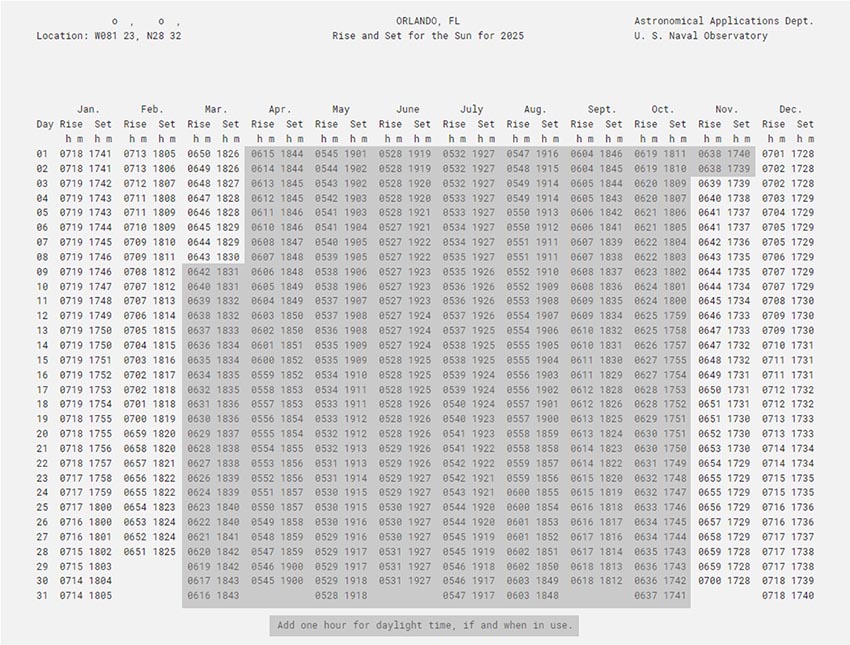
- In summer, Jacksonville might see sunset around 8:30 PM, with civil twilight lasting until 9:00 PM.
- In contrast, Miami could have sunset closer to 8:15 PM, with civil twilight extending to 8:45 PM.
- On the Gulf Coast, Tampa might experience sunset around 8:30 PM in summer, with civil twilight until 9:00 PM, slightly later than Orlando which is more inland and to the east.
- Key West, being the southernmost point, often boasts some of the latest sunset times, making its famous Mallory Square sunset celebration a drawn-out affair.
These differences, while seemingly minor, can be significant when planning timed activities like dinner reservations or specific tour departures.
Seasonal Impact: Summer Solstice vs. Winter Solstice
The time of year dramatically influences the length of daylight and, consequently, the timing of dusk.
- Summer (Around Summer Solstice – June 21): Days are at their longest, meaning sunsets occur much later in the evening. Dusk periods also extend, offering prolonged twilight for evening activities. This is peak season for late-night beach outings and outdoor events across Florida, including theme park fireworks at places like Walt Disney World or Universal Studios Florida.
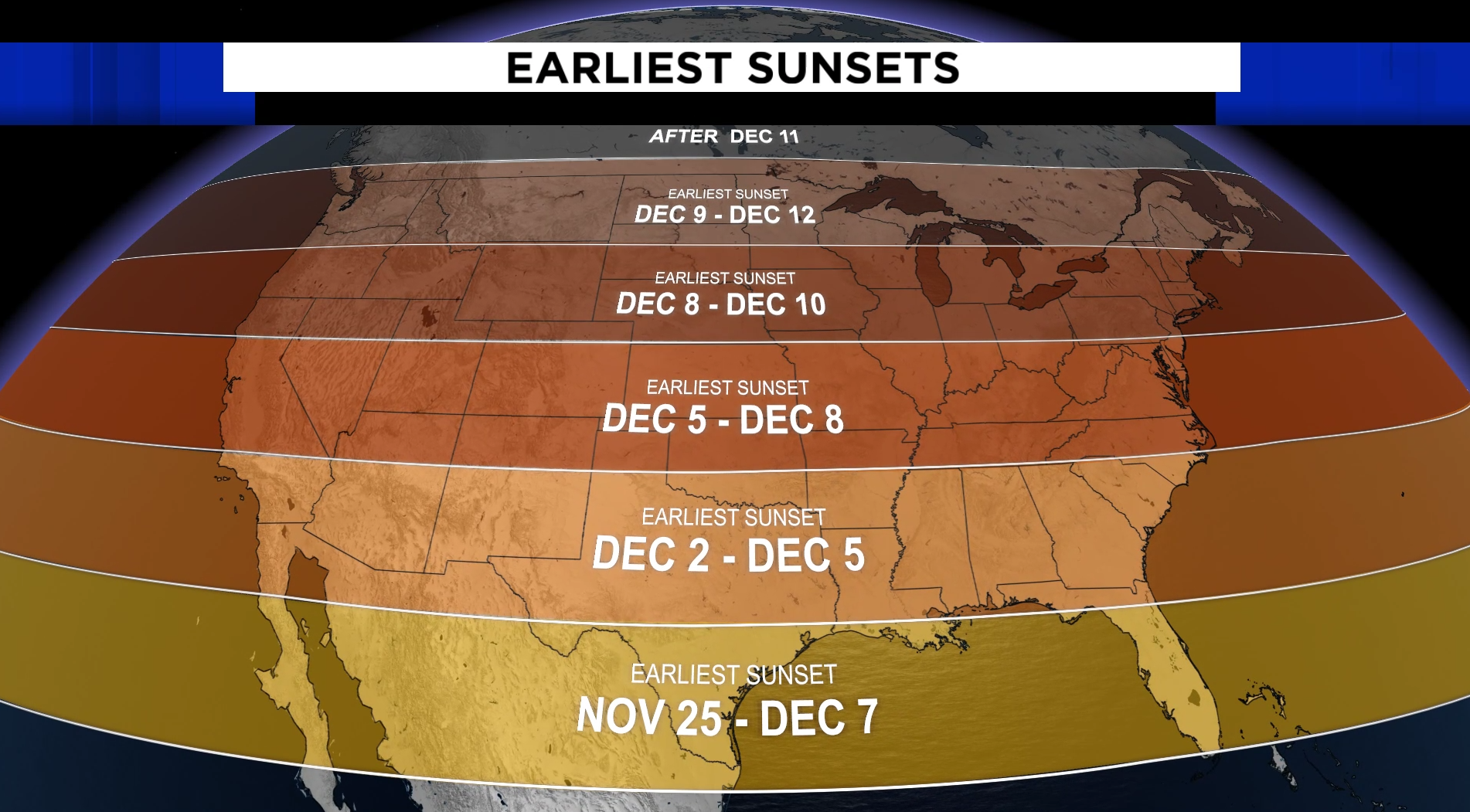
- Winter (Around Winter Solstice – December 21): Days are at their shortest, resulting in significantly earlier sunsets and dusks. Visitors during these months should plan their evening activities to start earlier, especially if they wish to enjoy the transition from day to night. For instance, a December sunset in Orlando might be as early as 5:30 PM, with civil twilight ending around 6:00 PM.
- Spring and Fall: These transitional seasons see sunset and dusk times gradually shifting. Spring offers progressively later sunsets, while fall brings them earlier. These seasons often provide pleasant weather for enjoying the twilight hours outdoors.
Consulting Reliable Resources for Accurate Times
Given these variations, relying on accurate, up-to-date information is paramount for tourists.
- Local Weather Apps and Websites: Most modern weather applications and reputable meteorological websites provide precise sunset and sunrise times, often broken down into the various twilight phases for your specific location.
- Online Sunset Calculators: Websites like timeanddate.com allow you to input any Florida city and date to get exact times for all twilight stages.
- Hotel Concierge and Local Guides: If you’re staying at a resort or engaging a local tour operator, their staff can often provide the most current information, along with recommendations for the best places to experience dusk.
Integrating this information into your itinerary ensures that you are always in the right place at the right time to witness Florida’s captivating evening transformation.
Optimizing Your Florida Tourism Activities Around Dusk
Dusk in Florida is not just a beautiful sight; it’s an opportunity to engage in a host of unique tourism activities. By strategically planning your itinerary around these twilight hours, you can unlock experiences that are simply not available at other times of the day.
Capturing the Magic: Photography Tips for Florida Dusk
For photographers, the civil and nautical twilight periods are often considered the “magic hours.” The soft, diffused light, rich colors, and dramatic skies provide an ideal setting.
- Golden Hour: The hour leading up to sunset, and extending slightly into civil twilight, bathes everything in a warm, golden glow. This is perfect for landscape photography, capturing subjects like the historic streets of St. Augustine or the art deco buildings of Miami’s South Beach.
- Blue Hour: The period just after the sun has fully set and the sky deepens into rich blues and purples (nautical twilight) offers a cooler, more serene palette. Cityscapes, architectural photography, and even portraits can benefit from this unique lighting.
- Location, Location, Location: Head to beaches (especially on the Gulf Coast), piers, elevated viewpoints, or open water for the best unobstructed views. The Florida Keys, Sarasota’s beaches, and the Space Coast offer particularly stunning backdrops. Don’t forget to include iconic landmarks in your shots!
Wildlife Encounters: Best Times for Nature Viewing
Many of Florida’s fascinating creatures are crepuscular, meaning they are most active during dusk and dawn. Planning a nature-based tour during these times can significantly increase your chances of spotting wildlife.
- Birdwatching: Wading birds, raptors, and owls are often on the move during dusk. Visit state parks, national wildlife refuges, or areas like Everglades National Park for prime viewing.
- Alligators and Crocodiles: These reptiles become more active in the cooler evening hours. Airboat tours in the Everglades National Park or along rivers and swamps often schedule tours for dusk to maximize sightings.
- Dolphins and Manatees: While often seen during the day, dolphins can put on spectacular shows during sunset cruises, and manatees might be spotted in warmer waters.
Culinary Delights with a Sunset View
Dining becomes an experience when paired with Florida’s stunning dusks. Many restaurants, particularly along the coasts, are designed to offer panoramic sunset views.
- Beachfront Dining: From casual eateries to upscale restaurants, numerous establishments in cities like Naples, Sarasota, and Key West provide tables right on the sand or with direct views of the Gulf or Atlantic.
- Rooftop Bars and Restaurants: Urban centers like Miami, Fort Lauderdale, and Tampa boast trendy rooftop venues where you can enjoy cocktails and cuisine as the city lights begin to sparkle against the twilight sky.
- Sunset Cruises: Combine a delicious meal or drinks with a leisurely cruise. Many coastal towns offer evening boat tours that time their departures to coincide with sunset, providing an unbeatable vantage point from the water.
Evening Attractions and Events: Making the Most of Twilight
Dusk also signals the start of many evening attractions and cultural events, adding another layer to Florida’s tourism offerings.
- Theme Park Fireworks: Major theme parks in Orlando, such as Walt Disney World and Universal Studios Florida, schedule their spectacular fireworks displays around civil twilight, allowing the vibrant explosions to pop against a deepening blue or purple sky.
- Outdoor Concerts and Festivals: Especially during the milder spring and fall months, many Florida cities host outdoor music events and festivals that begin in the late afternoon and continue into dusk.
- Historical Tours: Ghost tours in historic St. Augustine or lantern-lit walks often commence around dusk, using the fading light to enhance the spooky or atmospheric narrative.
Safety and Practical Considerations During Florida Dusk
While the beauty of Florida dusk is undeniable, tourists should also be mindful of practical and safety considerations to ensure a smooth and enjoyable experience.
Navigating Transitioning Light Conditions
As daylight fades, visibility changes rapidly.
- Driving: Be extra cautious when driving during civil twilight. The low sun can create blinding glare, and as light diminishes, pedestrians, cyclists, and animals become harder to spot. Ensure your headlights are on well before it’s completely dark.
- Walking and Cycling: If you plan to walk or cycle during dusk, especially in less illuminated areas, wear reflective clothing and carry a light. Florida sidewalks and bike paths can become very dark surprisingly quickly.
- Photography Equipment: If you’re out taking photos, ensure your gear is secure and you have adequate lighting (like a headlamp) for packing up after dark.
Mosquitoes and Other Evening Considerations
Florida’s warm, humid climate is also a haven for insects, particularly mosquitoes, which are most active around dusk.
- Insect Repellent: Always carry and apply insect repellent, especially if you plan to be outdoors near water bodies (lakes, swamps, coasts) during twilight hours.
- Appropriate Clothing: Long sleeves and pants can provide additional protection against bites if you’re venturing into natural areas.
- Allergies: Be aware of any seasonal allergies, as pollen counts can sometimes be different in the evening.
Planning for Post-Dusk Transportation and Security
As the night sets in, consider your plans for returning to your accommodation.
- Transportation: If you’ve been at a remote beach or park, ensure you have reliable transportation back. Ride-sharing services, taxis, or pre-arranged shuttles are good options.
- Personal Safety: As with any destination, remain aware of your surroundings, especially when walking alone in unfamiliar areas after dark. Stick to well-lit and populated routes.
- Securing Valuables: If you’re leaving your vehicle parked, ensure all valuables are out of sight or taken with you.
By being prepared for these practical aspects, you can fully immerse yourself in the enchanting experience of Florida’s dusk without worry.
Beyond the Sunset: The Allure of Florida’s Evening Sky
While the dramatic colors of sunset and the fleeting beauty of civil twilight are often the main draw, the transition into deeper darkness offers its own set of spectacular opportunities for Florida tourists.
Stargazing Opportunities in Florida
Once astronomical twilight ends, Florida’s night sky can reveal a dazzling display of stars, especially away from major cities.
- Dark Sky Parks: Florida boasts several certified “Dark Sky Parks” by the International Dark-Sky Association, such as Kissimmee Prairie Preserve State Park. These locations offer incredibly clear views of the Milky Way, constellations, and celestial events, making for an unforgettable tourism experience.
- Remote Beaches and Natural Areas: Even without a dedicated dark sky park, many of Florida’s less developed beaches and natural preserves offer excellent stargazing opportunities. The wide-open horizons of the coastal areas are particularly conducive to observing the night sky.
- Astrotourism: Some observatories and science centers across the state host public stargazing events, often with powerful telescopes, providing guided views of planets and deep-sky objects.
The Unique Ambiance of Florida After Dark
As dusk fully gives way to night, Florida transforms, offering a different kind of charm and vibrancy.
- Nightlife: From the pulsating clubs of Miami Beach to the live music venues of Key West and St. Augustine, Florida comes alive after dark with diverse entertainment options for every taste.
- City Lights: The urban landscapes of cities like Orlando, Tampa, and Fort Lauderdale sparkle with millions of lights, creating a captivating backdrop for evening strolls or drives.
- Quiet Reflection: For those seeking tranquility, the quiet of a Florida evening can be profoundly peaceful. A moonlit walk on a deserted beach, the gentle sound of waves, and the cool night air offer a perfect end to a day of exploration.
Understanding “What Time Is Dusk In Florida?” is more than just knowing a time; it’s about unlocking a host of unique and enriching tourism experiences. From the initial fiery colors of sunset to the deep blues of twilight and the eventual majesty of the starry night, Florida’s evening hours offer a captivating spectrum of beauty and activity for every visitor. By planning with precision and embracing the local nuances, tourists can ensure their time in the Sunshine State is filled with magical, twilight memories.
LifeOutOfTheBox is a participant in the Amazon Services LLC Associates Program, an affiliate advertising program designed to provide a means for sites to earn advertising fees by advertising and linking to Amazon.com. Amazon, the Amazon logo, AmazonSupply, and the AmazonSupply logo are trademarks of Amazon.com, Inc. or its affiliates. As an Amazon Associate we earn affiliate commissions from qualifying purchases.