
Alaska, often referred to as the “Last Frontier“, is a land of unparalleled natural beauty and immense ecological diversity. Spanning over 663,000 square miles, it is the largest state in the United States, encompassing a vast array of landscapes from towering mountain ranges and sprawling glaciers to dense forests and expansive coastlines. For travelers seeking to understand the natural heart of this magnificent destination, comprehending its dominant biomes is fundamental. A biome is a large ecological area characterized by its dominant plant and animal life, which are adapted to the specific climate and geographical conditions of that region. Alaska’s unique position, stretching from temperate zones to the Arctic Circle, results in a fascinating mosaic of biomes, each offering distinct experiences and breathtaking scenery for the intrepid explorer.
Alaska’s Ecological Tapestry: An Overview
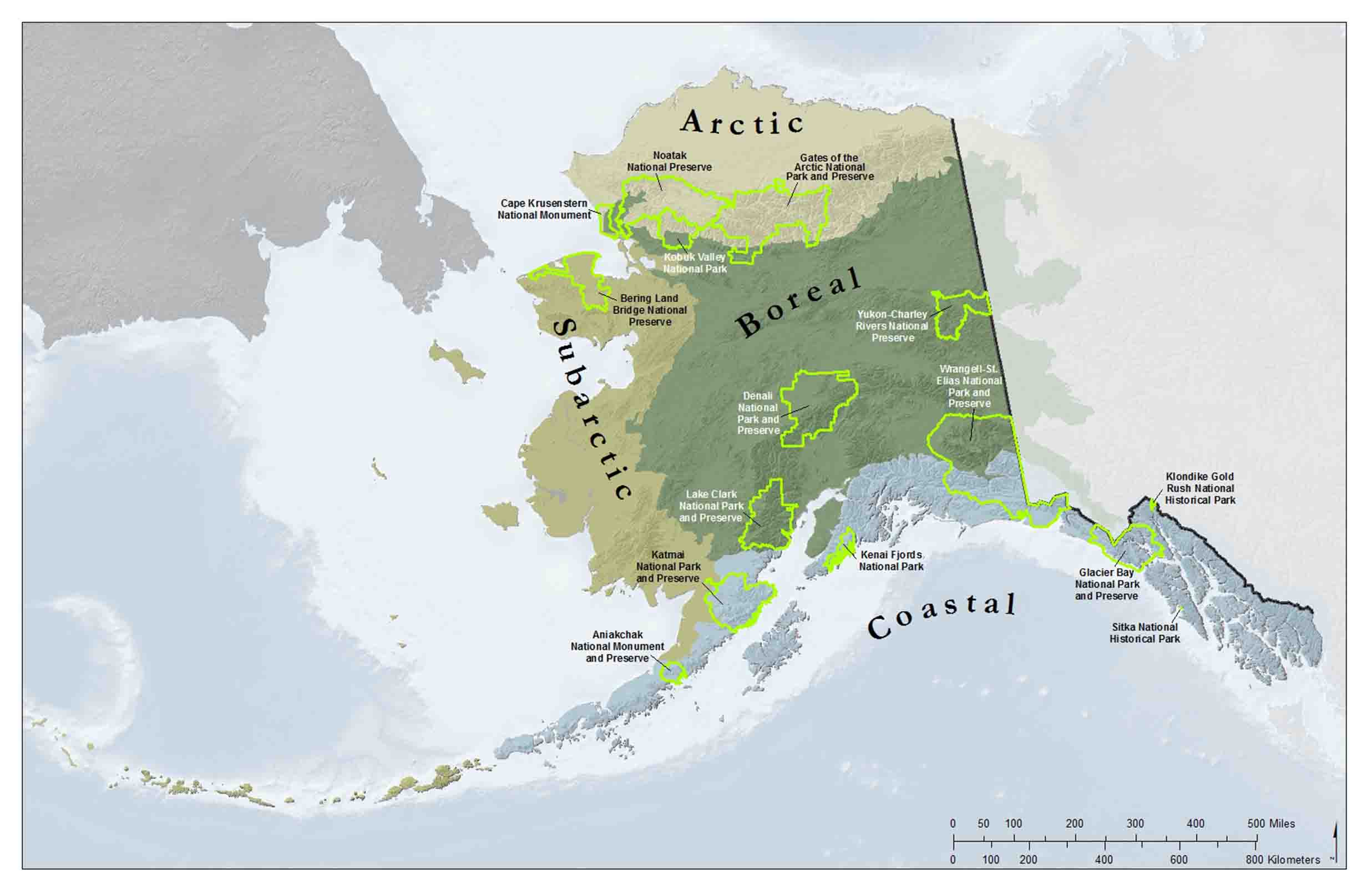
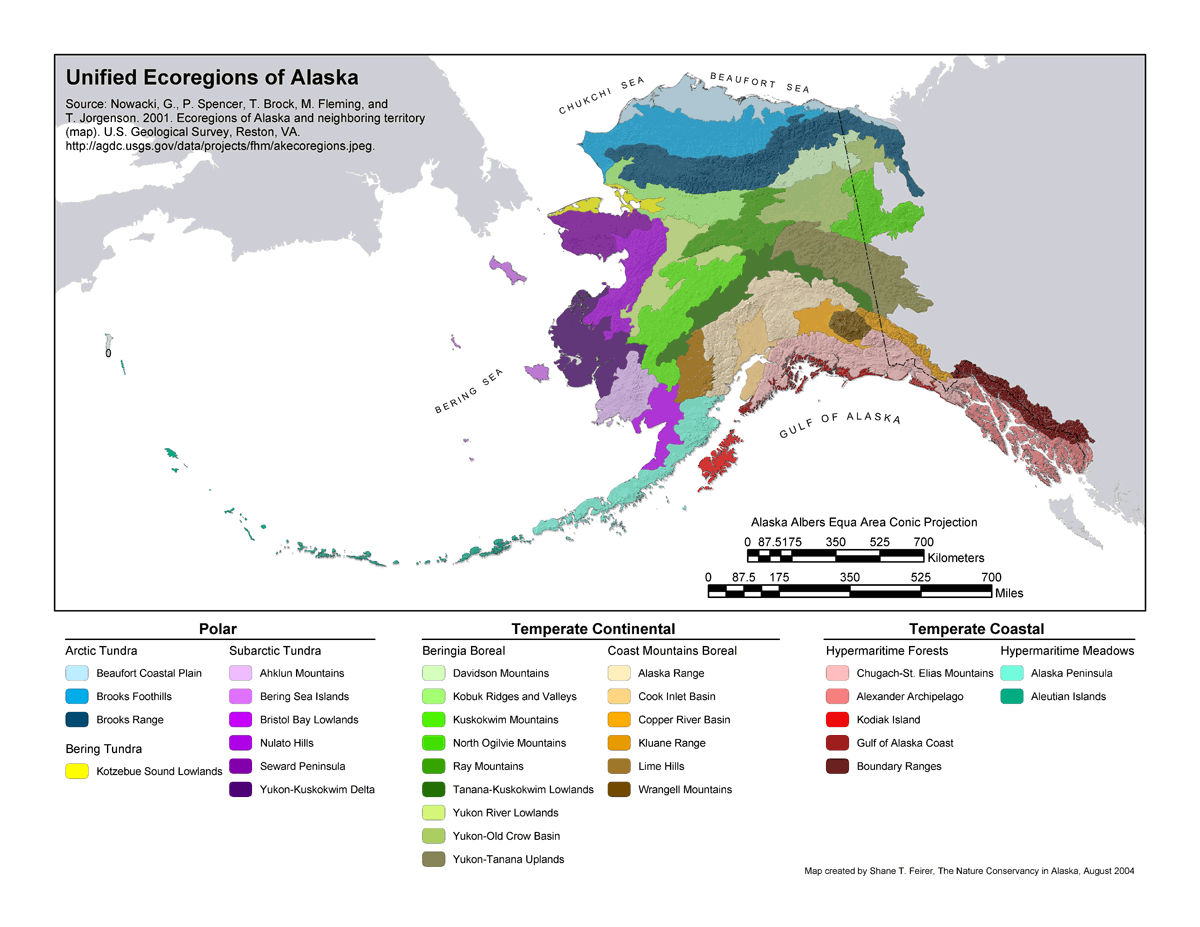
The sheer scale and latitudinal range of Alaska mean that it cannot be defined by a single biome. Instead, it hosts a complex interplay of several major ecological zones, primarily influenced by its geography, proximity to the ocean, and varied elevation. Understanding these biomes is key to appreciating the state’s diverse wildlife, vegetation, and the unique challenges and opportunities they present for both indigenous communities and modern travelers.
The Concept of a Biome in the Alaskan Context
Biomes are typically classified based on factors like temperature, precipitation, and dominant plant types. In Alaska, these factors vary dramatically across its vast expanse. For instance, the southeastern panhandle experiences mild, wet conditions conducive to temperate rainforests, while the far north endures extremely cold, dry conditions that characterize the tundra. The interior, shielded by mountain ranges, develops a continental climate that supports vast boreal forests. This intricate relationship between climate and geography shapes the types of ecosystems that thrive in different parts of the state, making Alaska a living laboratory for ecological study and a paradise for nature enthusiasts.
Why Alaska is Ecologically Unique
Alaska’s uniqueness stems from several factors. Its immense size allows for multiple climate zones within its borders. The state also features significant altitudinal variation, from sea level along its extensive coastline to the towering peak of Denali, North America’s highest mountain. Furthermore, Alaska is relatively pristine, with large areas remaining wild and untouched by human development, providing critical habitat for numerous species that have vanished or are endangered elsewhere. This combination fosters a rich biodiversity and creates distinct ecological regions that are globally significant. From the migratory patterns of birds to the spawning grounds of salmon and the calving grounds of caribou, Alaska’s biomes support some of the most spectacular natural phenomena on Earth.
Dominant Biomes of the Last Frontier
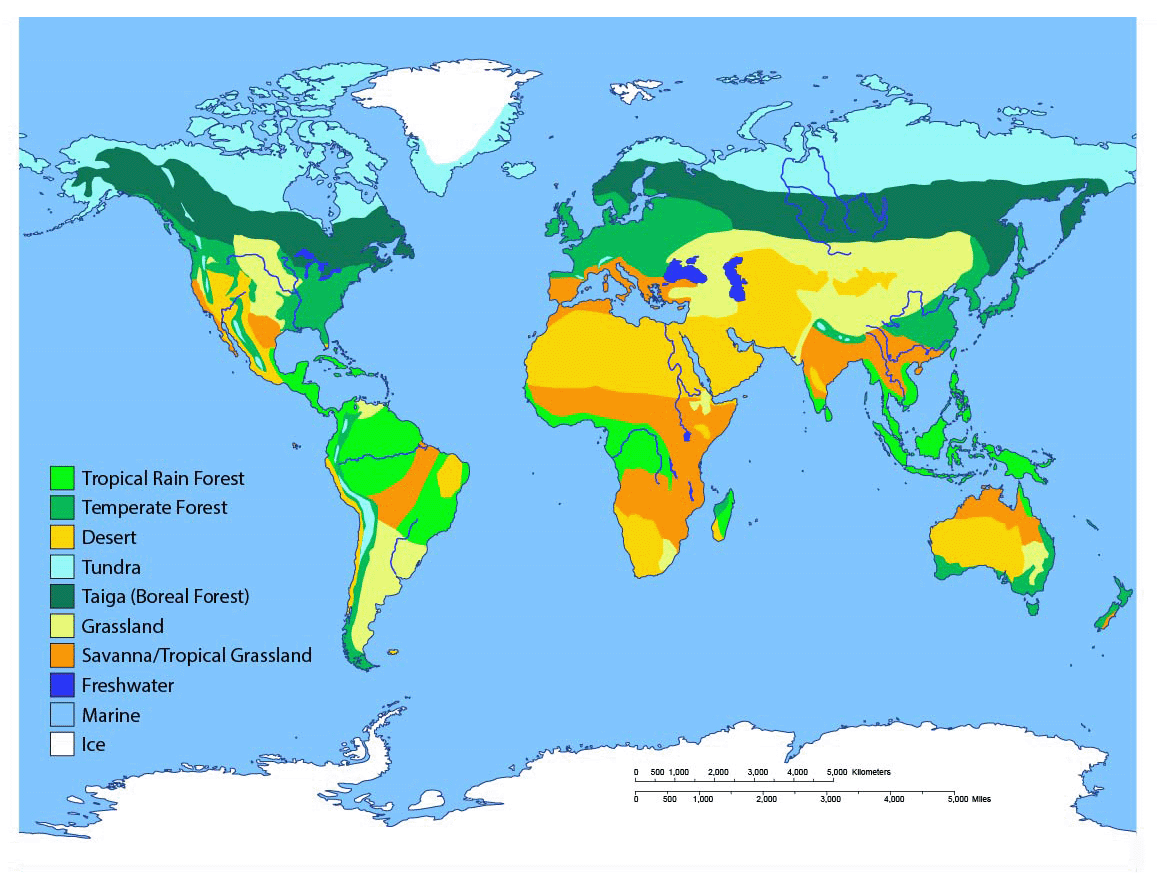
Three major biomes dominate the Alaskan landscape: the Boreal Forest (or Taiga), the Tundra (both Arctic and Alpine), and the Temperate Rainforest. Each offers a unique window into the natural world, defining the character of the regions they inhabit.
Boreal Forest (Taiga)
The Boreal Forest, or Taiga, is the most extensive biome in Alaska, covering much of the interior. This vast coniferous forest is characterized by long, cold winters and short, relatively warm summers. Dominant tree species include black spruce, white spruce, birch, and aspen. The forest floor is often covered in mosses, lichens, and low-growing shrubs. Permafrost, permanently frozen ground, can be found beneath the surface in many areas, influencing drainage and vegetation patterns.
This biome is home to a rich array of wildlife. Mammals such as moose, caribou, black bears, grizzly bears, wolves, lynx, and various furbearers thrive here. Birdlife is also abundant, especially during the breeding season when migratory species arrive from southern climes. Rivers and lakes within the boreal forest teem with fish, including several species of salmon, trout, and pike. For travelers, the boreal forest offers opportunities for river excursions, wildlife viewing, and experiencing the profound quiet of a truly wild landscape. Popular areas showcasing this biome include Denali National Park and Preserve (lower elevations) and the vast stretches along the Alaska Highway.
Tundra (Arctic and Alpine)
The Tundra biome is synonymous with Alaska’s colder, higher latitude, and higher elevation regions. It is characterized by extremely cold temperatures, short growing seasons, low precipitation, and the absence of trees, which cannot grow due to permafrost and harsh winds. The vegetation consists primarily of low-growing shrubs, grasses, sedges, mosses, and lichens.
There are two main types of tundra found in Alaska:
- Arctic Tundra: Found in the northernmost parts of the state, stretching along the Arctic Coast and into the Brooks Range. It is a flat, treeless plain where permafrost is continuous. Wildlife here includes caribou, muskoxen, Arctic foxes, snow geese, and various shorebirds.
- Alpine Tundra: Found at high elevations throughout Alaska’s numerous mountain ranges, including the Alaska Range, Chugach Mountains, and Talkeetna Mountains. This biome features similar vegetation to the Arctic Tundra but is influenced by mountain weather patterns and often has rocky terrain. Dall sheep, mountain goats, marmots, and pikas are characteristic inhabitants.
The tundra offers dramatic landscapes, especially during the brief summer when wildflowers bloom and migratory birds arrive. Destinations like the Gates of the Arctic National Park and the Arctic National Wildlife Refuge provide unparalleled opportunities to experience this remote and fragile biome.
Temperate Rainforest
In stark contrast to the interior and northern biomes, Southeast Alaska is home to a magnificent temperate rainforest, part of the larger Pacific Northwest coastal rainforest ecosystem. This biome receives abundant rainfall and enjoys relatively mild temperatures year-round, thanks to the moderating influence of the Pacific Ocean.
Characterized by towering Sitka spruce, western hemlock, and red cedar trees, often draped in mosses and lichens, this forest is incredibly lush and verdant. The understory is dense with ferns, shrubs, and berry bushes. The rainforest is intertwined with a labyrinthine network of fjords, islands, and glaciers. Wildlife is diverse, including brown bears, black bears, wolves, Sitka black-tailed deer, and numerous bird species like bald eagles. The marine environment adjacent to the rainforest is equally rich, teeming with whales, seals, sea lions, and prolific salmon runs.
The Tongass National Forest, the largest national forest in the United States, protects much of this precious biome. Travelers can explore it via boat tours, kayaking, and hiking in areas around Juneau, Ketchikan, and Sitka.
Sub-Biomes and Transitional Zones
Beyond these three dominant biomes, Alaska also features several important sub-biomes and transitional zones that contribute to its rich ecological diversity, particularly along its extensive coastlines and major river systems.
Coastal Marine Ecosystems
While not a terrestrial biome, Alaska’s coastal marine ecosystems are inextricably linked to its land biomes and profoundly influence the life found throughout the state. With more coastline than all other U.S. states combined, Alaska’s waters are among the most productive in the world. From the Gulf of Alaska to the Bering Sea and the Arctic Ocean, these waters support immense populations of marine mammals like whales (humpback, orca, gray, bowhead), seals, sea lions, and sea otters. Fish species, especially the five species of Pacific salmon, are crucial to Alaska’s ecology and economy. The intertidal zones, estuaries, and barrier islands found along the coast are critical habitats for migratory birds and various invertebrates. Exploring these marine environments, often accessible via cruises or ferry systems, is a highlight for many Alaskan travelers.
Interior Grasslands and Wetlands
Within the vast interior, particularly along major river valleys like the Yukon and Tanana, pockets of grasslands and extensive wetlands emerge. These areas, often surrounded by boreal forest, are shaped by localized hydrology and fire regimes. They provide essential breeding grounds for waterfowl and migratory birds, and critical foraging areas for moose and caribou. While smaller in scale than the dominant biomes, these zones are ecologically vital and offer unique birdwatching and wildlife viewing opportunities, especially around major lakes and deltas.
Wildlife and Flora Across Alaskan Biomes
The distinct characteristics of each biome dictate the types of plant and animal life that can survive and thrive there. This specialization leads to incredible biodiversity and unique ecological interactions across Alaska.
Iconic Species of the Tundra
The tundra, though seemingly barren, supports resilient life. Caribou herds migrate across vast distances, following the availability of lichens and low-growing vegetation. Muskoxen, with their thick coats, are well-adapted to the extreme cold. Arctic foxes and lemmings are key components of the food web. During the summer, the tundra explodes with wildflowers, including Arctic poppy and purple saxifrage, offering a vibrant contrast to the stark landscape.
Forest Dwellers
The boreal forest provides habitat for large mammals like moose, with their impressive antlers, and various bear species. Wolves are apex predators, hunting caribou and moose. Smaller mammals such as snowshoe hares, lynx, and martens are also integral to the forest ecosystem. The temperate rainforests of Southeast Alaska are home to the unique Sitka black-tailed deer and abundant salmon in its rivers, which in turn sustain large populations of brown bears and bald eagles.
Marine Life
Alaska’s marine environments are world-renowned for their abundance. Humpback whales breach in the Gulf of Alaska, orcas patrol the coastal waters, and sea otters float idly, cracking open shellfish. Salmon, from king to sockeye, are migratory marvels, undertaking incredible journeys from the ocean to their freshwater spawning grounds, providing a vital food source for countless species.
Experiencing Alaska’s Biomes: A Traveler’s Guide
For the discerning traveler, Alaska’s biomes offer a spectrum of adventures and observations. Understanding where and when to visit can greatly enhance the experience.
Best Seasons for Exploration
- Summer (June-August): This is peak season for exploring all biomes. The tundra blooms, wildlife is active, and hiking, kayaking, and fishing are in full swing. The long daylight hours allow for extensive exploration.
- Spring (May): A transitional period, good for bird migration, budding vegetation, and fewer crowds, though some areas may still be snow-covered.
- Fall (September): Witness the stunning transformation of the boreal forest as leaves turn golden. Bear viewing for salmon runs is excellent, and the Aurora Borealis begins to appear more frequently.
- Winter (October-April): Primarily for cold-weather enthusiasts. Experience the snow-covered tundra and boreal forest, dog sledding, ice fishing, and prime viewing of the Northern Lights.
Ethical Travel and Conservation
When traveling through Alaska’s precious biomes, practicing responsible tourism is paramount. Stick to marked trails, maintain a safe distance from wildlife, pack out everything you pack in, and support local businesses that prioritize sustainable practices. Many organizations are dedicated to preserving Alaska’s unique ecosystems, and supporting their efforts helps ensure these magnificent biomes remain pristine for future generations. Exploring Alaska’s diverse biomes is not just a journey through landscapes; it’s an immersion into the intricate web of life that defines one of the world’s last great wildernesses.
LifeOutOfTheBox is a participant in the Amazon Services LLC Associates Program, an affiliate advertising program designed to provide a means for sites to earn advertising fees by advertising and linking to Amazon.com. Amazon, the Amazon logo, AmazonSupply, and the AmazonSupply logo are trademarks of Amazon.com, Inc. or its affiliates. As an Amazon Associate we earn affiliate commissions from qualifying purchases.