
Alaska, the Last Frontier, is a land of unparalleled natural beauty, rugged wilderness, and diverse experiences. Deciding the “best time” to visit this magnificent state is not a simple question, as it largely depends on what a traveler hopes to see, do, and experience. Each season offers a distinct charm, from the perpetual daylight of summer to the ethereal glow of the Northern Lights in winter. Understanding the nuances of Alaska’s climate, wildlife patterns, and activity availability across the year is crucial for planning an unforgettable journey. This comprehensive guide will delve into the seasonal characteristics, helping you pinpoint the ideal window for your Alaskan adventure.
Understanding Alaska’s Seasons: A Year-Round Perspective
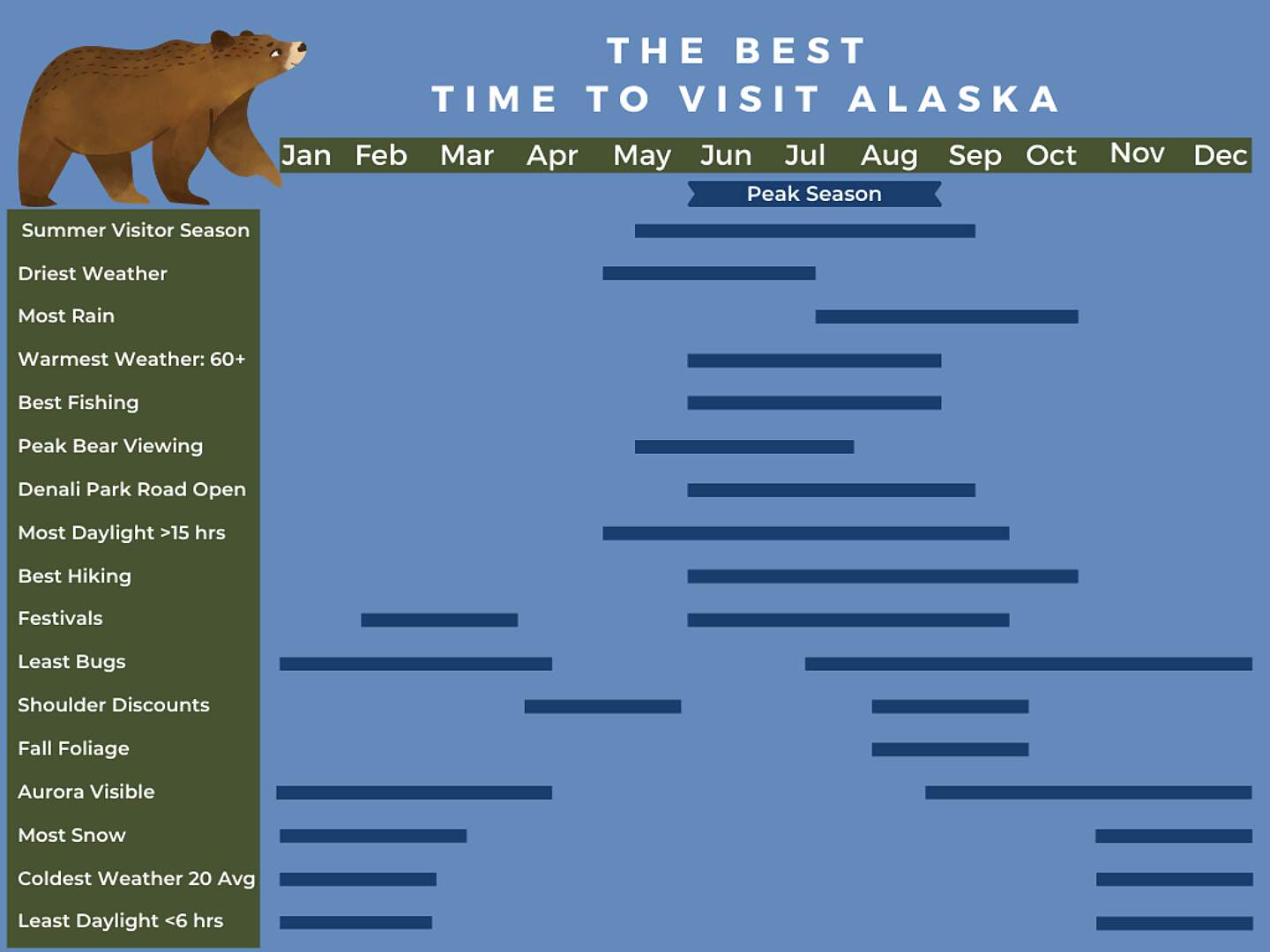
Alaska’s vast expanse means that weather and daylight hours can vary significantly from one region to another. However, generally speaking, the state experiences four distinct seasons, each presenting unique opportunities and challenges for visitors.
Summer: The Peak Season (June to August)
Summer is undeniably the most popular time to visit Alaska, and for good reason. From early June through August, the state comes alive with long daylight hours, often extending to 18-24 hours in the far north. This period offers the warmest temperatures, making outdoor activities incredibly appealing. The landscape is lush and vibrant, wildflowers bloom across the tundra, and wildlife is at its most active.
During these months, all major attractions and services are fully operational. This is prime time for cruising the Inside Passage or Prince William Sound, hiking in Denali National Park and Preserve, fishing for salmon in the Kenai Peninsula, and exploring vibrant cities like Anchorage and Juneau. Wildlife viewing opportunities abound, with bears, moose, caribou, and whales frequently sighted. The trade-off, however, is larger crowds and higher prices for accommodation, tours, and flights. Availability can also be a challenge, requiring bookings well in advance.
Shoulder Seasons: Spring (May) and Fall (September)
For those seeking a balance between good weather and fewer crowds, the shoulder seasons of May and September offer compelling alternatives.
Spring: May – A Time of Awakening
In May, Alaska is slowly shaking off its winter slumber. Days are getting longer, and temperatures are rising, though snow may still linger in higher elevations. This is an excellent time for birdwatching as migratory species return, and some wildlife, like bears emerging from hibernation, can be spotted. Cruise season is just beginning, and many tour operators are starting up, offering slightly lower prices than peak summer. However, some remote areas and hiking trails might still be inaccessible due to snow, and the weather can be unpredictable. The iconic Mount Denali often reveals itself more clearly before the summer haze sets in.
Fall: September – Golden Hues and Wildlife Spectacles
September is often hailed as a hidden gem for Alaskan travel. The summer crowds begin to dissipate, and the landscape transforms into a breathtaking tapestry of gold, orange, and red as the tundra and deciduous trees change color. Wildlife, particularly moose and bears, are actively feeding in preparation for winter, making for excellent viewing opportunities. Fishing remains strong, and the longer nights in late September bring the first chances of seeing the Aurora Borealis (Northern Lights) in parts of Interior Alaska like Fairbanks. While most services are still open, some begin to close down towards the end of the month, and temperatures can drop significantly, especially at night.
Winter: The Aurora and Snow Adventures (October to April)
For a truly unique Alaskan experience, winter offers a magical, albeit more challenging, adventure from October through April. This season is defined by short daylight hours, cold temperatures, and abundant snow, creating a serene and beautiful frozen landscape.
The undisputed highlight of an Alaskan winter is the spectacular Aurora Borealis. Fairbanks, situated beneath the aurora oval, is one of the best places on Earth to witness this natural phenomenon, with optimal viewing from late August to April. Beyond the lights, winter activities include dog sledding, cross-country skiing, snowmobiling, ice fishing, and even participating in or watching events like the Iditarod Trail Sled Dog Race in March. Cities like Anchorage and Fairbanks maintain a good level of services, but many remote lodges and tourist services close. Travel can be impacted by heavy snowfall and icy conditions, and specialized gear is essential for comfort and safety.
Tailoring Your Alaska Trip to Your Interests
Your personal interests are the primary determinant of the “best” time to visit Alaska.
For Wildlife Enthusiasts
The peak months of June, July, and August are unparalleled for wildlife viewing. Brown bears are active, salmon are spawning, drawing predators to rivers like the Brooks River in Katmai National Park, and marine life such as humpback whales, orcas, and sea otters are abundant in coastal waters like those around Seward and Glacier Bay National Park and Preserve. For caribou migrations, late spring and early fall are also excellent.
For Northern Lights Chasers
The darkest months from September through April provide the best conditions for viewing the Aurora Borealis. Fairbanks is considered the prime location due to its location under the auroral oval and relatively clear, cold nights. Planning a trip in February or March can be ideal, as these months often combine cold, clear nights with longer daylight hours than mid-winter, allowing for other activities during the day.
For Outdoor Adventurers
Summertime offers the widest array of outdoor activities. Hiking, kayaking, rafting, fishing, and glacier trekking are all in full swing. Denali National Park and Preserve and Kenai Fjords National Park are at their most accessible. For winter sports enthusiasts, January to March is the prime time for dog sledding, snowshoeing, and cross-country skiing, with destinations like Talkeetna offering unique winter experiences.
For Cruise Lovers
The vast majority of Alaskan cruises run from May to September. July and August are peak season for calm seas and warm weather, but the shoulder months of May and September often offer better deals, fewer crowds, and distinct seasonal beauty. Early season cruises may still encounter some ice in certain fjords, while late season cruises provide opportunities to see fall foliage and potentially the Northern Lights on longer voyages. Ports like Ketchikan, Skagway, and Sitka are bustling with activity during these months.
Navigating Practicalities: Crowds, Costs, and Climate
Practical considerations such as budget, tolerance for crowds, and preparedness for varying weather conditions should also inform your decision.
Peak Season Crowds and Pricing
Visiting during July and August means experiencing Alaska at its most vibrant, but also its most crowded and expensive. Expect higher prices for flights, hotels, tours, and cruises, and book everything well in advance – often 6-12 months out for prime spots, especially in popular areas like Denali and the Inside Passage.
Off-Season Savings and Serenity
The shoulder seasons (May, September) and winter (October-April) offer significant savings. Accommodation and tour prices drop considerably, and you’ll find fewer fellow tourists, allowing for a more intimate experience with the wilderness. However, be aware that some services may be limited or closed, especially in the most remote areas.
Weather Variability and Preparedness
Alaska’s weather is notoriously unpredictable, regardless of the season. Summer can bring bright sunshine one day and persistent rain the next. Winter is consistently cold, but temperatures can swing dramatically, and snowstorms can disrupt travel. Always pack layers, waterproof outerwear, and sturdy, comfortable footwear. For winter trips, extreme cold weather gear is non-negotiable, and travelers should be prepared for shorter days and potential travel delays.
Regional Considerations for Your Alaska Itinerary
Alaska is vast, and the “best time” can also depend on which region you plan to explore.
Southcentral Alaska: Anchorage and Kenai Peninsula
This region, including Anchorage, Seward, and Homer, is excellent for summer travel (June-August). It offers easy access to marine wildlife tours in Kenai Fjords National Park, glacier viewing in Prince William Sound, and world-class fishing. May and September are also good, with fewer crowds. Winter still offers snow sports and a chance to see aurora closer to Anchorage if conditions are right, though Fairbanks is better.
Interior Alaska: Fairbanks and Denali National Park
For visiting Denali National Park and Preserve and other land-based adventures, June to early September is ideal. Denali’s main park road is only fully open from early June to mid-September. For the Aurora Borealis, Fairbanks is best from September through April, offering a mix of cultural experiences and winter activities.
Southeast Alaska: The Inside Passage
This region is primarily experienced via cruise ship or the Alaska Marine Highway System. The peak season for cruises is July and August for the warmest weather and calmest seas. May and September offer great value, fewer crowds, and unique seasonal beauty, such as blooming spring flowers or fall foliage. Popular stops include Juneau, Skagway, and Glacier Bay National Park and Preserve.
Making Your Decision: A Summary of Recommendations
Ultimately, the best time to go to Alaska is when it aligns with your personal travel goals and priorities.
Best for First-Timers
For a comprehensive experience encompassing wildlife, glaciers, and the most accessible attractions with comfortable weather, July and August are typically recommended for first-time visitors. Be prepared for higher costs and booking everything far in advance.
Best for Unique Experiences
If you prioritize budget savings, fewer crowds, and specific interests:
- May: Early season wildlife, fewer crowds, and crisp views before peak summer.
- September: Stunning fall foliage, active wildlife, and the first chances to see the Aurora Borealis with more moderate temperatures.
- October to April: For an immersive winter wonderland, prime aurora viewing, and unique snow-based activities, particularly in Fairbanks and around Anchorage.
Regardless of when you choose to go, Alaska promises an adventure unlike any other, a place where nature’s grandeur truly captivates the soul. Careful planning and an open mind to its wild beauty will ensure a memorable trip, whenever you decide to embark on your journey to the Last Frontier.
LifeOutOfTheBox is a participant in the Amazon Services LLC Associates Program, an affiliate advertising program designed to provide a means for sites to earn advertising fees by advertising and linking to Amazon.com. Amazon, the Amazon logo, AmazonSupply, and the AmazonSupply logo are trademarks of Amazon.com, Inc. or its affiliates. As an Amazon Associate we earn affiliate commissions from qualifying purchases.