
The identity of Kansas is deeply intertwined with the vast, rolling landscapes of the Great Plains. When travelers traverse the Midwest, certain iconic sights define the journey: endless horizons, dramatic thunderstorms, and, perhaps most famously, the radiant yellow blooms that tilt their heads toward the sun. The Kansas state flower is the Wild Native Sunflower (Helianthus annuus), a botanical landmark that serves as a living symbol of the state’s resilience, history, and natural beauty. Unlike ornate garden flowers that require meticulous care, this hardy bloom thrives in the wild, mirroring the rugged spirit of the pioneers who first settled this region of the United States.
The Identity of the Wild Native Sunflower
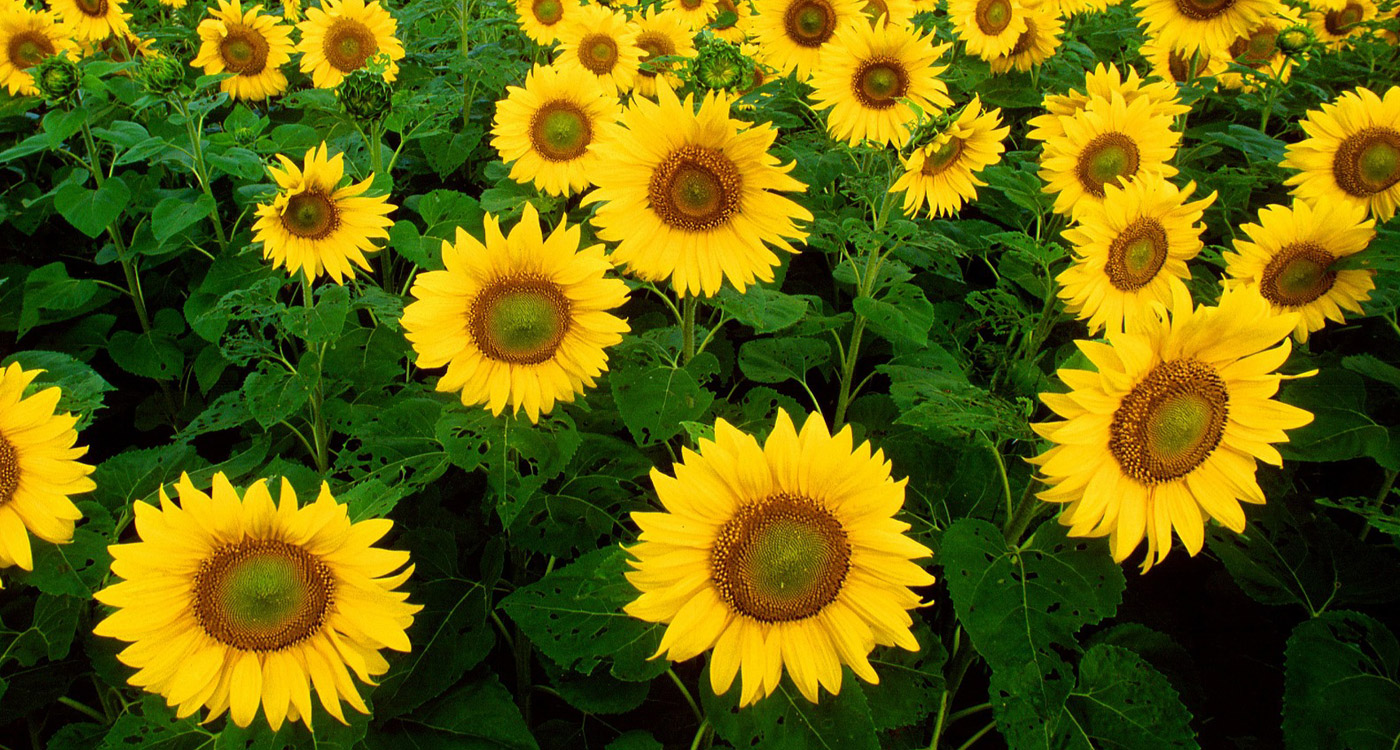
The Wild Native Sunflower is more than just a plant; it is a biological landmark of the North America prairie ecosystem. While many people associate sunflowers with the massive, heavy-headed varieties grown for oil and seeds, the state flower of Kansas is the wild version. This variety is characterized by its multiple flower heads on a single stalk and its ability to grow in diverse soil conditions, from the fertile banks of the Missouri River to the drier stretches near Dodge City.
Botanical Profile of Helianthus annuus
The name Helianthus comes from the Greek words helios (sun) and anthos (flower). The plant is famous for its phototropism—the phenomenon where the young flower heads track the movement of the sun across the sky. In Kansas, these flowers typically bloom from late summer into early autumn, transforming the landscape into a golden tapestry. They can reach heights of up to ten feet, with coarse, hairy stems and heart-shaped leaves that feel like sandpaper to the touch. This physical toughness allows the sunflower to withstand the intense heat and strong winds characteristic of the Great Plains.
Symbolic Significance to the Sunflower State
The nickname “The Sunflower State” was not bestowed by accident. The flower represents the sunny disposition and “forward-looking” attitude of the people of Kansas. For centuries, Native Americans utilized the sunflower for food, oil, and dye, long before it became a political symbol. Today, it stands as a natural landmark that bridges the gap between the state’s indigenous roots and its modern agricultural identity. It is a symbol of endurance, as it often grows in “disturbed” soil along roadsides and fences, proving that beauty can emerge from the most challenging environments.
Historical Roots and Official Adoption
The journey of the sunflower from a common wayside plant to an officially recognized state landmark is a fascinating chapter in the history of Kansas. At the turn of the 20th century, the perception of the sunflower was polarized; while many admired its beauty, others viewed it as a troublesome weed that invaded farmland.
The Legislative Journey of 1903
In the late 1800s, there was a growing movement to choose a floral emblem that truly represented the spirit of the state. While some suggested other blooms, the Wild Native Sunflower had a powerful advocate in George Morehouse, a state senator and historian. He argued that the sunflower was a symbol of the “frontier days” and the “hardy pioneers.” In 1903, the Kansas State Legislature officially designated the Wild Native Sunflower as the state flower and floral emblem. The act described the flower as a “native of our state” and noted that it had been “the inspiration of the poet and the pride of our people.”
George Morehouse and the Symbolism of Resilience
George Morehouse famously spoke of the sunflower as a plant that “looks the world in the face.” This sentiment resonated with a population that had survived the trials of the Civil War era and the environmental challenges of settling the Midwest. By choosing a flower that was native and wild rather than imported from Europe, the legislature made a bold statement about the unique identity of Kansas. This move solidified the sunflower’s status as a cultural and natural landmark, ensuring its image would be used on the state flag, the state quarter, and in various official capacities.
Natural Landmarks: Where to Find the Sunflower in Kansas
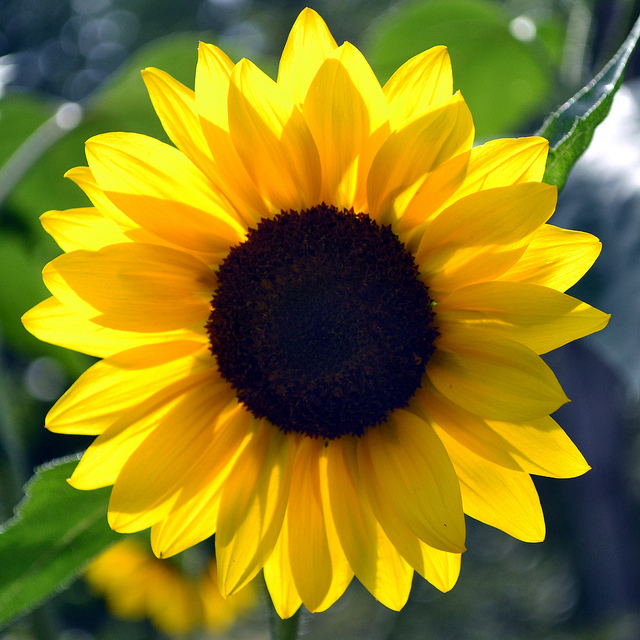
For those wishing to witness this natural landmark in its full glory, Kansas offers several premier locations. The flower is a nomadic beauty, often appearing in massive drifts across the prairies and along the scenic byways that crisscross the state.
Exploring the Flint Hills
One of the most spectacular places to see the Wild Native Sunflower is the Flint Hills. This region contains the largest remaining tract of tallgrass prairie in the world. Visitors to the Tallgrass Prairie National Preserve can see the sunflowers standing tall among the big bluestem grass. Near Manhattan, the Konza Prairie provides a biological research station where the interplay between the native flora and the environment is preserved and studied. In these areas, the sunflower is not just a decorative plant but a vital part of a landmark ecosystem.
Agritourism and Scenic Byways
While the wild variety is the state flower, Kansas has also embraced the commercial sunflower through agritourism. Grinter Farms, located between Lawrence and Kansas City, has become a destination landmark for photographers and travelers. During the peak bloom in September, thousands of people flock to see millions of sunflowers in a single field. Additionally, driving along the Smoky Hills or following the path of the Arkansas River reveals the wild varieties in their natural habitat, clinging to the edges of the horizon and marking the transition of the seasons.
Cultural and Architectural Influence
The sunflower’s influence extends beyond the fields and into the very architecture and art of the state. As a landmark symbol, it has been integrated into the design of public buildings and local culture in cities across the state, from Wichita to Topeka.
The Kansas State Capitol and Floral Motifs
In the capital city of Topeka, the Kansas State Capitol serves as a grand stage for the state’s symbols. Throughout the building, visitors can find the sunflower motif in stained glass, metalwork, and murals. The flower’s presence in this architectural landmark reinforces its importance in the political and social fabric of the state. It serves as a constant reminder to lawmakers and citizens of the natural heritage they are tasked with protecting.
Sunflowers in Kansas City Art and Design
In the larger metropolitan areas like Kansas City, the sunflower is a frequent subject for local artists. It appears in public murals, branding for local businesses, and even in the naming of neighborhoods and parks. Even in smaller towns like Lindsborg, known for its Swedish heritage, the sunflower is often blended with traditional folk art, creating a unique cultural landmark that honors both the state and the community’s specific history. The flower’s image has become shorthand for “home” for many Kansans, appearing on everything from postcards to the kitschy souvenirs found in gift shops along the interstate.
Protecting Kansas’s Natural Heritage
As the United States faces changing climate patterns and urban expansion, the conservation of native species like the Wild Native Sunflower has become increasingly important. While the sunflower is notoriously hardy, its natural habitat—the prairie—is one of the most endangered ecosystems in the world.
Conservation Efforts for Native Flora
State agencies and non-profit organizations work tirelessly to preserve the prairies of Kansas. By maintaining the health of the soil and managing invasive species, these groups ensure that the state flower continues to bloom. This conservation work is essential not just for aesthetic reasons but for the health of the entire region. Native plants like the sunflower are landmarks of biodiversity; they provide essential nectar for pollinators, including bees and butterflies, which in turn support the state’s massive agricultural industry.

Impact on Local Ecosystems
The Wild Native Sunflower is a foundational piece of the local food web. Its seeds provide high-energy food for birds and small mammals during the winter months, and its dense foliage offers cover for wildlife. By viewing the state flower as a natural landmark, Kansas residents and visitors can better appreciate the complex web of life that exists in the Great Plains. Protecting these flowers means protecting the very essence of the Kansan landscape—a landscape that has inspired generations of explorers, farmers, and dreamers.
In conclusion, the Kansas state flower is more than a mere botanical specimen; it is a landmark of the spirit. From its official adoption in Topeka over a century ago to its current role as a beacon for tourists in the Flint Hills, the Wild Native Sunflower remains an inseparable part of the state’s identity. Whether you are viewing it in a meticulously designed mural in Wichita or seeing it sway in the wind along a dirt road near Lawrence, the sunflower stands as a testament to the enduring, golden beauty of Kansas.
LifeOutOfTheBox is a participant in the Amazon Services LLC Associates Program, an affiliate advertising program designed to provide a means for sites to earn advertising fees by advertising and linking to Amazon.com. Amazon, the Amazon logo, AmazonSupply, and the AmazonSupply logo are trademarks of Amazon.com, Inc. or its affiliates. As an Amazon Associate we earn affiliate commissions from qualifying purchases.