
The very notion of paradise often conjures images of pristine beaches, lush rainforests, and vibrant local cultures. Hawaii, a jewel in the Pacific, embodies these idyllic scenes perfectly. Yet, beneath its breathtaking surface lies a complex and evolving infrastructure, essential for sustaining both its residents and the millions of visitors who flock to its shores annually. One of the most fundamental aspects of this infrastructure, and a topic increasingly intertwined with responsible tourism and local values, is how Hawaii powers itself. Far from a simple flip of a switch, the journey of electricity in the Aloha State is a fascinating tale of geographic isolation, environmental stewardship, and ambitious innovation, deeply reflective of its unique cultural commitment to mālama ‘āina – caring for the land.

Understanding Hawaii’s energy landscape offers visitors a deeper appreciation for the delicate balance the islands maintain, highlighting the local efforts to preserve this unique ecosystem for future generations. It’s a story not just about power, but about resilience, ingenuity, and a profound respect for nature, woven into the fabric of its local culture and influencing every aspect of daily life, from a warm plate of loco moco to the light that guides you back to your accommodation.
The Island Grid Challenge: Powering Paradise in Isolation
Hawaii’s geographical isolation, while a significant part of its allure, presents unique challenges when it comes to energy production and distribution. Unlike mainland systems that benefit from vast interconnected grids and diverse supply lines, each major Hawaiian island largely operates as its own independent power network. This necessitates a robust and self-sufficient approach to energy, leading to a dynamic pursuit of sustainability that impacts both the local populace and the tourism sector.
Geographic Isolation and Energy Imports
For decades, Hawaii’s energy security relied predominantly on imported fossil fuels, primarily oil. Tankers journeying across the Pacific delivered the vast majority of the state’s energy feedstock, which was then burned in power plants to generate electricity. This dependence came with significant environmental and economic costs. The volatile global oil market meant fluctuating electricity prices for residents and businesses, impacting everything from the cost of local goods to the operational expenses of hotels and resorts. Environmentally, the burning of fossil fuels contributed to greenhouse gas emissions, directly conflicting with Hawaii’s image as a pristine natural paradise and its cultural emphasis on environmental preservation. This historical reliance underscored the urgent need for a transformative shift, not just for economic stability, but to align energy practices with core Hawaiian values.
The Push for Energy Independence and 100% Renewables
Recognizing the inherent vulnerabilities and environmental impact of fossil fuel dependence, Hawaii has embarked on one of the most ambitious clean energy transitions globally. In 2015, the state legislated a groundbreaking mandate: to achieve 100% clean energy for electricity generation by 2045. This bold commitment is more than just a policy; it’s a reflection of local culture’s deep connection to the land and ocean, a testament to the belief that the health of the environment is inextricably linked to the well-being of its people. This visionary goal has spurred an incredible wave of innovation and investment in renewable energy sources across the islands, positioning Hawaii as a global leader in sustainable energy practices. For tourists, this commitment translates into a cleaner, more vibrant environment, and a chance to witness cutting-edge sustainability efforts firsthand.
Tapping into Nature’s Bounty: Hawaii’s Renewable Energy Portfolio
Hawaii is blessed with an abundance of natural resources, making it an ideal laboratory for developing and deploying diverse renewable energy technologies. The state’s strategy involves harnessing multiple forms of clean energy, creating a resilient and varied portfolio that leverages its unique geological and climatic advantages. This mosaic of energy sources is not just an engineering feat but a proud expression of Hawaii’s resolve to live in harmony with its environment, a core tenet of its local culture that extends to welcoming visitors.
Solar Power: Harnessing the Tropical Sun
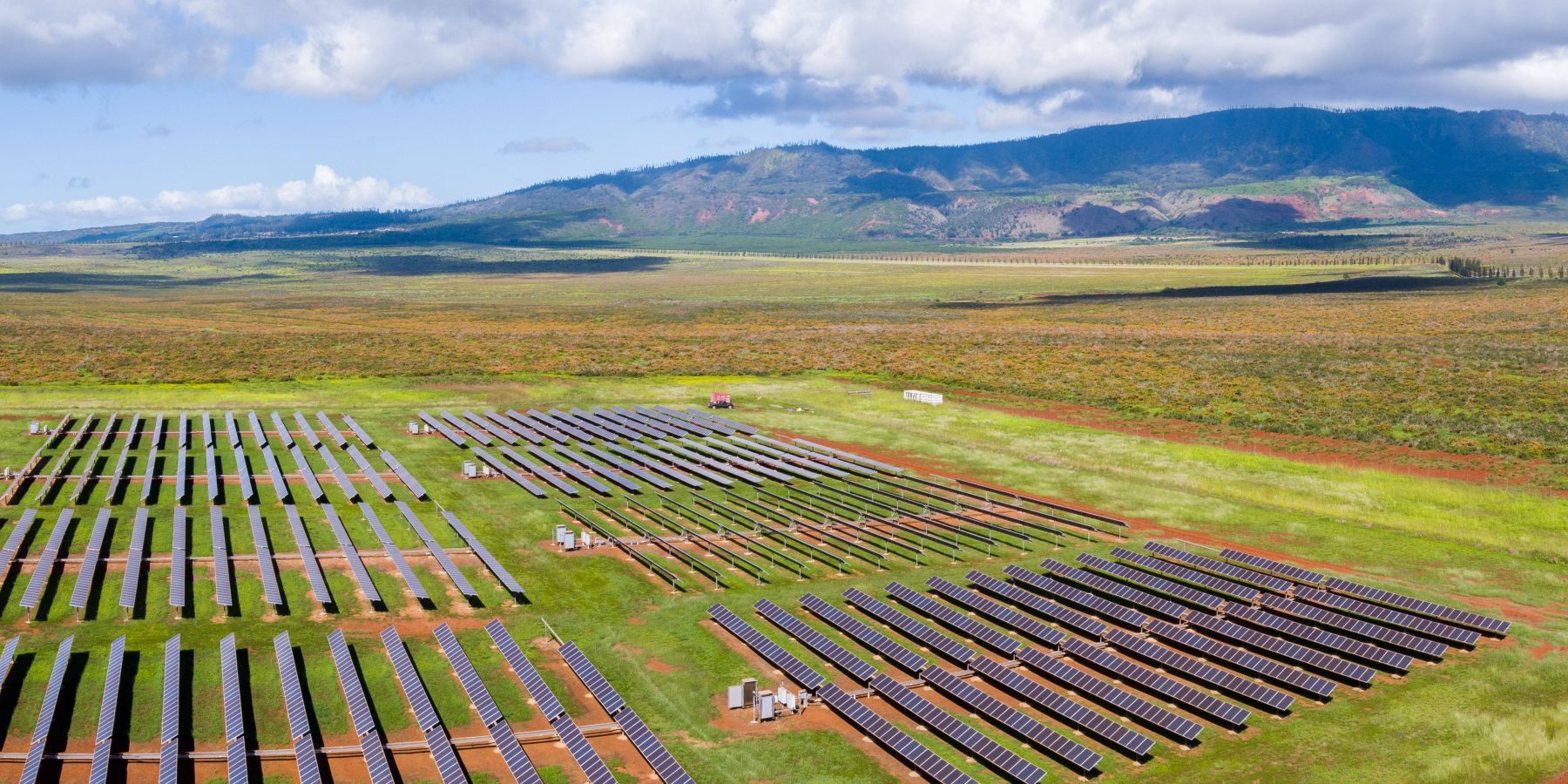
With its year-round sunshine, solar energy is an obvious and powerful component of Hawaii’s renewable energy mix. From residential rooftops adorned with photovoltaic panels to vast solar farms sprawling across former agricultural lands, solar installations are increasingly visible across the islands. These projects range from utility-scale facilities feeding the grid to localized microgrids powering individual communities or large resort complexes. The sheer ubiquity of solar power underscores its critical role, reducing demand on traditional fossil fuel plants during peak daylight hours and significantly lowering the carbon footprint associated with electricity generation. Tourists interested in sustainable practices can often see these innovations directly, from solar-powered electric vehicle charging stations to hotel initiatives proudly displaying their solar credentials.
Wind Energy: Capturing the Pacific Breezes
The consistent trade winds that sweep across the Hawaiian archipelago provide another significant source of clean energy. Towering wind turbines, particularly noticeable on islands like Oahu and Maui, harness these powerful breezes to generate substantial amounts of electricity. These iconic structures have become modern landmarks, silently contributing to the state’s energy independence. While their visual presence can sometimes spark local debate, their contribution to reducing reliance on imported fuels is undeniable, making them a crucial element in Hawaii’s clean energy transition. The ongoing development of offshore wind technology holds even greater promise for leveraging these persistent oceanic winds on a larger scale.
Geothermal Potential: Earth’s Internal Heat
On the Big Island (Hawaii Island), the volcanic activity that formed the islands also provides a unique and powerful source of renewable energy: geothermal power. The Puna Geothermal Venture (PGV) taps into the Earth’s internal heat, converting steam from underground reservoirs into electricity. While geothermal energy production has faced challenges due to its proximity to active volcanic zones, it represents a crucial baseload power source – providing a consistent supply of electricity regardless of weather conditions. This makes it an invaluable part of the energy mix, complementing intermittent sources like solar and wind, and showcasing Hawaii’s commitment to exploring every available natural resource for sustainable power.

Hydropower, Bioenergy, and Emerging Technologies
Beyond the major players, Hawaii also utilizes other renewable sources. Hydropower, though limited by the relatively small size of its rivers, contributes to the grid, particularly on islands with significant rainfall and elevation changes. Bioenergy, derived from plant matter and agricultural waste, is another area of ongoing development, offering potential for local fuel production. Furthermore, Hawaii is at the forefront of researching cutting-edge technologies like Ocean Thermal Energy Conversion (OTEC), which harnesses the temperature difference between warm surface waters and cold deep ocean waters, and wave energy converters, which capture the immense power of the Pacific swells. These emerging technologies highlight Hawaii’s role as an innovation hub, exploring every avenue to achieve its 100% renewable goal and demonstrating a forward-thinking approach that inspires global emulation.
Powering Paradise: Impact on Tourism and Local Life
Hawaii’s aggressive pursuit of renewable energy is not an isolated endeavor; it’s deeply integrated into the state’s broader vision for a sustainable future, one that explicitly includes the vital tourism sector. This commitment creates a unique environment where responsible travel isn’t just encouraged, but actively facilitated by the underlying infrastructure. Visitors aren’t just guests in paradise; they are often indirect beneficiaries and even participants in a monumental sustainability effort that profoundly impacts local culture and the visitor experience.
Sustainable Tourism Initiatives and Infrastructure
The shift to clean energy directly supports sustainable tourism initiatives across the islands. Many hotels, resorts, and vacation rentals are actively investing in their own solar installations, reducing their carbon footprint and contributing to the grid’s renewable share. This often extends to other eco-friendly practices, such as electric vehicle charging stations (powered by renewables) becoming more common at accommodations and attractions. For the environmentally conscious traveler, choosing a resort with visible solar panels or a hotel that boasts its renewable energy consumption becomes an affirmation of their values, enhancing their experience by aligning with the local commitment to aloha ‘āina (love for the land). This integration of green energy into tourism infrastructure showcases Hawaii’s leadership and offers a blueprint for sustainable hospitality worldwide.
Educating Visitors and Engaging in Responsible Travel
Hawaii’s energy transition also serves as a powerful educational tool, subtly influencing visitor awareness and encouraging responsible travel behaviors. Information about the state’s renewable energy goals is often integrated into local messaging, cultural presentations, and even the marketing efforts of tourism boards. Visitors are encouraged to minimize their own energy consumption, support businesses committed to sustainability, and understand that their presence contributes to the island’s overall environmental impact. By highlighting the local culture’s deep-rooted respect for nature, visitors are invited to become partners in preserving Hawaii’s unique beauty, reinforcing the idea that tourism can and should be a force for good.
Preserving Hawaii’s Natural Beauty for Generations
Ultimately, the drive towards 100% renewable electricity is a foundational component of preserving Hawaii’s unparalleled natural beauty. By significantly reducing reliance on fossil fuels, the islands diminish air pollution, protect delicate marine ecosystems from oil spills, and mitigate their contribution to global climate change. A cleaner energy future means healthier coral reefs, clearer skies, and more vibrant landscapes – the very attractions that draw millions to Hawaii. For residents, this translates to improved public health and a better quality of life. For visitors, it means an assurance that the pristine natural environment they came to experience is being actively protected and nurtured, ensuring that the magic of the islands will endure for generations to come, embodying the spirit of responsible stewardship that defines Hawaiian culture.
The Road Ahead: Challenges, Innovation, and Community Partnership
While Hawaii has made remarkable strides in its clean energy transition, the path to 100% renewable electricity is not without its challenges. The journey requires continuous innovation, significant investment, and deep engagement with local communities to ensure a just and equitable energy future. The solutions being explored reflect Hawaii’s innovative spirit and its unique approach to balancing technological advancement with cultural values.
Grid Modernization and Energy Storage
One of the biggest hurdles for an island grid relying heavily on intermittent renewable sources like solar and wind is ensuring a stable and reliable power supply around the clock. This necessitates advanced grid modernization, including smart grid technologies that can intelligently manage supply and demand, and substantial investments in energy storage solutions. Massive battery storage facilities are already being deployed across the islands, acting as giant reservoirs for excess renewable energy generated during sunny or windy periods, releasing it back into the grid when needed. These storage solutions are vital for maintaining grid stability and enabling the full integration of renewables, demonstrating cutting-edge energy infrastructure that supports both residents and the tourist economy.
Community Engagement and Equitable Transition
The transition to clean energy also involves active community engagement. New energy projects, whether solar farms or wind turbines, require careful siting and consideration of their impact on local landscapes, cultural sites, and communities. Hawaiian Electric, the primary utility provider, works closely with local stakeholders, seeking input and building consensus to ensure that energy solutions are not only technically sound but also culturally appropriate and beneficial to all residents. This collaborative approach ensures that the clean energy transition is equitable, fostering a sense of shared ownership and ensuring that the benefits of renewable energy reach every corner of the community, including those involved in the local food and activity sectors.
Policy, Investment, and a Sustainable Future
Hawaii’s pioneering energy policies have attracted significant investment in renewable projects, both from local entities and international partners. Continued policy support, regulatory frameworks that incentivize clean energy, and ongoing private and public investment will be crucial for maintaining momentum. The state’s commitment to being a global leader in clean energy extends beyond its borders, influencing energy policy discussions and technological advancements worldwide. This unwavering dedication to a sustainable energy future, deeply rooted in the local culture of caring for the land and future generations, is a testament to Hawaii’s vision, proving that paradise can indeed be powered responsibly, offering a compelling narrative for every visitor who seeks to understand and appreciate the unique spirit of the islands.
LifeOutOfTheBox is a participant in the Amazon Services LLC Associates Program, an affiliate advertising program designed to provide a means for sites to earn advertising fees by advertising and linking to Amazon.com. Amazon, the Amazon logo, AmazonSupply, and the AmazonSupply logo are trademarks of Amazon.com, Inc. or its affiliates. As an Amazon Associate we earn affiliate commissions from qualifying purchases.