
Alaska, the largest state in the United States, is a land of unparalleled natural beauty and dramatic extremes. Its immense size and diverse geography lead to a complex and varied climate that defies simple categorization. For any traveler contemplating an adventure to this magnificent frontier, understanding Alaska’s climate is not merely an academic exercise; it is fundamental to planning, packing, and ultimately, enjoying an unforgettable experience. From the temperate rainforests of its southeastern panhandle to the frigid arctic tundra, Alaska’s climate dictates everything from wildlife movements and aurora borealis visibility to the accessibility of its most iconic destinations. This guide delves into the intricate climatic patterns of Alaska, providing an insightful overview for prospective visitors.
The Immense Climatic Diversity of Alaska
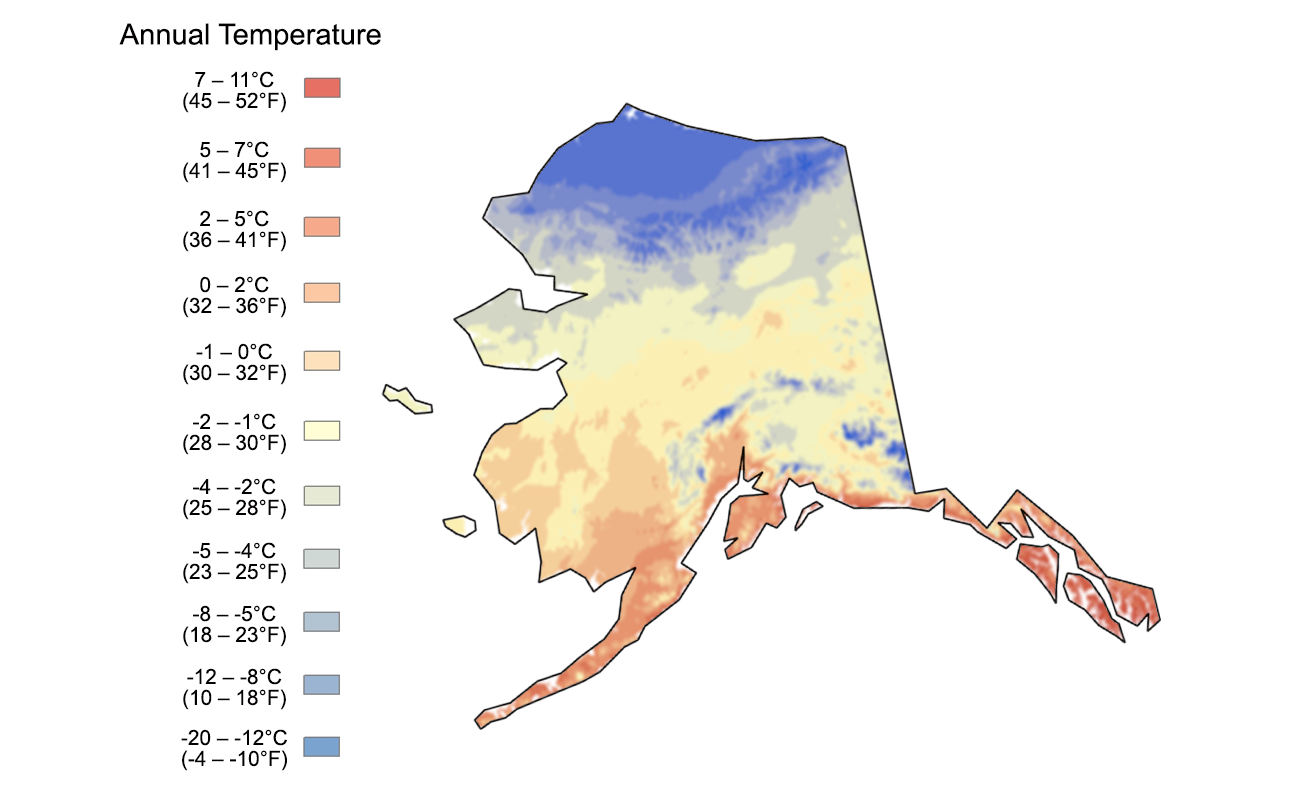
Alaska’s sheer geographical scale, spanning roughly the distance from Florida to California, combined with its varied topography—including vast mountain ranges, extensive coastlines, and expansive interior plains—creates distinct climatic zones. These zones offer vastly different experiences, often within relatively short distances, making local climate conditions a critical consideration for travelers.
Subarctic Interior: Extreme Seasons
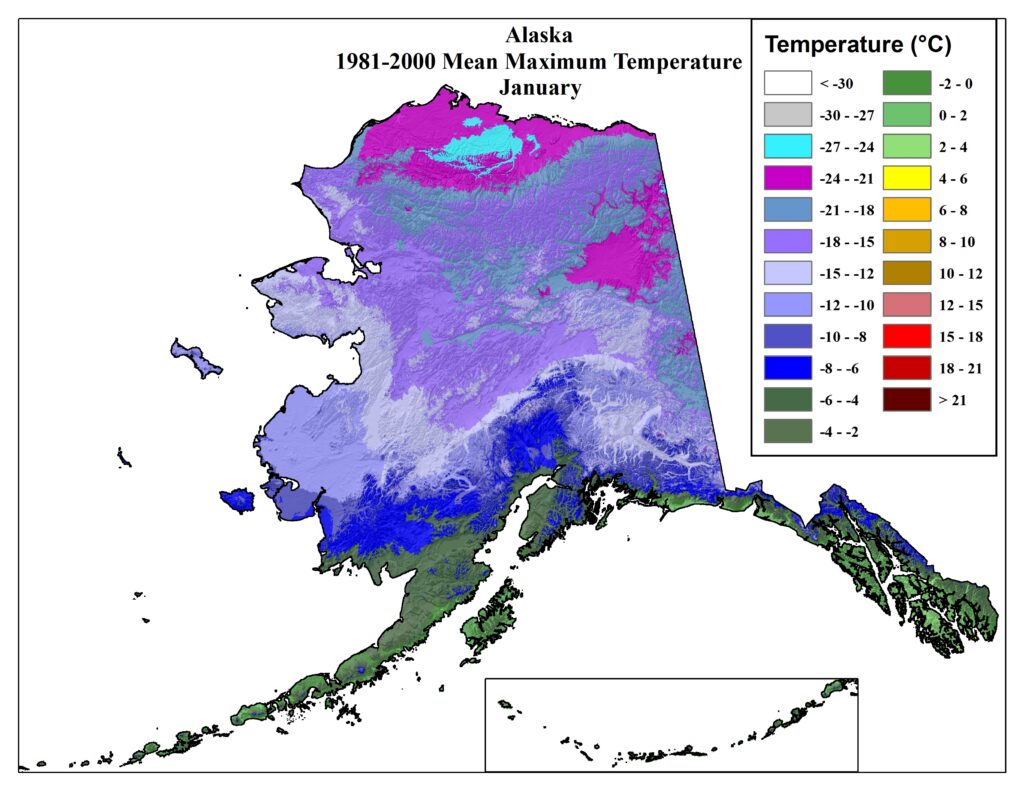
The interior region of Alaska, exemplified by cities like Fairbanks and the vast expanse of Denali National Park, experiences a classic subarctic continental climate. This means hot, relatively dry summers and intensely cold, dry winters. Summer temperatures in Fairbanks can reach into the 70s°F (20s°C), occasionally touching the 90s°F (30s°C), with nearly 24 hours of daylight. This is the prime time for hiking, camping, and wildlife viewing. Conversely, winters are famously brutal, with temperatures regularly plummeting to -20°F (-29°C) or colder, often lingering below 0°F (-18°C) for weeks. Snowfall is moderate, and the clear, cold nights provide excellent opportunities for viewing the aurora borealis. The dramatic temperature swings between seasons are a defining characteristic, presenting unique challenges and rewards for travelers.
Maritime Southcentral: Milder Coasts
Along the southcentral coast, including the population hub of Anchorage, the popular port town of Seward, and the picturesque Kenai Peninsula, the climate is significantly moderated by the Pacific Ocean. This maritime influence results in milder temperatures and higher precipitation compared to the interior. Summers are cool and frequently cloudy, with temperatures typically in the 50s-60s°F (10s-20s°C), while winters are relatively mild with heavy snowfall, rarely dropping below 0°F (-18°C). The ample moisture supports lush coastal forests and glaciers that extend close to sea level, making it a prime destination for glacier cruises, fishing, and exploring coastal towns. Travelers here should always be prepared for rain and cool temperatures, even in summer.
Southeast Panhandle: Temperate Rainforest
The “panhandle” region, a narrow strip of land and islands bordering British Columbia and home to cities like Juneau, Ketchikan, and Sitka, is characterized by a temperate rainforest climate. This is Alaska’s wettest region, receiving abundant rainfall year-round, which nourishes dense evergreen forests. Summers are mild, with temperatures in the 50s-60s°F (10s-15s°C), and winters are cool and damp, with temperatures typically above freezing. Snowfall is common but rarely accumulates to extreme depths along the coast. This region is a popular cruise destination, offering stunning fjords, abundant marine wildlife, and a rich indigenous culture. Travelers must pack waterproof gear regardless of the season.
Western and Arctic: Tundra and Polar Conditions
The western and northern reaches of Alaska, encompassing areas like Nome on the Bering Sea and Utqiaġvik (formerly Barrow) on the Arctic Ocean, experience a cold, dry arctic or subarctic tundra climate. Summers are short, cool, and often cloudy, with average temperatures barely rising above freezing, allowing for a shallow thaw of the permafrost. Winters are prolonged, intensely cold, and characterized by extensive sea ice, often with little daylight. Temperatures can drop to -40°F (-40°C) or lower, exacerbated by brutal winds. Travel to these remote regions is highly specialized, often involving bush planes, and requires extreme preparation for severe weather conditions. Despite the harshness, these areas offer unique opportunities to witness polar wildlife and experience indigenous cultures closely tied to the land and sea.
Understanding Alaska’s Seasons for Travel Planning
The distinct seasons in Alaska each offer unique appeals and challenges for travelers. Choosing the right time to visit is paramount to aligning your trip with your desired experiences.
Summer (June-August): The Peak Travel Season
Summer is undeniably the most popular time to visit Alaska, and for good reason. The long daylight hours—up to 24 hours of light in some northern regions—create an invigorating atmosphere, often referred to as the “midnight sun.” Temperatures are at their warmest, wildlife is most active (bears, moose, caribou, marine mammals), and all major attractions, tours, and services are fully operational. This is prime time for hiking, fishing, kayaking, glacier viewing, and exploring the national parks. However, it’s also the busiest and most expensive season, with larger crowds and a need for advance bookings. Mosquitoes can also be quite prevalent, especially in interior and marshy areas.
Fall (September-October): Aurora and Autumn Colors
As summer wanes, Alaska transforms into a breathtaking palette of autumn colors, particularly in the interior, where birch and aspen forests turn golden. Fall is a fantastic shoulder season for travelers seeking fewer crowds and potentially lower prices. The days shorten, bringing back true darkness, which means excellent opportunities for viewing the aurora borealis, especially from Fairbanks northward. Temperatures are crisp and cool, ranging from 30s-50s°F (0s-10s°C), and while some services begin to wind down by late September, many outdoor activities like hiking and wildlife viewing (especially for migrating salmon and bears preparing for hibernation) remain viable.
Winter (November-March): A Wonderland of Snow and Ice
Winter in Alaska is a magical, albeit challenging, time to visit. While daylight hours are minimal, especially in the far north where “polar night” occurs, the landscape is transformed into a pristine, snow-covered wonderland. This is the undisputed season for dog mushing, cross-country skiing, ice skating, snowmobiling, and, crucially, consistent and spectacular aurora viewing. Major cities like Anchorage and Fairbanks offer a range of winter festivals and activities. Temperatures vary wildly by region but can be extremely cold, requiring specialized gear. Fewer tourist services operate, making independent travel more challenging, but the rewards are unique, tranquil, and deeply authentic experiences of Alaskan life.
Spring (April-May): Awakening and Thaw
Spring is another shoulder season, characterized by thawing ice and increasing daylight. It’s a period of transition, with temperatures slowly climbing from 20s-40s°F (-6s-4s°C). While some trails may still be muddy or snow-covered, and many businesses haven’t fully opened for the summer season, spring offers a quiet charm. Migratory birds return, and wildlife begins to emerge from hibernation, offering unique viewing opportunities before the summer rush. It’s an excellent time for budget-conscious travelers or those seeking a more solitary experience, provided they are prepared for unpredictable weather and potentially limited amenities.
Key Climatic Factors Influencing Alaskan Travel
Several overarching geographical and meteorological factors profoundly shape Alaska’s climate and, by extension, travel experiences.
Latitude and Solar Radiation: Impact on Day Length
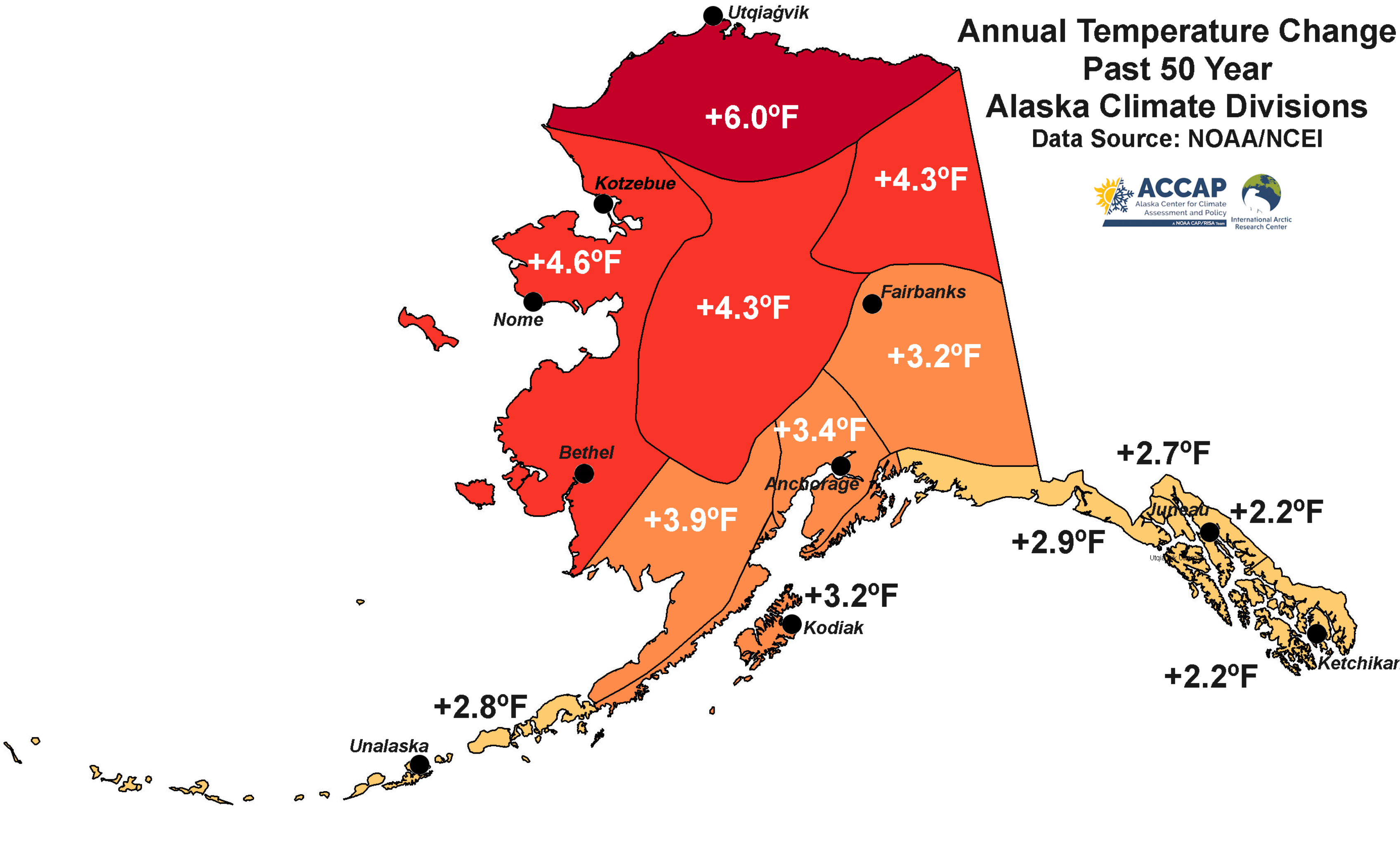
Alaska’s high latitude is perhaps the most significant climatic determinant. Because much of the state lies within or near the Arctic Circle, it experiences extreme variations in daylight throughout the year. Summers boast the “midnight sun,” with extraordinarily long daylight hours that allow for extended outdoor activities. Conversely, winters bring significantly reduced daylight, and in regions like Utqiaġvik, the sun can disappear entirely for weeks, a phenomenon known as “polar night.” This impacts traveler energy levels, activity planning, and the availability of natural light for photography.
Ocean Currents: Pacific Influence on Coastal Areas
The warm Alaska Current, an extension of the Kuroshio Current in the Pacific Ocean, plays a crucial role in moderating the climate of Alaska’s southern and southeastern coastal regions. It brings warmer, moist air, resulting in milder winters and cooler, wetter summers compared to interior regions at similar latitudes. This maritime influence prevents the extreme temperature swings seen inland and contributes to the heavy precipitation, supporting the temperate rainforests and large tidewater glaciers.
Mountain Ranges: Rain Shadows and Temperature Barriers
Alaska is home to several formidable mountain ranges, including the Alaska Range (which hosts Denali, North America’s highest peak) and the Chugach Mountains. These ranges act as significant climatic barriers. They create rain shadows, blocking moisture-laden air from the Pacific and leading to drier conditions on their leeward sides (e.g., the interior). They also impede the movement of cold arctic air masses, contributing to the distinct temperature differences between coastal and interior regions. The elevation itself also means that mountain passes and higher elevations experience colder temperatures and more extreme weather, even in summer.
Permafrost: Unique Ground Conditions in Arctic Regions
Much of Alaska, especially the northern and interior regions, is underlain by permafrost—ground that remains frozen for two or more consecutive years. While not directly a climatic factor in terms of atmospheric conditions, permafrost significantly influences the landscape and infrastructure, which in turn impacts travel. It affects road construction, building foundations, and the types of vegetation that can grow. During the summer thaw, the active layer above the permafrost can become boggy and difficult to traverse, influencing trail conditions for hikers and affecting off-road travel.
Practical Tips for Navigating Alaska’s Climate
Given Alaska’s climatic variability, smart preparation is essential for a comfortable and safe trip.
Layering is Essential: Preparing for Rapid Changes
No matter the season, the most important packing advice for Alaska is to dress in layers. Weather can change rapidly, sometimes within hours, across different regions or even within the same day. A base layer for wicking moisture, an insulating mid-layer (fleece or down), and a waterproof and windproof outer shell are critical. This allows you to adjust your clothing to fluctuating temperatures, rain, or wind.
Embrace the Light: Dealing with Midnight Sun and Polar Night
Understanding and preparing for the extreme light conditions is key. During the summer’s midnight sun, bring eye masks for sleeping and try to maintain a consistent sleep schedule despite the perpetual daylight. In winter’s polar night, embrace the darkness for aurora viewing, but also ensure you have adequate lighting and warmth for outdoor activities. Seasonal affective disorder can be a concern for residents, but visitors are usually energized by the novelty of the light extremes.
Weather-Dependent Activities: Flexibility is Key
Many Alaskan adventures, especially those involving bush planes, boat tours, or mountain excursions, are highly weather-dependent. Flights can be delayed or canceled due to fog, rain, or high winds. Be prepared for potential changes to your itinerary and build some flexibility into your travel schedule. Having backup plans for activities or extra time can prevent disappointment.
Packing Essentials: Waterproofs, Warm Gear, Insect Repellent
Beyond layers, specific items are crucial. High-quality waterproof outerwear (jacket and pants) is non-negotiable, especially for coastal and rainforest regions. Even in summer, pack warm hats, gloves, and sturdy, waterproof hiking boots. In summer, strong insect repellent is a must, particularly for interior and wilderness areas where mosquitoes and biting flies can be abundant. Sunglasses and sunscreen are also important due to the strong UV rays, even on cloudy days or reflected off snow.
In conclusion, Alaska’s climate is as diverse and awe-inspiring as its landscapes. It is a land of dramatic temperature swings, abundant precipitation, and extreme light cycles, all shaped by its vast geography and high latitude. For the intrepid traveler, understanding these climatic nuances is not a barrier but an empowering tool. By appreciating the unique conditions of each region and season, and by preparing appropriately, visitors can transform potential challenges into opportunities for deeper engagement with this magnificent wilderness. Whether you seek the endless daylight of summer, the fiery hues of autumn, or the serene, aurora-lit nights of winter, Alaska promises an experience defined by its extraordinary climate.
LifeOutOfTheBox is a participant in the Amazon Services LLC Associates Program, an affiliate advertising program designed to provide a means for sites to earn advertising fees by advertising and linking to Amazon.com. Amazon, the Amazon logo, AmazonSupply, and the AmazonSupply logo are trademarks of Amazon.com, Inc. or its affiliates. As an Amazon Associate we earn affiliate commissions from qualifying purchases.