
When planning a trip to a major urban center, one of the foundational questions that often goes unasked, yet profoundly shapes the travel experience, is: “How many people live here?” Understanding the population dynamics of a city like Chicago offers far more than just a numerical fact. It provides crucial insights into its scale, energy, diversity, infrastructure, and the very fabric of its local culture. As a premier travel destination in the United States, Chicago’s demographic footprint dictates everything from the bustling rhythm of its streets to the availability of its world-class attractions and the character of its neighborhoods. For travelers, grasping the magnitude of Chicago’s population is key to navigating its vast offerings and truly appreciating its distinct identity.
Chicago’s Demographic Footprint: A Snapshot of a Metropolis
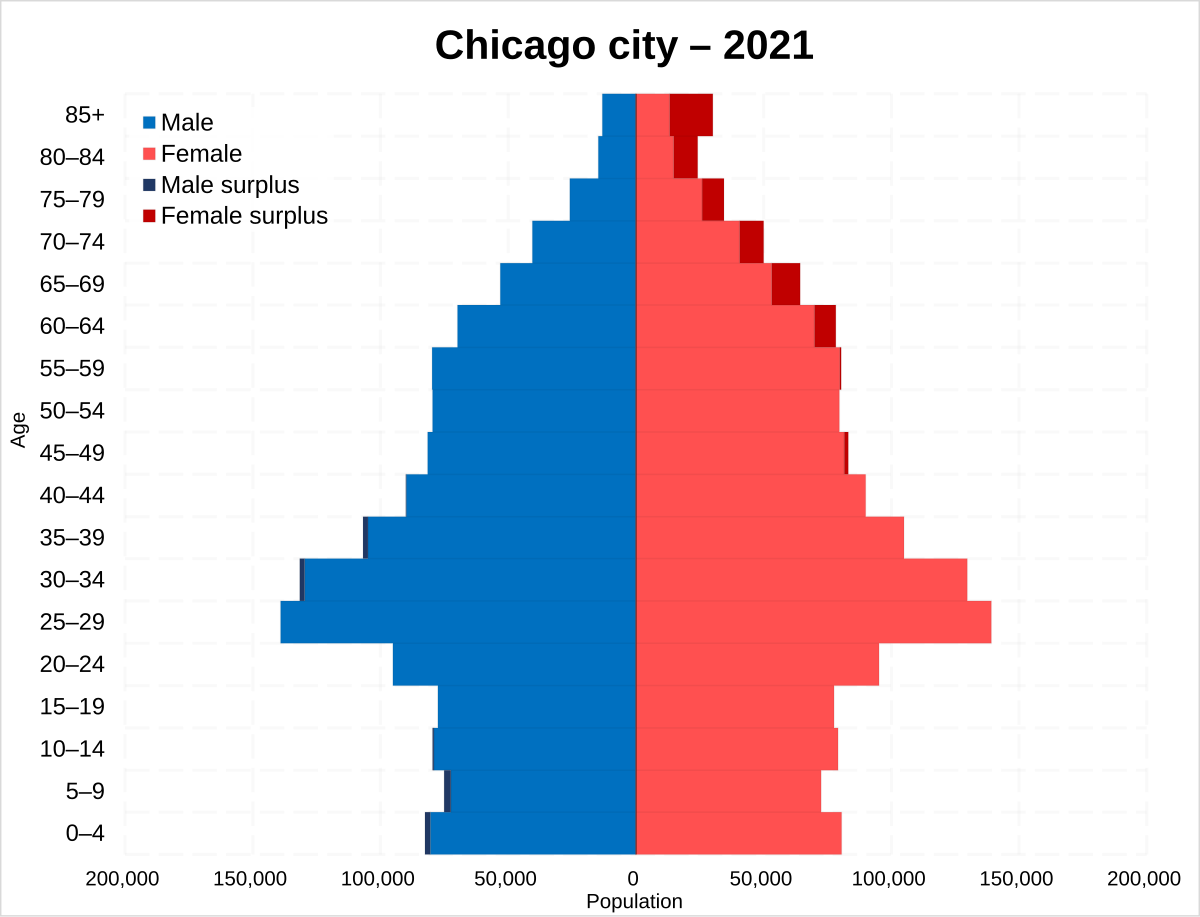
Chicago stands proudly as the third-largest city in the United States, a vibrant hub nestled on the shores of Lake Michigan in the state of Illinois. Its population is a defining characteristic, influencing every aspect of life and travel within its bounds. Understanding the sheer volume of people who call this city home is the first step to comprehending its grandeur and complexity.
The City Proper vs. The Greater Metropolitan Area
As of recent estimates, the city of Chicago itself is home to approximately 2.7 million residents. This figure positions it as a colossal urban entity, rivaled only by New York City and Los Angeles in terms of sheer numbers within the United States. However, the true economic and cultural reach of Chicago extends far beyond its municipal boundaries. The broader Chicago Metropolitan Area, often referred to as Chicagoland, encompasses a vast region that stretches across northeastern Illinois and into parts of Indiana and Wisconsin. This expansive metropolitan statistical area (MSA) boasts a population exceeding 9.5 million people, making it one of the largest and most influential metropolitan regions in North America. For travelers, this distinction is crucial. While the city proper offers a dense concentration of attractions and experiences, the larger metropolitan area contributes to Chicago’s economic power, its diverse workforce, and the expansive network of communities that feed into its vibrant core. It means a wider array of suburbs with their own unique character, a broader base for its culinary scene, and a constant influx of people who contribute to the city’s dynamic energy.
Historical Growth and Urban Development
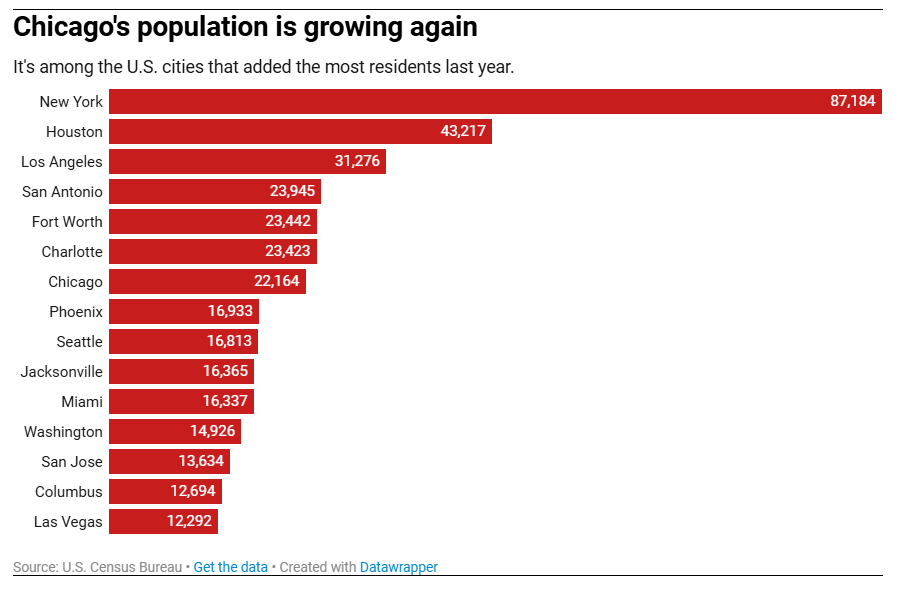
Chicago’s population growth has been nothing short of meteoric, particularly in the 19th and early 20th centuries. From a fledgling trading post in the early 1800s, it rapidly transformed into a major industrial and transportation hub, drawing immigrants from across the globe. This rapid expansion, fueled by its strategic location and burgeoning industries, led to a population boom that peaked in the mid-20th century. While the city proper experienced some decline in the latter half of the 20th century as suburbanization took hold, it has seen a resurgence in recent decades, attracting new residents and businesses, particularly in its revitalized downtown core and trendy neighborhoods. This historical context of growth and migration is evident in Chicago’s architectural landscape, its diverse ethnic enclaves, and its enduring spirit of innovation and resilience. Understanding this journey helps travelers appreciate the layers of history embedded in the city’s modern facade, from the historic brownstones of Lincoln Park to the towering skyscrapers that define its iconic skyline.
The Melting Pot: Diversity and Culture in the Windy City
The sheer number of people in Chicago is merely one dimension; the true richness lies in who these people are. Chicago’s population is a vibrant tapestry of cultures, ethnicities, and backgrounds, a legacy of its history as a gateway for immigrants and a magnet for opportunity seekers. This diversity is not just a statistical fact; it’s the beating heart of the city’s cultural landscape, directly influencing its food, music, arts, and community life, offering an unparalleled experience for visitors.
Ethnic Enclaves and Culinary Experiences
The diverse population of Chicago has given rise to a remarkable array of ethnic neighborhoods, each preserving and celebrating its distinct heritage. For travelers, these enclaves are living museums and culinary paradises. Head to Chinatown for authentic dim sum and bustling markets, or explore Little Italy for a taste of traditional pasta and Italian-American charm. The city also boasts significant Polish, Mexican, Irish, and African American communities, among many others, each contributing unique flavors to Chicago’s renowned food scene. From fine dining to casual street food, the city’s restaurants reflect this global mosaic, offering everything from classic Chicago-style hot dogs and deep-dish pizza to Michelin-starred establishments pushing culinary boundaries. This cultural smorgasbord is a direct result of millions of people bringing their traditions, recipes, and entrepreneurial spirit to the city, creating an endlessly fascinating exploration for any visitor.
Festivals and Community Celebrations
The diverse population of Chicago also fuels a year-round calendar of festivals and community celebrations that are a highlight for many travelers. These events are often rooted in the traditions of various ethnic groups or celebrate local culture and music, drawing large crowds and creating an electric atmosphere. From the vibrant parades of the St. Patrick’s Day celebration, where the Chicago River is dyed green, to the summer concerts at Millennium Park, there’s always something happening. Music festivals like the Chicago Blues Festival and the Chicago Jazz Festival draw international talent and local enthusiasts, showcasing the city’s rich musical heritage. These events are not just performances; they are reflections of the community spirit and cultural vibrancy that thrive in a city of millions, offering visitors an authentic glimpse into Chicago’s soul.
Population Dynamics and the Chicago Experience for Travelers
The sheer scale of Chicago’s population inevitably shapes the practicalities and perception of a visit. Understanding how millions of people move, work, and recreate within the urban environment can empower travelers to make the most of their time, from navigating its extensive transportation networks to finding moments of tranquility amidst the urban hustle.

Navigating the Bustle: Transportation and Accessibility
With millions of residents and countless daily commuters, efficient transportation is paramount in Chicago. The city boasts an extensive public transportation system, primarily operated by the Chicago Transit Authority (CTA), which includes the iconic ‘L’ train and a comprehensive bus network. For travelers, this means excellent accessibility to virtually every neighborhood and major attraction, from the Art Institute of Chicago to Navy Pier. While rush hour can certainly be busy, the system is designed to handle large volumes of people, moving them efficiently across the city. The presence of two major international airports, O’Hare International Airport and Midway International Airport, further underscores Chicago’s role as a global travel hub, handling millions of passengers annually. Knowing that the city is equipped to handle such a massive flow of people should reassure travelers about ease of movement, even in a dense urban setting.
Beyond the Crowds: Finding Serenity
While Chicago’s population density contributes to its vibrant energy, it also necessitates spaces for respite and recreation. The city is renowned for its expansive park system, a direct response to the needs of its millions of residents. Lincoln Park, stretching for miles along the lakeshore, offers beaches, zoos, museums, and vast green spaces perfect for escaping the urban clamor. Grant Park, often called “Chicago’s’s Front Yard’,” hosts numerous events but also provides quiet corners for reflection. The extensive lakefront path, popular with runners, cyclists, and strollers, offers breathtaking views of the skyline and Lake Michigan, serving as a vital artery for recreation for millions. For travelers, these green oases offer a chance to decompress, enjoy nature, and observe local life away from the main tourist throngs, highlighting how a large population also drives the creation and preservation of public spaces.
Economic Vibrancy and What It Means for Visitors
A city of millions is, by definition, an economic powerhouse. Chicago’s vast population fuels a robust and diverse economy, which in turn directly benefits the traveler. A thriving economic environment means more investment in infrastructure, a wider array of businesses catering to diverse needs, and a rich cultural scene supported by a large tax base and patron community.
A Hub for Business and Innovation
Chicago’s status as a major metropolitan area with millions of residents means it is a significant center for commerce, finance, technology, and industry. Many Fortune 500 companies have their headquarters here, and the city is a magnet for startups and innovation. This economic vitality translates into a sophisticated urban environment that caters to both business and leisure travelers. High-quality restaurants, luxury retail on the Magnificent Mile, state-of-the-art convention centers, and a competitive service industry are all direct outcomes of a large, affluent, and dynamic population base. For visitors, this means access to world-class amenities and services that might not be found in smaller cities.
The Arts, Sports, and Entertainment Ecosystem
The millions of people in Chicago provide the critical mass needed to sustain an incredibly rich arts, sports, and entertainment scene. From its world-renowned museums like the Field Museum, Shedd Aquarium, and Adler Planetarium to its vibrant theater district and numerous live music venues, the city offers an endless supply of cultural experiences. Professional sports teams across all major leagues — the Bears, Bulls, Cubs, White Sox, and Blackhawks — enjoy passionate fan bases, creating an exciting atmosphere around sporting events, especially in areas like Wrigleyville. This vibrant ecosystem is made possible by millions of residents who patronize these establishments, artists who choose to live and work here, and the collective desire for diverse entertainment options that only a large city can sustain. Travelers benefit immensely from this abundance, finding an array of activities to suit every taste and interest.
Planning Your Visit: Making the Most of a Metropolis
Armed with an understanding of Chicago’s substantial population, travelers can better strategize their visit to maximize enjoyment and minimize potential frustrations. The insights gained from knowing “how many people Chicago?” directly translate into practical tips for a fulfilling travel experience.
Best Times to Visit: Avoiding Peak Crowds
Chicago’s popularity as a destination means certain times of the year, particularly summer (June-August) and major holiday weekends, will naturally see a higher influx of both tourists and locals out and about. While the city’s infrastructure can handle these crowds, attractions like the Willis Tower Skydeck or the Art Institute of Chicago might have longer lines. Traveling during the shoulder seasons—late spring (April-May) or early fall (September-October)—can offer pleasant weather with fewer crowds, allowing for a more relaxed exploration. Even during peak season, visiting popular spots early in the morning or later in the afternoon can help you avoid the densest crowds, a strategy born from understanding the movement patterns of millions.
Embracing the Scale: Exploring Chicago’s Many Facets
Instead of being daunted by the city’s size and population, embrace it as an opportunity to experience a truly dynamic urban environment. Don’t try to see everything in one trip; instead, choose a few neighborhoods or themes to explore in depth. Immerse yourself in the architecture, delve into a specific museum, or spend a day exploring one of the distinct ethnic enclaves. Leverage the efficient public transport to cover distances, and don’t hesitate to venture beyond the immediate downtown area. The millions of people in Chicago contribute to its ceaseless energy, its endless possibilities, and its profound character. By understanding the numbers, you’re better equipped to connect with the pulse of this incredible city, transforming a simple numerical fact into a richer, more insightful travel adventure.
LifeOutOfTheBox is a participant in the Amazon Services LLC Associates Program, an affiliate advertising program designed to provide a means for sites to earn advertising fees by advertising and linking to Amazon.com. Amazon, the Amazon logo, AmazonSupply, and the AmazonSupply logo are trademarks of Amazon.com, Inc. or its affiliates. As an Amazon Associate we earn affiliate commissions from qualifying purchases.