
Planning a trip to Anchorage, Alaska, necessitates a comprehensive understanding of its unique climate. More than just a number on a thermometer, the temperature in Anchorage dictates everything from your packing list to the available activities, profoundly shaping your travel experience. Situated at roughly 61 degrees North latitude, Anchorage offers distinct seasonal variations, each with its own charm and set of considerations for the discerning traveler. To truly appreciate what awaits you in [Alaska]’s largest city, delving into its temperature patterns is the essential first step in crafting an unforgettable journey.
Understanding Anchorage’s Climate: A Traveler’s Essential Guide
Anchorage’s climate is classified as subarctic, characterized by relatively short, mild summers and long, cold, snowy winters. However, its coastal location, nestled between the Chugach Mountains and the waters of Cook Inlet, significantly moderates its temperatures compared to interior [Alaska]. This geographical interplay creates a microclimate that, while still exhibiting extreme seasonal shifts, is generally less severe than one might expect from its northern latitude.
The Subarctic Reality: A Glimpse into Anchorage’s Weather Patterns
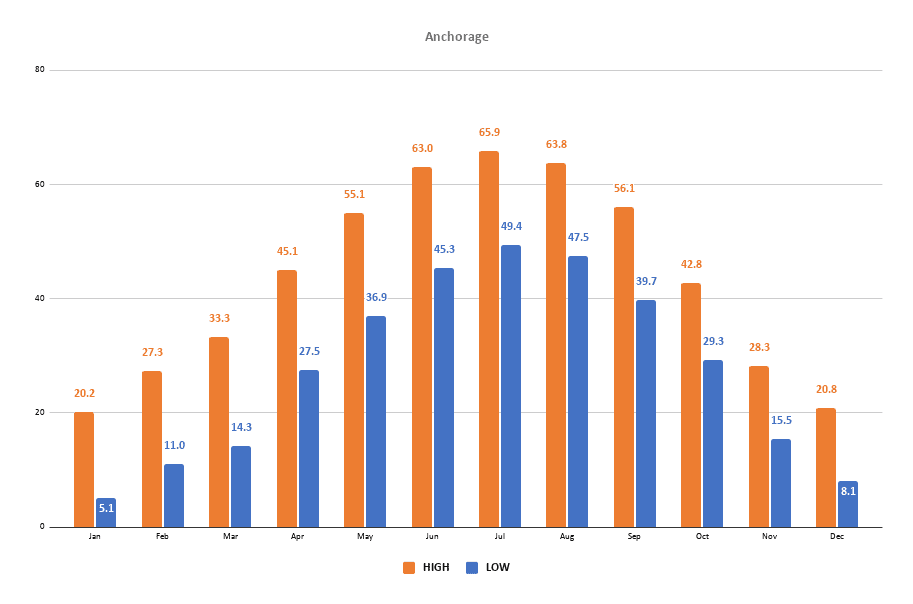
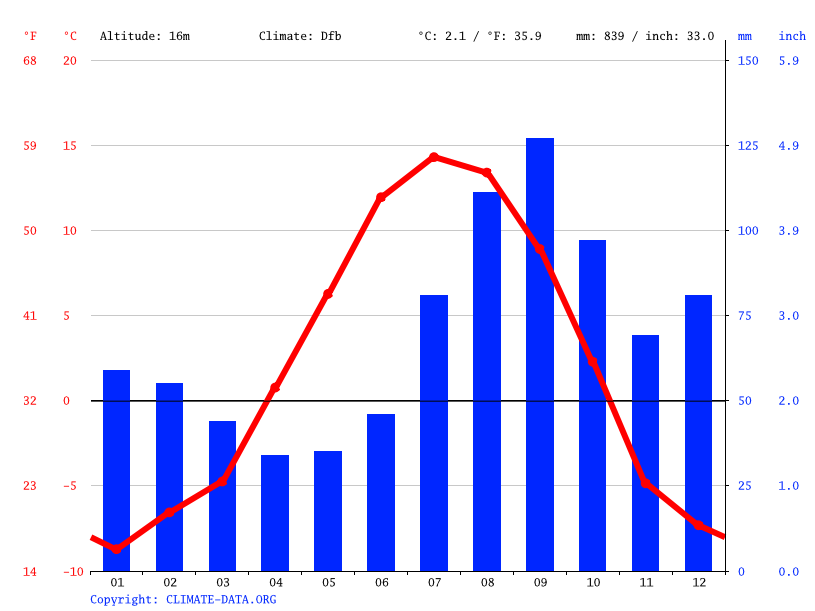
The average annual temperature in Anchorage hovers around 37°F (3°C), a figure that masks the dramatic swings between summer highs and winter lows. Summers can see daytime temperatures comfortably reaching the 60s°F (15-20°C), sometimes even touching the low 70s°F (20-23°C). In contrast, winter daytime temperatures typically range from 15°F to 30°F (-9°C to -1°C), with nighttime lows often dipping into the single digits or even below 0°F (-18°C). These broad ranges highlight the importance of understanding the specific season of your visit. Precipitation also varies, with summers generally being wetter due to rain, while winters bring significant snowfall, transforming the landscape into a pristine white canvas.
Key Factors Influencing Anchorage Temperatures
The unique topography surrounding Anchorage plays a critical role in shaping its weather. The Chugach Mountains to the east act as a barrier, sheltering the city from some of the colder, continental air masses that sweep across interior [Alaska]. This “rain shadow” effect can also influence precipitation patterns. Conversely, Cook Inlet to the west provides a moderating maritime influence, helping to prevent extreme temperature fluctuations. The sheer size of [Alaska] also means that weather systems can vary dramatically across the state, but [Anchorage]’s strategic location often benefits from a somewhat milder version of [Alaska]’s general subarctic conditions. Understanding these geographic influences helps travelers appreciate why [Anchorage]’s climate, though cold in winter, is often more hospitable than many expect.
Seasonal Travel in Anchorage: What to Expect, When to Go
The best time to visit Anchorage heavily depends on the experience you seek, as each season offers a distinct temperature profile and array of activities. From the endless daylight of summer to the serene, snow-covered landscapes of winter, [Anchorage] truly transforms throughout the year.
Summer (June-August): The Peak Season for Warmth and Daylight
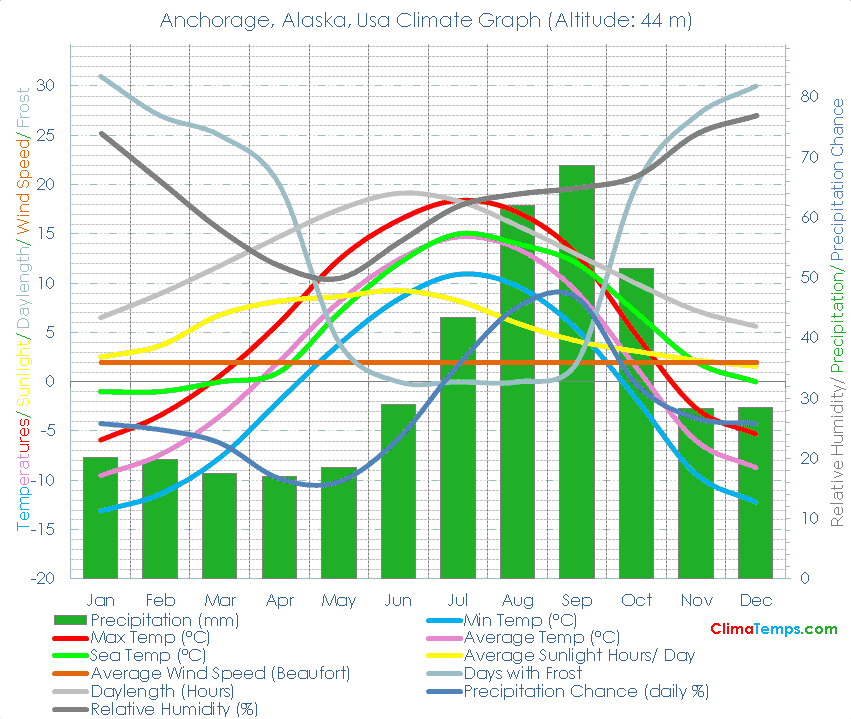
Summer in Anchorage is the most popular time for travelers, and for good reason. Temperatures are at their warmest, averaging between 55°F to 65°F (13°C to 18°C), though days can easily reach into the 70s°F (20-23°C). The long daylight hours—up to 19 hours around the summer solstice in June—mean more time for outdoor adventures. This is the ideal period for hiking in the Chugach Mountains, exploring the Kenai Peninsula via the Seward Highway, wildlife viewing, fishing, and taking scenic flights to places like Denali National Park. Despite the warmth, evenings can still be cool, and rain showers are common, so layers remain crucial.
Autumn (September-October): Crisp Air and Changing Colors
As summer fades, Anchorage transitions into a beautiful, albeit brief, autumn. Temperatures begin to drop, averaging between 35°F to 50°F (2°C to 10°C). Days shorten rapidly, but the landscape explodes in vibrant hues of gold, red, and orange as the tundra and deciduous trees change color. This is an excellent time for photography, less crowded hiking, and potentially catching the aurora borealis as the nights grow longer. While the air is crisp and invigorating, frost becomes common, and the first snowfalls can occur, especially in late October. Travelers during this period should be prepared for cooler temperatures and the possibility of winter-like conditions.
Winter (November-March): A Wonderland of Cold and Snow
Winter in Anchorage is long, cold, and undeniably stunning. Average temperatures range from 15°F to 30°F (-9°C to -1°C), with frequent dips below 0°F (-18°C) at night. Snowfall is abundant, transforming the city and surrounding wilderness into a winter wonderland perfect for skiing, snowboarding, ice skating, dog sledding, and snowmobiling. The daylight hours are dramatically reduced, with as little as 5-6 hours of sunlight in December, creating long, dark nights ideal for aurora viewing. Despite the cold, many travelers find [Anchorage]’s winter to be a magical experience, offering unique opportunities like the Iditarod Trail Sled Dog Race in March. Proper extreme cold-weather gear is essential for comfortable exploration.
Spring (April-May): The Transition Period and Thaw
Spring in Anchorage is a season of transition, marked by warming temperatures and the gradual melting of snow and ice. Average temperatures typically range from 30°F to 45°F (-1°C to 7°C). While early spring can still feel very wintery, with late snowfalls, by May, the days are noticeably longer, and signs of new life emerge. This is often referred to as “breakup season,” where melting snow can create muddy conditions on trails. However, it’s also a time of rejuvenation, with increasing wildlife activity and the anticipation of summer. Travelers in spring should be prepared for highly variable conditions, from muddy trails to bright, sunny days, and pack layers that can handle both wet and cold.
Preparing for Anchorage’s Temperatures: Packing and Activities
Understanding the typical temperatures for each season is just the beginning; knowing how to prepare for them is key to a comfortable and enjoyable trip to Anchorage. Your packing strategy and activity choices will be directly influenced by the mercury.
Packing Essentials for Each Season
- Summer (June-August): Focus on layers. Include lightweight, breathable clothing (e.g., quick-drying shirts, convertible pants). A waterproof and windproof jacket is non-negotiable, as are comfortable hiking shoes. Even in summer, a warm fleece or sweater for evenings and higher elevations is a must. Don’t forget bug spray, sunglasses, and a hat to combat the strong sun and ever-present mosquitoes.
- Autumn (September-October): Heavier layers are required. Think wool or fleece sweaters, thermal base layers, and a robust waterproof and insulated jacket. Waterproof hiking boots are advisable, as are gloves, a warm hat, and scarf. The air can be biting, especially at night.
- Winter (November-March): This demands serious cold-weather gear. A high-quality, insulated, waterproof winter coat is essential. Layering with thermal underwear, fleece mid-layers, and wool sweaters is paramount. Insulated, waterproof boots (rated for sub-zero temperatures), heavy gloves or mittens, a warm hat that covers the ears, and a scarf or neck gaiter are all critical. Hand and foot warmers can also be a godsend.
- Spring (April-May): Similar to autumn, but with a stronger emphasis on waterproof outerwear and footwear to deal with melting snow and mud. Layering is still the name of the game, with thermal underwear, waterproof pants, and a versatile, insulated jacket.
Seasonal Activities: Embracing the Elements
Each temperature profile unlocks a different set of activities, allowing Anchorage to cater to diverse travel interests throughout the year.
- Summer Adventures: With comfortable temperatures, summer is prime time for exploring the vast outdoors. Popular activities include hiking trails like those leading to Flat Top Mountain or within Chugach State Park, cycling the Tony Knowles Coastal Trail, fishing for salmon in local rivers, kayaking in Cook Inlet, and taking scenic drives along the Seward Highway towards destinations like Girdwood or the Kenai Peninsula.
- Winter Sports and Spectacles: The cold and snow transform Anchorage into a winter playground. Downhill skiing and snowboarding are popular at nearby resorts like Alyeska Resort in Girdwood or Arctic Valley. Cross-country skiing and snowshoeing are enjoyed on extensive trail systems in Kincaid Park and Far North Bicentennial Park. Dog sledding tours, ice skating, and aurora borealis viewing are also quintessential winter experiences.
- Shoulder Season Exploration: Spring and autumn offer unique opportunities. Autumn is perfect for wildlife viewing as animals prepare for winter, and for experiencing the stunning fall foliage. Spring offers a chance to see Anchorage awaken, with less crowded attractions and the gradual return of migratory birds. Indoor attractions like the Alaska Native Heritage Center and the Anchorage Museum are excellent options regardless of the season’s weather.
Beyond the Thermometer: How Temperature Shapes Your Anchorage Experience
While numerical temperature values are important, the experiential aspect of Anchorage’s climate goes much deeper. How temperature interacts with other environmental factors, like daylight hours and natural phenomena, truly defines the character of each season for a traveler.
Daylight Hours: A Crucial Companion to Temperature
The extreme variation in daylight hours is as significant as the temperature itself. During summer, the seemingly endless daylight (nearly 20 hours around the solstice) energizes visitors, allowing for extended outdoor activities and late-night adventures. The relative warmth combined with perpetual light creates an unparalleled sense of vibrancy. Conversely, the short, dark days of winter, where daylight might only last 5-6 hours, underscore the intense cold but also set the stage for spectacular aurora displays and a cozy, introspective atmosphere. Understanding this interplay between light and temperature is crucial for managing expectations and planning daily itineraries.
Wildlife Viewing and Natural Phenomena
Temperature directly influences wildlife behavior and the visibility of natural wonders. Warmer summer temperatures bring animals out of hibernation, making it prime time for bear viewing (e.g., at Brooks Falls or on the Kenai Peninsula), birdwatching, and whale watching in the coastal waters. The warmer months also provide access to remote areas like Denali National Park. In winter, while some animals hibernate, others, like moose and caribou, are more visible against the snow. The extreme cold and dark nights are a prerequisite for seeing the Northern Lights, which requires clear, dark skies away from city lights, often best experienced in towns like Talkeetna or on specific aurora tours. Glacial features, like Matanuska Glacier, are accessible year-round but offer different experiences depending on the temperature and ice conditions.
Cultural Events and Festivals
Anchorage’s calendar of events is also temperature-dependent. Summer hosts numerous outdoor festivals, farmers’ markets, and cultural celebrations, leveraging the pleasant weather and long daylight. The city’s famous winter events, like the Iditarod Trail Sled Dog Race in early March and the Fur Rondy festival, are intrinsically tied to the cold, snowy conditions. These events not only embrace the low temperatures but celebrate them, offering travelers a unique insight into Alaskan resilience and community spirit.
Making the Most of Your Visit: Practical Tips for Temperature Adaption
Regardless of when you visit, adapting to Anchorage’s temperatures is paramount for a successful and comfortable trip. These practical tips will help ensure you’re prepared for whatever [Alaska]’s weather throws your way.
Layering is Key: The Alaskan Mantra
Perhaps the most critical piece of advice for any Anchorage traveler is to dress in layers. This strategy allows you to easily adjust your clothing to fluctuating temperatures throughout the day or as your activity level changes. Start with a moisture-wicking base layer, add insulating mid-layers (fleece or wool), and top it off with a waterproof and windproof outer shell. Even in summer, evenings can turn chilly, and rain showers are common, so having those layers readily available means you won’t be caught off guard. In winter, this layering principle is amplified to combat extreme cold, adding warmth without excessive bulk.
Monitoring Weather Forecasts
While average temperatures provide a general guide, Alaskan weather can be notoriously unpredictable. Always check local forecasts a few days before and continuously during your trip. Local weather resources can provide specific details on expected highs and lows, precipitation, and wind chill, which can significantly impact how cold it feels. Being informed allows for last-minute adjustments to your packing or daily plans, ensuring you’re always optimally prepared.
Embracing the Local Mindset
Finally, adopt a flexible and adventurous mindset. Alaskans are accustomed to dramatic weather shifts and have learned to embrace the unique challenges and beauty each season brings. Don’t let a sudden temperature drop or an unexpected snowfall derail your plans. Instead, view it as an authentic part of the Alaskan experience. With the right preparation and attitude, you’ll discover that Anchorage’s diverse temperatures are not obstacles, but rather integral components of an extraordinary travel adventure.
LifeOutOfTheBox is a participant in the Amazon Services LLC Associates Program, an affiliate advertising program designed to provide a means for sites to earn advertising fees by advertising and linking to Amazon.com. Amazon, the Amazon logo, AmazonSupply, and the AmazonSupply logo are trademarks of Amazon.com, Inc. or its affiliates. As an Amazon Associate we earn affiliate commissions from qualifying purchases.