
The question of whether the United States “owns” Puerto Rico is a complex one, deeply rooted in history, law, and political discourse. Unlike the clear-cut sovereignty exercised over its 50 states, the United States’ relationship with Puerto Rico is characterized by a unique territorial status. This article delves into the historical context, legal framework, and ongoing debates surrounding this intricate political dynamic, framed through the lens of travel, tourism, and the rich experiences that await visitors to this vibrant Caribbean island.
A Historical Journey: From Colony to Commonwealth
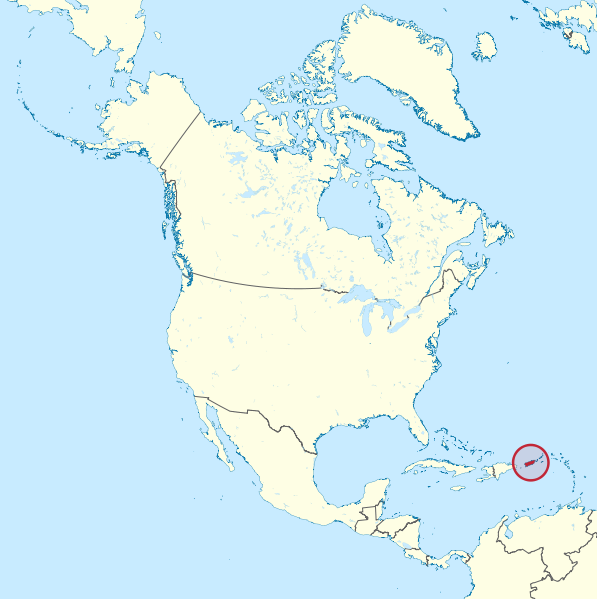
To understand the present, we must first look to the past. Puerto Rico’s journey from a Spanish colony to a United States territory is a narrative of conquest, evolving governance, and persistent calls for self-determination.
Spanish Rule and the Spanish-American War
For over 400 years, Puerto Rico was a Spanish possession, a strategically important island in the Caribbean. Its early history was marked by colonization, agricultural development, and a distinct cultural identity that began to form under Spanish rule. However, by the late 19th century, sentiments for greater autonomy were growing.
The pivotal moment arrived in 1898 with the Spanish-American War. As part of the treaty that ended the war, Spain ceded Puerto Rico, along with Cuba and Guam, to the United States. This marked the beginning of a new era for the island, one that would define its political status for generations to come.
The Insular Cases and the Dawn of Territorial Status
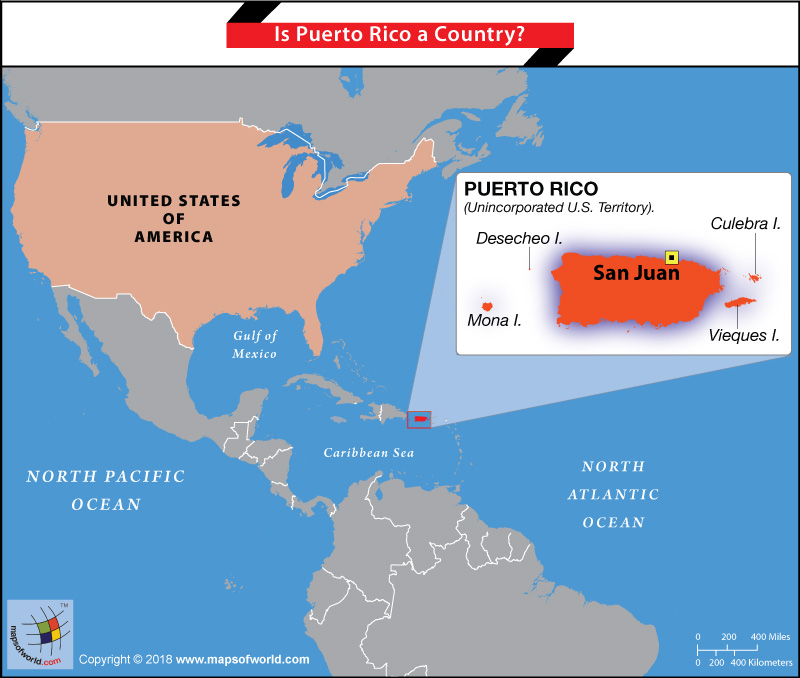
Following the war, the United States began to grapple with how to govern its newly acquired territories. The Insular Cases, a series of Supreme Court decisions in the early 20th century, established the legal foundation for Puerto Rico’s status as an unincorporated territory. This meant that the Constitution of the United States did not fully apply to Puerto Rico automatically, and that Congress had plenary power over the island. This distinction is crucial: an unincorporated territory is considered a possession of the United States, but not an integral part of it, unlike an incorporated territory which is on a path to statehood.
The initial period under United States governance saw significant changes. Infrastructure development, economic reforms, and the introduction of American institutions took place. However, these changes were often imposed, and the question of Puerto Rico’s ultimate destiny remained a subject of debate among both Puerto Ricans and Americans.
The Commonwealth Era: A Unique Arrangement
In 1950, Congress passed Public Law 600, which allowed Puerto Rico to draft its own constitution. This led to the establishment of the Commonwealth of Puerto Rico in 1952, with its own governor, legislature, and a degree of local autonomy. This status, often referred to as “Estado Libre Asociado” (Associated Free State), was intended to provide a unique political arrangement.
Under the Commonwealth status, Puerto Rico has a measure of self-governance, with its residents electing their own officials. However, Puerto Ricans are United States citizens and serve in the United States military, but they do not vote in United States presidential elections and have no voting representation in Congress. Furthermore, while Puerto Rico has its own tax system, its residents are not subject to federal income tax on income earned within the island. Despite these aspects of self-governance, the ultimate authority still rests with the United States Congress, which can legislate on matters concerning the island. This has led to ongoing discussions and aspirations for a different political status, including statehood, independence, or an enhanced form of commonwealth.
Exploring Puerto Rico: A Destination Like No Other
Regardless of its political status, Puerto Rico remains a captivating destination offering a rich tapestry of culture, history, natural beauty, and vibrant experiences. For travelers, understanding its unique relationship with the United States can add an interesting layer to their visit, but it doesn’t diminish the allure of its attractions.
Landmarks and Natural Wonders
Puerto Rico boasts a wealth of landmarks and natural wonders that draw visitors from around the globe. The historic walled city of Old San Juan, a UNESCO World Heritage Site, is a must-see. Its cobblestone streets, colorful colonial architecture, and formidable fortresses like Castillo San Felipe del Morro and Castillo San Cristóbal whisper tales of centuries past. Wandering through these ancient fortifications, one can almost feel the echoes of naval battles and colonial intrigue.
Beyond the historic capital, the island’s natural beauty is equally breathtaking. The El Yunque National Forest, the only tropical rainforest in the United States National Forest System, offers lush trails, cascading waterfalls, and a diverse array of flora and fauna. Hiking through its verdant canopy, with the sounds of coquis chirping, provides an immersive experience in the heart of the tropics.
The coastline is dotted with stunning beaches, from the powdery white sands of Flamenco Beach on Culebra to the surfing meccas of Rincón. Whether you’re seeking a tranquil escape or an adventurous aquatic experience, Puerto Rico’s shores deliver. For those interested in the marine world, the bioluminescent bays, such as Mosquito Bay in Vieques, offer a magical nighttime spectacle, where microscopic organisms illuminate the water with an otherworldly glow.
Culture, Cuisine, and Local Experiences
The soul of Puerto Rico lies in its vibrant culture and warm, welcoming people. The island’s heritage is a fascinating blend of Taíno, Spanish, and African influences, which are evident in its music, dance, art, and, of course, its food.
Puerto Rican cuisine is a delightful journey for the palate. Staple dishes like mofongo (mashed plantains with garlic and pork cracklings), lechon (roast pork), and arroz con gandules (rice with pigeon peas) are flavorful expressions of the island’s culinary traditions. Exploring local eateries, from bustling san Juan food stalls to charming countryside lechoneras, is an essential part of the Puerto Rican experience. Don’t forget to sample the local rum, a testament to the island’s sugarcane heritage.
The island’s artistic scene is equally rich. Visitors can explore galleries showcasing contemporary Puerto Rican art, witness traditional music and dance performances, or immerse themselves in the lively atmosphere of local festivals. The spirit of Puerto Rico is one of resilience, joy, and a deep sense of community, which visitors often find infectious.
The Ongoing Debate: Status and Identity
The question of Puerto Rico’s political status continues to be a central theme in the island’s political landscape and its relationship with the United States. This is not merely an abstract legal or political debate; it has tangible implications for the island’s economy, governance, and the identity of its people.
Statehood, Independence, and Enhanced Commonwealth
Discussions about Puerto Rico’s future often center on three main options: statehood, independence, or an enhanced form of commonwealth.
- Statehood: Proponents of statehood argue that it would grant Puerto Rico full political equality with the United States, providing voting representation in Congress and the right to vote in presidential elections. They believe statehood would bring economic benefits through increased federal funding and investment.
- Independence: Advocates for independence envision a sovereign nation, free from United States jurisdiction. They believe this would allow Puerto Rico to chart its own course economically and culturally, forging its own international relationships.
- Enhanced Commonwealth: This option seeks to maintain a connection with the United States while granting Puerto Rico greater autonomy and sovereignty. The specifics of an “enhanced” commonwealth are subject to considerable debate, but the aim is to achieve a more equitable partnership.
Referendums on status have been held periodically, with varying degrees of participation and results, reflecting the deep divisions and complexities of the issue within Puerto Rico itself.
Impact on Tourism and Lifestyle
The political status debate, while significant, does not define the Puerto Rican travel experience. The island is a vibrant hub for tourism, offering a diverse range of accommodations and activities. From luxury resorts in Dorado to boutique hotels in Old San Juan, there are options for every budget and travel style. Whether you are planning a family trip, a romantic getaway, or a solo adventure, Puerto Rico offers a rich tapestry of experiences.
The island’s blend of American and Latin influences creates a unique lifestyle. Visitors can enjoy world-class amenities, experience a relaxed island pace, and engage with a culture that is both familiar and distinct. The ease of travel for United States citizens, who do not require passports to visit Puerto Rico, further enhances its appeal as a readily accessible Caribbean destination.
Conclusion: A Territory, Not Owned
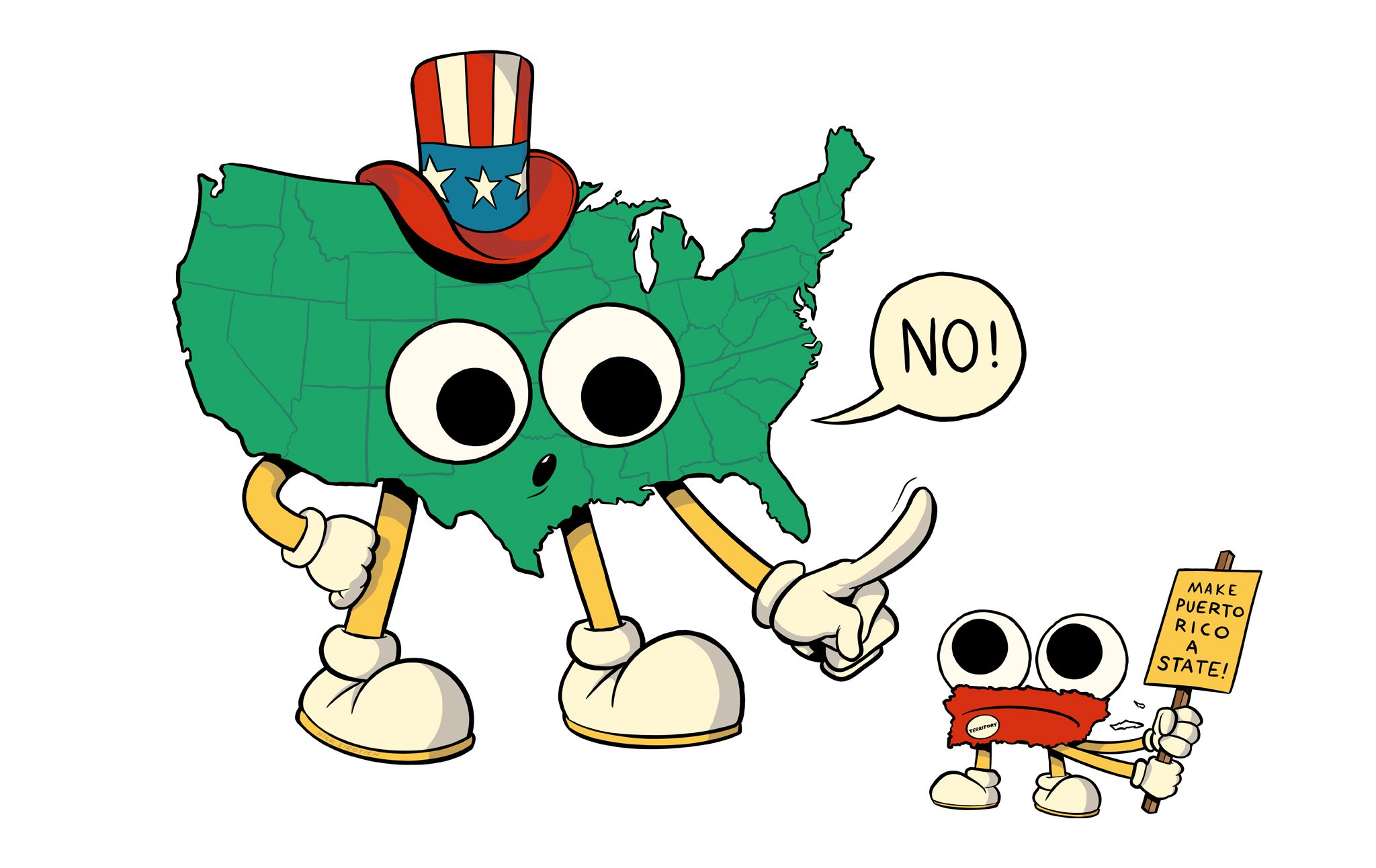
Ultimately, the answer to “Does the United States own Puerto Rico?” is nuanced. Legally, Puerto Rico is an unincorporated territory of the United States, meaning it is subject to the authority of the United States Congress but is not an integral part of the nation. It is not “owned” in the sense that a property is owned. Rather, it is a territory with a unique political status that has evolved over time and continues to be a subject of ongoing dialogue and aspiration.
For the traveler, this complex political reality is often overshadowed by the island’s undeniable charm, its stunning natural beauty, its rich cultural heritage, and the warmth of its people. Puerto Rico stands as a testament to a vibrant culture and a resilient spirit, offering an unforgettable experience for all who visit its shores, irrespective of the ongoing discussions about its political future. It is a destination that invites exploration, discovery, and a deeper understanding of its enduring identity.
LifeOutOfTheBox is a participant in the Amazon Services LLC Associates Program, an affiliate advertising program designed to provide a means for sites to earn advertising fees by advertising and linking to Amazon.com. Amazon, the Amazon logo, AmazonSupply, and the AmazonSupply logo are trademarks of Amazon.com, Inc. or its affiliates. As an Amazon Associate we earn affiliate commissions from qualifying purchases.