
Fairbanks, Alaska, often hailed as the “Golden Heart City,” offers travelers an extraordinary experience defined profoundly by its dramatic climate. Situated deep within the interior of Alaska, far from the moderating influence of the coast, Fairbanks is renowned for its extreme seasonal temperature variations, earning it a unique place on the world’s weather map. Understanding these temperatures is not merely a matter of curiosity; it’s fundamental to planning a successful and enjoyable trip to this captivating destination, dictating everything from your packing list to the activities you can pursue. Whether you dream of witnessing the ethereal Northern Lights dancing across a frigid winter sky or basking under the perpetual daylight of the midnight sun, the temperature in Fairbanks shapes your adventure.
Understanding Fairbanks’ Unique Climate: A Subarctic Realm
Fairbanks lies squarely within a subarctic climate zone, characterized by long, intensely cold winters and short, relatively warm summers. This extreme variability is largely due to its high latitude and interior continental location. Unlike coastal areas that benefit from ocean currents, Fairbanks experiences a significant continental effect, meaning land heats up and cools down much faster than water, leading to more pronounced temperature swings.
The Impact of Latitude and Interior Location
At roughly 64 degrees North latitude, Fairbanks is positioned close to the Arctic Circle, which directly influences its daylight hours and, consequently, its temperatures. In winter, days are incredibly short, often providing only a few hours of twilight, if any direct sunlight, which allows temperatures to plummet and stay low for extended periods. Conversely, summer brings nearly 24 hours of daylight, allowing for prolonged periods of solar radiation to warm the land. The absence of large bodies of water nearby to moderate these temperature fluctuations means that Fairbanks truly experiences the full extent of its subarctic climate. The topography, with mountain ranges to the south and east, also contributes by sometimes blocking warmer Pacific air, further isolating the interior from milder coastal influences.
Seasonal Temperature Extremes: A Snapshot
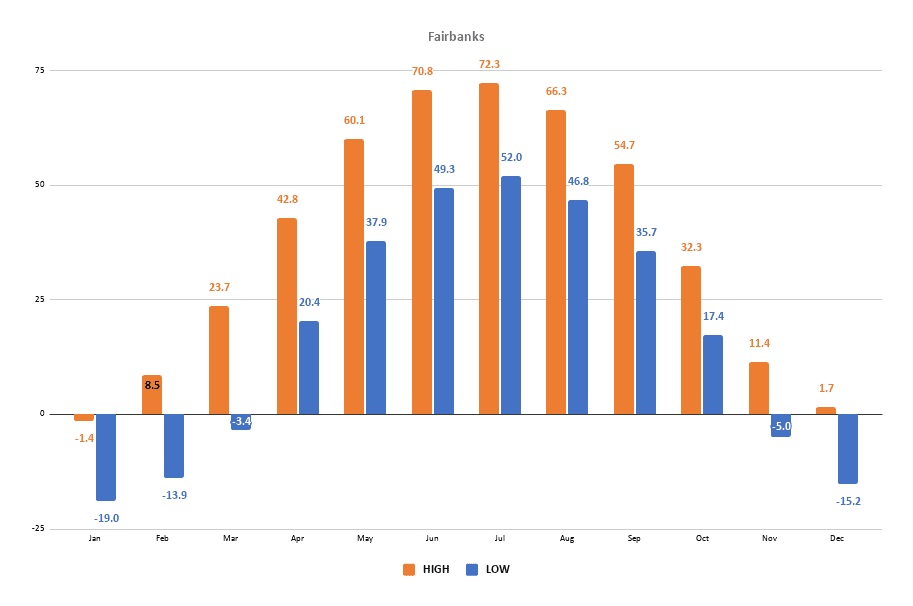
To truly appreciate Fairbanks, one must be prepared for its temperature extremes. Winter temperatures regularly drop to -20°F (-29°C) and can plunge to -40°F (-40°C) or even colder during cold snaps, sometimes reaching -60°F (-51°C). Record lows have touched -66°F (-54°C). In stark contrast, summer temperatures are surprisingly pleasant, often hovering in the 60s°F (15-20°C) and occasionally rising into the 80s°F (27-32°C). The record high for Fairbanks is a remarkable 99°F (37°C). This incredible range – over 160°F (90°C) between historical extremes – makes Fairbanks one of the most intriguing climates for travelers seeking dramatic natural phenomena.
Winter Wonderland: Embracing the Cold (October – March)
Winter in Fairbanks is not just a season; it’s a transformative experience. From late September through April, the city is typically blanketed in snow, and temperatures are consistently below freezing. This is the prime time for aurora viewing, dog sledding, and ice sculpting, activities made possible and indeed iconic due to the extreme cold.
Average Winter Temperatures and What to Expect
The heart of winter, from December to February, sees average daily temperatures ranging from -10°F to 10°F (-23°C to -12°C). However, these are averages, and extended periods of -20°F to -40°F (-29°C to -40°C) are common. January is typically the coldest month. While these numbers might seem daunting, the cold is often a dry cold, making it feel less piercing than a humid cold at similar temperatures. Still, proper preparation is non-negotiable. The landscape transforms into a pristine, snow-covered canvas, often shrouded in an ethereal ice fog on the coldest mornings, creating stunning photographic opportunities.
Essential Packing and Preparation for Extreme Cold
Traveling to Fairbanks in winter demands meticulous packing. The key is layering. Start with moisture-wicking base layers (merino wool or synthetics). Add insulating mid-layers like fleece or down vests. Your outer layer should be a heavy, waterproof, and windproof parka with a hood that can cinch tightly around your face. Insulated snow pants are also crucial. Don’t forget insulated, waterproof boots (rated to -40°F or colder), thick wool socks, warm gloves or mittens (mittens are warmer), a warm hat that covers your ears, and a scarf or neck gaiter. Hand warmers and toe warmers can be lifesavers. Many local outfitters in Fairbanks offer rental gear, which can be an excellent option for those not wanting to invest in extreme cold-weather clothing for a single trip.
Winter Activities Influenced by Temperature
The frigid temperatures are precisely what make winter activities in Fairbanks so unique. The clarity of the cold, dry air is ideal for viewing the Northern Lights, which are most active and visible during the long nights. Dog sledding, an integral part of Alaskan heritage, is thrilling in the snowy landscape, with temperatures ensuring the snow remains perfect for gliding. Ice sculpting festivals, like the World Ice Art Championships, thrive on the sustained cold, allowing artists to craft intricate, large-scale masterpieces that can endure for weeks. Activities like ice fishing, snowmobiling, and skiing (both cross-country and downhill at local resorts like Ski Land) are also popular. Even a visit to the Chena Hot Springs Resort, where you can soak in natural hot springs while surrounded by sub-zero temperatures, becomes an unforgettable experience thanks to the contrast.
Summer’s Brief Embrace: The Midnight Sun (June – August)
After the long, dark winter, Fairbanks undergoes a dramatic transformation into a vibrant summer destination. The arrival of the midnight sun brings nearly continuous daylight and significantly warmer temperatures, opening up a different array of outdoor adventures.
Average Summer Temperatures and Long Daylight Hours
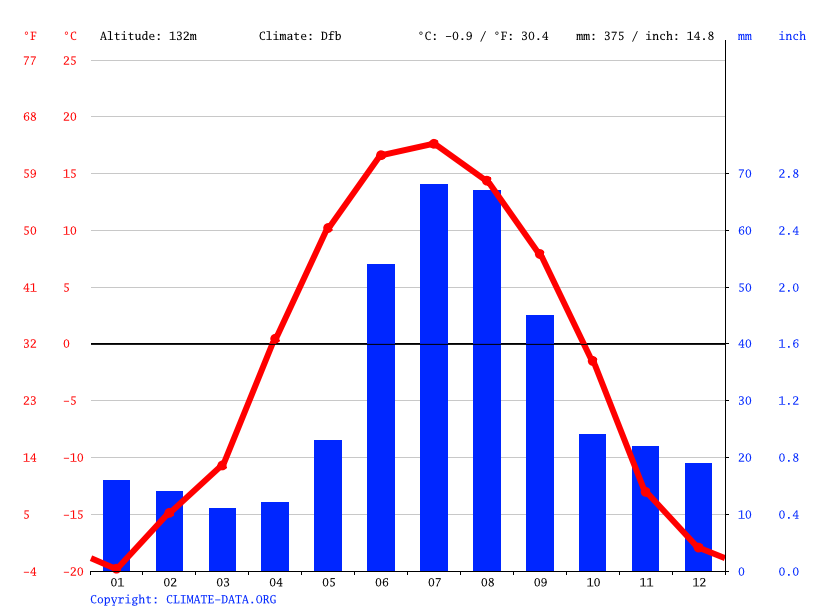
Summer in Fairbanks, particularly from June to August, is characterized by mild to warm temperatures and astonishingly long daylight hours. Average daily temperatures typically range from the low 50s°F (10-12°C) at night to the upper 60s°F (19-21°C) during the day. It’s not uncommon for temperatures to reach into the 70s°F (20-25°C) and occasionally even the low 80s°F (27-29°C). The constant daylight, with up to 21 hours of direct sunlight around the summer solstice, ensures that the land warms significantly. This extended daylight means you have more time to explore and enjoy activities, stretching your days late into what would traditionally be evening.
Packing for Cooler Summers
While certainly warmer than winter, Fairbanks summers are not tropical. Packing layers is still advisable. Bring light long-sleeved shirts and pants to protect against mosquitoes and the sun, along with shorts and t-shirts for warmer days. A waterproof and windproof jacket is essential for cooler evenings, rainy days, or boat tours, as temperatures can drop quickly. Comfortable walking shoes or hiking boots are a must. Don’t forget sunscreen, sunglasses, and insect repellent – the mosquitoes can be quite persistent, especially near water.
Summer Activities (Hiking, Fishing, Riverboat Tours)
The warmer temperatures and endless daylight unlock a plethora of summer activities. Hiking opportunities abound in nearby areas and national parks, allowing access to stunning natural landscapes. Fishing for salmon and other species in the local rivers and lakes is a popular pastime. Riverboat tours on the Chenna River or Tanana River offer scenic views and cultural insights. Visitors can also explore local gardens that flourish under the midnight sun, visit the University of Alaska Fairbanks Museum of the North, or enjoy gold panning adventures. The milder climate allows for comfortable exploration of the city and its surrounding wilderness, offering a stark contrast to the winter experience.
Spring and Autumn: Transitional Beauty (April-May, September)
The shoulder seasons in Fairbanks offer a unique blend of experiences, often less crowded than peak winter or summer. These are periods of significant transition, with weather that can be wonderfully mild or surprisingly harsh, sometimes within the same day.
Unpredictable Weather: The Shoulder Seasons
Spring (April-May) sees the gradual melting of snow and ice, with temperatures slowly climbing above freezing. Daytime averages range from 20°F to 40°F (-7°C to 4°C), but nights can still drop well below freezing. This “break-up” season reveals the vibrant landscape beneath the snow and brings wildlife out of hibernation. Autumn (September) is a brief, glorious period as the landscape turns to fiery reds, oranges, and yellows. Temperatures generally range from 30°F to 50°F (-1°C to 10°C), with nights growing progressively colder. Early September can still feel like summer, while late September hints at the coming winter, often bringing the first dusting of snow. Both seasons can experience rapid weather changes, making flexibility and preparedness key.
Preparing for Variable Conditions
During spring and autumn, it’s crucial to pack for a wider range of temperatures. Layers remain paramount. Be prepared for mud during spring’s thaw and potential snow or freezing rain in early spring or late autumn. A waterproof outer shell is essential. Insulated but not overly bulky clothing is recommended, as you might experience everything from mild, sunny afternoons to chilly, damp conditions. These seasons can be fantastic for wildlife viewing as animals are active during the transition.
Practical Tips for Travelers: Navigating Fairbanks’ Temperatures
Regardless of when you visit, understanding how to interact with Fairbanks’ unique temperatures will significantly enhance your trip.
Layering: The Golden Rule
This cannot be stressed enough. Whether it’s -40°F in January or 70°F in July, layering allows you to adapt to changing conditions, activity levels, and indoor-outdoor transitions. In winter, multiple thin layers trap air better than one thick layer, providing superior insulation. In summer, layers help you adjust to cool mornings, warm afternoons, and breezy evenings.
Protecting Yourself from the Elements
In winter, beyond clothing, protect exposed skin. Wind chill can make temperatures feel much colder, increasing the risk of frostbite. Use balaclavas, scarves, and insulated gloves. Keep electronics warm; cold saps battery life quickly. In summer, prolonged daylight requires attention to sleep patterns (eye masks are helpful) and sun protection. Regardless of the season, stay hydrated.

Monitoring Forecasts and Local Resources
Always check the local weather forecast immediately before and during your trip. Websites like the National Weather Service provide highly accurate forecasts for Fairbanks. Local visitors centers and tour operators are also excellent resources for real-time conditions and advice on safely enjoying the region’s activities in any temperature. The key to a successful Fairbanks adventure isn’t just knowing the temperature, but knowing how to embrace and prepare for it.
LifeOutOfTheBox is a participant in the Amazon Services LLC Associates Program, an affiliate advertising program designed to provide a means for sites to earn advertising fees by advertising and linking to Amazon.com. Amazon, the Amazon logo, AmazonSupply, and the AmazonSupply logo are trademarks of Amazon.com, Inc. or its affiliates. As an Amazon Associate we earn affiliate commissions from qualifying purchases.