
For decades, Las Vegas has earned its reputation as the “Entertainment Capital of the World,” a place where adults can indulge in experiences that are often restricted elsewhere. Among the most frequent questions asked by visitors planning a trip to Nevada is the legal status of cannabis. As the cultural landscape of the United States shifts toward legalization, understanding the specific nuances of local laws is essential for any traveler. While marijuana is indeed legal in the Silver State, the intersection of state law, federal regulations, and local tourism policies creates a complex environment that every visitor must navigate responsibly.
Understanding the Legal Framework in Nevada
To appreciate the current state of cannabis in Las Vegas, one must look at the legislative journey. In 2016, voters passed Initiative Petition 1, which effectively legalized the recreational use of marijuana for adults aged 21 and older. This landmark decision transformed the local tourism economy, moving cannabis from the shadows into a regulated, multi-billion-dollar industry. However, “legal” does not mean “unregulated.”
Recreational vs. Medical Regulations
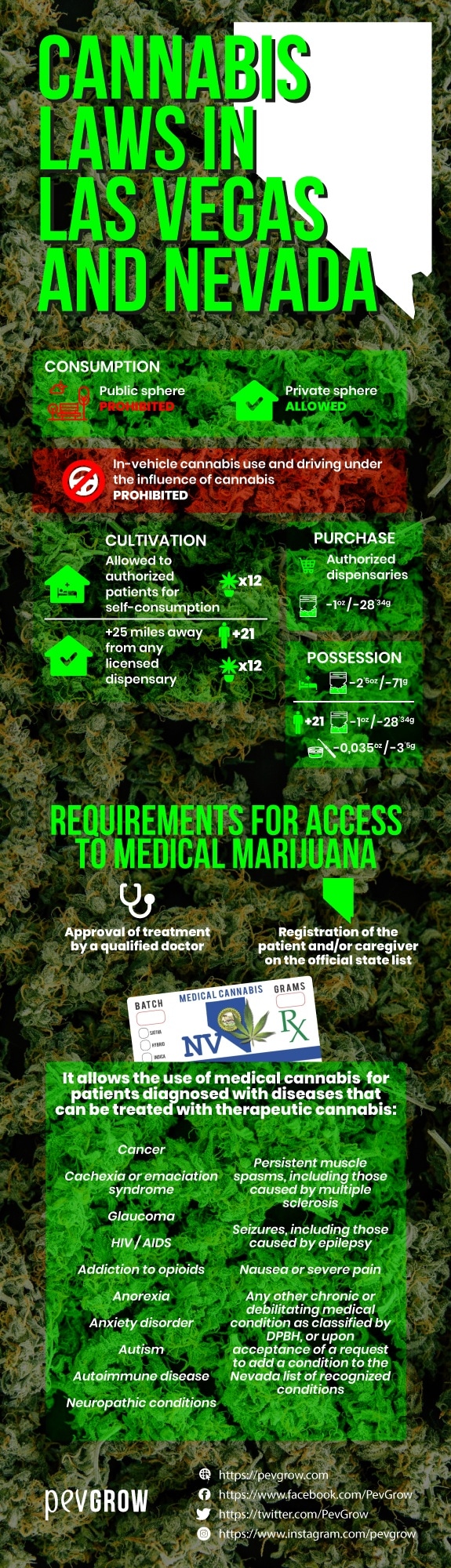
While Nevada has had a medical marijuana program since 2000, the recreational market is what draws most tourists today. Under current laws, any adult with a valid government-issued ID—be it a driver’s license from another state or a passport for international travelers—can purchase cannabis. You do not need a medical card to enter a dispensary. However, medical cardholders often enjoy lower taxes and higher possession limits, though for the average tourist visiting the Las Vegas Strip, the recreational rules are the most relevant.
Purchase and Possession Limits
The law is very specific about how much a person can carry. Currently, an individual is permitted to possess up to one ounce (28 grams) of cannabis flower or up to one-eighth of an ounce (3.5 grams) of concentrated cannabis, such as oils or wax. These limits are strictly enforced within Clark County. When visiting high-end retail locations like Planet 13, which has become a tourist attraction in its own right, budtenders are trained to ensure customers do not exceed these legal thresholds during a single transaction.
Age Verification and Identification
Strict age verification is the cornerstone of the industry in Las Vegas. Security personnel at the entrance of every dispensary will scan your identification. It is important to note that even if you are from a country where cannabis is illegal, your valid passport is sufficient for entry. However, if you are under 21, you are strictly prohibited from entering any cannabis retail space, even if you are accompanied by an adult.
The Tourism Dilemma: Where Can You Legally Consume?
The most confusing aspect of marijuana legalization for tourists is the “where.” While buying cannabis is easy, finding a legal place to use it can be a challenge. Under Nevada law, it remains illegal to consume cannabis in public places. This includes parks, sidewalks, moving vehicles, and, most importantly for travelers, the majority of hotel rooms and casino floors.
Public Spaces and the Las Vegas Strip
Walking down the Las Vegas Strip with a lit joint is a quick way to earn a citation. Public consumption is a misdemeanor that can result in a $600 fine. Law enforcement in Downtown Las Vegas, particularly around the Fremont Street Experience, is particularly vigilant. The goal of these regulations is to keep the “family-friendly” aspects of the city intact while allowing for adult indulgence in private or designated areas.
The Impact on Hotels and Casinos
Because many of the major resorts on the Las Vegas Strip, such as Caesars Palace, the Bellagio, and MGM Grand, operate under federal gaming licenses, they must comply with federal law. Since marijuana remains a Schedule I controlled substance at the federal level in the United States, these properties prohibit the possession or use of cannabis on their premises. This means that even if you have a “smoking room,” it is intended for tobacco only. Violating these policies can lead to hefty cleaning fees or even eviction from the property.
The Rise of Consumption Lounges
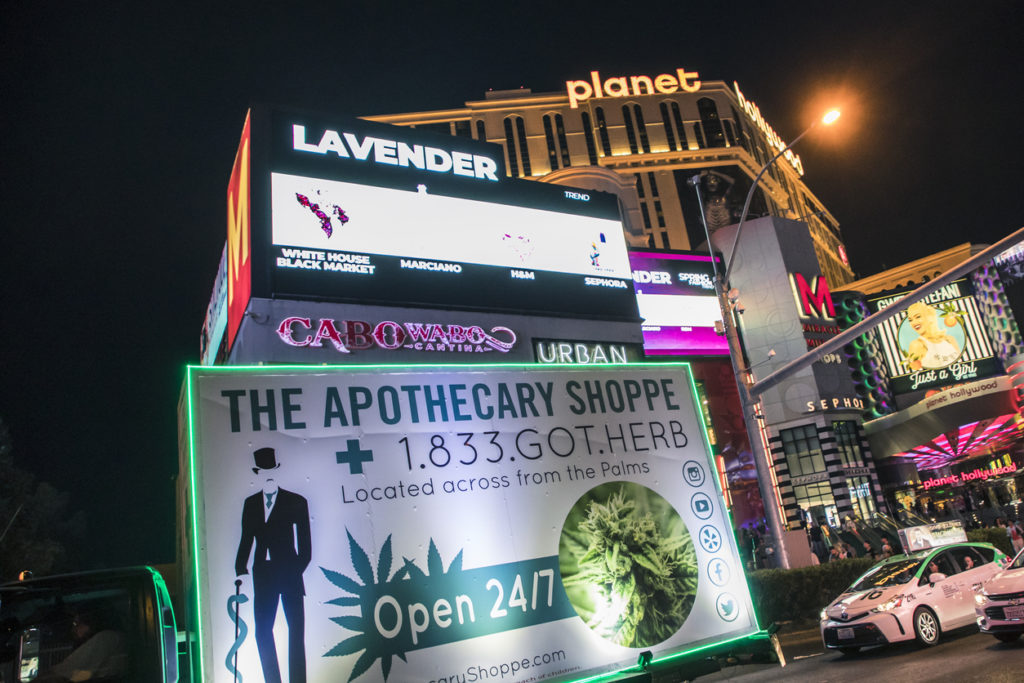
To solve the “tourist trap” of having legal weed but nowhere to smoke it, Nevada recently legalized “consumption lounges.” These are licensed venues where adults can safely and legally enjoy cannabis products. The NuWu Cannabis Marketplace, located near Downtown Las Vegas on tribal land, was a pioneer in this space, opening the city’s first legal tasting room. These lounges provide a social environment, similar to a bar, where tourists can explore different strains and delivery methods under the supervision of professionals.
Logistics, Safety, and Federal Boundaries
When incorporating cannabis into your Las Vegas itinerary, logistics and safety should be your top priorities. The intersection of state and federal law creates unique hurdles that every traveler should be aware of to avoid legal trouble.
Airports and Air Travel
A common mistake made by tourists is attempting to bring cannabis home as a souvenir. Harry Reid International Airport is under federal jurisdiction. It is illegal to carry marijuana past TSA checkpoints or onto an airplane. To help travelers comply, the airport has installed “amnesty boxes” where you can dispose of your remaining cannabis before entering the terminal. If you are caught with cannabis by federal agents, the consequences can be much more severe than a simple city fine.
Driving and Transportation
Driving under the influence of marijuana is treated with the same severity as a DUI for alcohol in Nevada. It is illegal to drive if your blood contains a certain level of THC. Furthermore, it is illegal to have an “open container” of marijuana in the passenger cabin of a vehicle. If you are using ride-share services to get from the Las Vegas Strip to a dispensary, ensure your purchases are sealed and kept in the trunk or a bag.
Federal Land and National Parks
Las Vegas is surrounded by stunning natural beauty, but many of these destinations are federal land. If you plan a day trip to Red Rock Canyon National Conservation Area or Lake Mead National Recreation Area, leave your cannabis behind. Federal rangers can and will arrest individuals for possession on federal property, regardless of state laws.
Immersing in the Local Cannabis Culture
For many, the legalization of marijuana in Nevada is less about the “high” and more about the cultural shift. The city has embraced this new industry by integrating it into the broader tourism experience through education, art, and high-end retail.
Dispensaries as Destinations
Modern dispensaries in Las Vegas are a far cry from the clinical-feeling pharmacies of the past. Retailers like Planet 13 offer an immersive experience with 3D projection mapping, interactive LED floors, and glass-walled production rooms where visitors can watch edibles being made. These locations have become must-see landmarks, similar to the Fountains of Bellagio or the High Roller.
Educational and Artistic Exhibits
The Cannabition Cannabis Museum provides a deep dive into the history and science of the plant. Such attractions offer a professional and insightful look at how cannabis has shaped history and its potential for the future. For tourists, these venues offer a way to engage with the culture without necessarily consuming, making it a well-rounded part of a Las Vegas vacation.
Pairing with the Las Vegas Experience
Many tourists find that a visit to a dispensary fits perfectly between a luxury dinner at The Strat and a late-night show. The key to a successful experience is moderation and respect for the local community. By following the “buy it here, leave it here” mantra and utilizing legal consumption lounges, travelers can enjoy everything the city has to offer without running afoul of the law.
As Las Vegas continues to evolve, the integration of cannabis into the tourism sector is likely to expand. From boutique cannabis-friendly lodgings to gourmet infused dining experiences, the future of the “Sin City” experience is increasingly green. However, the responsibility lies with the visitor to stay informed and act within the guidelines of both the state of Nevada and the specific rules of the venues they visit.
LifeOutOfTheBox is a participant in the Amazon Services LLC Associates Program, an affiliate advertising program designed to provide a means for sites to earn advertising fees by advertising and linking to Amazon.com. Amazon, the Amazon logo, AmazonSupply, and the AmazonSupply logo are trademarks of Amazon.com, Inc. or its affiliates. As an Amazon Associate we earn affiliate commissions from qualifying purchases.