
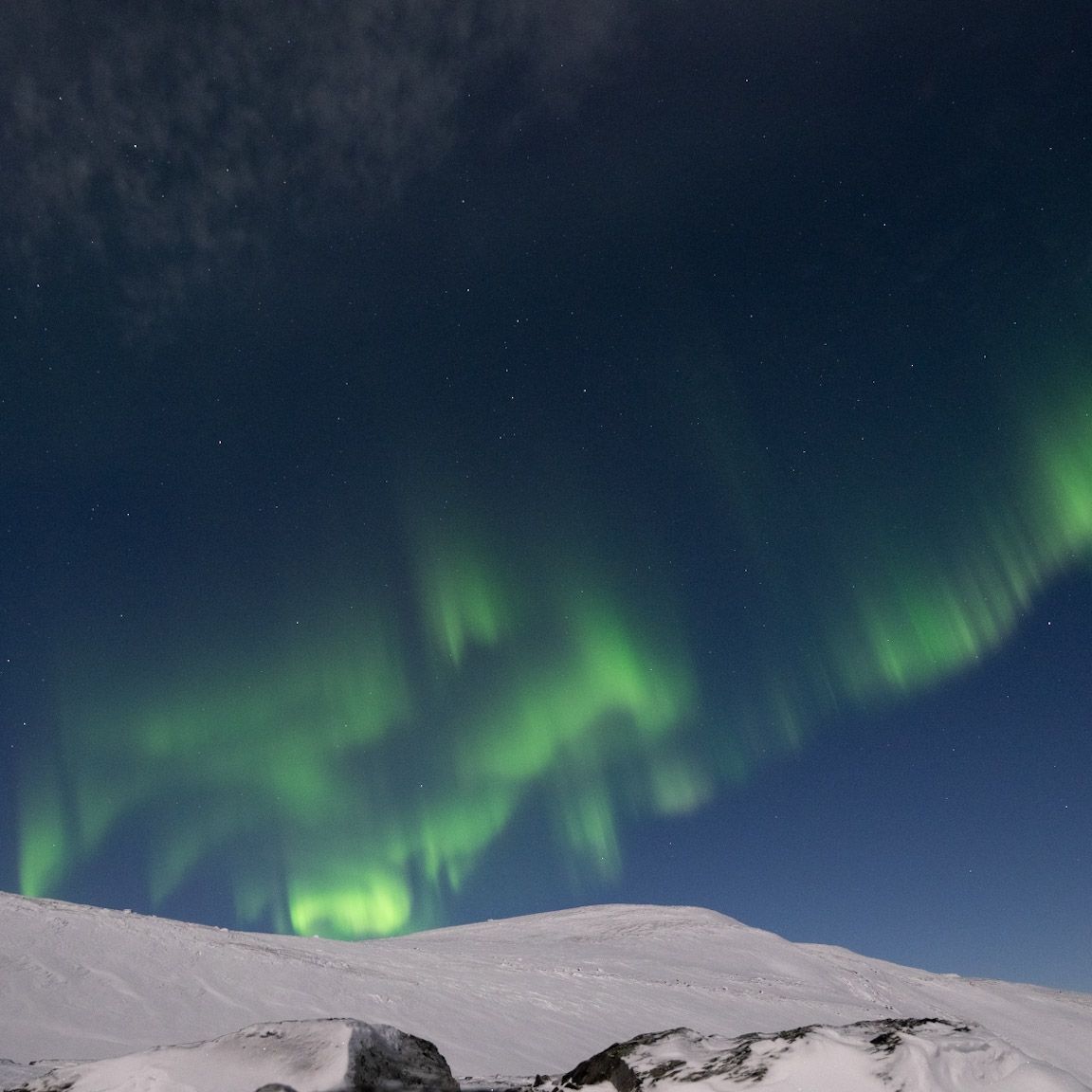
The allure of the Aurora Borealis, a celestial ballet of vibrant colors dancing across the northern sky, beckons travelers from around the globe. For those seeking this ethereal spectacle, Alaska stands as an unparalleled destination, offering some of the most consistent and breathtaking viewing opportunities on Earth. But witnessing the Northern Lights is not merely a matter of being in the right place; it’s also about timing your visit to coincide with the perfect conditions for this natural wonder. This comprehensive guide will illuminate the prime periods and locations, transforming your dream of seeing the aurora into a spectacular reality within the vast wilderness of Alaska.

The Cosmic Dance: Understanding the Aurora Borealis
Before embarking on your aurora-chasing adventure, understanding the science behind this magnificent display can deepen your appreciation for its ephemeral beauty. The Aurora Borealis is not merely a light show; it is a profound interaction between our planet and the sun.
What Causes the Northern Lights?
At its core, the Aurora Borealis is a phenomenon born from solar activity. The sun constantly emits a stream of charged particles known as solar wind. When these particles reach Earth, they are primarily deflected by our planet’s magnetic field. However, near the magnetic poles, some of these particles penetrate the atmosphere. As they collide with gases—primarily oxygen and nitrogen—in the Earth’s upper atmosphere, they excite these atoms. When the excited atoms return to their normal state, they emit photons of light, creating the dazzling colors we perceive as the aurora. Oxygen typically produces green and reddish hues, while nitrogen causes blue and purple glows. The intensity and color variations depend on the energy of the particles and the type of gas they interact with, creating the dynamic and ever-changing patterns that captivate observers.
The Elusive Nature of the Aurora
While the scientific principles are constant, the aurora itself remains notoriously unpredictable. Its visibility is governed by several critical factors. Firstly, there’s solar activity. A powerful solar flare or coronal mass ejection (CME) significantly increases the chances of a spectacular display, as more charged particles are hurled towards Earth. Secondly, darkness is paramount. Any amount of light pollution, even from the moon, can diminish the aurora’s impact. The deeper the darkness, the more vivid the colors appear. Finally, and perhaps most frustratingly for many travelers, clear skies are essential. Clouds act as a blanket, obscuring the view regardless of how strong the aurora might be above them. Chasing the aurora often involves a delicate balance of these elements, adding an element of thrilling uncertainty to the pursuit.
The Golden Window: Best Time to Witness the Aurora
Timing is arguably the single most crucial factor when planning an aurora-viewing trip to Alaska. While the aurora is active year-round, specific seasons and even times of day offer significantly higher chances of success.
Seasonality is Key: Autumn and Winter Dominance
The optimal window for seeing the Aurora Borealis in Alaska aligns with the longer nights of autumn and winter. From late August through late April, Alaska’s northern latitudes plunge into extended periods of darkness, providing ample opportunity for the lights to shine. Summer months, with their infamous midnight sun, are generally unsuitable for aurora viewing due to the continuous daylight. The colder, crisper air of winter also often brings clearer skies, reducing atmospheric haze and offering unobstructed views of the heavens. While the thought of enduring Alaskan winter temperatures might seem daunting, it is precisely these conditions that create the most magical viewing experiences.
Optimal Months for Aurora Chasing
Within the broad autumn and winter window, certain months tend to stand out. Early autumn, specifically September and October, offers a unique advantage. The temperatures are milder, making prolonged outdoor waiting more comfortable, and the transition from summer still provides some daylight hours for other activities. However, the prime time generally shifts to the deep winter months of February and March. During this period, the nights are at their longest, and statistical data suggests a higher frequency of strong solar activity correlating with vivid displays. January also offers excellent chances, but can be exceedingly cold. As April approaches, daylight hours increase, gradually reducing the window for successful viewing until the aurora season closes.
Timing Your Daily Viewing
Once you’re in Alaska during the right season, patience and timing within each day are vital. The Aurora Borealis is typically most active during the darkest hours, which usually means between 10 PM and 3 AM. However, spectacular displays can erupt outside this window, sometimes as early as 9 PM or extending into the pre-dawn hours. It’s advisable to prepare for a late night or even an all-nighter, as the lights often appear in waves, sometimes fading only to return with renewed intensity. Many dedicated aurora chasers will set up their viewing spots and patiently wait, often with a thermos of hot cocoa and warm blankets, knowing that the reward is worth the wait.
Premier Alaskan Destinations for Aurora Viewing
While a strong aurora can be seen from almost anywhere in Alaska given the right conditions, certain locations significantly increase your chances due to their geographical position and minimal light pollution.
Fairbanks: The Aurora Capital of Alaska
Without a doubt, Fairbanks holds the esteemed title of the “Aurora Capital of Alaska.” Its location, directly beneath the auroral oval—a band around the magnetic pole where aurora activity is concentrated—gives it a distinct advantage. This positioning means that even with moderate solar activity, Fairbanks often experiences visible displays. Furthermore, its relatively dry climate contributes to clearer skies compared to coastal regions. Fairbanks also boasts excellent infrastructure for aurora tourists, including numerous tour operators, hotels, and dedicated viewing areas just outside the city limits where light pollution is minimal. Many lodges and resorts in the surrounding area offer wake-up calls when the aurora appears, ensuring guests don’t miss a moment.
Beyond Fairbanks: Other Prime Spots

While Fairbanks is premier, other Alaskan locales offer incredible aurora experiences, often paired with unique landscapes or activities.
- Denali National Park: Offering unparalleled wilderness backdrops, Denali National Park provides breathtaking opportunities to photograph the aurora over snow-capped peaks. Access in winter can be limited, but specific areas outside the main park road, like the town of Talkeetna or lodges accessible by snowmobile, are excellent choices.
- Anchorage: While the state’s largest city suffers from significant light pollution, strong aurora displays can sometimes be seen from the outskirts, particularly from higher elevations or northern viewpoints. For the best chances near Anchorage, venturing north towards the Mat-Su Valley or south to areas like Girdwood or Seward (if clear) is recommended.
- Utqiagvik (formerly Barrow): For the ultimate northern experience, Utqiagvik, the northernmost city in the United States, offers incredible aurora views. However, travel here is more challenging and expensive, and the extreme cold demands thorough preparation.
- Remote Wilderness Lodges: Throughout Interior Alaska, lodges like Chena Hot Springs Resort near Fairbanks and Borealis Basecamp provide dedicated viewing spaces, warm accommodations, and often offer unique experiences like viewing from geodesic domes or clear-roofed cabins. These locations are specifically designed to maximize aurora sightings.
Remote Wilderness Lodges: Immersive Experiences
For those seeking an intimate and specialized aurora experience, staying at a remote wilderness lodge can be transformative. These establishments are often situated far from any light pollution, offering pristine dark skies. Places like Chena Hot Springs Resort, famous for its natural hot springs that offer a unique way to enjoy the lights, or Borealis Basecamp, with its innovative clear-domed accommodations, are designed with aurora viewing in mind. They often provide expert guides, heated viewing cabins, and a sense of community among fellow aurora enthusiasts, enhancing the overall experience.
Maximizing Your Aurora Chasing Expedition
Successful aurora chasing requires more than just being in Alaska at the right time. Preparation, knowledge, and a dash of patience are your best allies.
Essential Gear and Preparation
Alaskan winters are beautiful but can be brutally cold. Layered clothing is non-negotiable: thermal base layers, fleece mid-layers, and a waterproof/windproof outer shell. Don’t forget warm gloves, a hat that covers your ears, insulated boots, and hand/foot warmers. If you plan to photograph the aurora, a sturdy tripod is essential for long exposures, along with a wide-angle lens (f/2.8 or faster), extra batteries (cold drains them quickly), and a headlamp with a red-light setting to preserve night vision. Bringing a thermos with a hot beverage and snacks will also make those long waits more comfortable.
Monitoring Aurora Forecasts
Knowledge is power when it comes to aurora hunting. Several reliable resources provide forecasts of solar activity and aurora strength. The University of Alaska Fairbanks Geophysical Institute offers excellent real-time aurora forecasts and webcams. Websites and apps based on the Kp-index (a scale of geomagnetic activity) can help you gauge the likelihood of a strong display. A Kp-index of 3 or higher generally indicates a good chance of seeing the aurora from Fairbanks, while a Kp-5 or higher signifies a potential for widespread visibility, even further south. Regularly checking these forecasts is crucial for optimizing your viewing opportunities.
Choosing the Right Tour or Guide
For first-time aurora chasers, or those unfamiliar with navigating Alaskan winter roads, joining a guided tour can be highly beneficial. Local guides possess invaluable knowledge of the best viewing spots, monitor weather and aurora forecasts diligently, and can often drive to clear areas even if local conditions are cloudy. Many tours include transportation, hot drinks, and professional photography assistance. While independent chasing offers flexibility, a guide can significantly reduce stress and increase your chances of success, especially in unfamiliar territory.
Patience and Perseverance
Finally, and perhaps most importantly, cultivate patience and perseverance. The aurora is a natural phenomenon, and there are no guarantees. You might have to wait for hours in the cold, or even for several nights, before the lights decide to dance. Clear skies can turn cloudy unexpectedly, and solar activity can wane. Embrace the journey, enjoy the vastness of the Alaskan night sky, and understand that the awe-inspiring reward of witnessing the Aurora Borealis is often proportional to the effort invested.
Beyond the Lights: Experiencing Alaska’s Winter Charm
A trip to Alaska for the aurora doesn’t have to be solely focused on the nighttime spectacle. The state offers a wealth of unique winter experiences that can enrich your journey and provide memorable daytime adventures.
Day Time Adventures
During the shorter daylight hours, immerse yourself in classic Alaskan winter activities. Dog sledding is an iconic experience, allowing you to glide through snow-covered landscapes powered by a team of enthusiastic Huskies. Ice sculpting festivals, like the World Ice Art Championships in Fairbanks, showcase incredible artistic talent. Snowmachining (snowmobiling) offers an exhilarating way to explore vast wilderness areas. Cross-country skiing and snowshoeing trails abound, providing serene ways to connect with nature. Ice fishing, a popular local pastime, offers a peaceful pursuit on frozen lakes. These activities provide a vibrant counterpoint to the quiet anticipation of the aurora and ensure your trip is packed with adventure from dawn till dusk.
Cultural Immersion
Take the opportunity to delve into Alaska’s rich Native Alaskan heritage. Museums and cultural centers in Fairbanks and Anchorage offer insights into the traditions, art, and history of the indigenous peoples who have thrived in this challenging environment for millennia. Attending local winter festivals, often featuring traditional crafts, foods, and performances, can provide a deeper understanding of the unique Alaskan way of life.
Relaxation and Rejuvenation
After long nights of aurora chasing and days of winter adventures, Alaska also offers opportunities for relaxation. The aforementioned Chena Hot Springs Resort is a prime example, where you can soak in mineral-rich hot springs under the vast open sky, potentially even catching the aurora directly from the pools. Many lodges and hotels offer cozy cabins with fireplaces, providing the perfect setting to unwind and reflect on the day’s experiences.
Embarking on an aurora-chasing trip to Alaska is an adventure of a lifetime. By understanding the science, timing your visit strategically, choosing the right locations, and preparing thoroughly, you significantly increase your chances of witnessing the indescribable beauty of the Aurora Borealis. Coupled with Alaska’s myriad winter activities, your journey promises to be an unforgettable tapestry of cosmic wonders and earthly delights.
LifeOutOfTheBox is a participant in the Amazon Services LLC Associates Program, an affiliate advertising program designed to provide a means for sites to earn advertising fees by advertising and linking to Amazon.com. Amazon, the Amazon logo, AmazonSupply, and the AmazonSupply logo are trademarks of Amazon.com, Inc. or its affiliates. As an Amazon Associate we earn affiliate commissions from qualifying purchases.