
For anyone considering making Texas their long-term home, understanding the nuances of property ownership is paramount to cultivating a stable and financially sound lifestyle. Among the most significant financial advantages for homeowners in the Lone Star State is the homestead exemption. Far more than just a legal formality, this exemption plays a crucial role in reducing property tax burdens, thereby directly impacting a household’s disposable income and overall quality of life. It’s a foundational piece of the financial puzzle that allows residents to allocate more resources towards family, savings, or enjoying the rich cultural and recreational opportunities Texas has to offer.
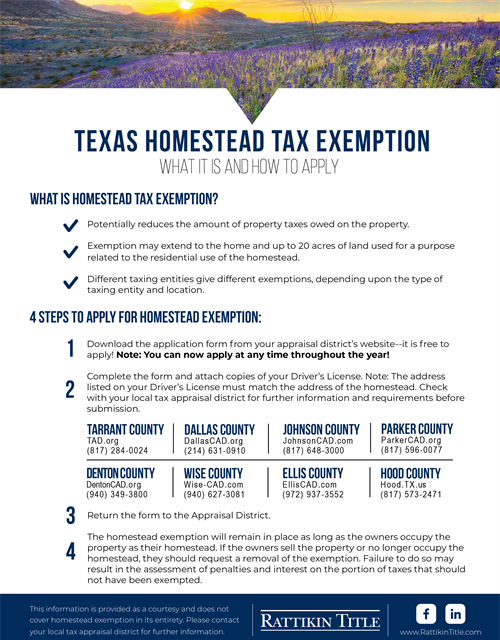
The concept of a homestead exemption in Texas is rooted in protecting homeowners from excessive property taxes. These exemptions remove a portion of your home’s value from taxation, effectively lowering your annual property tax bill. This makes homeownership more accessible and sustainable, bolstering the financial well-being of families across the state. In a state known for its diverse economy and vibrant cities like Houston, Dallas, Austin, and San Antonio, the homestead exemption serves as a vital tool for establishing a comfortable and secure lifestyle. Understanding “how much” the Texas homestead exemption is, therefore, isn’t just about a number; it’s about grasping a key element of sustainable living in one of America’s fastest-growing states.
Understanding the Texas Homestead Exemption as a Lifestyle Advantage
The Texas homestead exemption is a cornerstone of property owner protection and financial planning within the state. It functions by reducing the appraised value of your primary residence, which in turn lowers the amount of property tax you owe to various taxing entities such as school districts, cities, and counties. For those planning a long-term future in Texas, recognizing this benefit is essential for budget management and overall lifestyle stability.
The Foundational Benefit: How it Works
When you qualify for a homestead exemption, a specific dollar amount or percentage of your home’s value is subtracted before property taxes are calculated. For example, if your home is appraised at $300,000 and you qualify for a $40,000 school district exemption, your taxes will be calculated as if your home were worth $260,000 for school tax purposes. This reduction is not trivial; it can translate into significant annual savings, freeing up funds that can be reinvested into your home, saved for retirement, or used to enjoy the myriad lifestyle opportunities available throughout Texas. It’s a direct financial boon that enhances the affordability of homeownership, making it easier to maintain a desired standard of living. This reduction shields homeowners from the full brunt of rising property values, offering a measure of predictability in an otherwise dynamic real estate market.
Impact on Long-Term Financial Planning
From a lifestyle perspective, the homestead exemption is critical for long-term financial planning. It provides a degree of certainty regarding one of the largest ongoing costs of homeownership. This stability is particularly valuable for families, retirees, and individuals looking to establish roots. Lower property taxes mean lower monthly housing costs when factored into an escrow account, making budgeting simpler and more predictable. This allows homeowners to plan for larger life goals, such as saving for children’s education, pursuing hobbies, or enjoying extended travel, without the constant worry of an escalating tax burden. For many, the exemption allows them to afford a home in a desired school district or neighborhood that might otherwise be out of reach, directly influencing their lifestyle choices and access to community resources. It’s an incentive that encourages settling down and investing in a community, fostering a sense of belonging and long-term commitment.
Unpacking the Different Homestead Exemption Amounts
The “how much” question regarding the Texas homestead exemption isn’t a single, straightforward answer. Instead, it involves several types of exemptions, each with its own criteria and financial impact, designed to support various homeowner demographics. Understanding these distinctions is key to maximizing your financial advantage and securing your desired lifestyle in Texas.
The General Residence Homestead Exemption
This is the most common and universally applicable exemption for homeowners. As of recent legislative changes, the general residence homestead exemption for school district taxes has been significantly increased. Historically, it was $25,000, then raised to $40,000. Following legislation passed in 2023, the amount for school district taxes is now $100,000. This means that $100,000 of your home’s appraised value is exempted from school district property taxes.
- School District Exemption: $100,000. This is the most substantial portion and applies to all homeowners who qualify for a homestead exemption.
- County Exemption: Counties typically offer an exemption of at least $3,000 or 20% of the appraised value (whichever is greater), though some counties may offer more. For example, a home appraised at $300,000 might get a minimum of $60,000 (20%) exempted from county taxes if the county offers that percentage.
- City, Town, and Junior College District Exemption: These local taxing units have the option to offer a general residence homestead exemption of at least $5,000 or 20% of the home’s value, whichever is greater. The specific amount depends on the local government’s decision. For instance, the city of Houston or Dallas might offer a different amount than a smaller municipality.
It’s crucial to check with your specific local appraisal district (e.g., Travis Central Appraisal District for Austin or Harris County Appraisal District for Houston) to determine the exact exemptions offered by your city, county, and other local taxing entities. These local exemptions further reduce your overall tax burden, making homeownership in specific communities more attractive and affordable.
Understanding the 2023 Legislative Changes
The 2023 legislative session in Texas brought significant changes to property tax relief, primarily focused on the homestead exemption. The increase of the school district exemption to $100,000 was a major win for homeowners, directly translating into substantial savings on their largest property tax component. These changes were part of a broader effort to provide relief amidst rising property values, allowing existing homeowners to maintain their lifestyle without being taxed out of their homes, and making homeownership more attainable for prospective residents. This legislative commitment to property tax relief underscores the state’s dedication to supporting its residents’ long-term financial health and ensuring Texas remains an attractive place to live and work.
Eligibility and Application: Securing Your Lifestyle Benefits
Understanding the monetary value of the Texas homestead exemption is only one part of the equation; knowing how to qualify and apply for it is equally critical for securing these valuable lifestyle benefits. The application process is relatively straightforward, but adherence to specific criteria and deadlines is essential.
Who Qualifies for the Exemption?
To qualify for the general residence homestead exemption in Texas, you must meet two primary criteria:
- Ownership: You must own the home. The property must be in your name (or jointly with a spouse).
- Primary Residence: The home must be your principal residence on January 1st of the tax year for which you are applying. This means you primarily live there and do not claim another property as your homestead. You can only have one homestead exemption.
There are also specific types of exemptions for certain demographics, which are discussed in the next section, but the general criteria apply across the board for the primary residence homestead. This focus on primary residency ensures the exemption directly supports those who are establishing their long-term lifestyle and contributing to the local community.
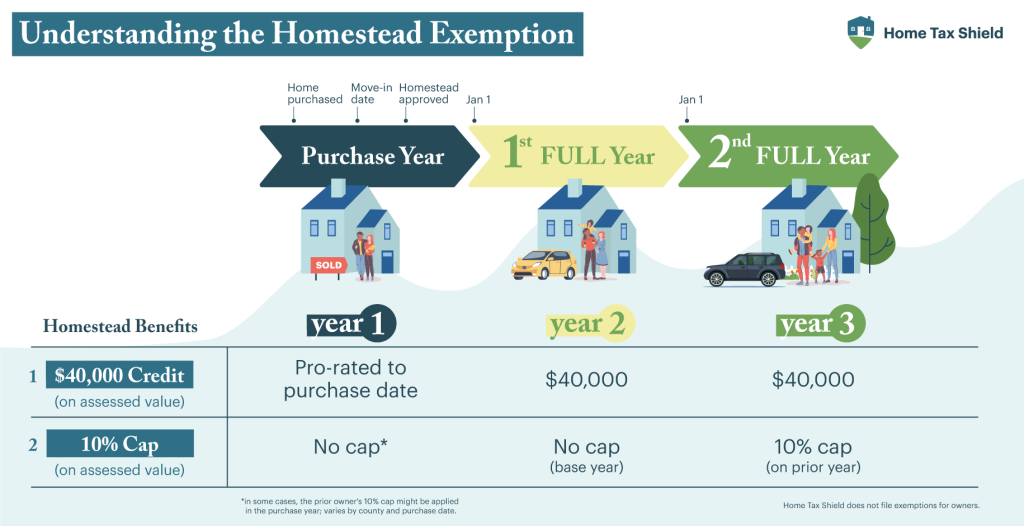
The Application Process and Deadlines
Applying for the homestead exemption is a crucial step to reduce your property tax burden. Here’s a general guide:
- Obtain the Application Form: You can typically download the “Application for Residential Homestead Exemption” form from your local county appraisal district’s website (e.g., Bexar Appraisal District for San Antonio, Tarrant Appraisal District for Fort Worth).
- Fill Out the Form Accurately: The application requires basic information about you and your property. You will need to provide proof of residency.
- Provide Proof of Residency: This is critical. Acceptable forms of proof typically include:
- A Texas driver’s license or state-issued identification card with the homestead property address.
- Vehicle registration with the homestead property address.
- Utility bills (gas, electric, water) showing the homestead property address for the preceding year.
- Voter registration card with the homestead property address.
- Submit by the Deadline: The general deadline to file for a homestead exemption is April 30th of the tax year for which you are applying. However, if you became eligible after January 1st (e.g., you purchased your home after January 1st but moved in by April 30th), you typically have up to one year from the date you occupy the home as your principal residence to file for the exemption. It is highly recommended to file as soon as you are eligible to avoid missing any deadlines.
- Review and Confirmation: Once filed, the appraisal district will review your application. If approved, the exemption will be applied to your property tax bill, and you should receive a notice of approval. The good news is that once approved, the general homestead exemption does not need to be re-filed annually unless the chief appraiser requests a new application to determine continued eligibility or your eligibility status changes (e.g., you sell the home).
Timely application ensures you start benefiting from reduced property taxes as soon as possible, solidifying the financial foundation of your Texas lifestyle.
Beyond the Basics: Special Exemptions for Enhanced Lifestyle
While the general residence homestead exemption is fundamental, Texas offers several additional, specialized exemptions that provide further financial relief to specific groups of homeowners. These targeted benefits can significantly enhance the lifestyle and financial stability of qualifying individuals, reflecting the state’s commitment to supporting its diverse population.
Exemptions for Over-65 and Disabled Homeowners
These are two of the most impactful additional exemptions:
- Age 65 or Older Exemption: If you are 65 years or older and own your home, you qualify for an additional homestead exemption. For school districts, this provides an additional $10,000 exemption on top of the general $100,000 exemption. Many cities, counties, and junior college districts also offer an additional exemption for over-65 homeowners, often a specific dollar amount (e.g., $10,000 or $15,000). A significant benefit of the over-65 exemption is the tax ceiling (also known as a tax freeze) for school district taxes. Once you qualify and apply for this exemption, your school taxes on that homestead cannot increase above the amount you paid in the year you qualified, regardless of how much your home’s value increases. This provides immense financial security for seniors living on fixed incomes, allowing them to maintain their lifestyle in their homes without fear of being taxed out due to rising property values.
- Disabled Person Exemption: Similar to the over-65 exemption, homeowners who are disabled (as defined by law, typically receiving disability benefits under the Federal Old Age, Survivors, and Disability Insurance Program or having a physician’s statement of disability) can also receive an additional $10,000 exemption for school districts. They also qualify for a school tax ceiling, offering the same invaluable financial stability as the over-65 exemption. Many local taxing units (cities, counties) also offer additional exemptions for disabled homeowners.
Applying for these special exemptions follows a similar process to the general homestead exemption, typically requiring proof of age or disability along with the standard application. These exemptions are critical for ensuring that vulnerable populations can comfortably age in place or manage their financial lives without undue property tax burdens, thus preserving their quality of life.
Exemptions for Disabled Veterans and Surviving Spouses
Texas proudly supports its veterans, offering significant property tax relief:
- Disabled Veteran Exemption: This exemption is based on the veteran’s disability rating from the U.S. Department of Veterans Affairs (VA). The exemption amount varies depending on the percentage of service-connected disability:
- 10-29% disability: $5,000 exemption
- 30-49% disability: $7,500 exemption
- 50-69% disability: $10,000 exemption
- 70-100% disability: $12,000 exemption
This exemption can be applied to any property the disabled veteran owns, not just their primary residence, though many choose to apply it to their homestead.
- 100% Disabled Veteran Exemption: Veterans with a 100% service-connected disability, or those who are unemployable, qualify for a 100% exemption of the appraised value of their homestead. This means they pay no property taxes on their home. This is a profound benefit that profoundly impacts the lifestyle and financial freedom of these deserving individuals.
- Surviving Spouses: The surviving spouse of a service member killed in action, or the surviving spouse of a 100% disabled veteran who qualified for the 100% exemption, may also continue to receive the exemption, provided they meet specific criteria (e.g., they don’t remarry).
These exemptions represent a profound commitment to those who have served, ensuring their sacrifice is recognized through tangible financial relief that significantly improves their lifestyle and well-being.
Navigating Property Taxes for a Fulfilling Texas Lifestyle
Understanding the homestead exemption is a crucial first step, but it exists within the broader context of Texas’s property tax system. A holistic approach to managing property taxes is key to ensuring a financially stable and fulfilling lifestyle in the state.
The Role of Appraisal Districts
Each county in Texas has an appraisal district responsible for appraising the value of all taxable property within the county. These appraisals form the basis for your property tax bill. It’s important to note that while the appraisal district determines your home’s value, it does not set the tax rates. Tax rates are set by various local taxing entities (school districts, cities, counties). The homestead exemption directly impacts the appraised value that these entities tax.
Homestead exemptions are applied by the appraisal district, reducing the value against which tax rates are applied. Therefore, interacting with your local appraisal district (e.g., Dallas Central Appraisal District) is essential for applying for exemptions and ensuring your property is correctly valued.
Appealing Your Property Value
Even with homestead exemptions, property values can rise significantly. If you believe your home’s appraised value is too high, you have the right to appeal it. The appraisal district sends out appraisal notices typically in April. If you disagree with the value, you can file a protest, usually by May 15th or 30 days after the notice is mailed (whichever is later). This process often involves presenting evidence to support a lower valuation (e.g., comparable sales of similar homes in your area, photos of needed repairs). Successfully appealing your property value, combined with your homestead exemptions, can further reduce your tax liability and contribute to your overall financial comfort and lifestyle stability.

The Bigger Picture: No State Income Tax
It’s important to remember that Texas is one of the few states with no state income tax. This absence of income tax is often cited as a major draw for residents and businesses alike, contributing to the state’s vibrant economy and robust job market. While property taxes in Texas can be higher than in some other states, the significant homestead exemptions and the absence of a state income tax often create a more favorable overall tax environment for many households, particularly for those with higher incomes. When evaluating the cost of living and financial implications of a Texas lifestyle, it’s crucial to consider this broader tax landscape, where property tax benefits like the homestead exemption play a key role in balancing the overall financial picture.
In conclusion, understanding “How Much Is The Texas Homestead Exemption?” goes far beyond a simple dollar figure. It’s about recognizing a powerful financial tool that safeguards homeowners, promotes stability, and significantly impacts the long-term lifestyle and financial well-being of residents across the Lone Star State. By leveraging these exemptions and actively managing their property taxes, Texans can enjoy a more affordable, secure, and fulfilling life in their chosen communities.
LifeOutOfTheBox is a participant in the Amazon Services LLC Associates Program, an affiliate advertising program designed to provide a means for sites to earn advertising fees by advertising and linking to Amazon.com. Amazon, the Amazon logo, AmazonSupply, and the AmazonSupply logo are trademarks of Amazon.com, Inc. or its affiliates. As an Amazon Associate we earn affiliate commissions from qualifying purchases.