
Arizona, often envisioned as an endless expanse of scorching desert, cactuses, and red rock formations, harbors a surprising secret: it is a profoundly mountainous state. While the iconic arid landscapes certainly exist, they represent only one facet of Arizona’s incredibly diverse topography. From sky-piercing volcanic peaks dusted with snow to rugged ranges cradling verdant forests and hidden oases, Arizona offers a mountainous terrain that rivals many traditional alpine destinations. For travelers seeking adventure, breathtaking vistas, or a respite from the desert heat, the presence of these majestic mountains transforms Arizona into a dynamic and multifaceted destination.
Arizona’s Surprising Mountainous Landscape: A Tapestry of Extremes
The perception of Arizona as solely a desert state is a common misconception that overlooks its remarkable geological complexity. This landlocked state boasts an impressive array of elevation changes, from mere hundreds of feet above sea level in its southwestern corners to more than 12,000 feet at its highest point. This dramatic variation is largely due to the pervasive presence of numerous mountain ranges that crisscross the state, each offering unique ecological zones, climates, and recreational opportunities.
A State of Extremes: From Desert Basins to Alpine Peaks
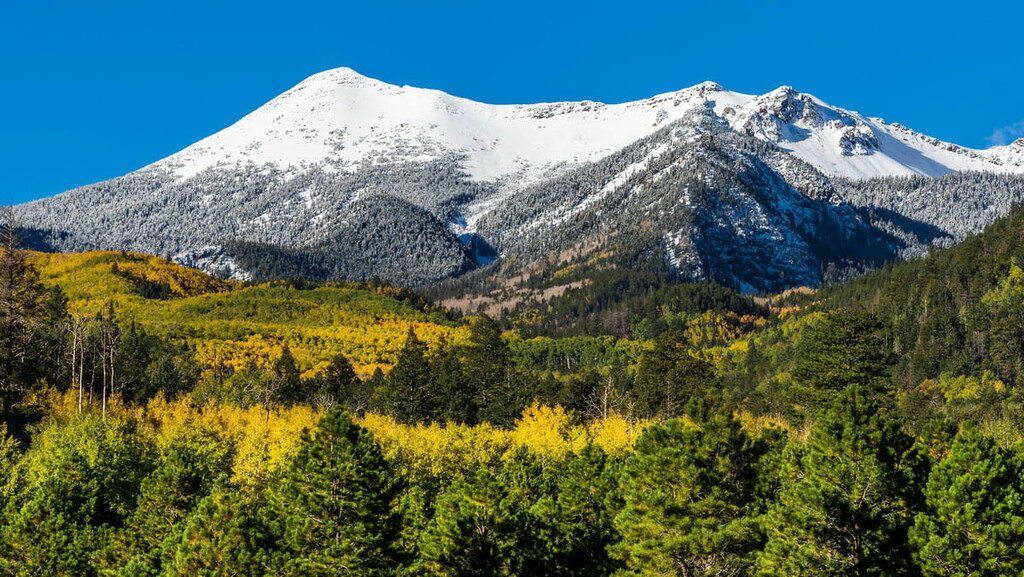
Arizona’s geographical makeup is a captivating study in contrasts. The state is fundamentally divided into three major physiographic provinces: the Colorado Plateau in the north, the Transition Zone across the center, and the Basin and Range Province in the south. Each of these regions contributes distinct mountainous features. The Colorado Plateau, for instance, is not just home to the Grand Canyon but also hosts significant mountain ranges formed by volcanic activity, such as the San Francisco Peaks. Here, pine forests thrive, and winter brings substantial snowfall, creating a landscape utterly distinct from the low-lying deserts.
The Transition Zone, living up to its name, is a rugged belt of mountains and canyons that bridges the high plateau with the lower desert basins. This area includes the dramatic Mogollon Rim, a 200-mile-long escarpment that defines a sharp boundary between the plateau and the central mountain ranges. South of this, the Basin and Range Province is characterized by numerous parallel mountain ranges separated by flat desert basins. This topographical pattern, a result of tectonic stretching and faulting, means that even in the heart of the desert, you are never far from a towering peak offering cooler temperatures and diverse ecosystems. These “sky islands,” as they are famously known, are crucial for biodiversity and offer incredible travel experiences.
The Sky Islands Phenomenon: Biodiversity Hotspots in the Desert
Perhaps one of the most remarkable and ecologically significant mountain features in Arizona is the “Sky Islands” phenomenon, particularly prevalent in the southeastern part of the state. These are isolated mountain ranges that rise dramatically from the surrounding desert lowlands, creating distinct ecological zones that mimic conditions found hundreds or even thousands of miles to the north. As elevation increases, temperatures drop, and precipitation changes, leading to a succession of life zones: from desert scrub at the base to grasslands, pine-oak woodlands, and even spruce-fir forests at the highest elevations.
The Chiricahua Mountains, the Santa Catalina Mountains near Tucson, and the Huachuca Mountains are prime examples of these sky islands. They serve as critical refugia for an astonishing array of plant and animal species, many of which are found nowhere else in the world. For travelers, this means an opportunity to experience multiple ecosystems within a single day’s drive, witnessing everything from desert reptiles to deer, bears, and a diverse population of migratory birds. The unique biodiversity and stunning scenic beauty of the sky islands make them a compelling reason to explore Arizona’s mountainous regions.
Top Mountain Ranges and Their Travel Appeal
Arizona’s mountains are not merely geographical features; they are destinations in themselves, each offering a distinct appeal to travelers. From snow-capped volcanic cones to rugged desert peaks, these ranges provide a stunning backdrop for exploration and adventure.
Northern Arizona’s Volcanic Wonders: The San Francisco Peaks
Dominating the landscape north of Flagstaff, the San Francisco Peaks represent the highest mountain range in Arizona. Humphreys Peak, at 12,633 feet, is the state’s highest point, offering panoramic views that stretch for hundreds of miles on a clear day. These peaks are the remnants of an ancient stratovolcano, now heavily eroded but still commanding.
For travelers, the San Francisco Peaks are synonymous with outdoor recreation. In winter, the slopes transform into a winter wonderland, home to Arizona Snowbowl, a popular ski resort offering skiing, snowboarding, and breathtaking views from its gondola. During warmer months, the mountain becomes a hiker’s paradise, with trails leading through aspen groves and conifer forests, culminating in challenging summit climbs. The scenic drives around the peaks are also popular, especially during autumn when the aspen leaves turn golden, creating a vibrant display of color.
Central Arizona’s Rugged Beauty: Bradshaw and Mazatzal Mountains
Moving into central Arizona, the landscape shifts to more rugged, forested mountains that bridge the gap between the northern plateau and southern deserts. The Bradshaw Mountains, located southwest of Flagstaff and north of Phoenix, are a significant range known for their rich mining history and extensive network of hiking and off-roading trails. The charming town of Prescott serves as an excellent base for exploring these mountains, offering a cooler climate and historic charm. Travelers can delve into ghost towns, explore old mines, or simply enjoy the cooler temperatures and Ponderosa pine forests.
Further east, the Mazatzal Mountains form a dramatic backdrop to the Verde Valley and are a designated wilderness area. These rugged peaks offer challenging hiking and backpacking experiences, with pristine creeks, diverse wildlife, and stunning views. The nearby red rocks of Sedona, though not traditionally classified as “mountains,” are part of the larger geological uplift that defines this central region, providing some of the most iconic and visually striking landscapes in the state, drawing visitors for hiking, spiritual retreats, and photography.
Southern Arizona’s Desert Peaks: Santa Catalina and Chiricahua Mountains
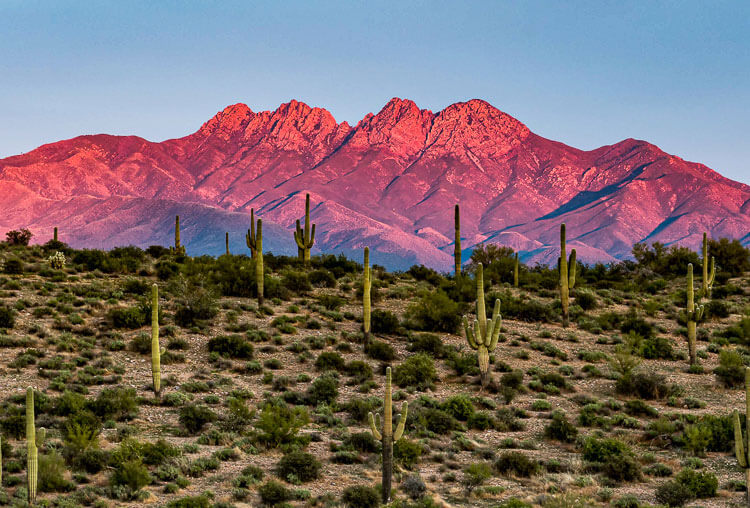
Southern Arizona redefines the concept of “desert mountains.” Here, ranges like the Santa Catalina Mountains rise directly from the Sonoran Desert floor, creating an immediate and striking contrast. Mount Lemmon, the highest point in the Catalinas, offers a remarkable drive known as the Sky Island Scenic Byway. This route takes travelers from saguaro cactus forests at its base through grasslands, pine forests, and eventually to alpine fir trees near the summit, all within an hour’s drive from Tucson. It’s a popular escape from the summer heat, offering hiking, camping, and even a small ski area in winter.

The Chiricahua Mountains, located further southeast, are another exemplary sky island. This range is renowned for its unique geological formations, particularly the “hoodoos” and balancing rocks within Chiricahua National Monument. The diverse ecosystems support an incredible array of birdlife, making it a hotspot for birdwatchers. The blend of desert flora and fauna with mountain ecosystems offers a truly unique travel experience, showcasing the stunning adaptability of life in Arizona’s varied terrain.
Activities and Experiences Among Arizona’s Mountains
The mountains of Arizona are not just beautiful to look at; they are playgrounds for adventurers and nature enthusiasts, offering a wide spectrum of activities across all seasons.
Hiking and Backpacking for Every Skill Level
With countless miles of trails, Arizona’s mountains are a hiker’s dream. From gentle interpretive paths suitable for families to strenuous, multi-day backpacking expeditions, there’s a route for every skill level. Popular destinations include the trails around Mount Lemmon in the Santa Catalina Mountains, the diverse network in Prescott’s Bradshaw Mountains, and the challenging ascent of Humphreys Peak in the San Francisco Peaks. Even within Saguaro National Park on the outskirts of Tucson, mountains rise dramatically, offering trails through majestic saguaro forests to higher, cooler elevations.
Winter Sports: Skiing and Snowboarding in the Desert State
It might surprise many that Arizona is home to several ski resorts. The premier destination is Arizona Snowbowl, nestled on the slopes of the San Francisco Peaks near Flagstaff. This resort offers a full range of winter sports, including skiing, snowboarding, and even scenic gondola rides with stunning views of the Grand Canyon on clear days. Other options include Sunrise Park Resort in the White Mountains of eastern Arizona, popular for family-friendly skiing. These mountain resorts provide a vibrant contrast to the state’s warm image, offering a unique opportunity to experience snow sports just hours from cactus-filled deserts.
Scenic Drives and Photography Opportunities
Arizona’s mountainous regions are crisscrossed by some of the most picturesque scenic drives in the country. The Sky Island Scenic Byway up Mount Lemmon is a quintessential example, offering dramatic changes in scenery and climate. Highway 89A between Flagstaff and Sedona winds through stunning canyons and forests, providing endless photographic opportunities. Other notable routes include the Coronado Trail Scenic Byway through the White Mountains and drives through the Chiricahua Mountains. These drives are perfect for capturing the diverse beauty of Arizona’s geology and varied ecosystems.
Wildlife Viewing and Nature Exploration
The ecological diversity of Arizona’s mountains makes them prime locations for wildlife viewing. From the high-elevation forests where elk, deer, and black bears roam, to the unique riparian corridors of the sky islands attracting hundreds of bird species, nature enthusiasts will find plenty to discover. The Chiricahua Mountains, in particular, are internationally renowned for their birdwatching opportunities, attracting species found nowhere else in the United States. Exploring these areas offers a chance to connect deeply with the natural world and appreciate Arizona’s hidden ecological treasures.
Planning Your Mountain Adventure in Arizona
Embarking on a mountain adventure in Arizona requires a bit of planning to ensure a safe and enjoyable experience, especially given the state’s extreme weather variations.
Best Seasons to Visit
The ideal time to visit Arizona’s mountains largely depends on the specific range and your planned activities. For high-elevation areas like the San Francisco Peaks and the White Mountains, summer (June-September) offers cooler temperatures perfect for hiking and camping, while winter (December-March) is prime for snow sports. In contrast, the lower and mid-elevation mountains, particularly those in southern Arizona like the Santa Catalina Mountains, are best explored in the spring (March-May) and fall (October-November) when temperatures are pleasant for hiking. Even in winter, these southern ranges offer comfortable conditions for outdoor activities, providing a sunny escape from colder climates.
Essential Gear and Safety Tips
Regardless of the season, preparedness is key. Always carry plenty of water, as even in the mountains, hydration is crucial, especially at higher altitudes. Layered clothing is advisable due to rapid temperature changes from day to night or between different elevations. Sun protection – hats, sunglasses, and sunscreen – is essential year-round. For hiking, sturdy footwear is a must, and a map, compass or GPS device, and a first-aid kit should always be in your pack. Be aware of local wildlife, particularly venomous snakes and scorpions at lower elevations, and larger mammals like bears and mountain lions in forested areas. Check weather forecasts before heading out, as sudden thunderstorms can occur, particularly during the summer monsoon season. Inform someone of your hiking plans and expected return time.
Gateway Cities and Accommodation Options
Major cities like Flagstaff, Prescott, and Tucson serve as excellent gateways to Arizona’s mountainous regions, offering a wide range of accommodation options from luxury resorts to charming bed and breakfasts and budget-friendly hotels. Each city has its unique character and provides convenient access to different mountain ranges. Phoenix, while a large metropolitan area, also has numerous mountain preserves within its city limits, such as the Phoenix Mountains Preserve, offering urban hiking and stunning city views. Camping and cabin rentals are also popular options within national forests and state parks located in the mountains, allowing for a deeper immersion into nature.
Conclusion
So, does Arizona have mountains? Emphatically, yes! Far from being a flat desert, Arizona is a land of majestic peaks, diverse mountain ranges, and dynamic ecosystems. These mountains offer an extraordinary array of travel experiences, from exhilarating winter sports and challenging hikes to serene scenic drives and unparalleled wildlife viewing. They provide a stunning counterpoint to the state’s more famous desert landscapes, offering cooler temperatures, lush forests, and a sense of awe-inspiring grandeur. For any traveler seeking a destination rich in natural beauty, adventure, and surprising geographical diversity, Arizona’s mountains stand ready to be explored, promising memories that extend far beyond the typical desert postcard.
LifeOutOfTheBox is a participant in the Amazon Services LLC Associates Program, an affiliate advertising program designed to provide a means for sites to earn advertising fees by advertising and linking to Amazon.com. Amazon, the Amazon logo, AmazonSupply, and the AmazonSupply logo are trademarks of Amazon.com, Inc. or its affiliates. As an Amazon Associate we earn affiliate commissions from qualifying purchases.