
The quintessential image of Arizona often features scorching desert landscapes, towering saguaros under a relentless sun, and year-round warmth. This perception, while accurate for significant portions of the state, tells only half the story. The truth is far more nuanced: Arizona is a state of dramatic climatic contrasts, where you can find yourself basking in gentle winter sun in the morning and building a snowman just a few hours’ drive away in the afternoon. So, does it get cold in Arizona? Absolutely, and understanding where and when is key to unlocking the full spectrum of travel experiences this remarkable state offers. For prospective visitors, grasping Arizona’s diverse climate is not just a matter of curiosity; it’s essential for planning, packing, and making the most of your adventure in the Grand Canyon State. Far from being a monolithic hot desert, Arizona boasts a complex tapestry of environments, from low-lying desert valleys to alpine peaks, each with its own distinct seasonal rhythm. This climatic variety means that while snowbirds flock to the southern deserts for warmth, winter sports enthusiasts head north for powder, and summer adventurers seek refuge in cooler mountain towns.
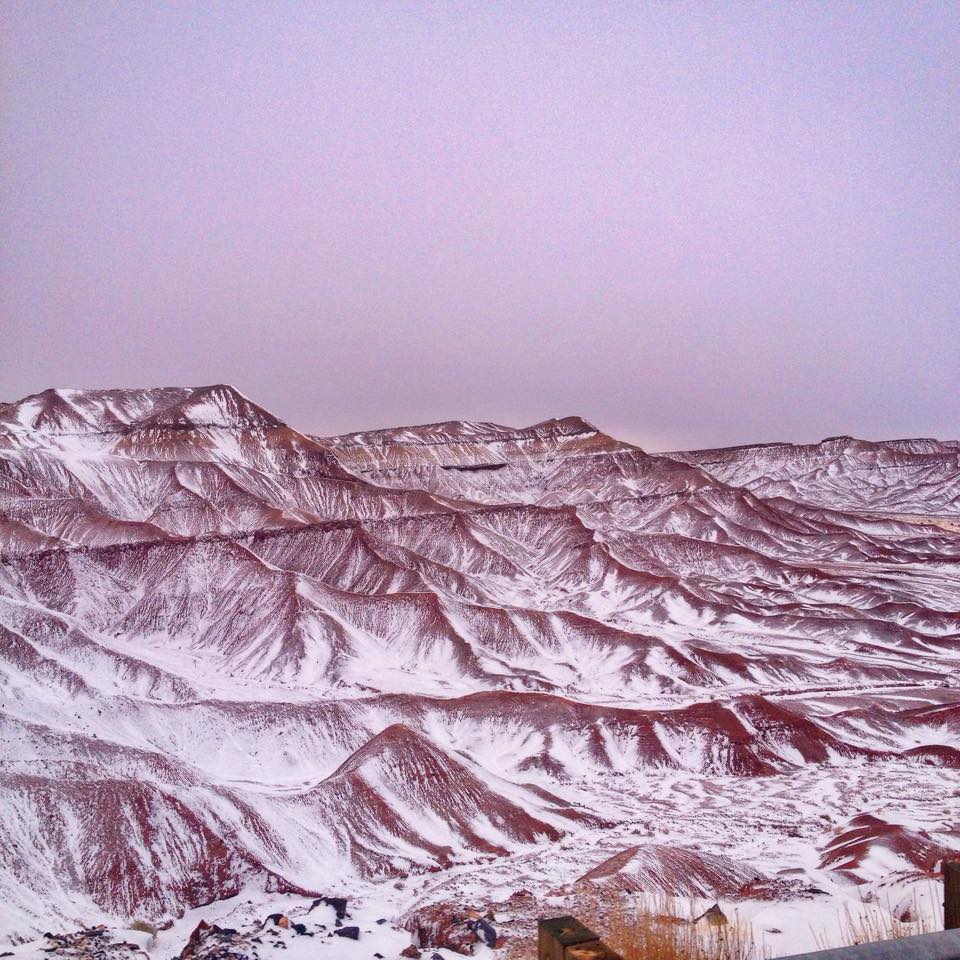
The Myth vs. The Reality: Arizona’s Climatic Tapestry
The popular imagination frequently paints Arizona with a broad brushstroke of arid heat, a picture largely informed by its most populous metropolitan areas. However, this simplistic view overlooks the profound impact of geography and elevation, which sculpt a remarkably varied climate across the state.
Decoding the Desert Stereotype
It’s undeniable that cities like Phoenix and Tucson, situated in the Sonoran Desert, experience intensely hot summers and delightfully mild winters. These regions are indeed quintessential deserts, characterized by low humidity, abundant sunshine, and extreme temperature fluctuations between day and night, even in cooler months. In Phoenix, for example, winter daytime temperatures often hover in the pleasant 60s and 70s Fahrenheit (15-25°C), making it a prime destination for outdoor activities and an escape from colder northern climates. Tucson offers a similar, if slightly cooler, winter experience. This consistent warmth in the southern half of the state largely fuels the “Arizona is always hot” stereotype. Yet, this narrative neglects the vast, geographically distinct northern and eastern portions of the state, where elevation dramatically redefines the climatic reality.
The Influence of Elevation and Geography
Arizona’s diverse topography is the primary architect of its varied weather patterns. The state is a geological marvel, transitioning from vast desert basins in the south to high plateaus and sky-scraping mountain ranges in the north and east. The general rule of thumb is straightforward: the higher the elevation, the colder the temperatures.
The Colorado Plateau, covering much of northern Arizona, sits at an average elevation of 5,000 to 7,000 feet (1,500 to 2,100 meters). This vast expanse includes iconic natural wonders such as the Grand Canyon National Park and the vibrant ponderosa pine forests around Flagstaff. Here, winters are unequivocally cold, often featuring significant snowfall and freezing temperatures.
Further south, slicing diagonally across the state, is the Mogollon Rim, a 200-mile-long escarpment that marks the southern edge of the Colorado Plateau. Elevations along the Mogollon Rim can exceed 7,000 feet (2,100 meters), creating a distinct transition zone with cooler, more forested environments compared to the deserts below. Towns like Pinetop-Lakeside and Greer in the White Mountains embody this cooler, high-altitude climate. Even in central Arizona, cities like Prescott enjoy a significantly milder climate than Phoenix due to its higher elevation, experiencing four distinct seasons, including occasional winter snow. This intricate geographic layout means that travelers can choose their desired climate simply by adjusting their elevation.
Winter in the Grand Canyon State: Expect the Unexpected
Winter in Arizona is perhaps the season that most dramatically challenges the state’s desert stereotype. While southern parts offer a warm escape, the northern half transforms into a genuine winter wonderland, providing a stark contrast that surprises many first-time visitors.
Northern Arizona: A Winter Wonderland
Venture into northern Arizona during the winter months, and you’ll encounter a landscape completely different from the saguaro-studded deserts. Cities like Flagstaff, nestled at over 7,000 feet (2,100 meters) at the base of the San Francisco Peaks, routinely experience heavy snowfall and sustained freezing temperatures from November through March. Average high temperatures in Flagstaff during January typically hover in the low 40s Fahrenheit (4-7°C), with lows frequently dipping into the teens (-9 to -12°C).
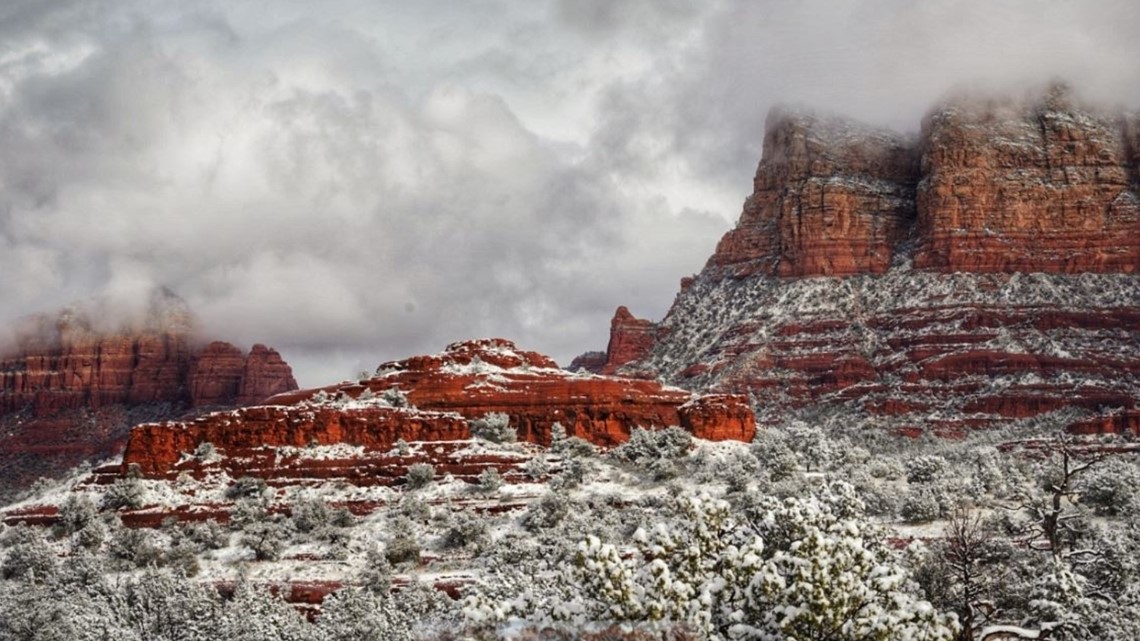
The areas around Flagstaff and Williams become hubs for winter recreation. Arizona Snowbowl, located just outside Flagstaff, offers excellent skiing and snowboarding opportunities with stunning views of the surrounding peaks. The Grand Canyon National Park’s South Rim, though accessible year-round, often receives significant snowfall, creating breathtaking, snow-dusted vistas of the canyon’s immense chasm—a truly magical and less crowded experience. Other northern towns, such as Payson and Sedona (at slightly lower elevations), also experience occasional snow flurries and crisp, cold air, adding to their scenic beauty.
Travelers planning a winter trip to northern Arizona must be prepared for winter driving conditions, including potential road closures and the need for appropriate tires or chains, especially on routes leading to higher elevations. Warm, waterproof clothing, layers, and sturdy footwear are essential for enjoying the crisp air and snow-covered landscapes.
Central and Southern Arizona: Mild Winters, Chilly Nights
While northern Arizona embraces winter, central and southern regions enjoy a much milder season, which is precisely why they are so popular with winter visitors. Cities like Phoenix, Tucson, and Yuma boast abundant sunshine and comfortable daytime temperatures, often ranging from the mid-60s to low 70s Fahrenheit (18-24°C). This ideal weather is perfect for hiking, golfing, exploring desert trails, and generally escaping the harsh conditions found elsewhere in the country.
However, even in these warm desert locales, “cold” is a relative term that often applies to the nights and early mornings. Due to the desert’s low humidity and clear skies, temperatures can drop dramatically after sunset. It’s not uncommon for winter nights in Phoenix or Tucson to dip into the 30s and 40s Fahrenheit (0-10°C), and even below freezing on occasion. While snow is an exceedingly rare event in these areas, a heavy frost is not uncommon. Travelers visiting the Sonoran Desert in winter should pack layers, including a warm jacket or sweater, to stay comfortable during evening outings or early morning explorations. The contrast between sunny, mild days and surprisingly chilly nights defines winter in Arizona’s lower elevations, offering a unique opportunity to enjoy comfortable daytime activities and cozy evenings by a firepit.
Seasonal Variations and Best Times to Visit for Specific Climates
Understanding Arizona’s climate across the year is crucial for tailoring your travel plans to your preferred weather experience. Each season brings distinct characteristics, offering different facets of the state’s natural beauty and recreational opportunities.
Spring and Fall: The Golden Seasons
For many, spring (March to May) and fall (October to November) represent the absolute best times to visit most of Arizona. During these shoulder seasons, the entire state generally enjoys pleasant temperatures, making it ideal for a wide range of activities without the extremes of summer heat or winter cold.
In the southern deserts, temperatures are comfortably warm, perfect for hiking in Saguaro National Park or exploring the vibrant arts scene in Scottsdale. Wildflowers burst into bloom in spring, painting the desert landscape with ephemeral colors, while fall brings crisp, clear air. Cities like Sedona and Prescott, with their higher elevations, offer glorious weather – warm days and cool, refreshing nights, perfect for exploring red rock trails or historic downtowns. Northern Arizona, including the Grand Canyon, experiences mild to cool temperatures, ideal for sightseeing and enjoying the vivid autumnal foliage. These seasons provide the sweet spot where the entire state is largely accessible and enjoyable, catering to travelers seeking balance and comfort.
Summer: Intense Heat and Monsoons (And Cooler Escapes)
Summer in Arizona, from June through September, is dominated by two primary climatic phenomena: intense heat in the lower deserts and the arrival of the monsoon season.
The desert cities of Phoenix, Tucson, and Yuma experience scorching temperatures, routinely exceeding 100°F (38°C) and often climbing to 110°F (43°C) or higher. Daytime outdoor activities are best limited to early mornings or evenings, with afternoons spent by the pool, indoors at museums, or enjoying air-conditioned attractions. Hydration and sun protection are paramount during this period.
Around mid-July, the summer monsoon season typically arrives, bringing dramatic afternoon thunderstorms, heavy rains, strong winds, and spectacular lightning displays. While these storms offer a temporary reprieve from the heat and clean the desert air, they can also cause flash floods, particularly in washes and canyons, and create hazardous driving conditions. Travelers should always heed weather warnings and avoid venturing into areas prone to flooding.
Crucially, while the deserts swelter, Arizona’s higher elevations become popular summer escapes. Places like Flagstaff, Pinetop-Lakeside, Greer, and the White Mountains enjoy significantly cooler temperatures, often in the 70s and 80s Fahrenheit (21-30°C), making them ideal for camping, hiking, and other outdoor pursuits. This “vertical escape” strategy is a hallmark of Arizona living and a valuable tip for summer travelers.
Preparing for Arizona’s Varied Temperatures: Travel Tips
Given Arizona’s remarkable climatic diversity, smart preparation is essential for a comfortable and enjoyable trip. Regardless of your destination or the time of year, a few universal principles will serve you well.
Layering is Key
The golden rule for packing for Arizona is to embrace layers. Due to the significant temperature swings between day and night, especially in the deserts, and the dramatic differences across elevations, having versatile clothing options is crucial. For desert visits, even in winter, light, breathable fabrics for daytime comfort are advisable, but always include a warm jacket, sweater, or fleece for chilly evenings and early mornings. If you plan to visit northern Arizona in winter, waterproof outer layers, thermal wear, hats, gloves, and sturdy, waterproof boots are indispensable. Even during spring or fall trips that might include both desert and mountain excursions, packing clothing that can be easily added or removed will ensure you’re prepared for any microclimate.
Checking Forecasts and Road Conditions
Before and during your trip, make it a habit to check the local weather forecasts for your specific Arizona destinations. A forecast for Phoenix will be vastly different from one for Flagstaff on the same day. For those planning to drive through mountainous regions, particularly during winter, consulting road conditions is critical. The Arizona Department of Transportation (ADOT) provides real-time updates on road closures, snow levels, and other pertinent information, which can be invaluable for safe travel. Being informed allows you to adjust your itinerary or packing list as needed, avoiding unexpected weather-related challenges.
Hydration and Sun Protection Year-Round
Regardless of the temperature or season, the dry climate of Arizona means that hydration is always a top priority. Always carry ample water, especially when engaging in outdoor activities, even if it feels cool outside. The low humidity can lead to rapid dehydration without you realizing it. Similarly, Arizona boasts an average of 300 sunny days a year, meaning sun protection is not just for summer. High-SPF sunscreen, wide-brimmed hats, and sunglasses are essential year-round to protect against the strong UV rays, even on cloudy or cooler days. These simple precautions can significantly enhance your comfort and safety during your Arizona adventure.
In conclusion, the answer to “Does it get cold in Arizona?” is a resounding yes, but with crucial caveats. This vibrant state defies its desert stereotype with a breathtaking range of climates, from scorching summer low deserts to snowy winter peaks. Its unique geography ensures that almost any type of weather can be found within its borders at any given time of year. For travelers, this climatic diversity is not a hindrance but a compelling invitation. By understanding the nuances of Arizona’s weather patterns and preparing accordingly, you can curate an unforgettable journey, whether you’re seeking the warmth of a desert winter, the cool refuge of mountain summers, or the perfect mild conditions of spring and fall across its varied landscapes. Arizona truly offers a climate for every preference, making it a dynamic and endlessly fascinating travel destination.
LifeOutOfTheBox is a participant in the Amazon Services LLC Associates Program, an affiliate advertising program designed to provide a means for sites to earn advertising fees by advertising and linking to Amazon.com. Amazon, the Amazon logo, AmazonSupply, and the AmazonSupply logo are trademarks of Amazon.com, Inc. or its affiliates. As an Amazon Associate we earn affiliate commissions from qualifying purchases.