
The question “How far is Arizona from Los Angeles?” is more than a simple geographical query; it’s the first step in planning an exciting journey across the American Southwest. For many, the vast expanse between the bustling metropolis of Los Angeles, California, and the diverse landscapes of Arizona represents an opportunity for adventure, relaxation, or business. This article serves as your comprehensive guide to understanding the distance, travel times, and various transportation options, transforming a mere question into a meticulously planned itinerary.
Arizona, known as the Grand Canyon State, offers a stark contrast to the Pacific coast vibes of Los Angeles. From the scorching desert beauty of Phoenix and Tucson to the pine-clad mountains of Flagstaff and the iconic depths of the Grand Canyon, it’s a state rich in natural wonders, vibrant culture, and unique experiences. Understanding the logistics of getting there is paramount, whether you’re eyeing a quick flight for a business meeting or plotting an epic road trip to explore the desert’s hidden gems.
The Geographic Reality: Distance and Driving Time
Arizona is not a single point but a large state, meaning the distance from Los Angeles varies significantly depending on your specific destination within Arizona. However, most travelers journeying from Southern California typically head towards the major urban centers or the iconic natural attractions of the state.
Understanding the Variable Distance
When considering the journey from Los Angeles, the most common entry points into Arizona are its two largest cities, Phoenix and Tucson, or the universally celebrated Grand Canyon. Each offers a distinct travel experience and, consequently, a different travel distance and time commitment. For instance, the distance to the state capital, Phoenix, will be considerably less than trekking all the way to the northern reaches where the Grand Canyon resides. This variability underscores the importance of pinpointing your ultimate destination within the Grand Canyon State before setting out.
Key Routes and Mileage Estimates
The primary artery connecting Los Angeles to much of Arizona is Interstate 10 (I-10). This major freeway traverses Southern California and continues eastward, bringing travelers directly into the heart of Arizona’s desert landscape.
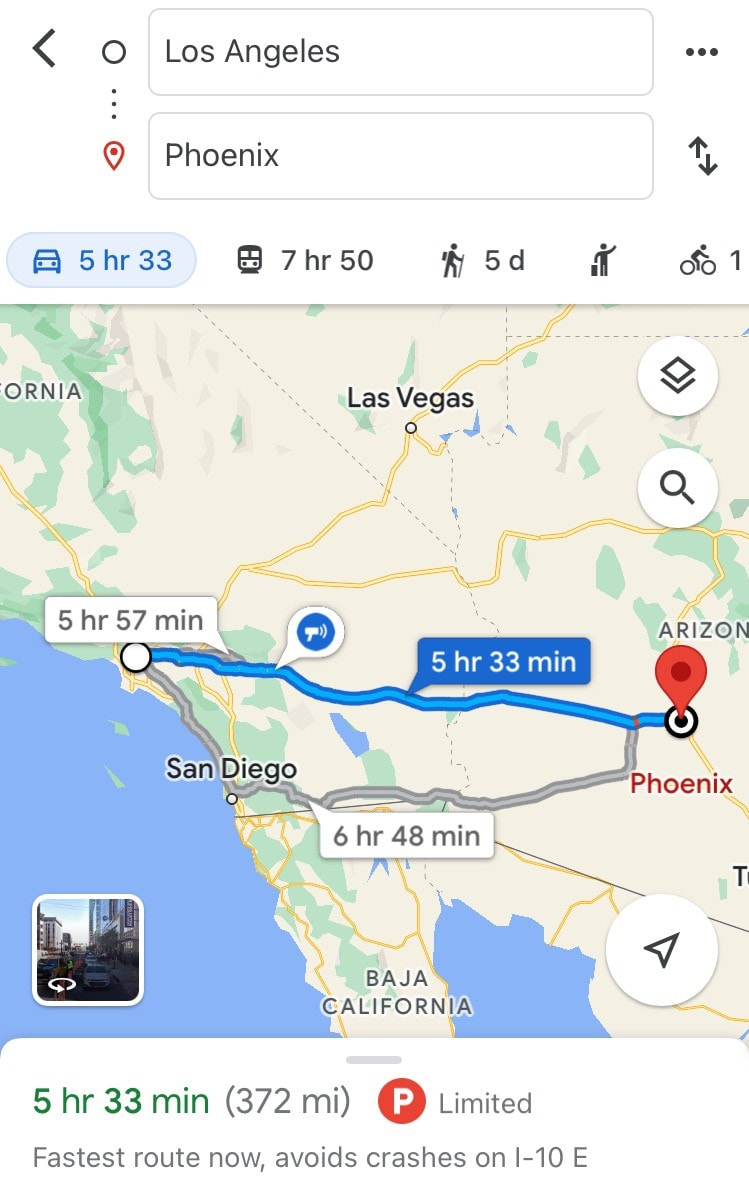
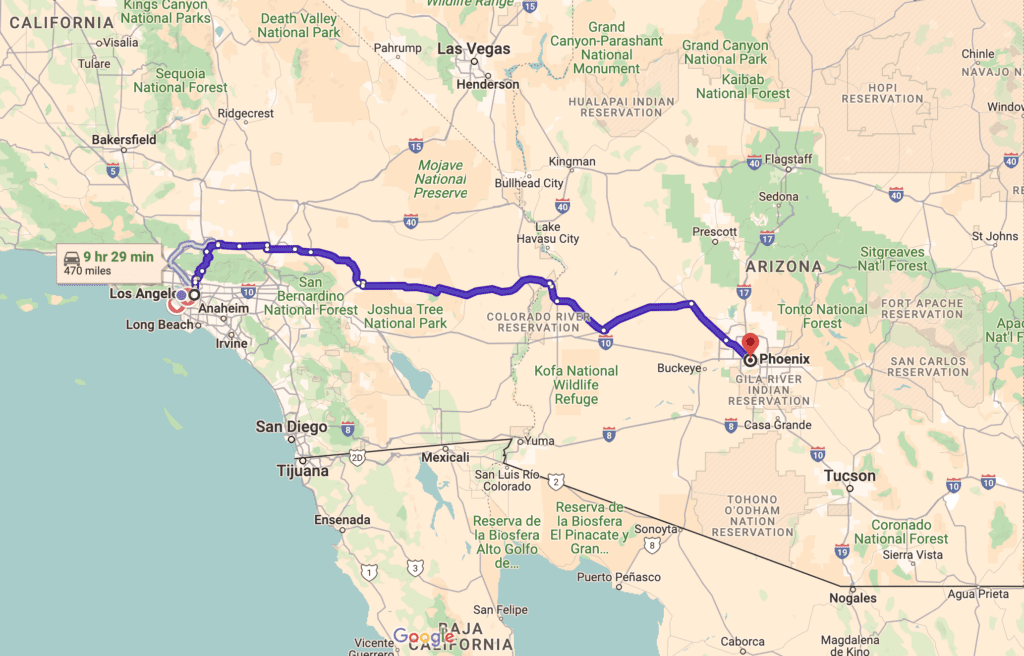
- Los Angeles to Phoenix: This is the most frequently traveled route. The distance typically ranges from 370 to 400 miles, depending on your exact starting point in Los Angeles and destination in Phoenix. Driving time usually clocks in at 6 to 7 hours, without significant stops or traffic delays. The entire journey is predominantly via I-10, offering a direct and relatively straightforward path.
- Los Angeles to Tucson: Continuing southeast past Phoenix on I-10 will lead you to Tucson. The total distance is approximately 470 to 500 miles, which translates to a driving time of 7 to 8 hours. This route takes you deeper into the Sonoran Desert, offering picturesque views as you progress.
- Los Angeles to Grand Canyon South Rim: For those venturing to the awe-inspiring Grand Canyon South Rim, the journey is considerably longer. The distance is roughly 490 to 500 miles, requiring an estimated 8 to 9 hours of driving. This route typically involves taking I-40 eastward from Barstow (which you can reach via I-15 from Los Angeles) and then heading north on Highways 64 or 180 to the South Rim entrance.
Factors Affecting Travel Time
While these estimates provide a solid baseline, several factors can significantly alter your actual travel time:
- Traffic: Los Angeles is infamous for its traffic congestion, especially during rush hours. Departing early in the morning or late in the evening can help avoid significant delays. Similarly, traffic around Phoenix can be heavy, particularly on weekdays.
- Road Construction: Ongoing road work along major interstates like I-10 or I-40 can lead to lane closures and slowdowns. Checking real-time traffic apps before and during your journey is highly recommended.
- Rest and Fuel Stops: It’s crucial to factor in time for breaks, meals, and refueling. While the estimates are for continuous driving, planning at least two or three stops for a 6-9 hour drive is wise for safety and comfort.
- Weather Conditions: While Arizona is known for its sunshine, flash floods during monsoon season (summer) can affect road conditions. In higher elevations, like near the Grand Canyon, winter brings snow and ice, potentially slowing travel.
Navigating the Journey: Transportation Options
Beyond the classic American road trip, several other modes of transport offer different advantages for traveling between Los Angeles and Arizona, catering to various budgets and preferences.
Driving: The Most Popular Choice
Driving remains the favored option for many, primarily due to its unparalleled flexibility and the opportunity to explore at one’s own pace. For families or groups, it can also be the most cost-effective solution when splitting fuel costs.
- Flexibility and Exploration: A car allows you to deviate from the main highway to discover roadside attractions, charming small towns, or scenic viewpoints. You can stop whenever you wish for photos, meals, or simply to stretch your legs.
- Road Trip Essentials: Before embarking on a drive, ensure your vehicle is in good condition. Check tire pressure, oil, and coolant levels. Pack plenty of water, especially for summer travel, as temperatures in the desert can soar. A good GPS or navigation app is indispensable, along with a physical map as a backup for areas with spotty cell service. Consider bringing snacks, a first-aid kit, and entertainment for passengers.
Flying: The Fastest Option
For those prioritizing speed and convenience, flying is undoubtedly the quickest way to bridge the distance between Los Angeles and Arizona.
- Major Airports: From Los Angeles International Airport (LAX), you can find numerous direct flights to Phoenix Sky Harbor International Airport (PHX) and Tucson International Airport (TUS).
- Flight Duration: The actual flight time from LAX to PHX is typically around 1 hour and 15 minutes to 1 hour and 30 minutes. To TUS, it’s slightly longer, ranging from 1 hour and 30 minutes to 1 hour and 45 minutes.
- Considerations: While the flight itself is fast, remember to factor in time for getting to the airport, security checks, boarding, and then ground transportation from the arrival airport to your final destination. For shorter distances or if you need a car at your destination, the total door-to-door time might not be dramatically different from driving, especially if you consider the costs of airfare and car rental.
Bus Services: A Budget-Friendly Alternative
Bus travel offers a economical solution, especially for solo travelers or those on a tighter budget. Companies like Greyhound operate regular routes between Los Angeles and various cities in Arizona.
- Routes and Travel Times: A bus journey from Los Angeles to Phoenix can take anywhere from 7 to 9 hours, depending on the number of stops and transfers. Travel to Tucson will be longer, often exceeding 10 hours.
- Comfort and Amenities: While modern buses offer reclining seats, Wi-Fi, and power outlets, the journey is longer and less flexible than driving. It’s a great option for those who prefer to sit back and let someone else handle the navigation.
Train Travel: A Scenic but Slower Pace
For a unique and leisurely travel experience, train services provide an alternative that prioritizes scenic views and comfort over speed. Amtrak operates routes that connect Southern California to Arizona.
- The Southwest Chief: This iconic Amtrak route travels from Los Angeles eastward, with stops in northern Arizona cities like Kingman, Flagstaff, and Winslow. From Flagstaff, it’s possible to connect to the Grand Canyon via shuttle or rental car.
- Travel Time: Train journeys are significantly longer than driving or flying. For example, the train ride to Flagstaff can take around 10-12 hours. However, passengers enjoy spacious seating, dining cars, and the chance to view the changing landscapes without the stress of driving. This option is ideal for those who consider the journey itself part of the vacation.
What to See Along the Way: Road Trip Highlights
If you opt for a road trip, the journey from Los Angeles to Arizona is rich with potential detours and attractions. The landscape transforms dramatically, offering a taste of California’s desert beauty before plunging into Arizona’s unique ecosystems.
Southern California Gems
Before even crossing the state line, Southern California offers some compelling stops.
- Palm Springs: A mid-century modern oasis about two hours east of Los Angeles, known for its resorts, golf courses, and vibrant arts scene. It’s a great place for a quick break or an overnight stay.
- Joshua Tree National Park: A stunning natural preserve located a bit north of I-10, famous for its unique Joshua trees, rock formations, and incredible stargazing opportunities. It’s an ideal detour for hikers and nature lovers.
Desert Landscapes and Small Towns
As you delve deeper into the desert, the scenery shifts, offering a different kind of beauty.
- Salton Sea: If you take a more southern route (like I-8 through Imperial Valley to connect with I-10 further east or just for an experience), the Salton Sea offers a peculiar and haunting landscape, a unique ecological curiosity in California’s desert.
- Colorado River Crossings: You’ll cross the mighty Colorado River, which marks the border between California and Arizona. Areas like Lake Havasu City (a short detour north if you’re on I-40) are famous for the relocated London Bridge and water activities.
Unique Arizona Stops
Once in Arizona, the options for exploration expand significantly.
- Hoover Dam: If your route takes you north towards Las Vegas before heading to the Grand Canyon, the Hoover Dam is an engineering marvel worth visiting.
- Sedona: While requiring a significant detour north from I-10 or south from I-40 (near Flagstaff), Sedona is renowned for its stunning red rock formations, spiritual vortexes, and vibrant arts community. It’s an unforgettable stop.
- Petrified Forest National Park: Located in eastern Arizona along I-40, this park is a striking landscape of colorful petrified wood, badlands, and archaeological sites. It’s a fantastic geological wonder.
Planning Your Arizona Adventure from Los Angeles
A well-planned trip ensures a smooth and enjoyable experience, regardless of your chosen mode of transportation.
Choosing Your Destination
Arizona is a state of incredible contrasts. Decide what kind of experience you’re seeking:
- Urban Excitement: Phoenix and Tucson offer museums, culinary scenes, vibrant nightlife, and desert botanical gardens.
- Natural Wonders: The Grand Canyon, Sedona’s red rocks, Monument Valley, and Antelope Canyon offer breathtaking landscapes.
- Outdoor Activities: Hiking, mountain biking, kayaking on the Colorado River, or exploring the vast desert preserves.
Best Time to Travel
The climate in Arizona varies significantly by season and elevation.
- Spring (March-May) and Fall (September-November): These are generally the ideal times to visit, especially for the desert regions. Temperatures are pleasant, and the desert wildflowers bloom in spring.
- Summer (June-August): The desert cities of Phoenix and Tucson experience extreme heat (often over 100°F). However, this is also monsoon season, bringing dramatic thunderstorms. The northern parts of the state, like the Grand Canyon and Flagstaff, are much cooler and popular during summer.
- Winter (December-February): Mild in the desert regions, making it a great escape from colder climates. However, northern Arizona (e.g., Grand Canyon) can experience snow and freezing temperatures, which can impact road travel and access to certain areas.
Essential Packing Tips
Given the diverse climate, strategic packing is key:
- Sun Protection: Sunscreen, hats, and sunglasses are essential year-round, especially in the intense desert sun.
- Hydration: Always carry more water than you think you’ll need, particularly if hiking.
- Layers: Temperatures can fluctuate dramatically between day and night, even in the desert. Pack layers that can be easily added or removed.
- Comfortable Shoes: For exploring cities or hiking trails, comfortable walking shoes are a must.
- Navigation: While cell service is generally good on major routes, it can be spotty in remote areas. Download offline maps or bring a physical map.

Budgeting for Your Trip
Consider all potential expenses when planning your trip:
- Transportation: Fuel costs, car rental, airfare, bus or train tickets.
- Accommodation: Hotels, resorts, vacation rentals, or camping fees.
- Food: Dining out, groceries for snacks and picnic lunches.
- Activities: Entrance fees for national parks, museums, tours, and entertainment.
- Miscellaneous: Souvenirs, emergency funds.
The distance from Los Angeles to Arizona is a manageable journey, whether you prefer the speed of a flight, the economy of a bus, the leisure of a train, or the freedom of a road trip. With careful planning and an understanding of the diverse landscapes awaiting you, your trip to the Grand Canyon State promises to be an unforgettable adventure. Embark on your journey, and discover the natural beauty and rich culture that lie just a few hundred miles east of the Pacific coast.
LifeOutOfTheBox is a participant in the Amazon Services LLC Associates Program, an affiliate advertising program designed to provide a means for sites to earn advertising fees by advertising and linking to Amazon.com. Amazon, the Amazon logo, AmazonSupply, and the AmazonSupply logo are trademarks of Amazon.com, Inc. or its affiliates. As an Amazon Associate we earn affiliate commissions from qualifying purchases.