
The name Joe Montana is synonymous with gridiron greatness, a legendary quarterback whose career is etched in the annals of American football. While his on-field prowess is widely celebrated, understanding the teams he represented offers a fascinating glimpse into the evolution of professional sports and the iconic franchises that shaped his unparalleled legacy. This exploration delves into the professional affiliations of “Joe Cool,” tracing his journey through the vibrant landscapes and historic stadiums that bore witness to his enduring impact.
The San Francisco 49ers: A Dynasty Forged
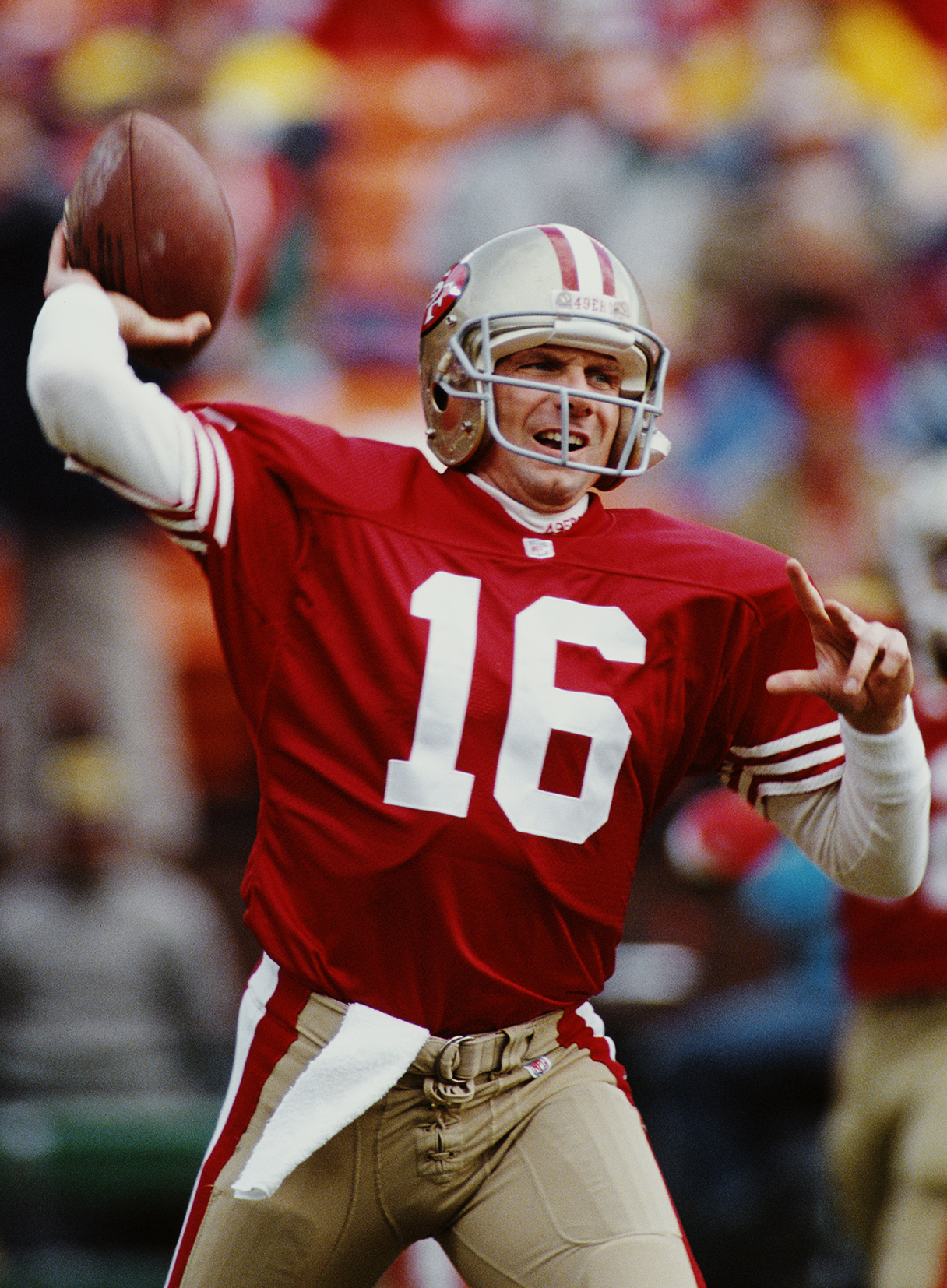
Joe Montana’s professional career is indelibly linked to the San Francisco 49ers, the team that drafted him and where he cemented his status as one of the greatest quarterbacks of all time. His tenure with the red and gold represents a golden era for the franchise, marked by an unprecedented level of success and a series of iconic performances.
Drafting a Legend in the Bay Area
In the 1979 NFL Draft, the San Francisco 49ers selected Joseph Clifford Montana Jr. in the third round, 82nd overall. This decision, at the time, might not have seemed like the birth of a dynasty, but it proved to be one of the most astute personnel moves in sports history. Montana, a standout from the University of Notre Dame, brought a blend of intelligence, accuracy, and poise that would define his playing style. His early years with the 49ers were spent learning and developing behind veteran quarterback Steve DeBerg, honing his skills in the West Coast offense, a system that would come to define modern offensive football.
The Era of Super Bowl Dominance
Montana’s ascent to superstardom coincided with the rise of the 49ers as a league powerhouse. Under the guidance of coach Bill Walsh, Montana led the 49ers to an astounding four Super Bowl victories: Super Bowl XVI (1982), Super Bowl XIX (1985), and Super Bowl XXIII (1989), and Super Bowl XXIV (1990). These championships weren’t just wins; they were displays of offensive brilliance and clutch performances that often saw Montana making game-winning drives in the final moments. His chemistry with wide receivers like Jerry Rice and Dwight Clark became legendary, and the 49ers’ offense became a model of efficiency and explosive playmaking. The stadiums he graced during this period, most notably Candlestick Park in San Francisco, became temples of football excellence.
Iconic Moments and Lasting Impact
The San Francisco years are filled with unforgettable moments. The “Catch” by Dwight Clark in the 1982 NFC Championship Game, a pass from Montana, remains one of the most iconic plays in NFL history, symbolizing the beginning of the 49ers’ dominance. Montana’s calm demeanor under pressure, earning him the nickname “Joe Cool,” became his trademark. He revolutionized the quarterback position with his precision passing, ability to read defenses, and leadership. His impact on the city of San Francisco and the broader football landscape cannot be overstated. The success he brought to the 49ers transformed the franchise into a global brand and set a benchmark for future teams to aspire to.
The Kansas City Chiefs: A Second Act
After a distinguished career with the San Francisco 49ers, Joe Montana embarked on a new chapter with the Kansas City Chiefs. This move, occurring later in his illustrious career, provided an opportunity for him to lead another franchise and experience a different fan base and competitive environment.
A New Challenge in the Midwest
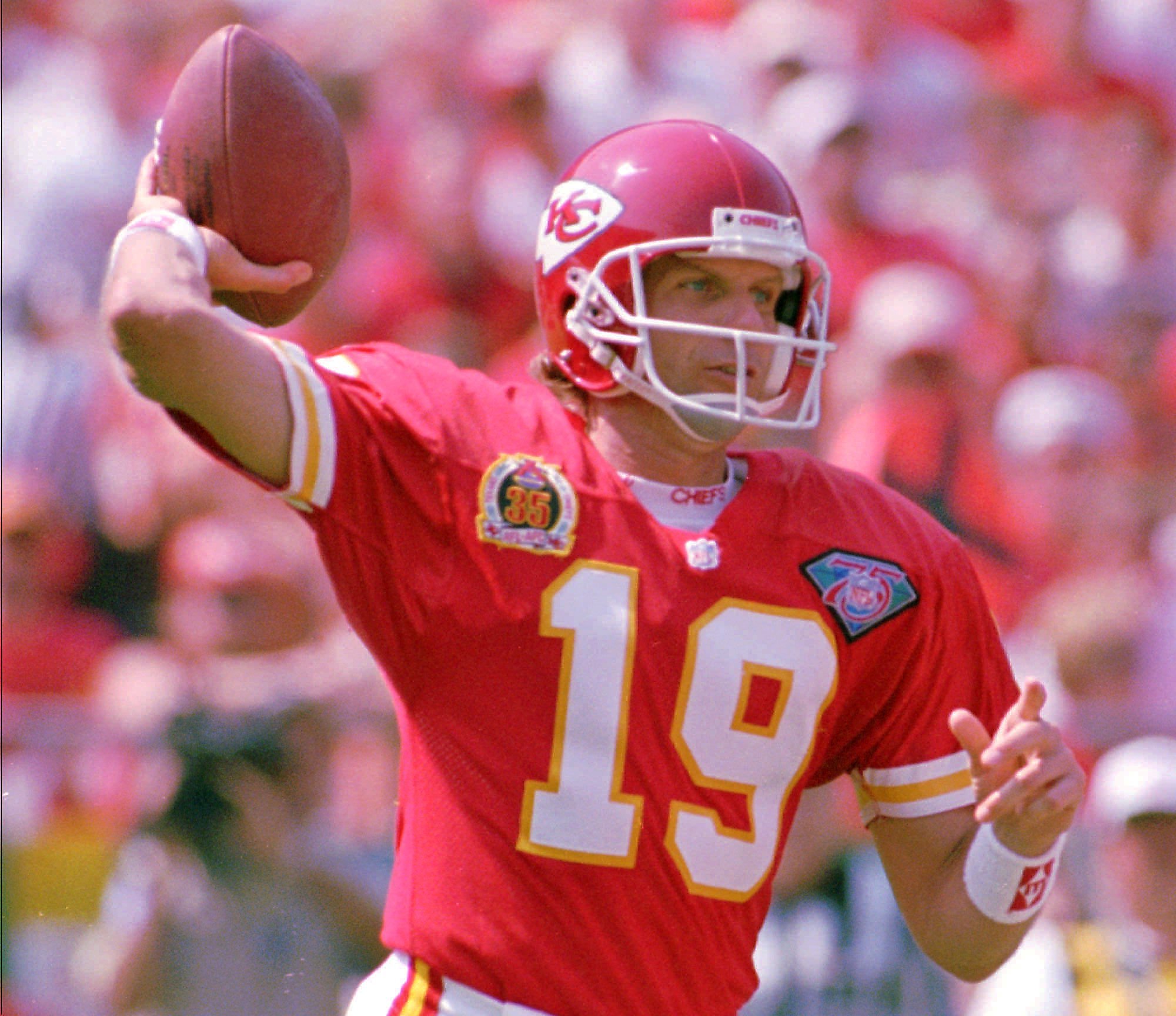
In 1993, after a contract dispute and the emergence of Steve Young as the 49ers’ starting quarterback, Joe Montana was traded to the Kansas City Chiefs. This was a significant development, as it brought an established legend to a team seeking to elevate its competitive standing. The move to Kansas City, a city with a passionate football following, introduced Montana to a new set of fans eager to witness his magic. He joined a Chiefs team that was already competitive, aiming to provide the veteran leadership and championship experience necessary to contend for a Super Bowl.
Leading the Chiefs and Embracing the Role
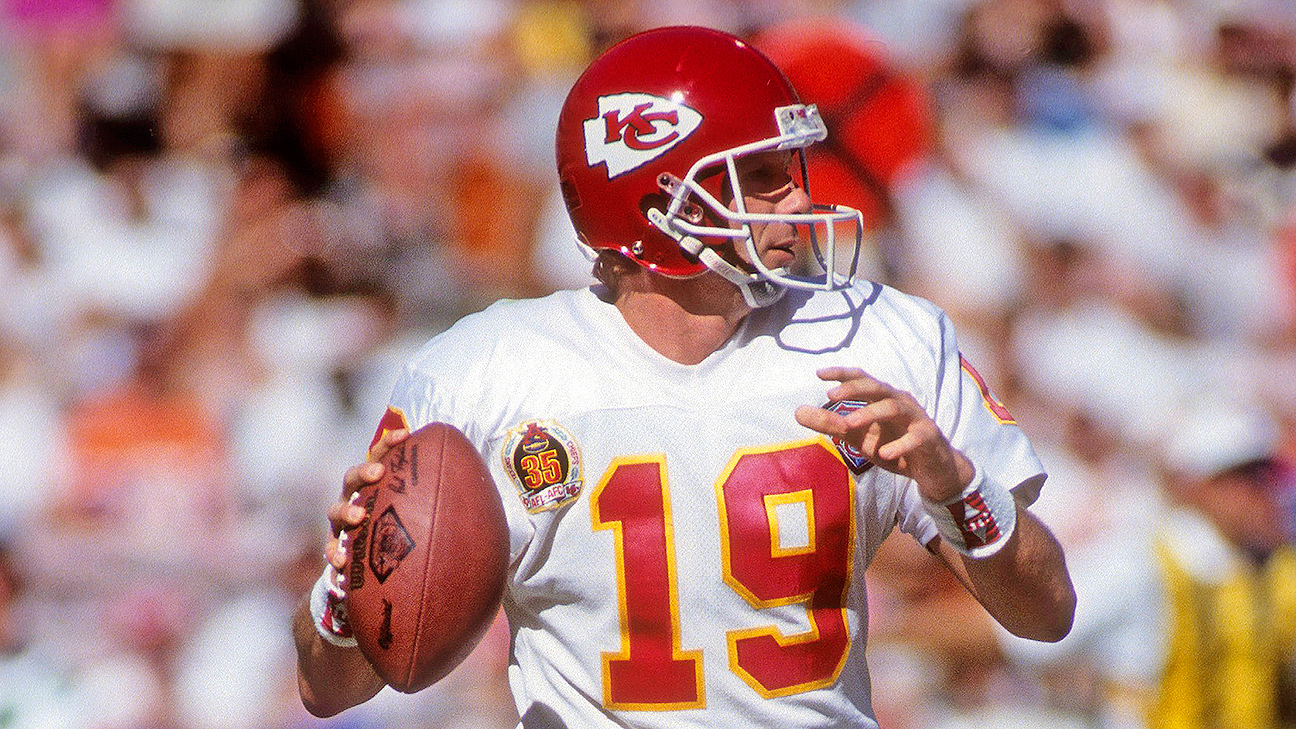
Montana’s time with the Chiefs, though shorter than his tenure in San Francisco, was marked by his continued effectiveness and ability to inspire his teammates. He led the Chiefs to the playoffs in his first season, showcasing his enduring talent. While he didn’t capture a Super Bowl title with the Chiefs, he provided valuable mentorship and consistent play. His presence elevated the profile of the team and brought a renewed sense of excitement to Arrowhead Stadium. His final NFL season in 1994 saw him continue to contribute, ultimately retiring after a career that spanned over a decade and a half of elite performance.
Legacy Beyond the Stadium
Joe Montana’s impact extends far beyond the statistics and championships. His career with the San Francisco 49ers and his brief but significant stint with the Kansas City Chiefs have cemented his place in sports history. The teams he played for represent different eras and chapters of his life, each contributing to the rich tapestry of his legendary status. Whether one remembers him for the iconic plays at Candlestick Park or the veteran leadership he brought to Arrowhead Stadium, the legacy of Joe Montana is intertwined with the proud histories of these two esteemed franchises. His journey serves as a testament to dedication, excellence, and the enduring appeal of athletic greatness, inspiring countless individuals across the globe.
LifeOutOfTheBox is a participant in the Amazon Services LLC Associates Program, an affiliate advertising program designed to provide a means for sites to earn advertising fees by advertising and linking to Amazon.com. Amazon, the Amazon logo, AmazonSupply, and the AmazonSupply logo are trademarks of Amazon.com, Inc. or its affiliates. As an Amazon Associate we earn affiliate commissions from qualifying purchases.