
Embarking on a journey from the bustling metropolis of New York to the sun-drenched landscapes of Arizona is more than just traversing states; it’s an epic cross-country odyssey that unveils the incredible diversity of the American continent. For anyone contemplating such a significant trip, the initial, paramount question is always “How far?”. Understanding this distance, not just in miles but in travel time and the various logistical considerations, is the first step in transforming a dream of exploration into a meticulously planned reality. This article delves into the geographical reality, practical travel options, and invaluable tips for undertaking this expansive transcontinental adventure, focusing strictly on the travel aspects that make such a journey memorable and manageable.
The Geographical Reality: A Vast Cross-Country Journey
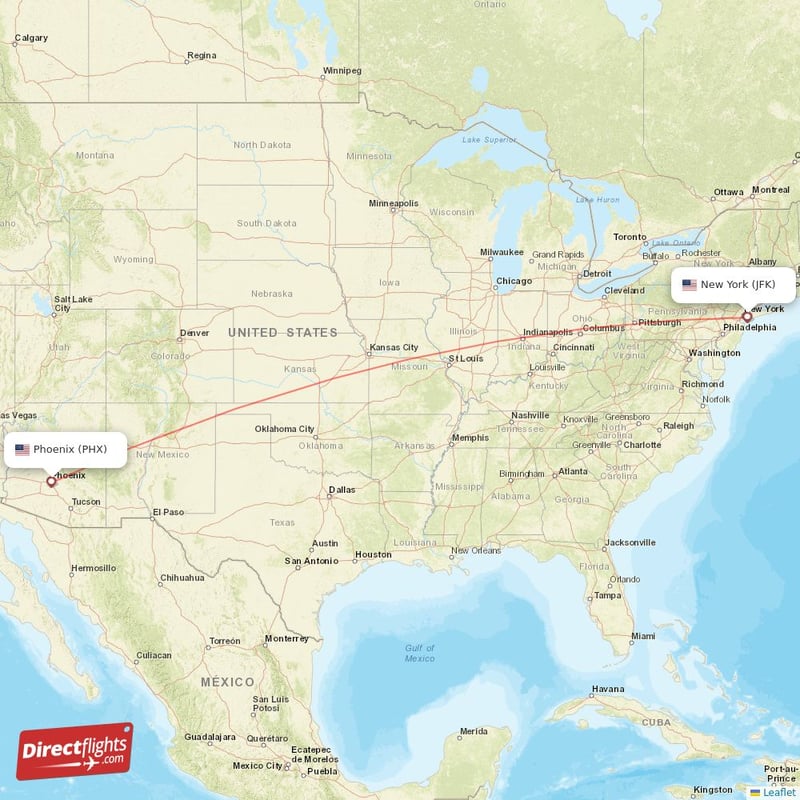
The United States is a land of immense proportions, and the distance between its East and West Coasts exemplifies this grandeur. Traveling from New York to Arizona is not merely a short hop but a substantial expedition that spans multiple time zones and diverse topographical regions.
Measuring the Miles: Straight-Line vs. Driving Distance
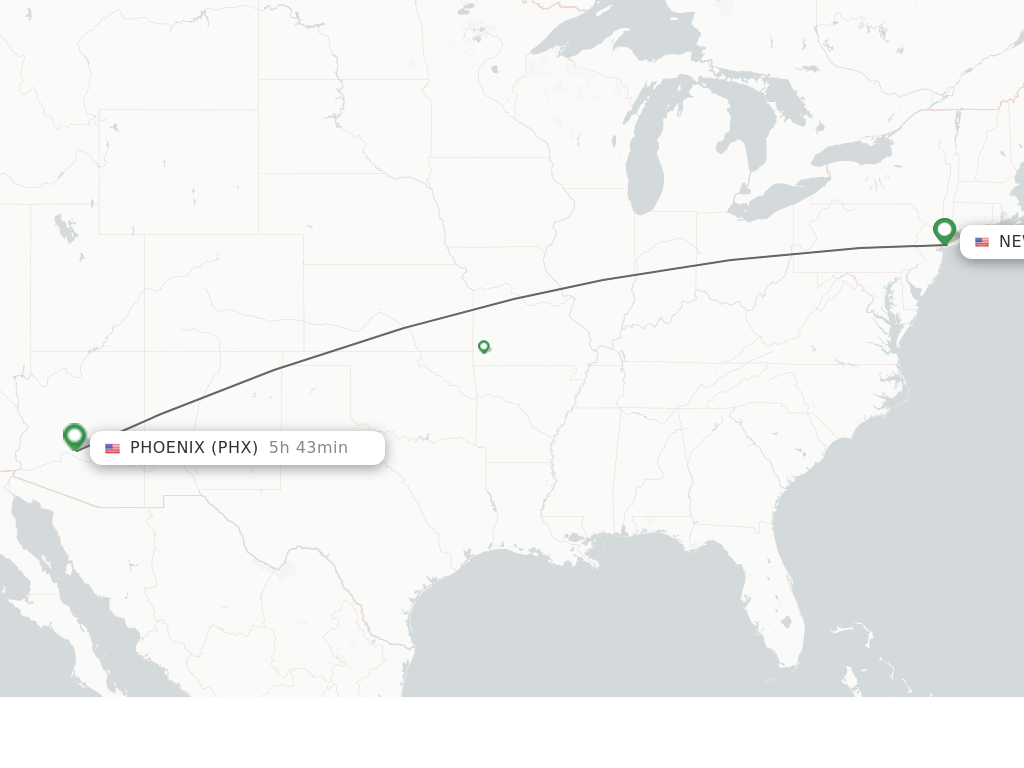
When considering the distance between New York and Arizona, it’s crucial to differentiate between the “as the crow flies” (aerodynamic) distance and the actual driving distance. The straight-line distance, typically measured from major cities like New York City to Phoenix, Arizona’s capital, is approximately 2,150 to 2,200 miles (about 3,460 to 3,540 kilometers). This figure represents the shortest possible path, unobstructed by terrain or roadways, primarily relevant for air travel.
However, for those planning a road trip, the actual driving distance is significantly longer. Depending on the chosen route, which can vary based on preferences for scenery, speed, or specific stopping points, the journey typically covers between 2,400 and 2,800 miles (approximately 3,860 to 4,500 kilometers). For instance, a common route following major interstates like Interstate 70 or Interstate 40 can place the distance around 2,500 to 2,600 miles. This considerable variance underscores the importance of route planning for ground travel. Factors like road construction, traffic, and detours can further influence the exact mileage and travel time.
States Between: A Glimpse of the American Landscape
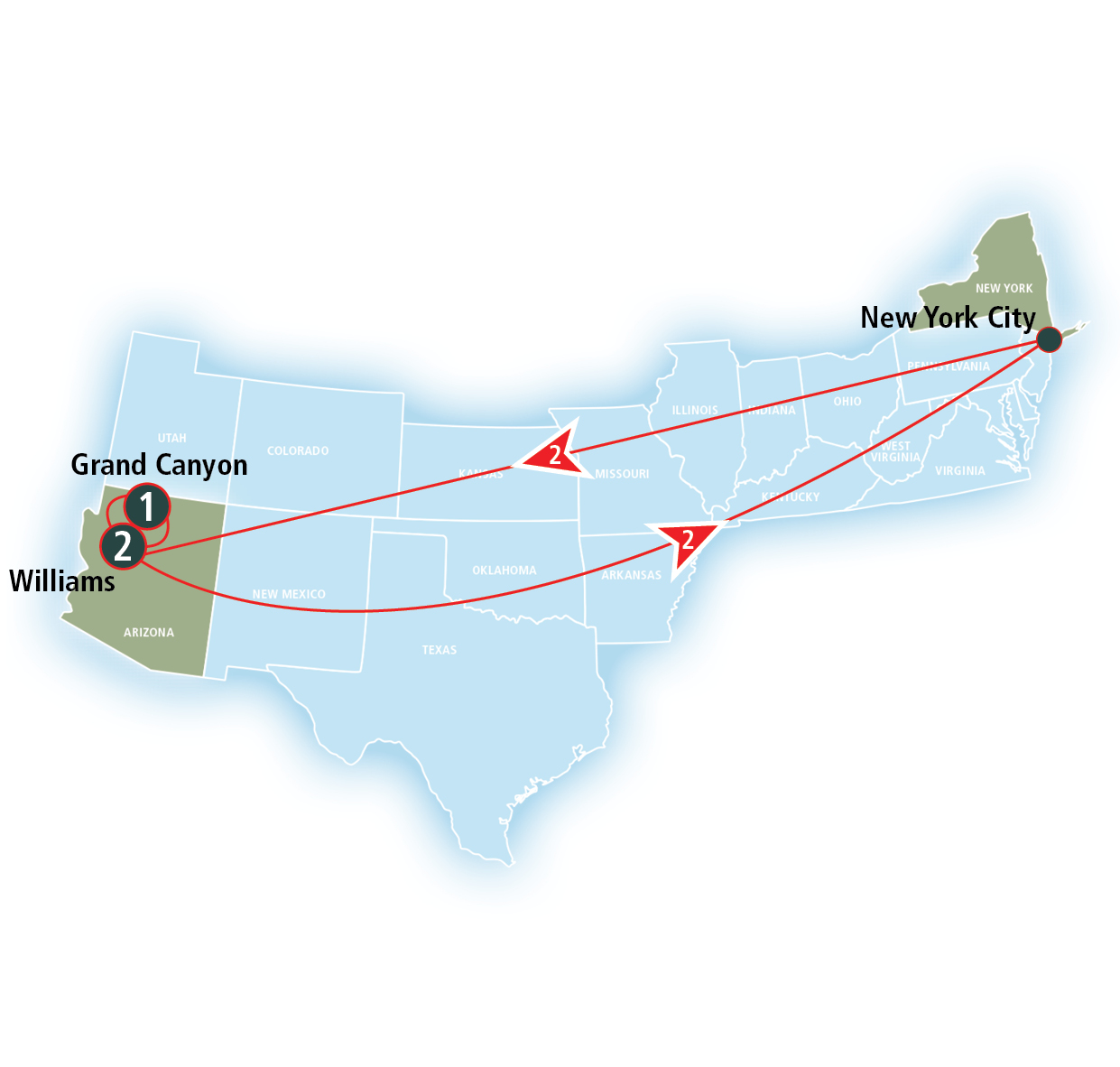
A journey from New York to Arizona offers an unparalleled opportunity to witness a vast cross-section of the American landscape. Departing from the dense urban sprawl of the East Coast, travelers will typically traverse a minimum of eight to ten states, depending on the chosen path. Standard routes might lead through states such as Pennsylvania, Ohio, Indiana, Illinois, Missouri, Kansas, Colorado, and New Mexico before finally reaching Arizona.
Each state offers unique geographical features, cultural nuances, and potential points of interest. From the rolling hills of the Midwest to the vast plains of the Great Plains, and then ascending into the dramatic mountains and high deserts of the Southwest, the scenery evolves dramatically. This trans-state traversal is a fundamental aspect of the journey, transforming a simple “how far” question into an anticipation of diverse experiences and landscapes. Planning a road trip means considering these intermediate states not just as transit points but as potential mini-destinations, enriching the overall travel narrative.
Navigating the Distance: Travel Options and Timeframes
The choice of transportation significantly impacts both the time and experience of traveling between New York and Arizona. Each mode offers distinct advantages and disadvantages, catering to different travel preferences, budgets, and schedules.
By Air: The Fastest Route
For those prioritizing speed and efficiency, flying is unequivocally the fastest way to bridge the gap between the East Coast and the Southwest. Non-stop flights from major New York area airports, such as JFK International Airport, LaGuardia Airport, or Newark Liberty International Airport, to Phoenix Sky Harbor International Airport in Arizona typically range from 5 to 6 hours. When factoring in travel to and from airports, security checks, boarding, and potential delays, the total door-to-door travel time can stretch to 8-10 hours.
While air travel is swift, it often comes at a higher financial cost compared to other options, particularly when booking last-minute. However, the time saved can be invaluable for business travelers or those with limited vacation time. It’s also worth noting that while Phoenix is the primary destination, travelers heading to northern Arizona cities like Flagstaff or southern cities like Tucson might consider connecting flights or renting a car upon arrival in Phoenix. Air travel offers a convenient solution for those who prefer to minimize the journey’s duration and maximize time at their destination.
By Road: An Epic American Road Trip
Undertaking a road trip from New York to Arizona is the quintessential American travel experience, offering unparalleled freedom and opportunities for exploration. Covering 2,400 to 2,800 miles, this journey typically requires a minimum of 3-5 days of dedicated driving, assuming an average of 8-10 hours on the road daily. This pace, however, leaves little room for sightseeing. A more leisurely and enjoyable road trip, allowing for stops at national parks, historic sites, and charming towns, would ideally span 7-10 days or even longer.
Popular routes often involve following Interstate 80 or Interstate 70 westward through the Midwest, potentially connecting with Interstate 40 – parts of which famously trace the historic Route 66 – through Oklahoma, Texas, New Mexico, and into Arizona. The financial outlay for a road trip includes fuel, accommodation, food, and potential vehicle maintenance. While potentially cheaper than flying for multiple travelers, the cumulative cost can add up, making careful budgeting essential. The true value of a road trip lies in the journey itself, the flexibility to discover hidden gems, and the unique perspective gained from crossing vast stretches of diverse landscapes.
By Rail: A Slower, Scenic Alternative
For travelers who prefer a relaxed pace and a panoramic view without the stress of driving or flying, train travel offers a distinct charm. Amtrak operates routes that can connect New York to cities in Arizona, though typically involving transfers. For example, one could take the Lake Shore Limited from New York City to Chicago, then transfer to the Southwest Chief which eventually reaches destinations like Flagstaff or Kingman in Arizona.
The total travel time by train is considerably longer than flying or even driving directly. Expect the journey to take at least 2 to 3 days, encompassing the actual travel time plus layovers. While slower, train travel provides a unique opportunity to relax, enjoy the scenery from a comfortable seat or sleeper car, and avoid the hassles of airports or highway traffic. It’s often a more environmentally friendly option and can be a rewarding experience for those who value the journey as much as the destination. Tickets can vary widely based on class of service (coach, roomette, bedroom) and how far in advance they are booked, making it a viable option for budget-conscious travelers if planned carefully.
Planning Your Transcontinental Adventure
A trip of this magnitude requires careful planning to ensure a smooth, enjoyable, and memorable experience. From choosing the right time of year to preparing for the unexpected, thoughtful preparation is key.
Best Time to Travel
The ideal time to travel from New York to Arizona largely depends on your travel mode and your tolerance for certain weather conditions.
If you’re driving, spring (April-May) and fall (September-October) are generally the most recommended seasons. During these periods, the weather across the vast stretch of the country is typically mild, avoiding the extreme heat of summer in states like Arizona and the potentially treacherous snow and ice conditions of winter in the northern and Midwestern states. Driving through the desert in July or August can be particularly challenging due to triple-digit temperatures, demanding extra vigilance for car maintenance and hydration. Similarly, winter driving across the Rockies or through states like Colorado and Kansas can mean significant delays or hazardous conditions.
For air travel, timing is less critical in terms of weather, but prices tend to fluctuate. Off-peak seasons, such as late fall or early spring, outside of major holidays, often yield more affordable fares. However, consider the weather at your Arizona destination; many prefer the milder winters for exploring the desert, while the summer monsoons bring a different kind of beauty (and potential for heavy rains).
Essential Packing Considerations
Packing for a cross-country journey, especially one spanning such diverse climates, requires strategic thinking.
For a Road Trip: Pack for varying temperatures. You’ll likely encounter cold mornings in the mountains, warm afternoons in the plains, and potentially scorching heat in the desert. Layered clothing is crucial. Don’t forget comfortable shoes for walking, sunglasses, a wide-brimmed hat, and plenty of sunscreen. A first-aid kit, emergency roadside tools, extra water, non-perishable snacks, and car chargers for all devices are absolute necessities. Physical maps can be a lifesaver in areas with spotty cell service.
For Air or Rail Travel: While space is more limited, similar considerations for layered clothing apply. Remember personal entertainment for long stretches of travel, and any necessary medications in your carry-on. For both modes, keeping important documents (ID, tickets, reservations) easily accessible is paramount. Always check baggage restrictions for airlines, or luggage space availability for trains, well in advance.
Budgeting for Your Journey
The financial outlay for a transcontinental trip can be substantial, making a detailed budget indispensable.
Transportation Costs: Flight prices can range from a few hundred dollars to over a thousand, depending on booking time and class. For road trips, fuel costs will be significant (e.g., 2,500 miles at 25 MPG with $4/gallon gas amounts to $400 in fuel alone, and this is a conservative estimate), plus vehicle wear and tear. Train fares vary based on distance and accommodation class.
Accommodation: For road trips, budget for 3-7 nights in hotels or motels. Researching and booking accommodation in advance can secure better rates, especially in popular areas. Flying might only require accommodation at your destination.
Food and Drink: This is a variable cost. Bringing your own snacks and drinks on a road trip can save money, but sampling local cuisine is part of the travel experience.
Activities and Contingencies: Allocate funds for planned attractions (e.g., Grand Canyon entrance fees) and a contingency fund for unexpected expenses like car repairs, medical emergencies, or unforeseen delays. A well-planned budget helps prevent financial stress and allows for a more relaxed and enjoyable trip.
What to Expect: From the Urban Jungle to the Desert Oasis
The transition from New York’s frenetic energy to Arizona’s serene desert beauty is a stark but captivating contrast, offering travelers a full spectrum of American experiences.
The East Coast Starting Point: New York’s Enduring Appeal
Beginning your journey in New York means immersing yourself in one of the world’s most iconic and dynamic urban centers. New York City is a crucible of culture, finance, and innovation, with a palpable energy that is infectious. From the soaring skyscrapers of Manhattan to the historic neighborhoods of Brooklyn, the city offers an endless array of experiences: world-class museums, Broadway shows, diverse culinary scenes, and vibrant nightlife. Landmarks like Times Square, the Statue of Liberty, and the Empire State Building are global symbols.
The climate in New York is characterized by four distinct seasons, with cold, snowy winters and hot, humid summers. The pace of life is fast, and public transportation is highly efficient. For travelers starting their journey here, it’s a launchpad that showcases the dense, historically rich, and culturally diverse side of America before venturing into its vast open spaces. The city serves as a powerful reminder of human ingenuity and density, making the subsequent transition to the expansive natural beauty of Arizona even more profound.
The Southwest Destination: Arizona’s Unique Charm
Upon arrival in Arizona, travelers are greeted by a dramatically different landscape and atmosphere. Known as the Grand Canyon State, Arizona is famous for its stunning desert vistas, vibrant red rock formations, and a rich blend of Native American, Hispanic, and Western cultures. Cities like Phoenix and Tucson offer a taste of modern Southwestern living, with sprawling urban areas, innovative architecture, and delicious regional cuisine. However, the true allure often lies in the state’s natural wonders.
The climate is predominantly arid, characterized by hot summers and mild winters, especially in the southern regions. Northern Arizona, around Flagstaff and the Grand Canyon, experiences cooler temperatures and even significant snowfall in winter. The pace of life is generally more relaxed than in New York, with a greater emphasis on outdoor activities like hiking, biking, and exploring national parks. The vastness of the landscape, the unique flora and fauna of the Sonoran Desert, and the breathtaking sunsets define the Arizona experience, offering a serene and awe-inspiring contrast to the urban intensity of the East.
Practical Tips for a Seamless Journey
Successfully navigating the distance between New York and Arizona hinges on strategic planning and proactive measures.
Staying Connected and Safe
Connectivity is crucial, particularly during a long road trip. While cellular service is generally reliable along major interstates, there will inevitably be dead zones, especially in rural areas of states like Kansas, Colorado, New Mexico, and Arizona. Downloading offline maps (e.g., Google Maps, HERE WeGo) before you depart is highly recommended. A portable Wi-Fi hotspot can also be invaluable for maintaining internet access. For safety, inform friends or family of your itinerary and check in regularly. Carry an emergency kit in your vehicle, including blankets, flashlights, jumper cables, and a fully charged power bank for your phone. Always keep your fuel tank at least half full, as gas stations can be scarce in remote areas.
If flying, download your boarding passes and travel documents to your phone and have physical copies. Keep your devices charged, and consider travel insurance for unexpected delays or cancellations. For train travel, ensure you have plenty of entertainment as Wi-Fi can be intermittent. Staying aware of your surroundings, especially during layovers in unfamiliar cities like Chicago, is always a good practice. Regardless of the mode, keeping a positive mindset and being prepared for minor inconveniences can significantly enhance your travel experience.
Maximizing Your Experience En Route
A journey of this scale is not just about reaching the destination; it’s about the adventure in between. For road trippers, research potential points of interest along your chosen route. National Parks such as Rocky Mountain National Park in Colorado or historic sites like the Gateway Arch in St. Louis, Missouri, can break up long driving days and add cultural depth. Explore local diners and small-town attractions to experience authentic American charm. Create a diverse playlist or download podcasts and audiobooks to keep you entertained.
Even for those flying, consider layovers as opportunities. Some airports, like Denver International Airport, offer unique local art or amenities. For train travelers, the large windows provide a fantastic platform for observing the passing landscapes; having a good camera can capture these fleeting moments. Engaging with fellow travelers can also enrich the experience, providing insights and camaraderie. The journey from New York to Arizona is a testament to the vastness and beauty of the United States, and with careful planning and an open mind, it can be an unforgettable travel experience.
LifeOutOfTheBox is a participant in the Amazon Services LLC Associates Program, an affiliate advertising program designed to provide a means for sites to earn advertising fees by advertising and linking to Amazon.com. Amazon, the Amazon logo, AmazonSupply, and the AmazonSupply logo are trademarks of Amazon.com, Inc. or its affiliates. As an Amazon Associate we earn affiliate commissions from qualifying purchases.