
Embarking on a journey across Arizona’s diverse landscapes offers travelers an unforgettable experience, whether you’re a seasoned explorer or a first-time visitor. One of the most common and rewarding routes for residents and tourists alike is the drive from the bustling desert metropolis of Phoenix to the cooler, pine-fringed mountain city of Flagstaff. This trip isn’t just about covering miles; it’s a transition from scorching Sonoran Desert heat to refreshing high-country air, marked by dramatic elevation changes and a fascinating shift in scenery. Understanding the distance, typical travel time, and what to expect along the way is crucial for planning a smooth and enjoyable Arizona road trip. This guide delves into the specifics of this popular route, providing insights to help you navigate your adventure efficiently and appreciate every moment of the journey.
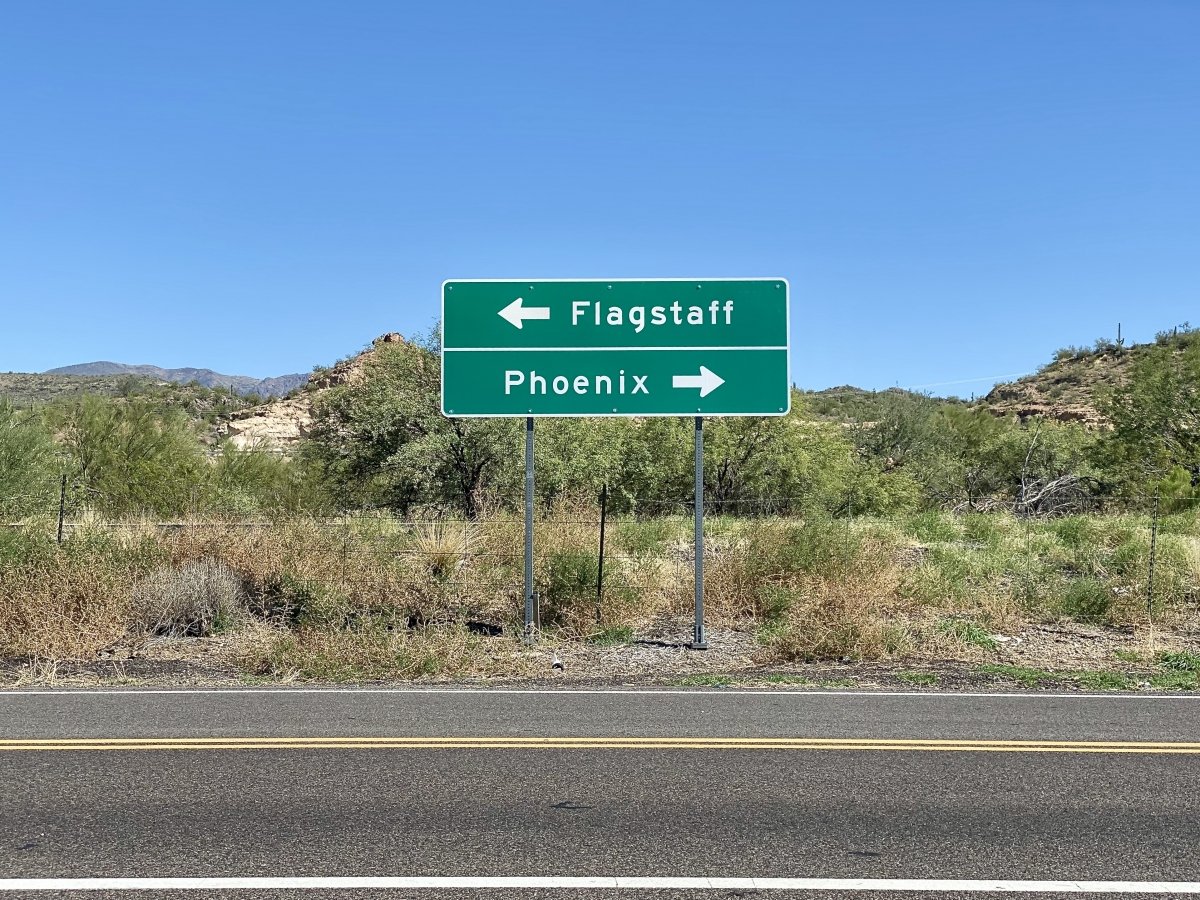
The Straightforward Journey: Distance and Drive Time
The question of “how far” is fundamental for any travel plan, and the route from Phoenix to Flagstaff is well-defined and generally predictable, making it a favorite for many.
Unpacking the Miles: Phoenix to Flagstaff
The distance between Phoenix and Flagstaff, Arizona, is approximately 145 to 150 miles (233 to 241 kilometers), depending on your exact starting point in Phoenix and your destination within Flagstaff. This measurement primarily follows the most direct and commonly used route, Interstate 17 North. While other, more scenic detours exist, they typically add significant mileage and time. For the purposes of a direct commute or swift travel, the I-17 remains the go-to choice. It’s a manageable distance that can be comfortably covered in a single driving segment, making Flagstaff an ideal weekend getaway or a gateway to further northern Arizona adventures.
Estimating Your Travel Time: Factors to Consider
Driving time can fluctuate based on several variables, but on average, the journey from Phoenix to Flagstaff takes between 2.5 to 3 hours under ideal conditions. Here are the key factors that can influence this estimate:
- Traffic: As with any major urban area, traffic congestion can be a significant factor, especially when departing Phoenix during peak hours (morning and late afternoon commutes, or during major events). Similarly, Friday afternoons and Sunday evenings often see increased traffic as travelers head to or return from Flagstaff and northern Arizona.
- Road Conditions: I-17 is generally well-maintained, but construction zones, particularly during off-peak seasons, can cause temporary delays. During winter months, especially from November to March, snow and ice can impact road conditions in the higher elevations closer to Flagstaff, potentially slowing travel considerably or even necessitating temporary road closures in extreme weather.
- Speed Limits: The speed limit along much of I-17 ranges from 65 to 75 mph (105 to 120 km/h), but it can decrease in urban areas or specific stretches with tighter curves and steeper grades. Adhering to these limits is crucial for safety and avoiding citations.
- Stops: Whether for fuel, restroom breaks, or to admire the scenery, any stops will add to your overall travel time. Factor in at least one or two short breaks for a more comfortable journey.
Navigating the Primary Route: I-17 North
The primary and most efficient route from Phoenix to Flagstaff is almost entirely via Interstate 17 North. This multi-lane highway provides a direct artery through the heart of central Arizona.
- Starting in Phoenix: From downtown Phoenix, you’ll typically access I-17 North via various local freeways, such as I-10 or Loop 101.
- The Ascent: The highway gradually climbs in elevation as it heads north, taking you out of the desert basin and into the mountainous regions. The grades become noticeable around Black Canyon City and continue their ascent through areas like the Bradshaw Mountains.
- Arrival in Flagstaff: I-17 North seamlessly merges with Interstate 40 West just south of Flagstaff. You will then take one of the exits for Flagstaff, such as Exit 339 (John Wesley Powell Blvd) or Exit 341 (Butler Ave) to reach the city center or your specific destination.
A Scenic Ascent: What to Expect on the Drive
The drive itself is a significant part of the experience, offering a remarkable visual transformation that encapsulates the diverse beauty of Arizona.
From Desert to Ponderosa: Changing Landscapes
One of the most striking aspects of the Phoenix to Flagstaff drive is the dramatic change in landscape.
- Sonoran Desert: The initial leg of the journey from Phoenix is characterized by the iconic Sonoran Desert. Here, you’ll see vast expanses of saguaro cacti, palo verde trees, and creosote bushes thriving in the arid environment. The terrain is relatively flat, gradually rising.
- High Desert Transition: As you drive north, particularly past Black Canyon City, the landscape begins its subtle but noticeable transition. Saguaro cacti become less prevalent, replaced by smaller cacti, shrubs, and agave plants. The elevation starts to increase more significantly, and the air becomes noticeably drier and cooler.
- Juniper and Pinon Forests: Around the halfway mark, near Camp Verde and Sedona turnoffs, you’ll enter the high desert. Here, the first signs of trees emerge in greater numbers – primarily juniper and pinyon pine, dotting the rolling hills and mesa tops. The red rock formations become more prominent, especially if you venture off I-17 towards Sedona.
- Ponderosa Pine Forests: The final segment of the drive, particularly the last 30-40 miles before Flagstaff, is where the most dramatic change occurs. You enter the world’s largest contiguous Ponderosa Pine forest, part of the Coconino National Forest. The air becomes crisp, and the scenery transforms into dense forests of tall pines, resembling a more traditional mountainous environment. This is a welcome sight for those escaping the desert heat, especially during summer.
Elevation Changes and Climate Shifts
The elevation change is substantial, contributing to the distinct climate difference between the two cities. Phoenix sits at an average elevation of around 1,100 feet (335 meters) above sea level. Flagstaff, by contrast, is situated at approximately 7,000 feet (2,135 meters), making it one of the highest-elevation cities in the United States.
- Temperature Differences: This elevation gain results in a significant temperature drop. In summer, Flagstaff can be 20-30 degrees Fahrenheit (10-17 degrees Celsius) cooler than Phoenix. In winter, Flagstaff experiences cold temperatures and significant snowfall, while Phoenix enjoys mild, sunny weather.
- Driving Conditions: Be prepared for potential changes in driving conditions, particularly related to weather. Clear skies and warm temperatures in Phoenix can give way to rain, fog, or even snow flurries as you approach [Flagstaff](https://lifeoutofthebox.com/flagstaff], especially during the monsoon season (July-August) or winter months (November-April).
Essential Preparations for the Drive
To ensure a comfortable and safe journey, a few preparations are advisable:
- Vehicle Check: Ensure your vehicle is in good condition, especially tires, brakes, and fluid levels. The ascent and descent can be demanding on engines and braking systems.
- Fuel: Fill up your gas tank in Phoenix or early on the route. While there are gas stations along I-17, they can be spaced out and sometimes pricier.
- Snacks and Water: Carry plenty of water, especially if traveling in warmer months, and some snacks for the journey.
- Weather Awareness: Check the weather forecast for both Phoenix and Flagstaff before you depart. If traveling in winter, monitor road conditions and consider carrying an emergency kit with blankets, extra clothes, and chains if snow is expected.
- Navigation: While I-17 is straightforward, a GPS or map application is always useful, especially if planning detours. Cell service can be spotty in certain canyon areas.
Exploring Beyond the Miles: Stops Along the Way
While the primary goal might be to reach Flagstaff, the journey itself offers numerous opportunities for interesting stops and scenic detours.
Engaging Detours: Montezuma Castle and Sedona
Several attractions lie just a short drive off I-17, providing fascinating breaks from driving.
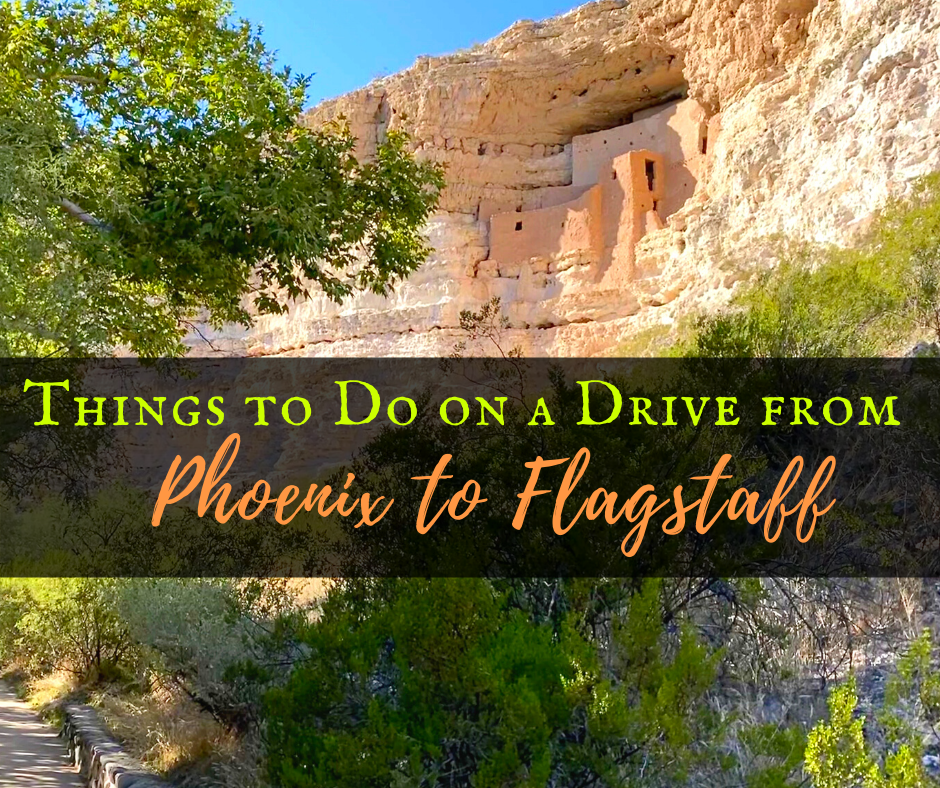
- Montezuma Castle National Monument: Located near Camp Verde, this ancient cliff dwelling offers a glimpse into the lives of the Sinagua people over 800 years ago. It’s an easily accessible and historically rich stop, just a few miles off the interstate.
- Sedona: Perhaps the most famous detour, Sedona is renowned for its stunning red rock formations, vibrant arts scene, and spiritual vortexes. Taking the State Route 179 exit (Exit 298) will lead you into the heart of Sedona. While adding at least 1-2 hours (or much more if you plan to hike or explore thoroughly) to your trip, the breathtaking scenery makes it a worthwhile diversion. The drive through Oak Creek Canyon from Sedona up to Flagstaff (Highway 89A) is exceptionally scenic but winding and slower than I-17.
- Out of Africa Wildlife Park: Also near Camp Verde, this unique wildlife park offers an immersive experience with various animals from around the world.
Quaint Towns and Roadside Attractions
Beyond major landmarks, several smaller towns and points of interest dot the route.
- Black Canyon City: One of the first notable stops north of Phoenix, Black Canyon City offers basic services like gas and food. It’s also home to the Black Canyon Trail for hiking and mountain biking enthusiasts.
- Cordes Junction/Arcosanti: Take the exit for Arcosanti, an experimental “urban laboratory” focused on ecological design, for a truly unique architectural and philosophical experience.
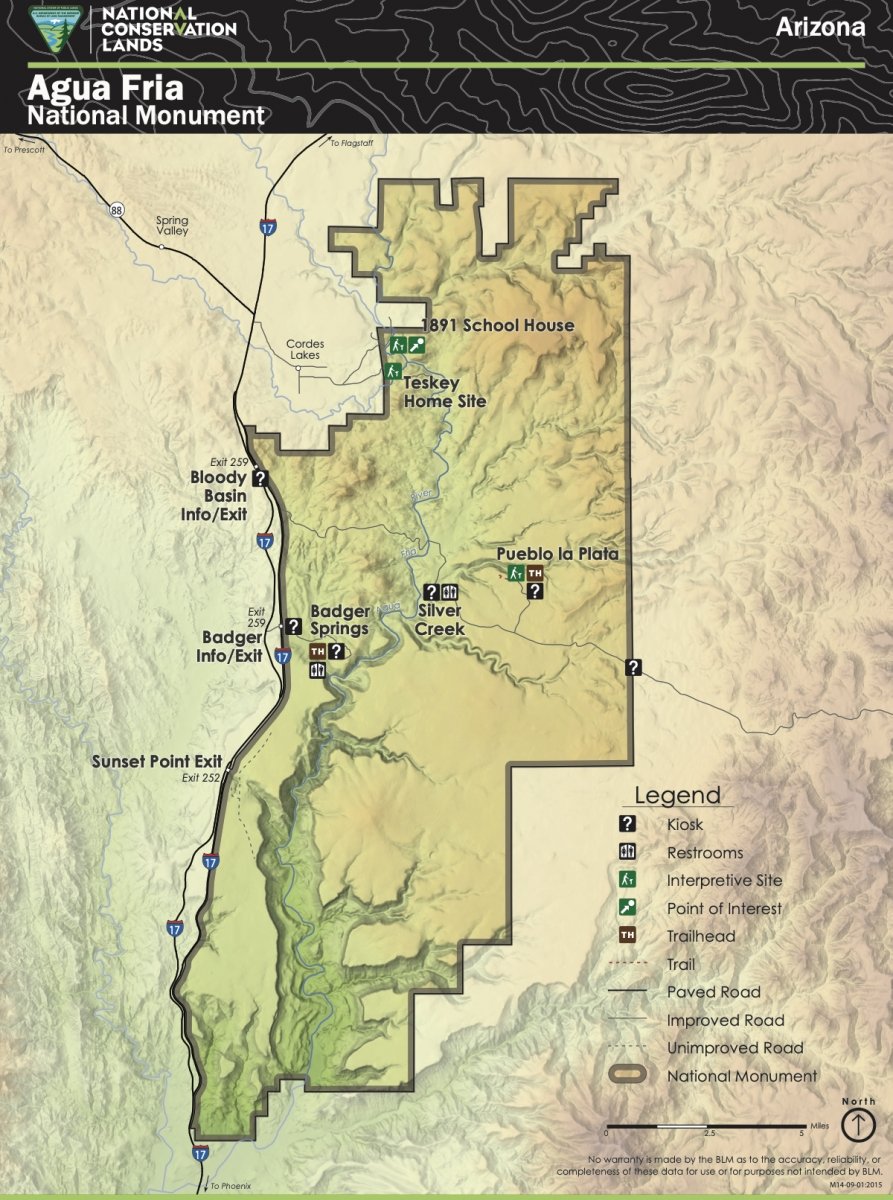
- Sunset Point Rest Area: A popular and scenic rest stop with expansive views of the Aqua Fria National Monument and surrounding high desert. It’s a great spot to stretch your legs and take photos.
- Cottonwood: If you choose the Sedona detour, the historic town of Cottonwood in the Verde Valley offers a charming main street with shops, restaurants, and local wineries.
Fueling Up and Stretching Your Legs
Regular stops are essential for long drives. Fortunately, I-17 has several well-placed exits with services:
- Black Canyon City: Early in the drive, offering gas, fast food, and convenience stores.
- Camp Verde/Exit 285: A major exit with multiple gas stations, restaurants, and lodging options.
- Cordes Junction/Exit 262: Another good spot for gas and food.
- Munds Park/Exit 322: As you get closer to Flagstaff and into the pine forests, Munds Park offers some services and a quiet, forested atmosphere.
Why Make the Trip? The Allure of Flagstaff
Beyond simply answering “how far,” it’s worth exploring why so many make the journey to Flagstaff. This mountain city offers a stark contrast to Phoenix and serves as a vital hub for Northern Arizona exploration.
Flagstaff’s Unique Charm and Attractions
Flagstaff boasts a distinct character, combining a vibrant college-town atmosphere with a rich history and a strong connection to outdoor adventure.
- Historic Downtown: Flagstaff’s historic downtown, located along the original Route 66, is filled with charming shops, local restaurants, breweries, and art galleries. The architecture reflects its logging and railway heritage.
- Outdoor Activities: Surrounded by the Coconino National Forest and nestled at the base of the San Francisco Peaks, Flagstaff is a haven for outdoor enthusiasts. Hiking, mountain biking, skiing and snowboarding at Arizona Snowbowl, and rock climbing are just some of the activities available.
- Astronomical Wonders: Home to Lowell Observatory, where Pluto was discovered, Flagstaff is the world’s first International Dark Sky City, offering unparalleled stargazing opportunities.
Gateway to Northern Arizona’s Wonders
One of Flagstaff’s biggest draws is its strategic location as a base for exploring some of the Southwest’s most iconic natural attractions.
- Grand Canyon National Park: Flagstaff is often referred to as the “Gateway to the Grand Canyon.” The South Rim of Grand Canyon National Park is just about a 1.5-hour drive north, making it an ideal day trip or starting point for an extended visit.
- National Monuments: Nearby national monuments like Wupatki National Monument (ancient pueblo ruins) and Sunset Crater Volcano National Monument (a volcanic cinder cone) offer fascinating insights into the region’s geological and human history.
- Petrified Forest National Park: A bit further east, Petrified Forest National Park showcases stunning fossilized wood and painted desert landscapes.
Planning Your Flagstaff Adventure
When planning your trip to Flagstaff, consider the time of year and your interests. Summer offers cool relief from the heat and access to hiking trails, while fall brings spectacular autumn foliage. Winter transforms the city into a snowy wonderland for skiing and other winter sports, and spring provides pleasant weather for exploring without the summer crowds. Be sure to book accommodations in advance, especially during peak seasons or major university events.
Alternative Transportation Options
While driving is by far the most popular and flexible way to travel between Phoenix and Flagstaff, other options exist for those who prefer not to drive or don’t have access to a vehicle.
Bus Services and Shared Rides
- Bus Companies: Several bus companies, such as Greyhound and FlixBus, offer daily routes between the Phoenix Sky Harbor International Airport (PHX) or downtown Phoenix and the Flagstaff Bus Station. This is a cost-effective option, though it will take longer than driving, typically around 3.5 to 4 hours or more depending on stops.
- Shuttle Services: Various private shuttle services operate between Phoenix Sky Harbor International Airport and Flagstaff, offering door-to-door or designated pick-up/drop-off services. These can be more expensive than buses but offer greater convenience and comfort.
Flying and Other Considerations
- Commercial Flights: While Flagstaff does have a regional airport (Flagstaff Pulliam Airport – FLG), there are no direct commercial flights from Phoenix due to the relatively short distance. Flights typically involve a layover, making them impractical and more time-consuming than driving.
- Ride-Sharing/Carpooling: Services like Uber or Lyft might be an option, but the cost for such a long distance would likely be prohibitive. Carpooling apps or forums could connect travelers looking to share a ride.
Maximizing Your Travel Experience
To make the most of your journey, consider these final tips.
Best Times to Travel
- Spring (March-May) and Fall (September-November): These are generally considered the best times to travel. Temperatures are mild in both cities, the scenery is beautiful (wildflowers in spring, fall foliage in autumn), and crowds are manageable.
- Summer (June-August): Offers a fantastic escape from Phoenix’s intense heat, but Flagstaff can be quite busy with tourists, and afternoon monsoon thunderstorms are common.
- Winter (December-February): Ideal for winter sports enthusiasts, but requires careful monitoring of road conditions and preparation for cold weather and snow.
Safety Tips for Arizona Road Trips
- Stay Hydrated: Always carry water, especially during warmer months.
- Sun Protection: Even in winter, the Arizona sun is strong. Use sunscreen, wear hats, and consider sunglasses.
- Wildlife: Be aware of wildlife, especially deer, particularly at dawn and dusk, or in forested areas.
- Emergency Kit: A basic emergency kit with jumper cables, a flashlight, first-aid supplies, and extra water is always a good idea, especially when traveling through more remote sections.
The journey from Phoenix to Flagstaff is more than just a drive; it’s an adventure through Arizona’s heartland, transitioning from desert to mountain, offering stunning vistas and a wealth of attractions along the way. By understanding the distance, planning your route, and preparing for the changing landscapes, you’re set for an incredible travel experience.
LifeOutOfTheBox is a participant in the Amazon Services LLC Associates Program, an affiliate advertising program designed to provide a means for sites to earn advertising fees by advertising and linking to Amazon.com. Amazon, the Amazon logo, AmazonSupply, and the AmazonSupply logo are trademarks of Amazon.com, Inc. or its affiliates. As an Amazon Associate we earn affiliate commissions from qualifying purchases.