
Alaska, often dubbed “The Last Frontier,” captivates the imagination with its vast, untamed wilderness, majestic glaciers, and unparalleled wildlife. For many travelers, the allure of Alaska lies precisely in its remoteness and the promise of escaping the crowds. Understanding the state’s population—how many people live there and where they reside—is not merely a demographic curiosity; it’s a critical piece of information for any prospective visitor planning an Alaskan adventure. The distribution of its residents profoundly shapes everything from the availability of services and infrastructure to the cultural experiences and the very sense of scale that defines a trip to this magnificent state. In 2024, Alaska remains one of the least densely populated states in the United States, a characteristic that deeply influences its travel landscape and the unique experiences it offers.

Alaska’s Population Snapshot: A Traveler’s Perspective
As of early 2024, the estimated population of Alaska hovers around 735,000 residents. While this number might seem substantial, it’s crucial to put it into context. Spread across approximately 665,000 square miles, Alaska boasts an average population density of roughly 1.1 person per square mile. To illustrate, this means that for every individual living in Alaska, there’s nearly a square mile of land, a stark contrast to more densely populated regions globally. For the discerning traveler, this statistic is more than just a number; it’s a promise of expansive landscapes, unblemished natural beauty, and a profound sense of solitude that is increasingly rare in our interconnected world.
This sparse population directly translates into unique travel experiences. Unlike destinations where human infrastructure dominates, much of Alaska remains wild and pristine. Visitors can expect vast stretches of untouched wilderness, where wildlife outnumbers people, and the silence is broken only by the sounds of nature. It means that many iconic Alaskan attractions, such as Denali National Park and Preserve or Glacier Bay National Park and Preserve, offer a genuine sense of exploration and discovery, far removed from the bustle of urban life. However, it also means that services and amenities can be more spread out, requiring careful planning for logistics, accommodation, and supplies, particularly when venturing off the beaten path.
Demographic Trends Impacting Visitor Experiences
Alaska’s population, while relatively stable, experiences subtle shifts that can influence travel. Younger demographics are often concentrated in urban centers, contributing to a vibrant, modern cultural scene in places like Anchorage and Fairbanks. Conversely, more remote communities often maintain strong ties to traditional Alaska Native cultures, offering rich opportunities for cultural immersion for travelers seeking authentic experiences. Understanding these demographic nuances allows travelers to better appreciate the diverse fabric of Alaskan society and to tailor their itineraries to align with the specific cultural and natural encounters they seek.
The transient nature of some populations, especially those linked to seasonal industries like fishing, tourism, or oil and gas, also plays a role. During peak summer travel seasons, many communities see an influx of seasonal workers, which can temporarily swell local populations and impact the availability of services or the atmosphere of certain towns. This temporary boost in population can enhance the vibrancy of certain areas, bringing diverse perspectives and a lively energy, particularly in popular tourist hubs along the Inside Passage or on the Kenai Peninsula.
The Impact of Sparse Population on Alaskan Destinations
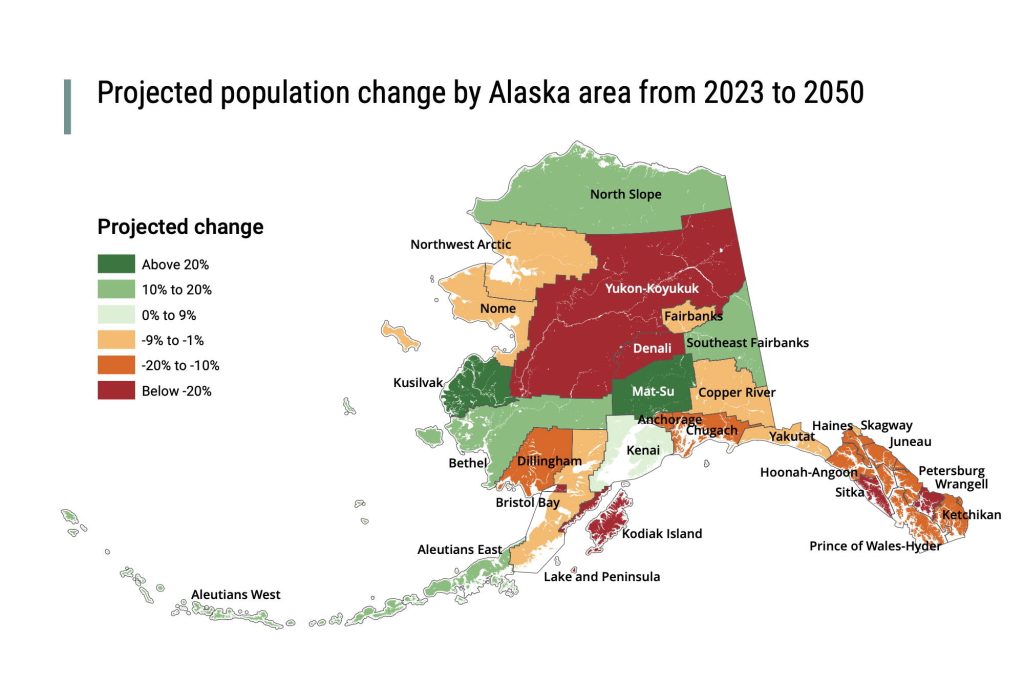
The distribution of Alaska’s population is highly uneven, with the vast majority of residents concentrated in a few key urban areas and along a limited road system. This geographical reality dictates much of the travel experience, creating a clear distinction between accessible population hubs and truly remote wilderness.
Urban Centers: Hubs for Exploration
Anchorage, the state’s largest city, is home to nearly 40% of Alaska’s population, with approximately 288,000 residents. As the primary entry point for most visitors, Anchorage serves as a vital transportation hub, offering an array of hotels, restaurants, and tour operators. From here, travelers can embark on adventures to Denali National Park and Preserve, Kenai Fjords National Park, or explore the nearby Chugach National Forest. The city itself, despite its size, maintains a strong connection to the wilderness, with moose often spotted within city limits and stunning mountain views from almost every vantage point.
Fairbanks, the second-largest city in the interior, with about 32,000 residents, is another significant hub, particularly for those seeking the Northern Lights or exploring the Arctic regions. It offers a different perspective on Alaskan urban life, often feeling more connected to the state’s pioneering spirit and the harsh realities of interior winters. Juneau, the state capital, accessible only by air or sea and home to around 31,000 people, provides a unique experience as a coastal city nestled between mountains and the ocean, a popular stop for cruise ships exploring the Inside Passage. These cities, while relatively small by Lower 48 standards, represent the pinnacles of Alaskan infrastructure and service availability for travelers.
Remote Towns and Villages: Untamed Horizons
Beyond these few urban centers, towns and villages become significantly smaller and more spread out. Communities like Ketchikan, Sitka, Seward, Homer, and Talkeetna each offer distinct charm and access to specific types of adventures, from fishing and wildlife viewing to mountaineering. Their smaller populations often mean a more intimate experience, with local businesses and a strong sense of community. For instance, Talkeetna, with a few hundred residents, serves as a base camp for Denali expeditions, while Homer is renowned for its fishing charters and vibrant arts scene, despite its modest population of around 5,000.
The extreme remoteness of vast regions, where populations dwindle to dozens or even zero, is where Alaska’s wild heart truly beats. Traveling to these areas often requires specialized logistics, such as bush planes or ferries, and a spirit of self-reliance. This is where you find true wilderness lodges, like the Borealis Lodge near Fairbanks for aurora viewing, or remote cabins accessible only by air, offering unparalleled solitude and wildlife encounters.

Planning Your Alaskan Journey: Population Considerations
Understanding Alaska’s population distribution is not just academic; it’s a practical tool for planning an efficient, enjoyable, and safe trip. The low population density and vast distances between communities have direct implications for travel logistics, accommodation, and visitor services.
Navigating Logistics in a Sparsely Populated Land
Given that most of Alaska’s interior and northern regions are not connected by roads, travelers must often rely on air travel or the Alaska Railroad to move between destinations. Booking flights, train tickets, or even car rentals well in advance is highly recommended, especially during the peak summer season (June-August), when visitor numbers swell. The smaller populations in many areas mean fewer available services, so spontaneity can be challenging. For example, if you plan to visit a charming small town like Seward during a busy cruise ship day, expect accommodations and popular tours to fill up quickly.
For those venturing into truly remote areas, such as the Wrangell-St Elias National Park and Preserve, where the population density is virtually zero, planning becomes even more critical. Outfitters and guides in these areas are often small, family-run operations with limited capacity, necessitating early reservations. This kind of travel embraces the unique challenges of Alaska’s vastness, offering unparalleled access to pristine environments in exchange for meticulous preparation.
Accommodation and Dining in Diverse Communities
The type and availability of accommodation and dining options vary dramatically depending on the population of a given area. In cities like Anchorage or Fairbanks, travelers will find a range of options, from international chain hotels like the Grand Hyatt Hotel (hypothetical example for linking) to charming boutique inns and a diverse culinary scene. However, as you move to smaller towns, choices become more limited but often more authentic. You might find cozy bed and breakfasts, locally owned lodges, or humble eateries serving fresh local fare like Alaskan king crab.
In truly remote areas, accommodation often takes the form of specialized wilderness lodges, offering an all-inclusive experience tailored to outdoor activities. These establishments, such as the famous Alyeska Resort or a rustic Yukon Discovery Hotel (hypothetical), are often booked solid months in advance due to their unique offerings and limited capacity, a direct consequence of the sparse population and the logistical challenges of building and staffing in remote locations. Travelers should always verify opening seasons, as many establishments outside the main cities operate only during the warmer months.
Beyond the Numbers: Experiencing Alaska’s Unique Demographic Landscape
While numbers provide a framework, the true essence of Alaska’s population lies in how it shapes the culture, community, and interactions travelers can expect. The relatively small and scattered population fosters a unique sense of camaraderie, resilience, and independence among Alaskans, traits that visitors often find captivating.
Engaging with Local Culture and Communities
In many Alaskan communities, particularly outside the major cities, there’s a strong emphasis on local businesses and community spirit. Travelers have ample opportunity to engage directly with locals, whether it’s through a chat with a fishing guide in Homer, a gallery owner in Sitka, or a musher preparing for the Iditarod Trail Sled Dog Race near Willow. These interactions often provide deeper insights into the Alaskan way of life, built on resourcefulness, respect for nature, and a strong sense of self-sufficiency.
Visiting cultural centers like the Alaska Native Heritage Center in Anchorage or local museums in smaller towns offers a window into the diverse heritage of Alaska, particularly the rich traditions of its Alaska Native peoples. The relatively small indigenous populations, often concentrated in specific regions, have preserved unique languages, art forms, and subsistence practices that are both fascinating and deeply rooted in the land.
The Value of Space and Solitude
Ultimately, the fact that only around 735,000 people live in a state as vast as Alaska in 2024 is its defining characteristic for travelers. It means space—an abundance of it. It means being able to stand on a remote hiking trail without seeing another soul for hours, witnessing wildlife undisturbed in their natural habitat, and experiencing skies so dark that the Northern Lights shimmer with unparalleled brilliance.
This low population density fosters a travel experience centered on immersion in nature and a profound appreciation for the wild. It encourages a slower pace, mindful exploration, and a greater connection to the natural world. While modern amenities are available in the major hubs, the true spirit of Alaskan travel lies in embracing the vast, unpeopled expanses that make up the majority of this magnificent state. For those seeking an escape from crowded urban environments and a genuine wilderness adventure, Alaska’s sparse population is not a limitation but its greatest asset.
LifeOutOfTheBox is a participant in the Amazon Services LLC Associates Program, an affiliate advertising program designed to provide a means for sites to earn advertising fees by advertising and linking to Amazon.com. Amazon, the Amazon logo, AmazonSupply, and the AmazonSupply logo are trademarks of Amazon.com, Inc. or its affiliates. As an Amazon Associate we earn affiliate commissions from qualifying purchases.