
Embarking on a journey across Arizona’s diverse landscapes offers a unique blend of adventure and discovery. For many, a common question arises when planning travel within the state: “How far is Yuma, Arizona from Phoenix, Arizona?” This seemingly simple query unlocks a world of travel planning considerations, from choosing the best route and understanding travel times to exploring alternative transportation and preparing for the distinct desert environment. This comprehensive guide aims to provide a detailed overview, ensuring your trip from the bustling heart of Phoenix to the historic, sun-drenched city of Yuma is as smooth and enjoyable as possible. Whether you’re a first-time visitor or a seasoned resident, understanding the nuances of this popular Arizona route is key to a successful experience, setting the stage for what awaits you in this fascinating corner of the Southwest.
The Essential Distance and Driving Time
The journey from Phoenix, the vibrant capital of Arizona, to the historically rich city of Yuma is a staple route for residents and visitors alike. Understanding the distance and typical driving duration is the first step in planning any successful road trip. This segment delves into the exact figures and the various elements that can influence your travel time, ensuring you set realistic expectations for your desert transit.
Straight-Line vs. Driving Distance
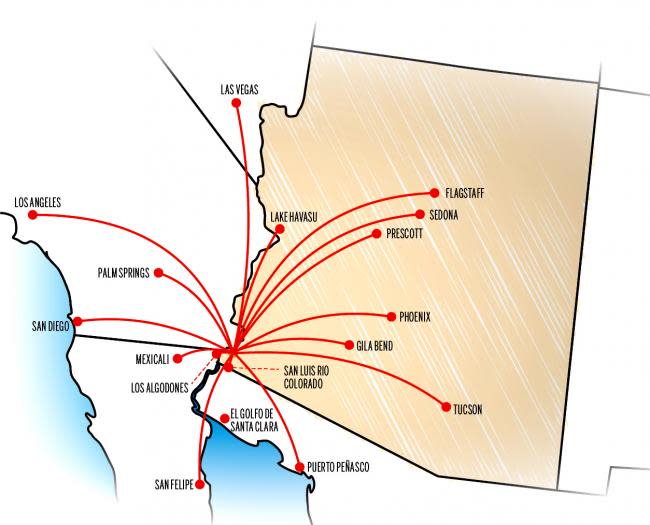
While a straight line on a map might suggest a shorter distance, real-world travel involves navigating roads and highways. The actual driving distance between Phoenix and Yuma is approximately 180 to 200 miles (290 to 320 kilometers), depending on your specific starting point in Phoenix and destination within Yuma. This distance typically translates into a driving time of about 3 to 3.5 hours under ideal conditions. It’s important to note that this estimate accounts for continuous driving at posted speed limits without significant stops. The route primarily traverses open desert, offering stretches of highway that allow for steady progress. For those interested in the precise air distance, Yuma is roughly 160 miles (257 kilometers) southwest of Phoenix, a figure primarily relevant for aviation but a useful comparison point. This difference underscores the practical considerations of ground travel, where infrastructure dictates the path.
Factors Influencing Travel Time
While 3 to 3.5 hours is a good baseline, several factors can significantly impact your actual travel time. Traffic congestion is perhaps the most prominent. Leaving Phoenix during peak morning or afternoon rush hours, particularly on weekdays, can add 30 minutes to an hour to your journey, especially when navigating through Maricopa County and around major interchanges. Similarly, arriving in Yuma during local peak times or special events could cause minor delays. Weather conditions also play a crucial role. While Arizona is famous for its sunny days, dust storms (haboobs) during monsoon season (typically July to September) can severely reduce visibility and necessitate slower speeds or even temporary road closures. Intense summer heat can also put extra strain on vehicles, potentially leading to roadside stops. Furthermore, the number and duration of stops for fuel, food, or rest breaks will naturally extend your overall travel time. Planning these stops strategically can help manage the journey efficiently. Finally, road construction projects, while essential for maintaining infrastructure, can lead to lane closures and detours, impacting travel flow. Checking real-time traffic updates and weather forecasts before and during your trip is highly recommended to anticipate and mitigate potential delays, ensuring a more predictable and less stressful drive from Phoenix to Yuma.
Navigating the Route: Major Highways and Scenic Alternatives
The road between Phoenix and Yuma is well-defined, primarily utilizing major interstate highways that cut through the stunning Sonoran Desert. While directness is often prioritized for this route, understanding the main thoroughfare and potential points of interest along the way can enhance the travel experience. This section details the most common and efficient path, offering insights into what to expect on your drive.
The Primary Route: I-10 and I-8 West
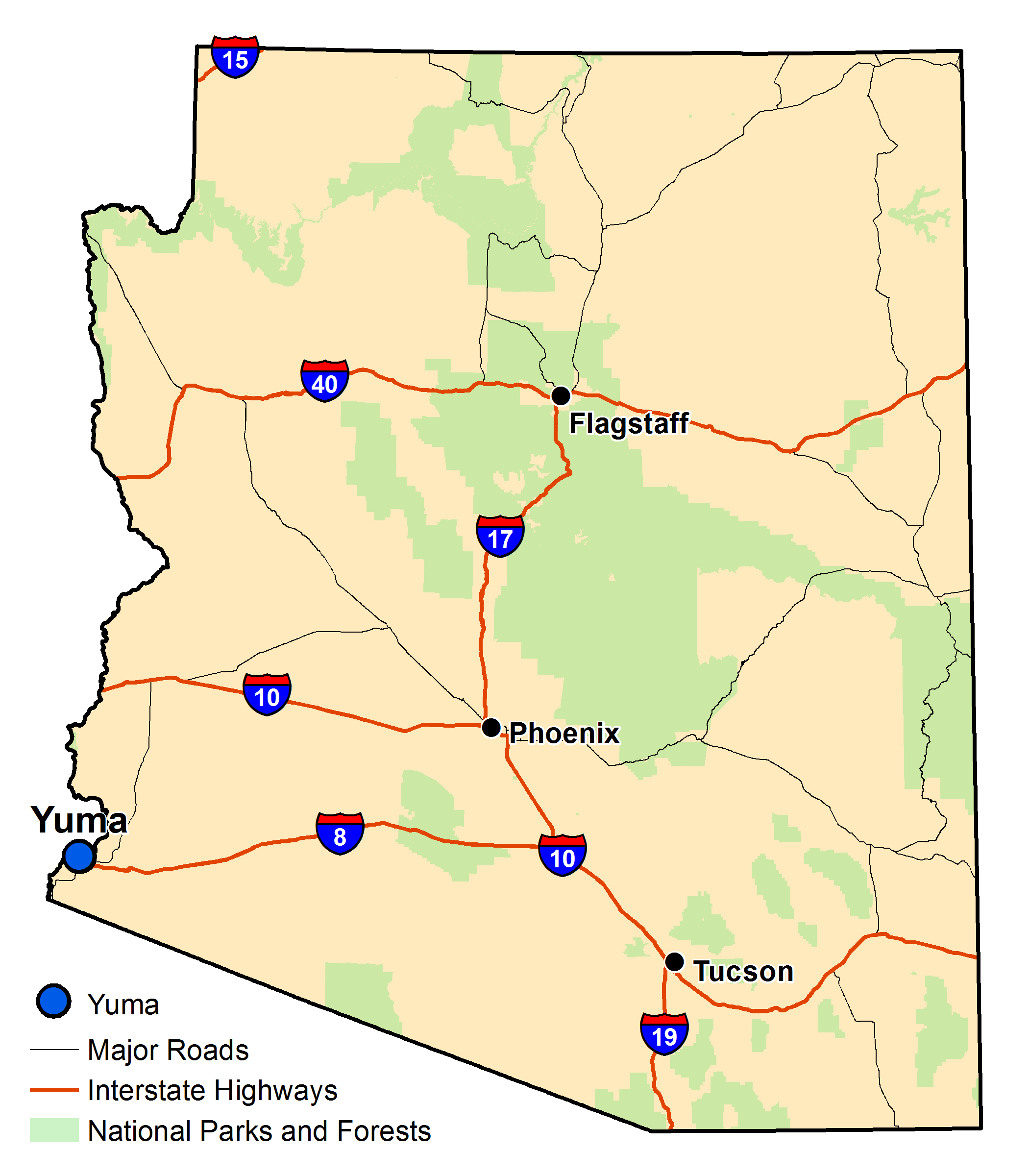
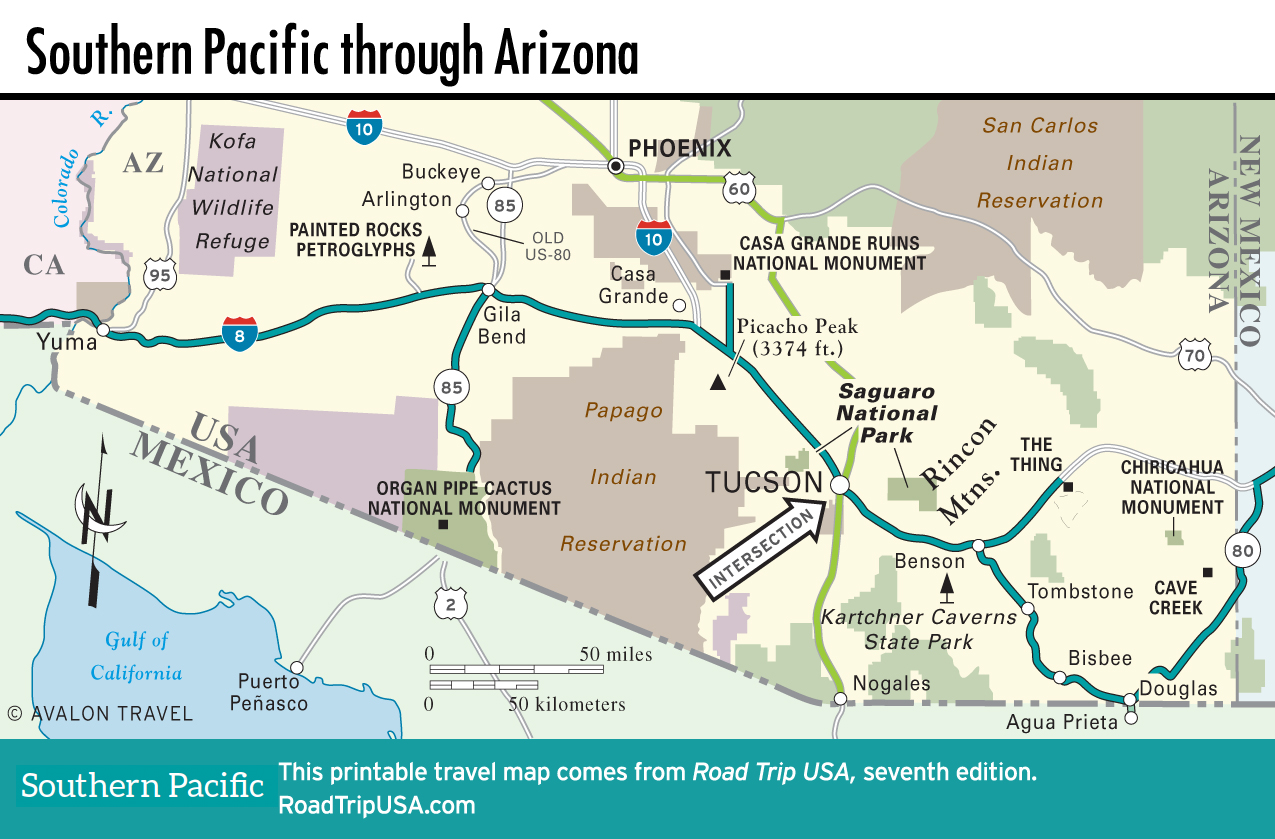
The most direct and widely used route from Phoenix to Yuma involves a combination of two major interstate highways: Interstate 10 (I-10) and Interstate 8 (I-8). You typically begin by heading west out of Phoenix on Interstate 10. This segment of the journey takes you through the western fringes of the greater Phoenix metropolitan area before transitioning into the vast expanses of the Sonoran Desert. After approximately 50 to 60 miles on Interstate 10, near the city of Casa Grande, you will take the exit for Interstate 8 West. Interstate 8 then carries you directly southwest for the remainder of the journey, passing through towns such as Gila Bend before ultimately reaching Yuma in Yuma County. This route is well-maintained, features multiple lanes for much of its length, and is generally considered straightforward, with clear signage throughout. The scenery along Interstate 8 is quintessential Arizona desert, characterized by saguaro cacti, rugged mountains in the distance, and wide-open skies.
Key Stops Along the Way
While the drive is relatively short, making a planned stop can break up the journey and offer a moment of respite. One of the most common and convenient stops is the town of Gila Bend, located almost halfway between Phoenix and Yuma on Interstate 8. Gila Bend offers several gas stations, fast-food restaurants, and convenience stores, making it an ideal place to refuel both your vehicle and yourself. It’s also home to a few local eateries that provide a taste of small-town Arizona hospitality. For those seeking a brief stretch of the legs or a photo opportunity, various roadside pull-offs offer panoramic views of the desert landscape. While extensive tourist attractions are sparse directly along this stretch of highway, the journey itself is a scenic experience, showcasing the raw beauty of the Sonoran Desert. Travelers should ensure they have sufficient water, especially during warmer months, as services can be spaced out. Planning a stop in Gila Bend is a practical approach to ensure a comfortable and safe journey without significantly extending travel time.
Beyond Driving: Other Transportation Options
While driving is overwhelmingly the most popular and often most convenient method for traveling between Phoenix and Yuma, it’s not the only option. For those who prefer not to drive, or who are traveling without access to a vehicle, several alternatives exist, each with its own advantages and considerations. Understanding these options can help travelers choose the mode of transport that best fits their needs, budget, and schedule.
Bus Services Connecting Phoenix and Yuma
Intercity bus services offer a viable and often economical alternative to driving. Companies like Greyhound operate routes that connect major cities across Arizona, including Phoenix and Yuma. These services typically depart from the Greyhound station in downtown Phoenix and arrive at the Yuma station. The journey duration by bus is usually longer than driving, often ranging from 4 to 5 hours, due to scheduled stops in intermediate towns like Gila Bend and potentially other minor detours. While less direct, bus travel allows passengers to relax, read, or work without the stress of navigating. Fares are generally affordable, making it an attractive option for budget-conscious travelers. It’s advisable to check the latest schedules and book tickets in advance, especially during peak travel seasons, to secure your seat and get the best rates.
Air Travel Considerations
For travelers considering air travel, it’s important to note that there are typically no direct commercial flights connecting Phoenix Sky Harbor International Airport (PHX) directly to Yuma International Airport (YUM). While Yuma does have an airport, its commercial services are often limited to regional connections, primarily to larger hubs outside of Arizona, such as Dallas-Fort Worth or Denver. Attempting to fly between Phoenix and Yuma would almost certainly involve a connecting flight through another state, which would significantly increase both travel time and cost, making it an impractical choice for this particular route. The efficiency of ground travel, whether by car or bus, far surpasses any potential benefits of air travel for this relatively short inter-state distance.
Ride-Sharing and Private Car Services
Ride-sharing services like Uber or Lyft are generally available in Phoenix, but arranging a long-distance trip to Yuma via these platforms might be challenging and prohibitively expensive. While some drivers might be willing to undertake such a journey, the cost would likely exceed that of renting a car for the day. Private car and shuttle services are another option, offering a more personalized and comfortable experience. These services can be pre-booked and often provide door-to-door transportation. However, similar to long-distance ride-sharing, the cost can be substantially higher compared to driving yourself or taking a bus. These options are typically chosen by travelers prioritizing convenience, comfort, and directness, often at a premium price. For most travelers, the self-drive option remains the most balanced in terms of cost, flexibility, and efficiency for the Phoenix-Yuma route.
Planning Your Journey: Tips for a Smooth Trip
A successful road trip, even a relatively short one like the drive from Phoenix to Yuma, requires thoughtful preparation. Given the desert environment and the open stretches of highway, a few key considerations can significantly enhance your safety and comfort. This section provides practical advice on timing your trip, what to pack, and how to ensure your vehicle is ready for the journey.
Best Time to Travel
Choosing the right time to travel can make a significant difference to your experience. The fall, winter, and spring months (October through April) are generally considered the best times to drive between Phoenix and Yuma. During these seasons, temperatures are mild and pleasant, making the journey comfortable and enjoyable. Daytime temperatures typically range from the 60s to 80s Fahrenheit (15-30°C), ideal for exploring upon arrival. Conversely, summer months (May through September) bring extreme heat, with temperatures often soaring well above 100°F (38°C). While driving is still feasible, the heat can be demanding on both vehicles and passengers. If traveling in summer, it’s highly advisable to depart early in the morning to avoid the peak afternoon heat. Additionally, the Arizona monsoon season, typically from July to September, can bring sudden and intense dust storms (haboobs) and flash floods, which can severely impact visibility and road conditions. Always check weather forecasts before heading out, regardless of the season.
Packing Essentials for the Desert Drive
Preparing your packing list thoughtfully for a desert drive is crucial. Hydration is paramount: always carry plenty of water, far more than you think you’ll need, especially during warmer months. The dry desert air can lead to rapid dehydration. Sun protection is also vital; pack sunglasses, sunscreen, a wide-brimmed hat, and light, breathable clothing to shield yourself from the intense Arizona sun. Snacks are always a good idea to keep energy levels up between stops. Consider a small cooler for drinks and perishable items. While cell phone service is generally reliable along Interstate 8, there can be intermittent dead zones in remote areas, so having offline maps downloaded or a physical map can be a good backup. Finally, a basic first-aid kit is a prudent addition for any road trip, preparing you for minor scrapes or ailments.
Ensuring Vehicle Readiness
Before embarking on your journey, a quick check of your vehicle is highly recommended to prevent unexpected breakdowns in the isolated desert environment. Tire pressure and tread depth should be checked, including the spare tire, as punctures are not uncommon on desert roads. Ensure all fluid levels (oil, coolant, windshield washer fluid) are topped off, especially coolant in the summer heat. A well-functioning air conditioning system is practically a necessity for comfort in [Arizona](https://lifeoutofthebox.com/arizona]’s climate. Check your wipers and lights for proper operation, particularly if there’s any chance of dust storms or nighttime driving. Carrying a jump starter or jumper cables can be a lifesaver. Finally, make sure your fuel tank is full before leaving Phoenix and consider topping it off at Gila Bend], as gas stations become sparser further west. These simple checks can provide peace of mind and ensure a smooth, uninterrupted drive to Yuma.
What Awaits You in Yuma: A Glimpse of the Destination
After successfully navigating the scenic desert route from Phoenix, you’ll arrive in Yuma, a city brimming with history, natural beauty, and a unique cultural identity. Known as the “Sunniest City on Earth,” Yuma offers a captivating array of attractions and activities that make the journey well worth it. This section provides a brief overview of what makes Yuma a compelling destination, inviting you to explore its rich heritage and vibrant outdoor scene.
Historical Significance and Attractions
Yuma’s strategic location on the Colorado River has bestowed upon it a profound historical significance, serving as a crucial crossing point for centuries. The city’s past is vividly brought to life through its well-preserved historical sites. The most famous is the Yuma Territorial Prison State Historic Park, which operated from 1876 to 1909 and housed some of the Wild West’s most notorious criminals. Visitors can explore the cells, guard tower, and main gate, gaining insight into the harsh realities of early Arizona justice. Equally compelling is the Quartermaster Depot State Historic Park, a significant supply post for the U.S. Army during the late 19th century, located on the banks of the Colorado River. These sites, along with others in the historic downtown district, offer a fascinating glimpse into Yuma’s role in shaping the American Southwest, from Native American history to Spanish exploration and American westward expansion.
Outdoor Activities
Beyond its historical allure, Yuma is a paradise for outdoor enthusiasts, capitalizing on its exceptional climate and natural surroundings. The revitalized Colorado River provides abundant opportunities for recreation, including kayaking, paddleboarding, and jet skiing. Numerous parks and access points along the river offer ideal spots for picnics, fishing, and simply enjoying the tranquil waterscape. For those who prefer land-based adventures, the vast desert landscapes surrounding Yuma are perfect for hiking, off-roading, and birdwatching. The nearby Kofa National Wildlife Refuge offers incredible opportunities to observe desert bighorn sheep and other native wildlife amidst dramatic mountain scenery. Additionally, Yuma’s mild winters make it a popular destination for golfers and RV snowbirds, who flock to the area to enjoy the sunny weather and diverse recreational options, solidifying its reputation as an ultimate outdoor playground.
Local Culture and Cuisine
Yuma’s culture is a vibrant blend of its historical roots, its position as a border town with Mexico, and its dynamic community. This fusion is perhaps best experienced through its diverse culinary scene. From authentic Mexican eateries serving up traditional dishes to classic American diners and contemporary restaurants, Yuma offers flavors to satisfy every palate. Don’t miss the opportunity to try local produce, especially during the harvest seasons when Yuma County is a leading agricultural producer. The city also hosts a variety of festivals and events throughout the year, celebrating everything from its agricultural bounty to its heritage and vibrant arts scene, offering visitors a chance to engage with the local community and experience the warm, welcoming spirit of Yuma. This unique blend of history, nature, and culture makes Yuma not just a stop along the way, but a memorable destination in its own right.
LifeOutOfTheBox is a participant in the Amazon Services LLC Associates Program, an affiliate advertising program designed to provide a means for sites to earn advertising fees by advertising and linking to Amazon.com. Amazon, the Amazon logo, AmazonSupply, and the AmazonSupply logo are trademarks of Amazon.com, Inc. or its affiliates. As an Amazon Associate we earn affiliate commissions from qualifying purchases.