
For any traveler or business professional planning a visit, understanding the local time is often the first crucial piece of information. As of this moment, if you’re wondering, “What is the time now in Tucson, Arizona?”, the answer is straightforward: Tucson operates on Mountain Standard Time (MST) throughout the entire year. This distinctive characteristic, primarily due to Arizona’s unique stance on Daylight Saving Time, makes planning your trip to this vibrant desert city both simple and fascinating.
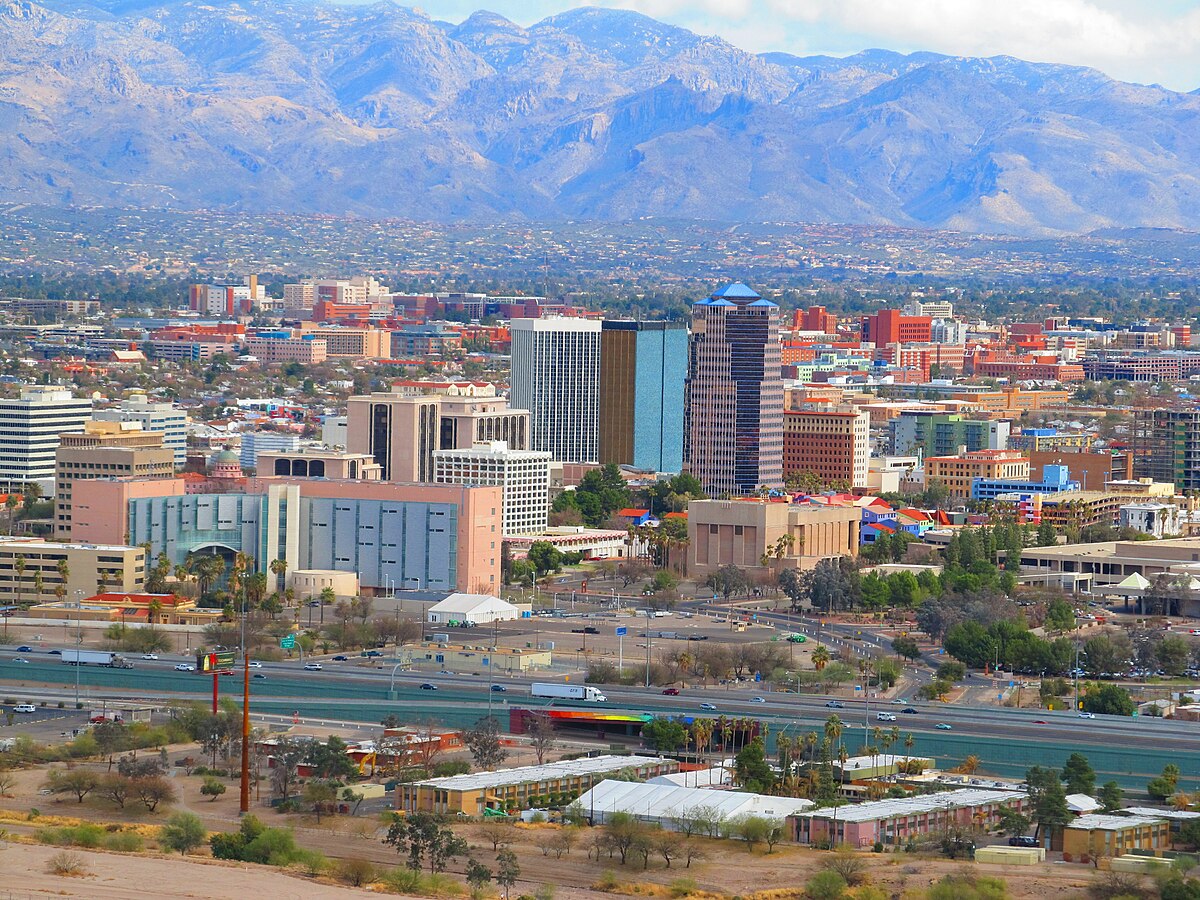
Tucson, nestled in the heart of the Sonoran Desert, is more than just a dot on the time zone map; it’s a bustling hub of culture, history, and breathtaking natural beauty. From the majestic saguaros standing sentinel in Saguaro National Park to the historic charm of Mission San Xavier del Bac, every minute spent here is an opportunity for discovery. This article will delve into Tucson’s time zone intricacies, explore how to best plan your days and nights in this captivating destination, and guide you through the diverse accommodation and lifestyle options available, all while keeping that ever-important clock in mind.
Understanding Tucson’s Time Zone: MST All Year Round
The consistent application of Mountain Standard Time in Tucson is a defining feature of Arizona timekeeping. Unlike most of the United States and Canada, which switch between standard and daylight saving times, Arizona (with one notable exception) remains on MST. This means that while other states adjust their clocks forward in spring and back in autumn, Tucson simply carries on, providing a stable time reference for visitors and residents alike.
The Arizona Anomaly: No Daylight Saving
The primary reason Arizona opted out of Daylight Saving Time decades ago stems from its extreme summer heat. The argument was, and remains, that moving clocks forward would only prolong the unbearable heat into the evening, requiring more air conditioning and energy consumption. By sticking to Mountain Standard Time, the sun sets an hour earlier during the summer months compared to states observing Daylight Saving Time, allowing for cooler evenings sooner. This makes outdoor activities more comfortable and energy costs lower.
For most of the year, Mountain Standard Time is equivalent to UTC-7. When Daylight Saving Time is in effect elsewhere, Tucson aligns with Pacific Daylight Time (PDT), as states on Pacific Standard Time (PST) move their clocks forward. When other regions revert to standard time, Tucson is then one hour behind Mountain Daylight Time (MDT) and the same time as Mountain Standard Time (MST) in states like Colorado or Utah.
The sole exception to Arizona’s no-DST rule is the Navajo Nation, a sovereign territory predominantly located in the northeastern part of the state, which does observe Daylight Saving Time. This is a crucial detail for anyone traveling through or conducting business with the Navajo Nation, but it does not affect Tucson itself.
Planning Your Visit: Time Differences with Other Major Cities
Understanding Tucson’s consistent MST status is essential when coordinating travel, business, or simply staying in touch with friends and family across different time zones.
Here’s a quick comparison to major time zones during various periods:
-
During Standard Time (Winter Months):
- Tucson (MST) is 2 hours behind Eastern Standard Time (EST).
- Tucson (MST) is 1 hour behind Central Standard Time (CST).
- Tucson (MST) is 1 hour ahead of Pacific Standard Time (PST).
- Tucson (MST) is 7 hours behind Greenwich Mean Time (GMT/UTC).
-
During Daylight Saving Time (Spring/Summer/Early Fall):
- Tucson (MST) is 3 hours behind Eastern Daylight Time (EDT).
- Tucson (MST) is 2 hours behind Central Daylight Time (CDT).
- Tucson (MST) is the same time as Pacific Daylight Time (PDT) in places like California and Nevada.
- Tucson (MST) is 7 hours behind Coordinated Universal Time (UTC/GMT).
This consistency simplifies many aspects of travel. You won’t have to worry about adjusting your watch upon arrival or departure unless you’re heading to or from the Navajo Nation or a state that observes DST. For international travelers, being 7 hours behind Greenwich Mean Time is a constant. For those within the United States, particularly from California, Nevada, or Mexico’s Sonora state (which also doesn’t observe DST), the time difference during summer is often non-existent or predictable. This predictability can be a boon for business travelers scheduling calls or for families arranging video chats.
Tucson Through the Hours: A Traveler’s Itinerary
Knowing the time in Tucson is just the beginning; the real question is how to fill those hours with unforgettable experiences. Tucson offers a diverse range of activities, from outdoor adventures to cultural immersions, each best enjoyed at specific times of the day.
Morning Adventures: Desert Wonders and Historic Sites
The Sonoran Desert comes alive in the morning, making it the ideal time for outdoor exploration. The air is crisp, the light is soft, and the desert wildlife is most active.
Start your day early with a visit to Saguaro National Park. Divided into two districts flanking the city, both offer breathtaking scenic drives, hiking trails, and the iconic saguaro cacti. The best time to experience this natural wonder is right after sunrise, watching the first rays illuminate the giant cacti. Similarly, the Arizona-Sonora Desert Museum, a unique zoo, botanical garden, and natural history museum rolled into one, is best explored in the cooler morning hours before the desert heat peaks. Here, you can encounter mountain lions, javelinas, and diverse bird species in beautifully recreated habitats.
For a dose of history and stunning architecture, make your way to Mission San Xavier del Bac. Known as the “White Dove of the Desert,” this historic Spanish Catholic mission, founded in 1692, is considered one of the finest examples of Spanish colonial architecture in the United States. Mornings offer serene lighting for photography and fewer crowds, allowing for a more reflective experience.
After your morning excursions, you’ll undoubtedly be ready for breakfast or brunch. Tucson’s culinary scene, recognized as a UNESCO City of Gastronomy, offers everything from traditional Sonoran Desert dishes to contemporary American fare. Explore local favorites in downtown Tucson or enjoy a leisurely meal at your resort.
Afternoon Explorations: Culture, Shopping, and Relaxation
As the sun climbs higher and the desert warmth intensifies, the afternoon is perfect for indoor activities, leisurely strolls, or relaxing by the pool.
The Pima Air & Space Museum offers an expansive collection of over 400 aircraft, spanning military, commercial, and civilian aviation history. It’s one of the largest non-government-funded aerospace museums in the world, offering hours of engaging exploration in air-conditioned comfort. For those interested in academia and innovation, a visit to the University of Arizona campus provides insight into the city’s educational heart, with its beautiful grounds and various museums.
If retail therapy or unique finds are on your agenda, head to Fourth Avenue. This eclectic district is renowned for its independent boutiques, art galleries, vintage shops, and vibrant street art. It’s a fantastic place to find one-of-a-kind souvenirs and soak in Tucson’s bohemian spirit.

For those staying at one of Tucson’s many luxurious resorts, the afternoon is an excellent time to take advantage of the amenities. Enjoy a refreshing swim in a resort pool, indulge in a spa treatment, or simply relax in the shade with a good book. Many hotels are designed with the desert climate in mind, offering lush oases to escape the midday sun.
Evening Delights: Culinary Journeys and Stargazing
As the sun begins its descent, Tucson transforms, offering spectacular sunsets and a lively evening atmosphere. The cooler temperatures make evenings ideal for dining al fresco, exploring nightlife, or embarking on a celestial adventure.
Tucson’s culinary scene truly shines in the evening. From upscale dining experiences to casual eateries, you’ll find a restaurant to suit every taste. Be sure to sample authentic Sonoran Desert cuisine, characterized by its unique blend of indigenous ingredients and Mexican influences, such as chimichangas and carne asada. Many restaurants offer outdoor patios, perfect for enjoying the mild evening air.
A quintessential Tucson experience is watching the sunset. Gates Pass, located in the Tucson Mountains, offers panoramic views of the desert landscape ablaze with color as the sun dips below the horizon.
After dinner, Tucson’s dark skies provide an unparalleled opportunity for stargazing. The city’s commitment to light pollution control means the heavens are remarkably clear. For an truly unforgettable experience, consider a trip to Kitt Peak National Observatory, home to the world’s largest collection of astronomical instruments. They offer night observing programs that allow visitors to look through powerful telescopes. Alternatively, many resorts provide stargazing programs or simply offer comfortable outdoor spaces where you can marvel at the Milky Way.
For those seeking more vibrant nightlife, downtown Tucson and Fourth Avenue come alive with bars, live music venues, and entertainment options. Hotel Congress, a historic landmark, is particularly famous for its legendary club, The Tap Room, and its lively atmosphere.
Where to Stay: Accommodations Tailored to Your Tucson Schedule
Tucson’s accommodation landscape is as diverse as its attractions, offering everything from sprawling luxury resorts to cozy boutique hotels and budget-friendly options. Your choice of lodging can significantly enhance your travel experience, aligning with your itinerary and lifestyle preferences.
Luxury Resorts and Wellness Retreats
For travelers seeking an indulgent escape, Tucson boasts an impressive array of luxury resorts that blend seamlessly with the desert landscape. These properties are destinations in themselves, offering extensive amenities that cater to relaxation and recreation.
The JW Marriott Starr Pass Resort & Spa offers a championship golf course, an elaborate water park, and a holistic spa, making it perfect for families and couples alike. The daily “Spirit of Starr Pass” ceremony at sunset is a unique local touch. Similarly, the Loews Ventana Canyon Resort is nestled into the Catalina Mountains, providing stunning views, two Fazio-designed golf courses, and the popular Lakeside Spa. The Westward Look Wyndham Grand Resort & Spa, one of Tucson’s oldest resorts, combines historic charm with modern luxury, offering equestrian activities and a serene spa.
These resorts are ideal for travelers who appreciate waking up to breathtaking views, spending afternoons by an expansive pool, and enjoying fine dining without leaving the property. They provide a luxurious base from which to explore Tucson’s attractions, offering a tranquil sanctuary after a day of adventure.
Boutique Hotels and Downtown Stays
If you prefer a more intimate experience or wish to be in the heart of the action, Tucson’s boutique hotels and downtown accommodations are excellent choices.
The historic Hotel Congress, mentioned for its vibrant nightlife, also offers unique guest rooms brimming with character. Staying here puts you steps away from downtown Tucson’s cultural venues, restaurants, and bars. It’s an ideal spot for those who want to immerse themselves in the city’s urban energy and historical charm.
The AC Hotel by Marriott Tucson Downtown provides a more contemporary experience with its modern design and central location, offering easy access to the Tucson Convention Center and nearby attractions like the Fox Tucson Theatre. These types of hotels are perfect for business travelers, those attending events, or culture enthusiasts who want to be within walking distance of galleries, shops, and dining.
Budget-Friendly Options and Long-Term Stays
Tucson also caters to budget-conscious travelers and those planning extended visits. Numerous hotel chains, including Marriott, Hilton, and IHG properties, offer comfortable and affordable options across the city, providing reliable service and amenities. Areas around the Tucson International Airport or along major thoroughfares often have a good selection of mid-range hotels.
For visitors planning a longer stay, such as “snowbirds” escaping colder climates for the winter or business professionals on extended assignments, Tucson offers an abundance of vacation rentals, apartments, and extended-stay hotels. These options often come with kitchenettes or full kitchens, laundry facilities, and more living space, providing a home-away-from-home feel. Websites specializing in vacation rentals provide a wide range of choices, from cozy casitas to larger homes, allowing travelers to experience local living and manage their budget effectively.
Maximizing Your Tucson Experience: Tips for Time-Sensitive Travelers
Beyond knowing the exact time, understanding the rhythms of Tucson can significantly enhance your travel experience. From choosing the best season to visit to embracing the local pace, these tips will help you make the most of your time.
Best Times to Visit: Seasons and Events
The time of year you choose to visit Tucson greatly impacts the weather and available activities.
- Winter (November to April): This is Tucson’s peak season, and for good reason. Temperatures are mild and pleasant, ideal for hiking, golfing, and outdoor exploration. Major events like the world-renowned Tucson Gem & Mineral Show (February) draw massive crowds. Expect higher prices for flights and accommodations, and book well in advance.
- Summer (May to September): Summers are hot, with daily temperatures often exceeding 100°F (38°C). However, this is also when you can find great deals on hotels and experience the dramatic monsoon season, with its spectacular afternoon thunderstorms. Early mornings and evenings are still beautiful for outdoor activities, while afternoons are best spent indoors or by the pool.
- Shoulder Seasons (April/May and October/November): These months offer a balance of pleasant weather and fewer crowds than winter. Spring brings blooming desert wildflowers, and fall provides comfortable temperatures.
Navigating Tucson: Transportation and Efficiency
Tucson is a sprawling city, and while downtown is walkable, a car is generally recommended for exploring attractions further afield, such as Saguaro National Park, Mount Lemmon, or the various resorts. Rental cars are readily available at Tucson International Airport (TUS).
The city also has a public transportation system, Sun Tran, and a modern streetcar, the Sun Link, which connects downtown, the University of Arizona, and Fourth Avenue. Utilizing these can be an efficient way to explore specific areas without the hassle of parking. Ride-sharing services are also widely available. When planning your daily itinerary, factor in travel time, especially during peak traffic hours, though Tucson’s traffic is generally less intense than larger metropolitan areas like Phoenix.
Embracing the Pace: Tucson’s Relaxed Lifestyle
Despite its size, Tucson maintains a laid-back, friendly atmosphere. Life here moves at a slightly slower, more deliberate pace, a reflection of its desert setting and strong cultural roots. As you plan your schedule, allow for flexibility. Don’t rush your meals, take time to enjoy the sunsets, and savor the tranquility of the desert.
Whether you’re visiting for a quick weekend getaway or an extended stay, understanding “What is the time now in Tucson, Arizona?” is the first step in unlocking a rich and rewarding travel experience. With its consistent time zone, diverse attractions, and welcoming atmosphere, Tucson invites you to slow down, explore, and create lasting memories under its perpetually clear skies.
LifeOutOfTheBox is a participant in the Amazon Services LLC Associates Program, an affiliate advertising program designed to provide a means for sites to earn advertising fees by advertising and linking to Amazon.com. Amazon, the Amazon logo, AmazonSupply, and the AmazonSupply logo are trademarks of Amazon.com, Inc. or its affiliates. As an Amazon Associate we earn affiliate commissions from qualifying purchases.