
Tucson, Arizona is a city that captivates with its unique blend of Old West charm, vibrant culture, and stunning desert landscapes. For prospective travelers and those curious about this fascinating destination, understanding its demographic profile is a crucial first step. The size and composition of a city’s population profoundly influence its character, its infrastructure, the breadth of experiences it offers, and even the general atmosphere visitors can expect. Far from being a mere statistic, the number of people calling Tucson home shapes everything from its bustling downtown to its quiet residential areas, its culinary scene to its artistic endeavors, and its connection to the vast Sonoran Desert that surrounds it.

This article delves into the population dynamics of Tucson, exploring not just the raw figures but also what these numbers mean for the city as a travel destination. We will uncover how its population size impacts its identity, its infrastructure, and the rich tapestry of attractions and experiences available to those who venture into this remarkable corner of the American Southwest.
Unpacking Tucson’s Demographic Profile
At the heart of understanding Tucson as a destination lies its demographic profile. The city’s population figures paint a vivid picture of its scale, its growth trajectory, and its overall capacity to host and entertain a steady stream of visitors. Knowing these numbers provides valuable context, helping travelers gauge the city’s size, potential for crowds, and the general availability of services and amenities.
The Latest Population Figures
As of recent estimates, the City of Tucson itself boasts a population of approximately 550,000 to 560,000 residents. This places Tucson as the second-largest city in Arizona, behind only Phoenix. However, to truly grasp the scale of the region, it’s essential to consider the broader metropolitan area. The Tucson Metropolitan Statistical Area (MSA), which includes surrounding communities in Pima County, is home to over 1 million people. This distinction is critical because many attractions, services, and economic activities that visitors might experience are spread across this wider metropolitan expanse, rather than being confined solely to the city limits. This metropolitan scale gives Tucson the resources and diversity of a larger urban center while the core city often retains a more manageable and accessible feel.
Understanding Population Density
The population density of Tucson is another key factor for travelers. Within its city limits, Tucson’s density is moderate, especially when compared to major coastal cities. This moderate density contributes to a sense of openness and less congestion, even in popular areas. While specific neighborhoods, particularly those around the University of Arizona or the downtown core, experience higher concentrations of people and activity, much of the city allows for comfortable movement. The urban sprawl often blends seamlessly into the desert environment, with considerable undeveloped land and natural preserves even within close proximity to residential areas. For visitors, this means that while urban amenities are plentiful, a sense of space and connection to nature is rarely far away, offering a distinct advantage over more densely packed destinations.
Growth Trends and Future Projections
Tucson has experienced steady population growth over the past few decades, a trend characteristic of many Sun Belt cities. Factors contributing to this growth include a favorable climate, a lower cost of living compared to coastal states, and a growing job market in sectors like aerospace, defense, optics, and healthcare. This consistent influx of new residents contributes to a dynamic and evolving city. For travelers, growth often translates to new developments, such as an expanding culinary scene, revitalized downtown areas, and ongoing investments in infrastructure and public spaces. Future projections suggest continued moderate growth, which implies that Tucson will likely maintain its balance of urban offerings and accessible natural beauty, without becoming overwhelmingly crowded. This sustained growth ensures a vibrant and evolving destination for years to come.
Tucson’s Population: A Tapestry of Cultures and Communities
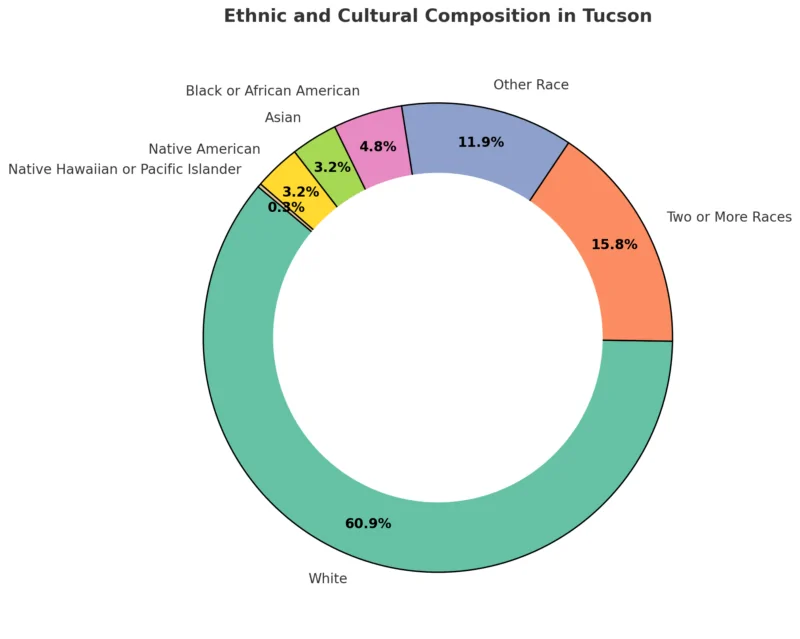
Beyond the sheer numbers, the composition of Tucson’s population plays a significant role in defining its unique character and appeal to travelers. A diverse population enriches a destination, offering a wider array of cultural experiences, culinary delights, and community events. Tucson is a prime example of such a vibrant melting pot.
A Diverse Urban Landscape
Tucson’s population is notably diverse, reflecting a rich history of Spanish, Mexican, Native American, and Anglo influences. The city is particularly known for its strong Hispanic heritage, which is deeply woven into its architecture, cuisine, traditions, and language. This cultural blend is a significant draw for travelers seeking authentic experiences. Beyond its historical roots, Tucson is also home to a thriving academic community centered around the University of Arizona, which attracts students and faculty from across the globe, adding an international flavor to the city. Furthermore, a growing retiree population, drawn by the mild winters and healthy lifestyle options, contributes to a community that values both leisure and engagement. This demographic mosaic means that visitors can encounter a wide range of perspectives, traditions, and community gatherings throughout their stay.
Impact on Local Identity and Vibe
The diverse population fundamentally shapes Tucson’s local identity and overall vibe. The city proudly embraces its designation as a UNESCO City of Gastronomy, a title largely earned through its deep culinary traditions rooted in indigenous and Mexican influences, cultivated over 4,000 years. This isn’t just about food; it’s about a community that values its heritage and expresses it through vibrant cultural festivals, art scenes, and community spaces. The blend of cultures also fosters a more laid-back, yet deeply connected, atmosphere. Travelers often describe Tucson as having a “big small town” feel, where genuine hospitality and a strong sense of place are palpable. This unique blend creates an inviting environment where visitors can feel immersed in a distinctive regional culture rather than just observing it.
Neighboring Communities and Regional Influence

The metropolitan area extends beyond the core city to include several distinct neighboring communities, each contributing to the regional character. Towns like Oro Valley, Marana, Sahuarita, and Vail add to the overall population and broaden the spectrum of experiences. Oro Valley, for example, is known for its upscale residential areas and access to outdoor recreation, while Marana offers a mix of agricultural heritage and modern developments. These adjacent areas mean that the influence of Tucson’s population extends regionally, shaping everything from local economies to shared cultural events and recreational opportunities. For travelers, this implies a wider range of activities and sights are within a short drive, making the entire Tucson area a comprehensive destination. Furthermore, the presence of the Tohono O’odham Nation and other Native American communities in the broader region adds another layer of rich cultural significance and history to explore.
How Population Shapes the Tucson Experience for Travelers
The number of people living in a destination is not merely an abstract figure; it has tangible implications for the experiences awaiting travelers. In Tucson, the city’s population size and demographic makeup directly influence its infrastructure, the scale of its attractions, and the vibrancy of its dining and entertainment scene.
Infrastructure and Accessibility
With over half a million residents in the city proper and over a million in the metro area, Tucson boasts a well-developed infrastructure that serves both its residents and its visitors. The city is easily accessible via Tucson International Airport (TUS), which offers direct flights to numerous major U.S. cities. Major interstates like I-10 pass through, connecting Tucson to other significant urban centers. Within the city, a comprehensive road network and an expanding public transit system, including the modern Sun Link Streetcar downtown, make getting around relatively straightforward. This level of infrastructure ensures that travelers can navigate the city with ease, reaching attractions, restaurants, and their accommodations without significant logistical hurdles, a benefit derived from supporting a substantial population base.
The Scale of Attractions and Activities
Tucson’s population size enables it to support a diverse and extensive range of attractions and activities that cater to varied interests. From world-class museums like the Pima Air & Space Museum and the Arizona-Sonora Desert Museum to historical sites such as Mission San Xavier del Bac and Old Tucson Studios, the city offers depth and breadth. The significant resident base ensures these attractions have a steady stream of visitors, allowing them to thrive and continually enhance their offerings. Moreover, the proximity to natural wonders like Saguaro National Park, the Catalina Mountains, and Mount Lemmon means that outdoor adventure is always within reach. The population supports the necessary infrastructure—trail maintenance, visitor centers, and emergency services—to make these natural attractions accessible and safe for everyone.
Dining, Arts, and Entertainment Scene
A vibrant population is the lifeblood of a thriving dining, arts, and entertainment scene, and Tucson is no exception. Its designation as a UNESCO City of Gastronomy speaks volumes, fueled by a diverse population that demands and supports a wide array of culinary experiences, from traditional Sonoran fare to innovative farm-to-table restaurants. The city’s numerous festivals, art galleries, live music venues, and theaters are all sustained by a robust local audience and tourist interest. The downtown area, in particular, has seen significant revitalization, now bustling with new eateries, bars, and cultural venues, transforming it into a dynamic hub for evening entertainment. This rich tapestry of cultural and recreational opportunities is a direct reflection of a population large enough to sustain such a vibrant ecosystem, providing travelers with endless options for leisure and exploration.
Balancing Urban Amenities with Natural Escapes
One of Tucson’s most compelling characteristics as a travel destination is its remarkable ability to blend urban sophistication with unparalleled access to pristine natural environments. The city’s population size is large enough to foster a rich urban experience, yet the surrounding landscape remains largely untouched, offering immediate escapes into the wild beauty of the Sonoran Desert.
Proximity to Wilderness Areas
Despite its status as a major metropolitan area, Tucson is uniquely situated at the doorstep of vast wilderness. The city is literally embraced by mountain ranges on all sides—the Santa Catalina Mountains to the north, the Rincon Mountains to the east, the Santa Rita Mountains to the south, and the Tucson Mountains to the west. This geographical layout means that within minutes of leaving downtown, residents and visitors can find themselves immersed in breathtaking desert landscapes, ready for hiking, biking, birdwatching, or stargazing. Saguaro National Park East and West districts flank the city, making access incredibly convenient. This proximity is a huge draw for nature lovers, offering a rare opportunity to combine urban exploration with genuine outdoor adventure without extensive travel.
Preserving the Desert Charm
The Tucson community, acutely aware of its unique desert setting, places a strong emphasis on preserving its natural charm. Urban planning and development are often guided by principles that seek to minimize impact on the delicate desert ecosystem and maintain dark skies for astronomical viewing. This commitment is supported by the collective will of its population, which values the distinct environmental character of the region. For travelers, this dedication means that even as the city grows, its essential desert identity remains intact. You won’t find endless sprawling suburbs consuming every natural space; instead, the urban environment respects and often integrates the surrounding desert, creating a harmonious blend that enhances the visitor experience. This conscious effort helps Tucson stand out as a destination that celebrates its natural heritage.
Sustainable Growth and Tourism
The balance between population growth and environmental preservation is a continuous effort in Tucson. The city actively promotes sustainable tourism practices, encouraging visitors to appreciate and protect the fragile desert environment. This includes efforts to conserve water, support local businesses that practice sustainability, and educate about responsible outdoor recreation. The population’s engagement in these efforts is crucial, fostering a community ethos that benefits both residents and visitors. This approach ensures that Tucson remains an appealing and well-preserved destination for future generations of travelers who come to experience its unique blend of urban culture and stunning natural beauty. The concept of “Sky Island” ecosystems, where diverse biomes exist at different elevations in the surrounding mountains, further exemplifies this unique ecological value that the local population strives to protect and share.
In conclusion, the question of “How Many People Live In Tucson, Arizona?” opens a window into the very essence of this remarkable destination. With a city population over half a million and a metropolitan area exceeding one million, Tucson offers the robust infrastructure and diverse amenities of a significant urban center. Yet, its unique demographic profile, commitment to cultural heritage, and unparalleled access to the breathtaking Sonoran Desert ensure a travel experience that feels both expansive and intimately connected to its distinctive sense of place. It’s a city where the number of its residents directly contributes to its vibrant culture, rich history, and the endless possibilities for adventure that await every visitor.
LifeOutOfTheBox is a participant in the Amazon Services LLC Associates Program, an affiliate advertising program designed to provide a means for sites to earn advertising fees by advertising and linking to Amazon.com. Amazon, the Amazon logo, AmazonSupply, and the AmazonSupply logo are trademarks of Amazon.com, Inc. or its affiliates. As an Amazon Associate we earn affiliate commissions from qualifying purchases.