
Understanding property taxes in Arizona is a crucial aspect of both homeownership and real estate investment within the state. These taxes form a significant portion of local government revenue, funding essential services such as schools, police, fire departments, and infrastructure improvements. For potential homebuyers, investors, and even current residents looking to budget effectively, a clear grasp of how property taxes are assessed and what factors influence their amount is paramount. This guide delves into the intricacies of Arizona’s property tax system, offering insights into valuation methods, tax rates, and factors that can impact your annual tax burden.
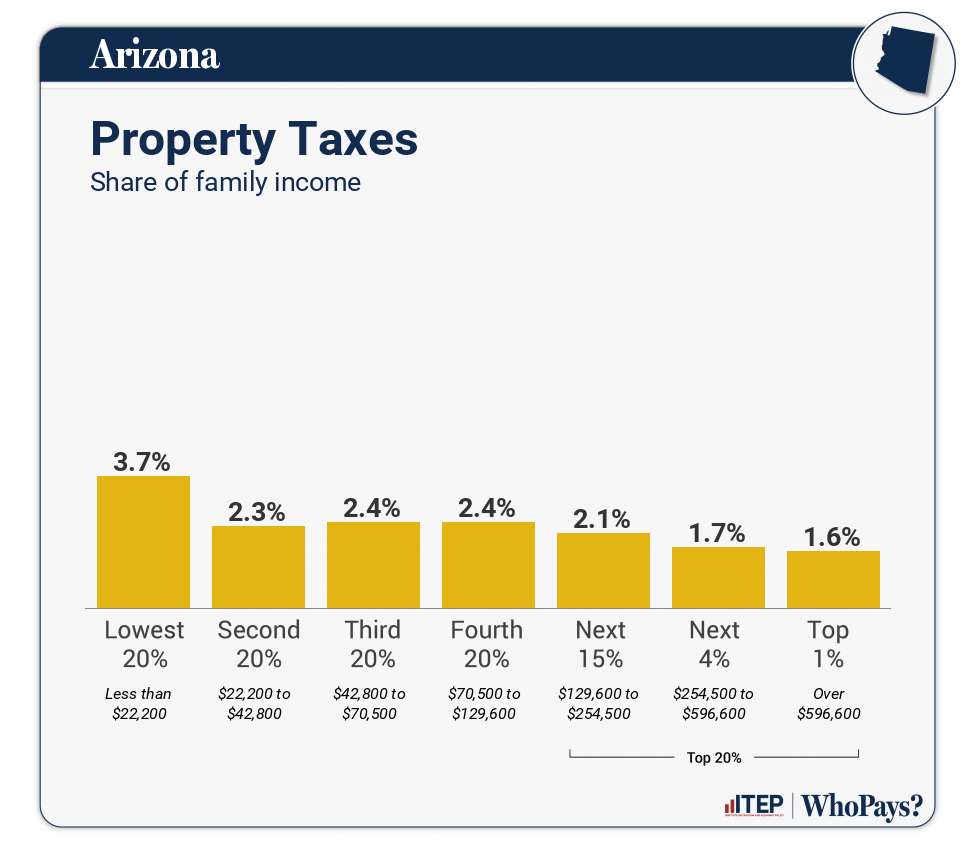
Understanding Arizona’s Property Tax Framework
Arizona operates under a unique system for property taxation, often referred to as a “limited” property valuation system for primary residences. This system aims to provide some predictability and stability for homeowners by limiting the rate at which their property’s assessed value can increase. However, it’s essential to distinguish between different types of property and their respective valuation methods.
Valuation Methods: Market Value vs. Limited Valuation
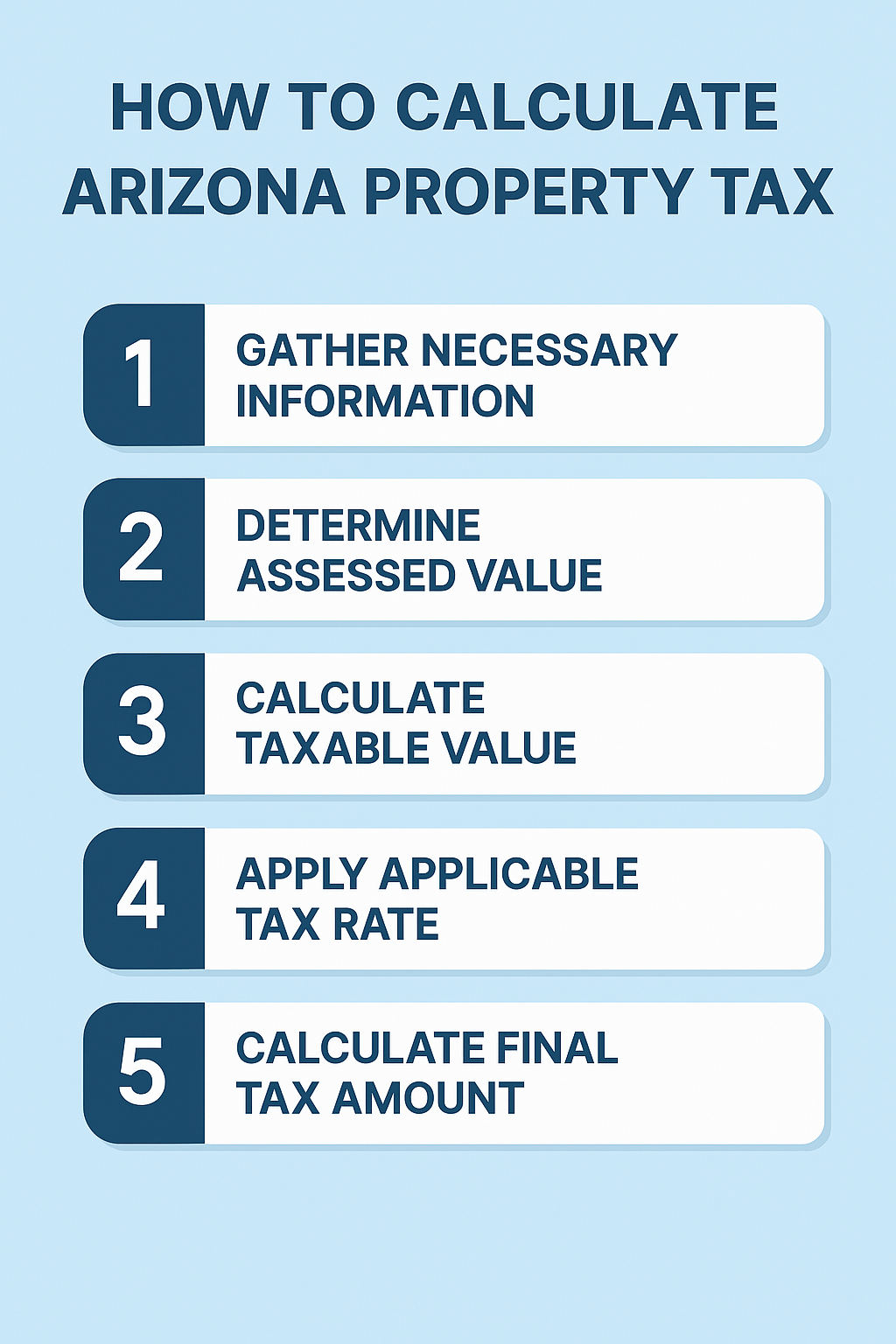
The foundation of any property tax calculation lies in the property’s assessed value. In Arizona, this process generally begins with determining the property’s full cash value (FCV), which is essentially its market value. This is the price that a willing buyer and seller would agree upon in an open market transaction. County assessors are responsible for establishing this FCV, typically through periodic reappraisals, often every few years.
However, for primary residences (owner-occupied homes), Arizona law imposes a “limited property value” (LPV). The LPV is capped at a maximum annual increase of 10% over the prior year’s LPV. This cap applies to the assessed value used for calculating property taxes, offering homeowners a shield against drastic year-over-year tax increases driven solely by market appreciation. It’s important to note that this limitation does not apply to secondary residences or commercial properties, which are taxed based on their full cash value.
For properties other than primary residences, including vacation homes, rental properties, and commercial buildings, the assessed value for tax purposes is generally 60% of the full cash value.
Tax Rates: The Levy and the Effective Rate
Once a property’s assessed value is determined, the next step is to apply the relevant tax rate, known as the tax levy. This levy is established by various taxing entities within a given jurisdiction. These entities can include:
- School Districts: A significant portion of property taxes often goes towards funding local public schools.
- Cities and Towns: Municipal governments use these funds for police, fire, public works, and other city services.
- Counties: County governments rely on property taxes for services like county roads, sheriff’s departments, and public health.
- Special Districts: These can include water districts, fire districts, library districts, and others that provide specific services.
Each of these entities sets its own budget and, consequently, its own portion of the tax levy. The sum of the levies from all applicable taxing districts determines the total tax rate for a particular property. This rate is typically expressed in dollars per $100 of assessed valuation.
The effective tax rate is a more practical figure for homeowners. It represents the actual percentage of your property’s market value that you pay in property taxes annually. It’s calculated by dividing the total property tax paid by the property’s full cash value (market value). While the tax levy is applied to the assessed value (LPV for primary residences, 60% of FCV for others), comparing effective rates across different areas can provide a clearer picture of the tax burden relative to a property’s worth.
Factors Influencing Property Tax Amounts
Several factors contribute to the final property tax bill for any given property in Arizona. Understanding these elements can help homeowners anticipate potential costs and identify strategies for managing their tax obligations.
Location, Location, Location: Jurisdictional Differences
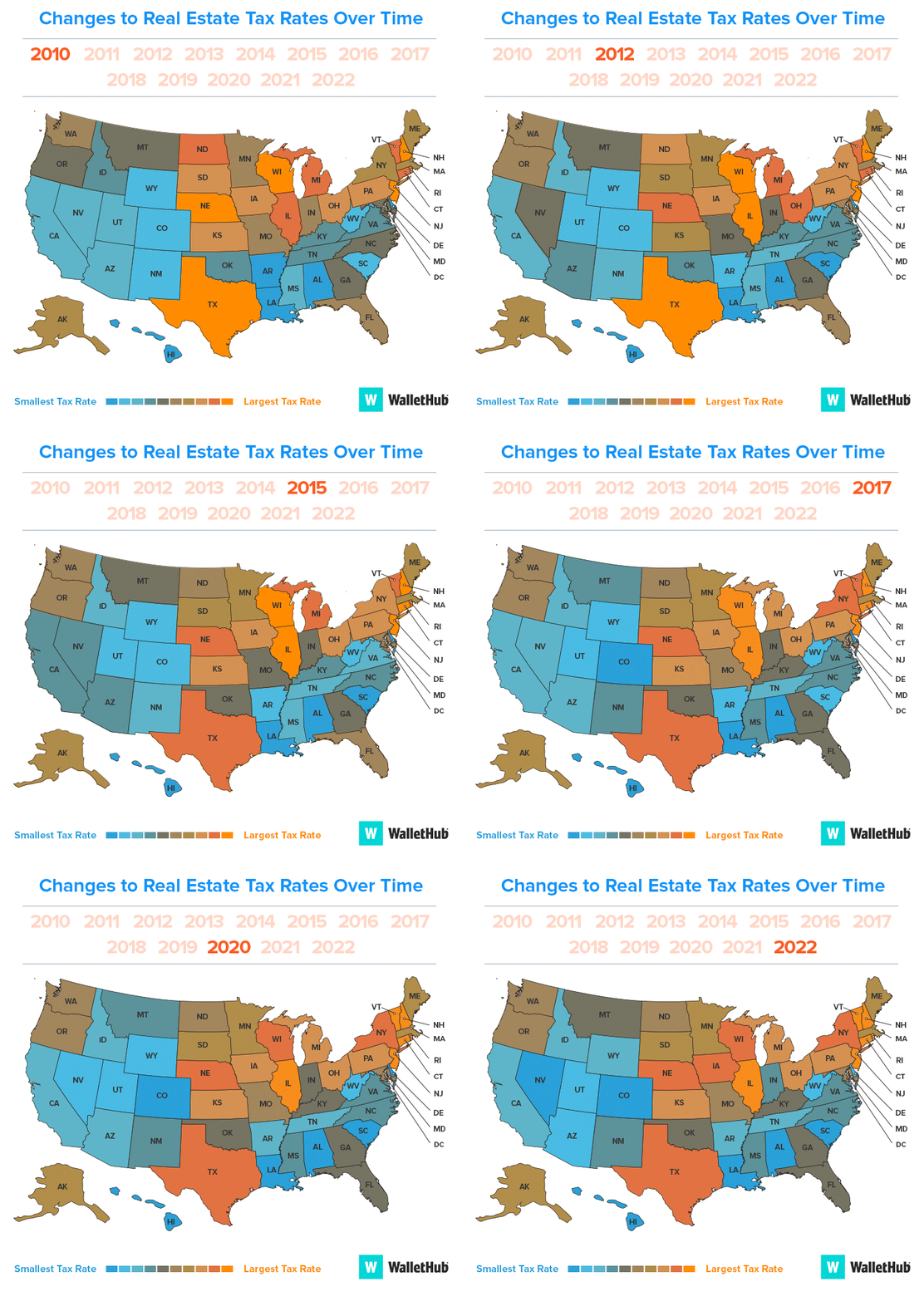
One of the most significant determinants of property tax rates is the specific location of the property. Different cities, towns, and counties in Arizona have varying needs and priorities, leading to different tax levies. Areas with highly-rated school districts, extensive public services, or significant infrastructure projects may have higher tax rates to support these initiatives. For instance, property taxes in popular tourist destinations or rapidly developing areas might differ considerably from those in more rural or established communities.
Property Type: Residential vs. Commercial
As mentioned earlier, the type of property plays a crucial role in its valuation for tax purposes. Primary residences benefit from the limited property valuation cap, which moderates tax increases. Other property types, such as vacation homes, rental properties, and commercial establishments, are typically assessed at a higher proportion of their market value and do not have the same LPV protections, leading to potentially higher tax liabilities relative to their market price.
Property Assessment and Appeals
The accuracy of a property’s assessed value directly impacts the tax bill. While county assessors strive for accuracy, errors can occur. Homeowners have the right to appeal their property’s assessed valuation if they believe it is inaccurate or unfairly high. The appeals process typically involves:
- Informal Review: Discussing concerns with the county assessor’s office.
- Formal Appeal to the County Board of Equalization: This board reviews assessments within the county.
- Appeal to the State Board of Tax Appeals: If the county board’s decision is unsatisfactory, the appeal can move to the state level.
- Court Action: As a final recourse, legal action can be pursued.
Successful appeals can lead to a reduced assessed value and, consequently, lower property taxes.
Changes in Levies and Tax Rates
Tax levies are not static. They can change annually based on the budgetary decisions of local taxing entities. Increases in the cost of providing services, new development requiring additional infrastructure, or shifts in state funding for schools can all lead to adjustments in tax rates. It’s important for property owners to stay informed about local government budgets and potential tax implications.
Navigating Property Tax Payments in Arizona
In Arizona, property taxes are typically due in two installments. The first half is generally due on October 1st of the tax year, with a grace period extending to November 1st. The second half is due on March 1st of the following year, with a grace period extending to March 31st. Tax bills are usually mailed out in September.
Understanding Your Property Tax Bill
Your annual property tax bill is a detailed document that outlines the assessed value of your property, the tax rates levied by various districts, and the total amount due. Key components of the bill include:
- Property Identification: Parcel number and property address.
- Assessed Valuation: The limited property value (LPV) for primary residences or the calculated value for other property types.
- Taxing Jurisdictions: A breakdown of the levies from each taxing entity (school district, city, county, etc.).
- Total Tax Due: The combined amount owed.
- Due Dates: The payment deadlines for each installment.
It is crucial to review your tax bill carefully upon receipt and ensure you understand all charges.
Paying Your Property Taxes
Property taxes can typically be paid online through your county treasurer’s website, by mail, or in person at the county treasurer’s office. Many counties offer online payment options, which often include credit card or electronic check payments. Delinquent payments can result in penalties and interest, and in extreme cases, can lead to tax liens and eventually the sale of the property.
Property Taxes and Real Estate Investments
For those considering real estate as an investment in Arizona, understanding property taxes is particularly vital. Investment properties, such as vacation rentals or commercial spaces, are subject to different valuation rules and lack the LPV protection afforded to primary residences.
Impact on Rental Income and ROI
Property taxes are an operating expense for rental properties. Higher property taxes directly reduce the net operating income (NOI) and, consequently, the return on investment (ROI). When evaluating potential rental properties, it is essential to factor in the projected property tax burden as part of the overall financial analysis. Researching average property tax rates in target investment areas is a critical due diligence step.
Considerations for Vacation Homeowners
Owners of vacation homes in Arizona also need to account for property taxes. While these properties may not be subject to the same scrutiny as primary residences in terms of income generation, they are still taxed at a higher rate than owner-occupied homes. The decision to purchase a vacation home, whether for personal use or short-term rental, should include a thorough assessment of recurring tax expenses. Popular destinations like Sedona or Scottsdale might have unique tax landscapes influenced by tourism and local development.
Seeking Professional Guidance
Navigating the complexities of Arizona’s property tax system can be challenging. For homeowners and investors alike, seeking professional advice can be invaluable.
When to Consult an Assessor or Tax Professional
- Disputing Property Valuation: If you believe your property’s assessed value is incorrect, a tax professional can help you prepare an appeal.
- Understanding Tax Implications of Real Estate Transactions: For buyers and sellers, a tax advisor can clarify how property taxes affect the transaction and ongoing ownership.
- Investment Property Planning: When structuring real estate investments, tax professionals can offer strategies to optimize tax liabilities.
- Exemptions and Abatements: While Arizona has fewer property tax exemptions than some states, understanding eligibility for any available programs is important.
By understanding the principles of property valuation, tax rates, and the factors influencing your tax bill, you can better manage your finances and make informed decisions about property ownership in the beautiful state of Arizona. From the vibrant city life of Phoenix to the serene desert landscapes, knowing your tax obligations is a fundamental aspect of enjoying your Arizona property.
LifeOutOfTheBox is a participant in the Amazon Services LLC Associates Program, an affiliate advertising program designed to provide a means for sites to earn advertising fees by advertising and linking to Amazon.com. Amazon, the Amazon logo, AmazonSupply, and the AmazonSupply logo are trademarks of Amazon.com, Inc. or its affiliates. As an Amazon Associate we earn affiliate commissions from qualifying purchases.