
Arizona, often celebrated for its breathtaking desert landscapes, vibrant saguaros, and iconic natural wonders like the Grand Canyon National Park, consistently ranks high on many travelers’ must-visit lists. From the bustling metropolitan energy of Phoenix and Tucson to the serene spiritual beauty of Sedona and the rustic charm of historic mining towns, the state offers an incredible diversity of experiences. However, amidst planning exhilarating hikes, reserving unique accommodations, and mapping out scenic drives, one subtle yet critical detail often surfaces as a point of confusion for visitors: Arizona’s time zone. Is it Mountain Standard Time or Pacific Time? Does it observe Daylight Saving Time? Understanding this unique temporal quirk is not just a matter of trivia; it’s an essential piece of information that can significantly impact the logistics, timing, and overall enjoyment of your Arizona adventure. For the savvy traveler, deciphering Arizona’s clock is the first step toward a seamless and stress-free journey through the Grand Canyon National Park State.
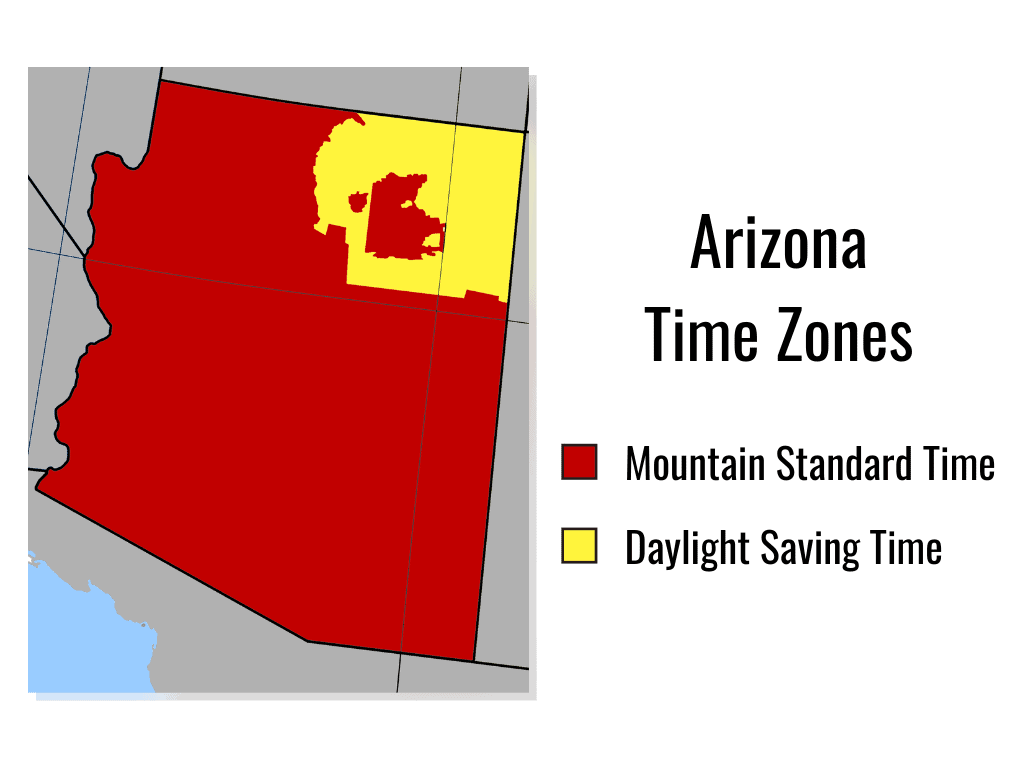
Decoding Arizona’s Unique Time Zone Status
Arizona’s relationship with time is distinct within the United States, particularly concerning Daylight Saving Time. This singular approach often leaves first-time visitors, and even some seasoned travelers, scratching their heads. For travel planning, unraveling this mystery is paramount to avoiding missed appointments or miscalculated itineraries.
The General Rule: MST All Year Round
The vast majority of Arizona operates on Mountain Standard Time (MST) throughout the entire year. The crucial distinction is that, unlike most other states that observe MST, Arizona does not switch to Mountain Daylight Time (MDT) during the spring and summer months. This means that from March to November, when states like Colorado, Utah, and New Mexico “spring forward” an hour for Daylight Saving Time, Arizona remains firmly planted in MST.
What does this translate to in practical terms for travelers? During the period when Daylight Saving Time is in effect across much of the nation, Arizona’s time effectively aligns with Pacific Daylight Time (PDT). So, if you’re traveling from Los Angeles, California, which observes PDT, there’s no time difference when you land in Phoenix or Tucson during these months. Conversely, when Daylight Saving Time ends, and other states revert to Standard Time, Arizona remains on MST, putting it one hour ahead of Pacific Standard Time (PST) and in sync with other MST-observing states. This consistency, while convenient in its unchanging nature, necessitates careful consideration for those crossing state lines or connecting with people in other parts of the country.
The Navajo Nation Exception
To add another layer of complexity, there is a significant exception to Arizona’s no-Daylight Saving Time rule: the Navajo Nation. As a sovereign Native American territory, the Navajo Nation (which encompasses a vast area across northeastern Arizona, as well as parts of Utah and New Mexico) does observe Daylight Saving Time. This means that during the months of Daylight Saving Time, the Navajo Nation is one hour ahead of the rest of Arizona.
For travelers exploring iconic sites such as Monument Valley, Antelope Canyon, or the Four Corners Monument, which are located within the Navajo Nation, this distinction is crucial. Imagine booking a sunrise photography tour for 6 AM within Antelope Canyon while staying in nearby Page, Arizona. If you’re not aware of the time difference, you could easily miss your tour by an hour, having mistakenly thought your 6 AM alarm on “Arizona time” was correct. The time zone boundary is not just theoretical; it can lead to tangible travel hiccups. When planning visits to these spectacular areas, always confirm the local time observed by the specific attraction or tour operator, as crossing into and out of the Navajo Nation can involve an immediate time shift.
Practical Implications for Arizona Travelers
Understanding Arizona’s time zone intricacies is more than just a matter of academic interest; it has concrete implications for every facet of a traveler’s journey. From the moment you book your flight to the last souvenir purchase, being time-zone savvy can make all the difference between a smooth trip and a frustrating series of missteps.
Planning Flights and Transportation
For many, the journey to Arizona begins with air travel into Phoenix Sky Harbor International Airport or Tucson International Airport. If you’re flying from a state that observes Daylight Saving Time during the summer months, your arrival time in Arizona will effectively be the same as your departure time (e.g., a 1 PM flight from Los Angeles arrives at 1 PM in Phoenix). This can be a pleasant surprise for some, as it feels like gaining an hour. However, it requires mental adjustment, particularly for return flights or connections through states that do observe DST. Always double-check flight times, especially when booking connecting flights or coordinating airport pickups. Similarly, for those driving into Arizona from neighboring states like California (PDT) or New Mexico (Mountain Daylight Time), remember the potential one-hour shift upon crossing the state line during DST. This can affect everything from picking up a rental car reservation to making it to your hotel check-in on time.
Coordinating Activities and Reservations
This is perhaps where time zone confusion can have the most immediate and tangible impact on a travel itinerary. Whether you’ve booked a guided tour of Antelope Canyon, a hot air balloon ride over Sedona, a dinner reservation in Old Town Scottsdale, or a tee time at a championship golf course, confirming the local time is paramount. Consider a scenario where you’re staying in Flagstaff (MST year-round) and have planned an excursion to Monument Valley (within the Navajo Nation, observing DST). If your tour starts at 8 AM local Monument Valley time, you’ll need to leave Flagstaff by 6:00 AM Flagstaff time to account for the two-hour drive and the one-hour time difference. Relying solely on your phone’s automatic time update can be risky, especially in remote areas with spotty service, or when crossing internal time zone boundaries within the state. Always confirm reservation times with the vendor and consider setting alarms manually.
Communication with Loved Ones
Beyond logistical concerns, Arizona’s unique time zone can also create mild confusion when communicating with friends and family back home. If you’re vacationing in Phoenix during the summer, and your family lives on the East Coast, you’ll be three hours behind them. If they’re in California, you’ll be on the same time. These shifts require a bit of mental arithmetic to avoid calling at inconvenient hours or missing important check-ins. While a minor inconvenience, it’s another aspect that reinforces the need for a conscious awareness of Arizona’s temporal rhythms.
How Arizona’s Time Zone Impacts Travel Experiences
The steady observation of Mountain Standard Time year-round in most of Arizona isn’t just a scheduling peculiarity; it actively shapes the traveler’s experience, influencing everything from the available daylight for activities to the flow of cross-state road trips.
Maximizing Daylight Hours
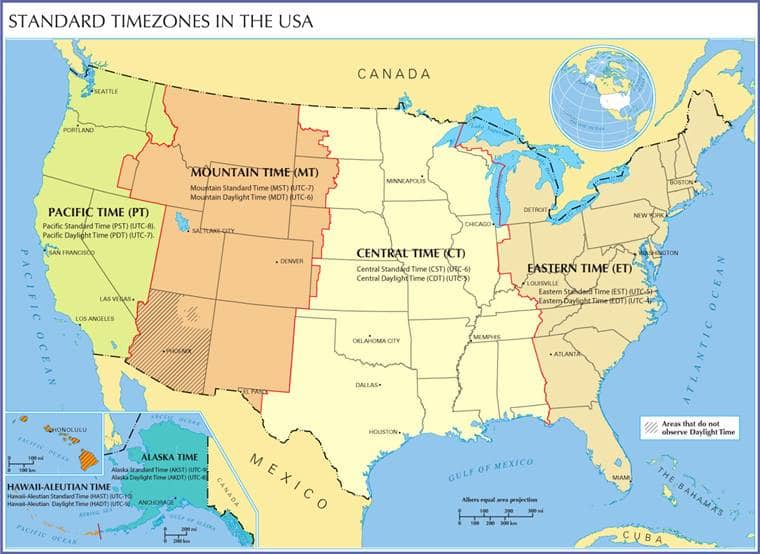
One significant benefit of Arizona’s non-Daylight Saving Time status, especially during the summer, is the relative lateness of sunrises and sunsets. With the clock not “springing forward,” mornings effectively start an hour later compared to states observing DST. This can be a boon for travelers who prefer a more relaxed start to their day, yet still want to enjoy long, warm evenings. For example, a sunset hike in the Phoenix mountains might commence around 7 PM or 8 PM in mid-summer, providing ample daylight for exploration before the heat of the day truly sets in and the stars emerge. Conversely, those seeking to avoid the intense midday summer heat can comfortably begin their activities in the late morning, knowing they still have plenty of daylight left. The consistency also means fewer adjustments to one’s internal clock, allowing for a more stable rhythm throughout a multi-day trip.
The Flow of Cross-State Travel
For road-trippers whose itineraries span multiple states, Arizona’s time zone becomes a dynamic element to navigate. Imagine driving from Las Vegas, Nevada (PDT during summer) to Kingman, Arizona (MST). During DST, these locations are on the same effective time, making the transition seamless. However, driving from Salt Lake City, Utah (Mountain Daylight Time) to Flagstaff, Arizona (MST) during the same period means you effectively “gain” an hour upon entering Arizona.
The most intricate dance with time occurs when traversing the Navajo Nation. A journey from Grand Canyon Village (MST) to Monument Valley (MDT during DST) involves losing an hour. Then, if you continue east into New Mexico (MDT), the time remains consistent. However, turning south and re-entering the main part of Arizona (MST) from the Navajo Nation means gaining that hour back. These subtle shifts can accumulate, leading to minor disorientation if not anticipated. Smart travelers incorporate these time zone changes into their driving estimates, ensuring they arrive at destinations or attractions precisely when intended.
Navigating Specific Arizona Destinations and Their Time Zones
While the general rule of MST year-round covers most of Arizona, and the Navajo Nation serves as the primary exception, it’s helpful for travelers to mentally categorize key destinations based on their timekeeping practices. This localized understanding simplifies itinerary planning.
Major Cities and Tourist Hubs
All of Arizona’s major urban centers and most popular tourist destinations strictly adhere to Mountain Standard Time (MST) without observing Daylight Saving Time. This includes:
- Phoenix and its surrounding metropolitan area (e.g., Scottsdale, Mesa, Tempe)
- Tucson
- Flagstaff
- Sedona
- Grand Canyon National Park (both the South and North Rims)
- Page (home to Horseshoe Bend and a gateway to Antelope Canyon, though Antelope Canyon itself is within the Navajo Nation and follows its time)
- Yuma
- Kingman
When planning activities, dining, or accommodations in these areas, you can confidently operate on MST year-round. This consistency is one of the more traveler-friendly aspects of Arizona’s time zone policy, preventing hourly shifts within the state’s most frequently visited regions.
The Navajo Nation and Its Borders
The areas requiring specific attention are those within the Navajo Nation, which includes notable attractions such as:
- Monument Valley Navajo Tribal Park
- Antelope Canyon (Lower and Upper)
- Canyon de Chelly National Monument
- Four Corners Monument (shared with Utah, Colorado, and New Mexico, all of which observe DST)
- The city of Window Rock (the capital of the Navajo Nation)
During the months when Daylight Saving Time is active (roughly March to November), these locations will be one hour ahead of the rest of Arizona. For example, if it’s 10 AM in Page, it will be 11 AM in Antelope Canyon or Monument Valley. When making reservations for tours or accommodations within these specific regions, always confirm the time being observed by the local business or guide. Many tour operators in areas bordering the Navajo Nation are highly accustomed to this confusion and will explicitly state whether their tour times are on “Arizona Time” or “Navajo Time.” Heeding these advisories is critical to avoiding disappointment.
Essential Tips for Time-Zone Savvy Arizona Travel
While Arizona’s time zone situation might seem complicated at first glance, a few simple strategies can ensure you navigate it with ease and maximize your travel enjoyment.
Set Your Devices Automatically, But Verify Manually
Most modern smartphones and GPS devices are designed to automatically update time zones. For the most part, this system works reliably in Arizona, especially in major cities. However, in remote areas with limited cell service or when crossing internal boundaries like those of the Navajo Nation, your device might not update immediately or correctly. It’s always a good practice to periodically check your phone’s time against a reliable source (like asking a local, checking a business clock, or even referring to a traditional watch set manually) when you arrive in a new area or cross a significant internal boundary.
Always Confirm Local Times
When booking tours, making dining reservations, or arranging transportation, make it a habit to confirm what “local time” means to the vendor. A quick phone call or a review of their website’s FAQ section can prevent considerable stress. This is particularly vital for experiences like slot canyon tours that are time-sensitive and operate on strict schedules. “Is that on Arizona time or Navajo time?” is a perfectly acceptable and often necessary question to ask.

Embrace the Unique Aspect
Instead of viewing Arizona’s time zone as a hindrance, consider it part of the state’s unique character and an interesting detail of your travel story. It highlights the state’s independence and offers a subtle reminder of the diverse cultures and geographies within its borders. A little preparation and awareness will go a long way in ensuring that your Arizona adventure runs as smoothly as the desert breeze.
In conclusion, the vast majority of Arizona observes Mountain Standard Time year-round, never adjusting for Daylight Saving Time. This places it on the same time as Pacific Daylight Time during summer months and one hour ahead of Pacific Standard Time during winter. The critical exception is the Navajo Nation, which does observe Daylight Saving Time, resulting in a one-hour difference from the rest of Arizona for a significant portion of the year. By keeping these key facts in mind and exercising a touch of vigilance, travelers can confidently navigate the temporal landscape of Arizona and immerse themselves fully in its extraordinary beauty and experiences without missing a beat.
LifeOutOfTheBox is a participant in the Amazon Services LLC Associates Program, an affiliate advertising program designed to provide a means for sites to earn advertising fees by advertising and linking to Amazon.com. Amazon, the Amazon logo, AmazonSupply, and the AmazonSupply logo are trademarks of Amazon.com, Inc. or its affiliates. As an Amazon Associate we earn affiliate commissions from qualifying purchases.