
Understanding the clock can be surprisingly complex when you travel, and few places exemplify this better than Arizona. For visitors planning a trip to the vibrant city of Glendale, Arizona, knowing the local time isn’t just a matter of setting your watch; it’s key to seamlessly enjoying everything this unique destination has to offer. From catching a game at State Farm Stadium to exploring the charming boutiques of Historic Downtown Glendale, being in sync with local time ensures you don’t miss a beat.
Arizona stands apart in the United States for its distinctive approach to time. While most states adjust their clocks twice a year for Daylight Saving Time (DST), the vast majority of Arizona does not. This means that throughout the year, the state consistently observes Mountain Standard Time (MST). During the winter months, when DST is not in effect, Glendale shares the same time as neighboring states like Colorado and New Mexico which are also on MST. However, once spring arrives and other states “spring forward” into Mountain Daylight Time (MDT) or Pacific Daylight Time (PDT), Glendale remains on MST, effectively aligning its clock with Pacific Daylight Time (PDT) states such as California and Nevada.

This unique temporal rhythm makes Glendale an intriguing point of interest for travelers. Whether you’re arriving from a different time zone or simply trying to coordinate with friends and family elsewhere, a clear understanding of Arizona’s timekeeping is essential for planning your travel itineraries, booking accommodations, and scheduling local activities. This guide delves into the specifics of time in Glendale, offering practical insights for your journey and highlighting how to maximize your experience in this captivating desert city at any hour.
Navigating Time Zones: A Traveler’s Guide to Arizona’s Unique Clock
For many first-time visitors, the most perplexing aspect of visiting Glendale, Arizona, is its distinct time zone practice. Unlike the majority of the United States, which observes Daylight Saving Time (DST), Arizona generally opts out. This decision, rooted in a desire to avoid even hotter summer afternoons, has significant implications for how you plan your trip and interact with the local schedule.
The Arizona Anomaly: Understanding Mountain Standard Time (MST)
Mountain Standard Time (MST) is the constant for most of Arizona. While many parts of the United States shift their clocks forward by an hour in spring and back in autumn, Glendale and its surrounding areas steadfastly remain on MST year-round. This means that from approximately early March to early November, when other states observe Daylight Saving Time, Arizona’s clock effectively aligns with Pacific Daylight Time (PDT). If you’re flying in from California or Nevada during these months, there will be no time difference. However, if you’re coming from states in the Mountain Time Zone that do observe DST, such as Utah or Colorado, you’ll need to set your watch back an hour upon arrival.
During the winter months, from roughly November to March, when Daylight Saving Time is not in effect across the country, Glendale’s time will match that of the other states in the Mountain Time Zone. This consistency can be a blessing for those looking to escape the confusion of seasonal clock changes, but it demands a moment of understanding for those coordinating from afar. The practical implications are wide-ranging, affecting everything from your flight arrival times to the opening hours of attractions and scheduled tours. Always double-check local times for reservations, especially if booking activities far in advance. Many digital devices automatically adjust, but relying solely on them without understanding the Arizona rule can lead to missed appointments or confusion, particularly when communicating with people outside the state. It’s always wise to confirm if a specified time is “Arizona time” to avoid any discrepancies.
A Brief Note on the Navajo Nation
While the non-observance of Daylight Saving Time is a defining characteristic of Arizona, there’s a crucial exception that travelers should be aware of: the Navajo Nation. The vast Navajo Nation territory, which spans portions of northeastern Arizona, New Mexico, and Utah, does observe Daylight Saving Time. This means that for part of the year, areas within the Navajo Nation will be an hour ahead of the rest of Arizona.
This distinction is particularly important for anyone planning extensive travel through the northern parts of Arizona, perhaps to visit iconic landmarks like the Grand Canyon’s east rim or the breathtaking landscapes of Monument Valley, much of which lies within the Navajo Nation. While Glendale itself is far from these areas, understanding this internal time zone variation highlights the nuanced nature of time across the state. It’s a testament to the diverse cultural and geographical landscape that makes Arizona such a fascinating travel destination. For most visitors to Glendale and the wider Phoenix metropolitan area, the rule of consistent Mountain Standard Time (MST) applies, offering a straightforward timekeeping experience once understood.
Beyond the Clock: Experiencing Glendale, Arizona at Any Time
While understanding Glendale’s unique time zone is a practical necessity, the true joy of visiting this dynamic city lies in its endless opportunities for exploration and enjoyment, no matter what the clock says. Glendale offers a rich tapestry of experiences, from sun-drenched morning activities to vibrant evening entertainment, catering to all types of travelers, from families to business guests. Its diverse attractions, cultural richness, and engaging lifestyle elements make it a standout destination within the greater Phoenix metropolitan area.
Morning Adventures and Daytime Delights
The clear, often crisp mornings in Glendale are perfect for kicking off your day with energy and discovery. For those seeking active pursuits, the city offers numerous parks and outdoor spaces ideal for a refreshing walk or a challenging hike. Thunderbird Conservation Park provides miles of scenic trails with panoramic views of the Sonoran Desert and the city below, offering an excellent start to the day before the midday sun becomes too intense. Families will delight in a visit to the Wildlife World Zoo, Aquarium & Safari Park, where you can spend hours observing exotic animals and marine life. Early mornings are often the best time to see the animals at their most active.
For a taste of local history and culture, head to Sahuaro Ranch Park. This historic ranch, dating back to 1886, offers a glimpse into Arizona’s agricultural past with original buildings, a working farm, and beautiful rose gardens. It’s a tranquil spot for a leisurely morning stroll. Afterward, make your way to Historic Downtown Glendale, renowned for its charming “Antique Capital” designation. Here, you can browse quaint antique shops, specialty boutiques, and art galleries, perhaps stopping for a delicious brunch or coffee at one of the many local cafes. The daytime in Glendale also presents opportunities for sports enthusiasts, with behind-the-scenes tours often available at State Farm Stadium, home to the Arizona Cardinals and host to major events. During spring training, Camelback Ranch-Glendale becomes a bustling hub for baseball fans, with the Los Angeles Dodgers and Chicago White Sox holding their practice sessions here as part of the Cactus League.
Sunset Serenity and Evening Entertainment
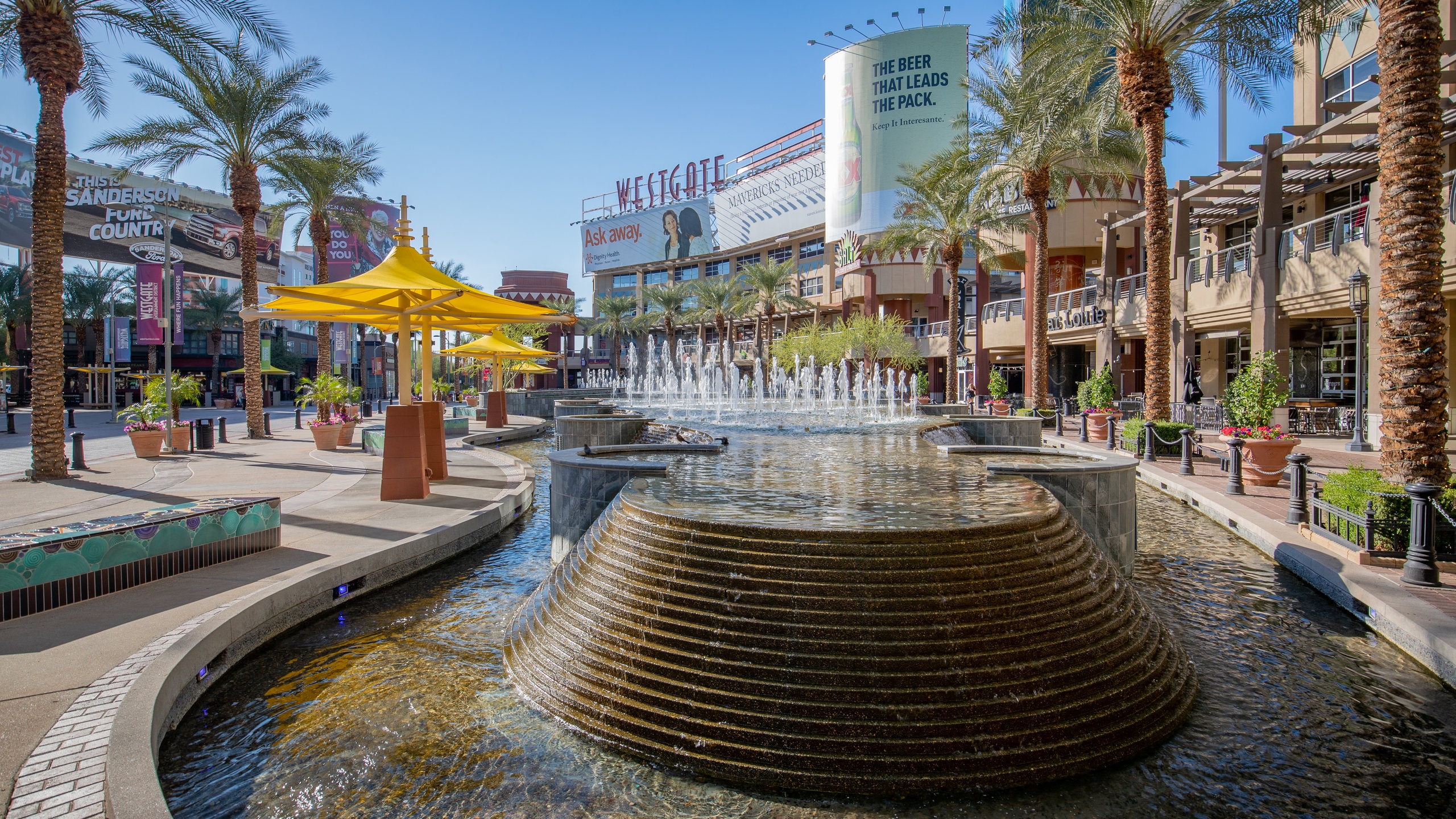
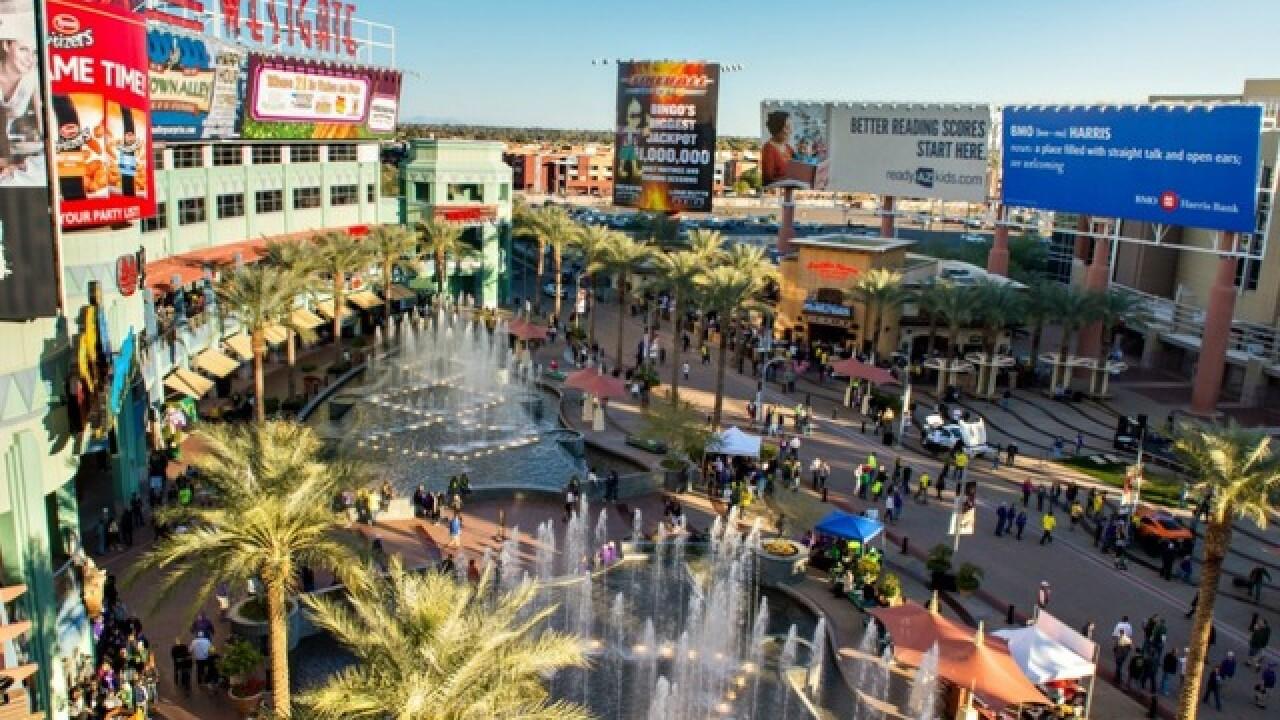
As the Arizona sun begins its descent, painting the desert sky with breathtaking hues, Glendale transitions into a vibrant evening destination. This is the perfect time to experience the city’s lively social scene and enjoy delectable culinary offerings. The Westgate Entertainment District truly comes alive after dark, offering a dynamic blend of dining, shopping, and entertainment options. You’ll find a wide array of restaurants catering to every palate, from casual eateries to upscale dining experiences, perfect for a romantic dinner or a celebratory meal with family and friends.
Beyond dining, Westgate is also home to various venues that host concerts, live music, and other performances throughout the year, ensuring there’s always something exciting happening. For sports fans, evening games at State Farm Stadium or the Desert Diamond Arena (formerly Gila River Arena, which was previously linked) offer an electrifying atmosphere, whether it’s an NFL game, a major concert, or a special event. The city’s entertainment districts provide ample opportunities for a fun night out, whether you’re looking for a lively bar, a relaxed lounge, or a family-friendly activity. Seasonal events like Glendale Glitters, one of the largest free holiday light displays in Arizona, transform Historic Downtown Glendale into a magical spectacle during the winter months, drawing crowds from across the state and beyond. Evenings in Glendale offer a chance to unwind, socialize, and immerse yourself in the local culture under the starry Arizona sky, creating lasting memories of your visit.
Planning Your Glendale Stay: Accommodation & Travel Tips
A well-planned trip to Glendale goes beyond just understanding the time zone; it involves strategic choices in accommodation, mindful budgeting, and practical travel tips to enhance your overall experience. Whether you’re seeking luxury, convenience, or an extended stay, Glendale’s diverse offerings cater to every preference and lifestyle.
Finding Your Perfect Glendale Accommodation
Glendale provides a comprehensive range of accommodation options to suit various tastes and budgets, ensuring every traveler finds their ideal home away from home. For those seeking a lavish experience, luxury resorts and suites offer premium amenities such as spa services, gourmet dining, and stunning pool areas. The Renaissance Glendale Hotel & Spa, for instance, provides an upscale experience with direct access to the Westgate Entertainment District and proximity to major sporting venues, making it a prime choice for both leisure and business stays. These properties often feature state-of-the-art fitness centers, concierge services, and beautifully appointed rooms, perfect for a relaxing retreat or a base for a luxury travel adventure.
Alternatively, budget travel options are plentiful, including well-known hotel chains offering comfortable rooms and essential amenities at more accessible price points. For travelers planning an extended stay, or those preferring a more home-like environment, apartments and villas available through various booking platforms offer greater flexibility, often including full kitchens and separate living areas. When choosing your accommodation, consider its proximity to the attractions you wish to visit, whether it’s the vibrant Westgate Entertainment District, the historical charm of Historic Downtown Glendale, or the convenience of being near Phoenix Sky Harbor International Airport. Always consult reviews and use comparison sites to ensure you’re getting the best value and amenities for your needs. Booking in advance, especially during peak seasons or major events like the Cactus League spring training or NFL games, is highly recommended to secure your preferred spot and potentially better rates.
Making the Most of Your Visit: Practical Travel Advice
To truly maximize your experience in Glendale, a few practical tips can make all the difference. Given Arizona’s desert climate, the best time to visit is typically during the cooler months, from October to April. During this period, temperatures are pleasant, ideal for outdoor activities and exploring landmarks. Summers, while less crowded, can be intensely hot, often exceeding 100°F (38°C), making indoor attractions and early morning/late evening excursions more favorable. Regardless of the season, hydration is paramount; always carry water, especially if you plan on hiking or spending extended time outdoors. Sun protection, including hats, sunglasses, and sunscreen, is also crucial.
Transportation around Glendale and the wider Phoenix metropolitan area is generally best managed with a rental car, offering the freedom to explore at your own pace. Public transportation options exist but may not reach all tourist destinations efficiently. Ridesharing services are also readily available. For those interested in local culture and food, seek out independent restaurants that showcase Southwestern flavors and fresh, local ingredients. Don’t miss the opportunity to try authentic Mexican cuisine, a staple in this region. Look out for farmers’ markets or local festivals for unique insights into the community and its artisan crafts. Engaging with locals can provide invaluable tips on hidden gems and unique experiences. Finally, keep an eye on local event calendars. Glendale frequently hosts events, from sports championships at State Farm Stadium to cultural celebrations and art walks in its historic districts. Aligning your trip with a special event can add an extra layer of excitement and memorable experiences to your travel.
Glendale’s Timeless Allure: Landmarks and Local Culture
Beyond its unique time zone and dynamic entertainment, Glendale, Arizona, captivates visitors with its rich history, distinct architecture, and vibrant local culture. The city is a treasure trove of landmarks that tell stories of its past, alongside a thriving contemporary scene that celebrates both its heritage and its future. Exploring these facets allows travelers to connect deeply with the essence of this desert city, transcending mere sightseeing to embrace a more profound travel experience.
Historical Gems and Architectural Wonders
The heart of Glendale’s historical charm resides in its meticulously preserved Historic Downtown Glendale. This area is not just a commercial hub but a living museum, featuring several beautifully restored buildings that hark back to the city’s early days as an agricultural settlement. The architecture here showcases a blend of early 20th-century styles, from quaint brick storefronts to more ornate structures that once housed banks and community halls. Walking through Catlin Court and Old Town, designated as Glendale’s historic districts, offers a journey back in time, with tree-lined streets and charming bungalows that now host an array of unique shops and eateries. This commitment to preservation makes it a prime example of successful urban renewal, blending historical integrity with modern appeal.
Another prominent historical landmark is Sahuaro Ranch Park. Often referred to as “The Crown Jewel of Glendale,” this sprawling park encompasses one of the oldest and most intact ranches in the Valley of the Sun. Its adobe buildings, historic barns, and lush groves provide a tangible link to Arizona’s pioneering past. Visitors can explore the main ranch house, a collection of outbuildings, and even spot peacocks roaming the grounds. The history here is palpable, offering insights into the lives of early settlers and the development of agriculture in the arid Sonoran Desert. These sites not only serve as educational points but also as serene escapes, allowing visitors to appreciate the architectural evolution and the enduring spirit of Glendale.
Culinary Journeys and Cultural Experiences
Glendale’s tourism appeal extends significantly into its culinary scene and cultural experiences. Reflecting its geographic location and diverse population, the food landscape in Glendale is a delightful fusion of Southwestern flavors, traditional Mexican influences, and contemporary American cuisine. From upscale restaurants in the Westgate Entertainment District to beloved local diners in Historic Downtown Glendale, there’s an endless array of dining options. Signature Arizona dishes often feature chilies, corn, and beans, while the proximity to Mexico ensures authentic tacos, burritos, and enchiladas are readily available and incredibly flavorful. Exploring local markets and food trucks can also unveil hidden culinary gems and offer a taste of genuine Glendale flavors.
Beyond food, Glendale fosters a vibrant local culture through its arts, festivals, and community events. The city’s commitment to arts is evident in its numerous galleries, particularly within the historic downtown, where local artists showcase their talents. Throughout the year, Glendale hosts various festivals that celebrate everything from antiques to holiday lights. Glendale Glitters, for example, transforms the downtown into a festive wonderland during the holiday season, drawing hundreds of thousands of visitors. These activities provide excellent opportunities to engage with the community, experience local traditions, and immerse oneself in the unique desert lifestyle. Whether you’re attending a live music performance, browsing artisan crafts, or simply enjoying the warm hospitality, Glendale’s cultural offerings ensure a rich and memorable visit at any time.
In conclusion, while the question “What time is it in Glendale, Arizona?” might seem simple, it opens the door to a deeper understanding of this fascinating city. Its adherence to Mountain Standard Time (MST) year-round is a quirky detail that savvy travelers should note. More importantly, it is a city that thrives at all hours, offering a wealth of attractions, accommodations, and cultural experiences. From sunrise hikes to sunset dining, and from exploring historic landmarks to enjoying modern entertainment, Glendale invites you to set your watch, embrace its unique rhythm, and discover its timeless allure.
LifeOutOfTheBox is a participant in the Amazon Services LLC Associates Program, an affiliate advertising program designed to provide a means for sites to earn advertising fees by advertising and linking to Amazon.com. Amazon, the Amazon logo, AmazonSupply, and the AmazonSupply logo are trademarks of Amazon.com, Inc. or its affiliates. As an Amazon Associate we earn affiliate commissions from qualifying purchases.