
Phoenix, Arizona, a vibrant metropolis nestled within the breathtaking Sonoran Desert, offers a unique blend of urban sophistication and natural splendor. For those intrigued by the natural world, particularly the remarkable plant life that thrives in this arid environment, understanding Phoenix’s growing zone is fundamental. This classification system not only dictates which plants can survive the region’s intense climate but also defines the very essence of its natural landmarks and unique botanical heritage. The United States Department of Agriculture (USDA) Plant Hardiness Zone Map is the authoritative guide, and Phoenix falls squarely into a distinct category that underpins its iconic desert landscape.
Decoding Phoenix’s Hardiness Zone: A Foundation for Natural Beauty
The USDA Plant Hardiness Zone Map is a crucial tool for botanists, conservationists, and anyone seeking to understand the natural vegetative capabilities of a region. It divides North America into 13 zones based on the average annual extreme minimum winter temperature. Each zone represents a 10°F range, further subdivided into ‘a’ and ‘b’ to represent 5°F increments. This system is not merely a guide for gardeners; it’s a scientific categorization that explains why certain natural flora flourish in specific areas, defining their ecological character and contributing to their unique natural landmarks.
The USDA Plant Hardiness Zone System Explained
The hardiness zone system is a robust framework for assessing the survivability of perennial plants in a given location. It focuses primarily on winter cold tolerance, as extreme cold is often the limiting factor for many species. While it doesn’t account for other crucial factors like heat, rainfall, soil type, or humidity, it provides a foundational understanding of the baseline environmental conditions. For a city like Phoenix, where winter temperatures are generally mild, the zone designation highlights its suitability for heat-loving and drought-tolerant species that form the backbone of its renowned desert ecosystem. Understanding this system is the first step in appreciating the resilience and unique adaptation strategies of the plants that define Phoenix’s natural character.
Pinpointing Phoenix’s Unique Zone
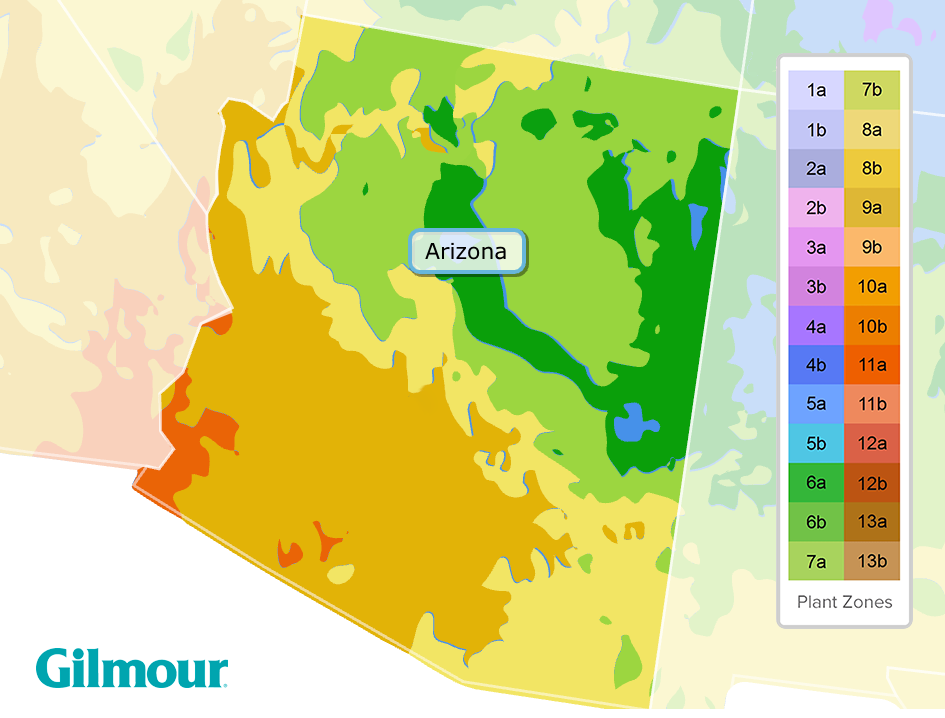
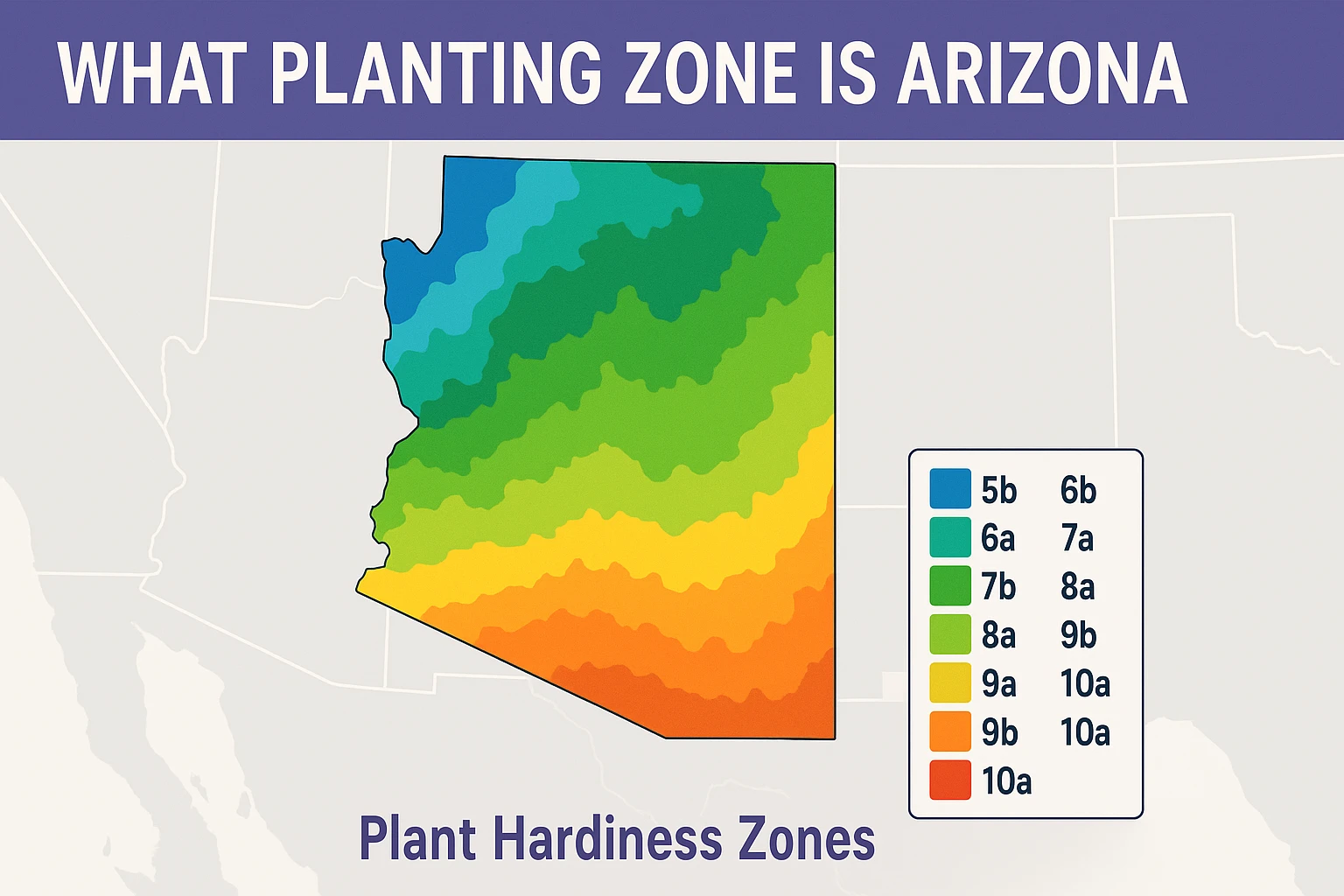
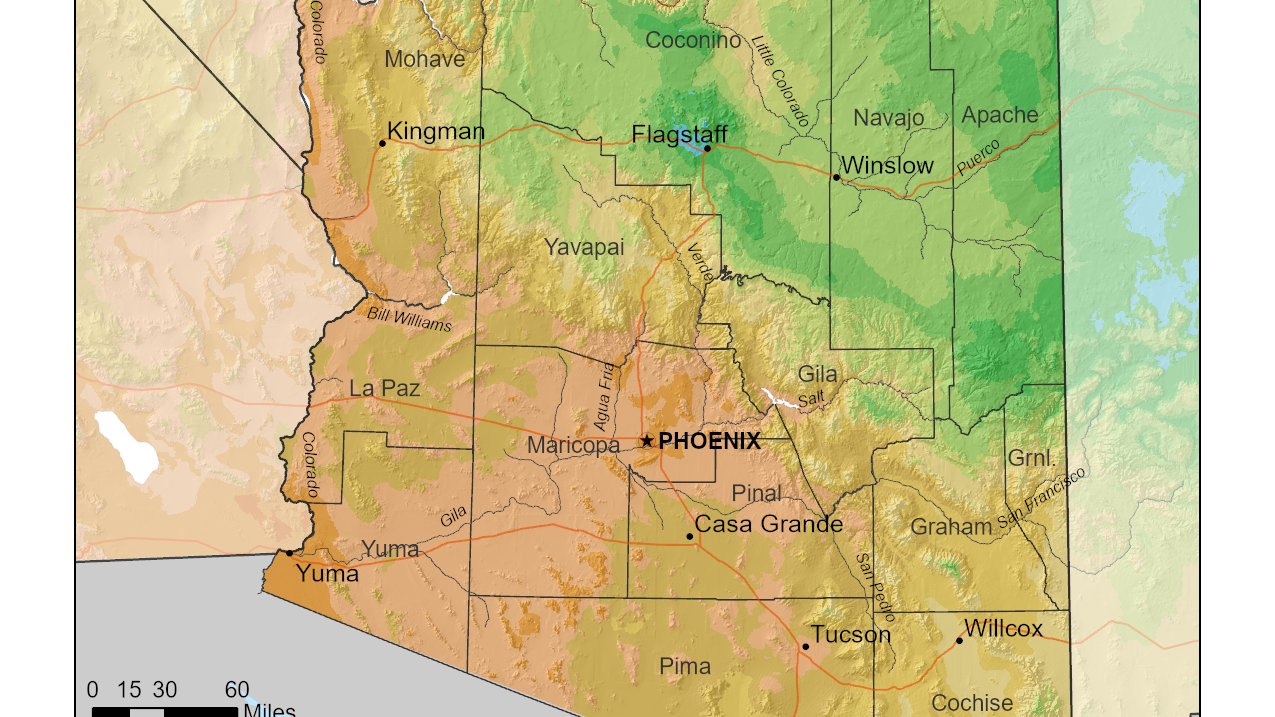
Historically, much of the Phoenix metropolitan area was classified as USDA Hardiness Zone 9b, with average annual extreme minimum temperatures ranging from 25°F to 30°F. However, with updated data and the dynamic nature of climate, parts of Phoenix, especially in more urbanized or lower-elevation areas, have been reclassified or now extend into Zone 10a, with minimums between 30°F and 35°F. This shift reflects a warmer microclimate in the urban core, often referred to as the “urban heat island effect.”
This classification—primarily Zone 9b to 10a—is crucial because it dictates the natural vegetative palette of Phoenix. It identifies a region where frost is infrequent and mild, allowing a wide array of succulent, arid-adapted, and sub-tropical plants to not only survive but thrive. This mild winter climate, combined with the intense summer heat, creates the perfect conditions for the iconic flora of the Sonoran Desert, which stand as living testaments to the region’s natural history and ecological resilience.
The Sonoran Desert’s Botanical Marvels: Flora as Natural Landmarks
The hardiness zone classification directly informs the spectacular natural landscapes found in and around Phoenix. The Sonoran Desert is renowned for being the most biodiverse desert in North America, a fact largely attributable to its relatively mild winters and unique bimodal rainfall pattern. The plants that call this region home are not merely vegetation; they are natural landmarks in themselves, shaping the visual identity and ecological integrity of the area.
Iconic Saguaro Cacti and Their Desert Habitat
Perhaps the most recognizable symbol of the American Southwest is the majestic Saguaro cactus (Carnegiea gigantea). These towering, multi-armed giants are exquisitely sensitive to prolonged freezing temperatures, making their presence a definitive marker of the warmer desert zones. Their natural range is almost entirely confined to the Sonoran Desert, thriving precisely within areas like Phoenix’s Zone 9b to 10a. A landscape dotted with saguaros is unequivocally a Sonoran Desert landscape, and these plants serve as living natural landmarks, often growing to heights of 50 feet and living for over 150 years. Observing them in their natural habitat, such as in the preserves surrounding Phoenix, is an encounter with enduring natural history.
Other Characteristic Desert Plants Thriving in Phoenix’s Zone
Beyond the saguaro, Phoenix’s hardiness zone supports a rich tapestry of other unique desert flora that contribute to its distinctive natural appeal. The Palo Verde tree (Parkinsonia florida), with its green trunk and profusion of yellow blossoms in spring, is another quintessential desert landmark. Various species of Cholla and Prickly Pear cacti create sculptural forms and vibrant flowers across the landscape. Ocotillo (Fouquieria splendens), with its whip-like thorny stems that leaf out after rains, adds a dynamic element. These plants, each with its unique adaptations to aridity and specific cold tolerance, collectively define the biological landmarks of the Phoenix region. They are not merely botanical specimens but integral components of an ecosystem that tells a story of survival and beauty in harsh conditions.
Resilience and Adaptation: Why These Plants Flourish
The ability of these plants to flourish within Phoenix’s growing zone is a testament to millions of years of evolutionary adaptation. Strategies include succulence (storing water in stems, leaves, or roots), deep root systems to tap into groundwater, specialized photosynthetic pathways (like CAM photosynthesis in cacti) to minimize water loss, and deciduous behavior (shedding leaves during dry periods). The mild winters, as indicated by Zones 9b-10a, allow these plants to avoid severe frost damage, which would be lethal for many species. This specific climatic window creates a sanctuary for the Sonoran Desert’s unique flora, making the entire region a living laboratory of natural adaptation and a collection of unparalleled botanical landmarks.
Cultivating Natural Landmarks: Phoenix’s Botanical Gardens
While the untamed desert surrounding Phoenix showcases natural landmarks in situ, the city also thoughtfully curates and preserves its botanical heritage in dedicated spaces. These cultivated environments offer accessible and educational opportunities to appreciate the plants thriving in Phoenix’s specific hardiness zone, effectively acting as living museums of the region’s natural character.
The Desert Botanical Garden: A Living Museum of the Zone
One of Phoenix’s most celebrated attractions, the Desert Botanical Garden, is a premier example of how the local growing zone dictates a magnificent collection. Located within the heart of Phoenix, this garden showcases the incredible diversity of desert flora from around the world, but with a profound emphasis on the plants native to the Sonoran Desert and other arid regions that share similar hardiness profiles. It is a meticulously designed landscape where visitors can walk among towering saguaros, observe delicate desert wildflowers, and learn about the intricate ecosystems supported by a Zone 9b/10a climate. The Desert Botanical Garden is not just a garden; it is a vital natural landmark, preserving and presenting the living heritage of the desert, demonstrating the specific species that thrive under Phoenix’s environmental conditions.
Public Spaces and Parks Showcasing Native Flora
Beyond the Desert Botanical Garden, numerous public parks and open spaces throughout Phoenix serve as urban oases that celebrate the native flora supported by its hardiness zone. From street plantings featuring Palo Verde and Ironwood trees to neighborhood parks incorporating saguaros and various cacti, these green spaces integrate the desert landscape into daily urban life. They provide opportunities for both residents and visitors to connect with the unique natural character of the region, emphasizing the visual appeal and ecological benefits of planting species well-suited to the local climate. These areas, though man-made, reflect an informed design choice based on the hardiness zone, creating accessible “natural landmarks” within the city fabric.
Exploring Phoenix’s Natural Landscape: Beyond the Gardens
To truly appreciate the significance of Phoenix’s growing zone, one must venture beyond manicured gardens into the expansive natural preserves that border the city. Here, the raw, untamed beauty of the Sonoran Desert unfolds, offering breathtaking vistas and a direct experience of how the climate shapes monumental natural landmarks.
Hiking Trails and Natural Preserves
The Phoenix Mountains Preserve and South Mountain Park and Preserve are prime examples of the region’s natural landmarks, offering miles of hiking and biking trails that traverse classic Sonoran Desert landscapes. These preserves are living showcases of plants that thrive in Hardiness Zones 9b and 10a. As visitors ascend trails, they encounter towering saguaros, dense stands of Cholla, and the vibrant blooms of Brittlebush and Creosote in season. The geological formations, combined with this distinctive flora, create an immersive experience of the natural world unique to this specific climatic zone. These vast open spaces are invaluable natural landmarks, preserving the ecosystem that defines the greater Phoenix area.
The Interplay of Climate, Soil, and Hardiness in Defining Natural Attractions
While the hardiness zone focuses on minimum winter temperatures, the full grandeur of Phoenix’s natural landmarks is a result of a complex interplay of factors. The hot, dry summers, though not directly measured by hardiness zones, are a crucial environmental pressure that further selects for drought-tolerant species. The characteristic rocky, well-draining soils of the desert prevent root rot and complement the plants’ adaptations to aridity. Together, the specific temperature extremes (both hot and cold, as defined by the hardiness zone), the unique bimodal rainfall pattern, and the mineral-rich soils combine to create a distinct ecological niche. This niche allows the development of a unique array of plants and animals, making the entire Sonoran Desert surrounding Phoenix a globally recognized natural attraction and a collection of irreplaceable biological landmarks.
Preserving Phoenix’s Unique Natural Heritage
Understanding Phoenix’s growing zone is more than just a botanical curiosity; it’s a cornerstone of conservation and sustainable development. The unique flora, which constitute many of the region’s natural landmarks, face ongoing challenges from urban expansion and climate change.
Conservation Efforts and Sustainable Practices
Conservation organizations and local authorities in Phoenix actively work to preserve the native desert landscape and its unique flora. This includes protecting large tracts of natural habitat, restoring degraded areas with zone-appropriate native plants, and educating the public about the importance of xeriscaping and water conservation. By promoting the use of plants naturally suited to Zones 9b and 10a, these efforts ensure that the iconic saguaros, Palo Verdes, and other desert species continue to define the natural landmarks of the region for generations to come. The emphasis on native species supports local wildlife and maintains the ecological balance of the Sonoran Desert.
The Importance of Understanding Hardiness Zones for Future Generations
The USDA Plant Hardiness Zone Map provides a critical baseline for understanding our changing environment. As climate patterns shift, hardiness zones can migrate, impacting the long-term viability of certain species in their current locations. For Phoenix, continued monitoring of its growing zone helps inform decisions regarding urban planning, park management, and the protection of its natural landmarks. By understanding and respecting the specific environmental conditions that define Phoenix’s hardiness zone, we can better safeguard its distinctive natural beauty and ensure that the majestic desert landscape remains a prominent and revered landmark for future generations to explore and cherish. The ongoing existence of these magnificent plants directly reflects the environmental conditions identified by its growing zone.
LifeOutOfTheBox is a participant in the Amazon Services LLC Associates Program, an affiliate advertising program designed to provide a means for sites to earn advertising fees by advertising and linking to Amazon.com. Amazon, the Amazon logo, AmazonSupply, and the AmazonSupply logo are trademarks of Amazon.com, Inc. or its affiliates. As an Amazon Associate we earn affiliate commissions from qualifying purchases.